Year: 1969
Runtime: 84 mins
Language: Estonian
Director: Arvo Kruusement
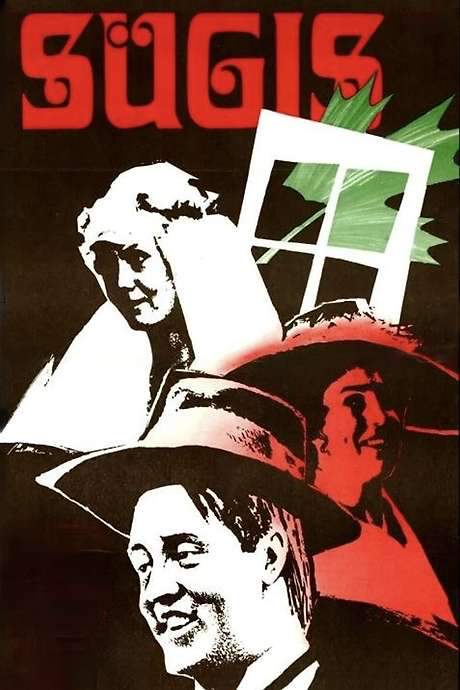
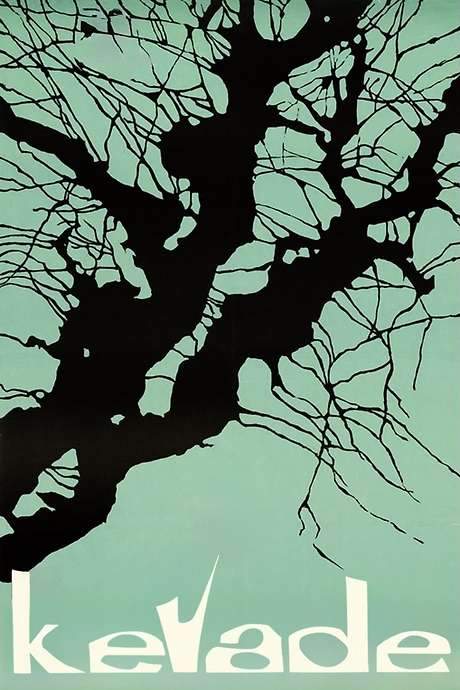
At Paunvere parish school, students Arno, Teele, Toots, Kiir, Tõnisson and Imelik navigate a single winter together, forming deep bonds and experiencing first love, jealousy, rivalry and the dawning of self‑awareness. The emotions and lessons of that season echo through their adult lives, shaping friendships, guiding choices and helping each character define their future path.
Warning: spoilers below!
Haven’t seen Spring yet? This summary contains major spoilers. Bookmark the page, watch the movie, and come back for the full breakdown. If you're ready, scroll on and relive the story!
Read the complete plot breakdown of Spring (1969), including all key story events, major twists, and the ending explained in detail. Discover what really happened—and what it all means.
Arno Tali, Arno Liiver, enters the parish school in Paunvere as a new student in the midst of autumn, still recovering from scarlet fever. The air is cool, the halls smell of chalk and wood, and the schoolyard buzzes with the small dramas of childhood. On his first day, he is seated beside Joosep Toots, Aare Laanemets, a lively prankster whose stories about Native Americans spill from his lips as easily as the wind shifts leaves. Toots wears mischief like a cloak and treats the classroom as a stage for his ever-changing schemes, inviting Arno into a world where courage and trouble often blur.
Arno soon befriends Teele, Riina Hein, whose family farm sits next to his own, and in a gentle, awakening way she becomes his first love. The school pulses with color and character: the sunny but naive Tõnisson, Ain Lutsepp, and the whiny, tattling Kiir, Margus Lepa, who sometimes becomes the target of Toots’ loud capers. The parish clergyman’s attempts to discipline the unruly Toots fail to take hold, and it is Laur, the compassionate teacher, Leonhard Merzin, whose patient persuasion keeps the peace and tempers the worst of the chaos.
The boys and girls clash with the children of German landlords who attend a nearby school, and the tensions spill into rough playground skirmishes. In one wild moment, Toots brands the opponents with hot tools, flashing sparks of bravado. In another, Tõnisson endures a harsher punishment as German youths wield whips. Seeking a spark of revenge, Tõnisson sinks a raft used by the Germans, and suspicion falls on Kristian Lible, the bell-ringer. Arno, who has grown close to Lible, digs for the truth and persuades Tõnisson to admit his deed. When Arno attempts to report it, Laur intervenes and mediates a resolution that clears Lible, spares Tõnisson from expulsion, and preserves Arno’s reputation, avoiding the stigma of tattling.
Winter settles over Paunvere, turning the river into a glittering, treacherous playground. Toots pushes the group to skate on thin ice, and Teele slips into the dark water. Arno makes a heroic dash to pull her out, but he loses his footing and also sinks. They are saved by Lible, who sections off the fear and guides them to safety, though Arno emerges from the ordeal with a feverish illness.
As the term continues, new faces arrive at the school: Jaan Imelik and his servant, Jüri Kuslap. Imelik, a carefree musician who plays the kannel, quickly wins Teele’s heart, drawing her attention away from Arno. The quiet rhythm of Imelik’s music anchors a shift in Teele’s affections, and she begins to drift away from her first love. Arno watches the changes with a mix of hurt and resignation, trying to understand the pull of a new melody in Teele’s life.
With the arrival of spring, the school year winds down, and the students return to their homes and families. Teele’s renewed interest in Imelik leaves Arno to mend his own heart, and he begins to reckon with his feelings and the quiet realization that love can be fleeting and unpredictable. When Imelik departs without saying goodbye, Teele’s memory of her early crush softens, and Arno, though wounded, finds a path forward, carrying the lessons of friendship, loyalty, and the bittersweet ache of growing up.
In the end, the autumn days give way to winter’s memory, and the Paunvere parish school remains a cradle for childhood’s mischief and small triumphs. The bonds formed among Arno, Teele, Toots, Kiir, Laur, Lible, and the others leave a lasting imprint: a reminder that youth is a tapestry of laughter, mistakes, and the first, fragile tender feelings that shape a life.
Last Updated: October 09, 2025 at 12:32
Discover curated groups of movies connected by mood, themes, and story style. Browse collections built around emotion, atmosphere, and narrative focus to easily find films that match what you feel like watching right now.
Stories where the formative pangs of youth leave a lasting, tenderly melancholic mark.If you enjoyed the nostalgic and tender look at youth in Spring, you'll find similar experiences in these movies. This list features heartfelt coming-of-age stories with a bittersweet tone, focusing on first love, friendship, and the enduring impact of formative memories, perfect for fans of reflective dramas.
These narratives typically follow a central group of young characters through a significant period, often a school year or a single season. The plot unfolds through small, character-driven events—mischief, first crushes, rivalries—that accumulate into profound emotional lessons. The journey is linear and straightforward, culminating in an ending that acknowledges both the fondness of the past and the poignant sense of loss as childhood ends.
Movies in this thread are grouped by their shared ability to balance youthful exuberance with melancholic reflection. They share a steady, nostalgic pacing, a medium emotional weight, and a core focus on the bittersweet transition from innocence to experience, making the emotional journey feel cohesive and deeply relatable.
Films that trace the delicate, interconnected threads of a group's shared past.For viewers who liked the ensemble focus of Spring, this list highlights similar films about groups of friends or classmates. Discover movies that explore the powerful, nostalgic bonds formed in youth, with a steady pace and a mix of tender and melancholic emotions, perfect for those who enjoy character-driven stories.
The narrative structure is often episodic, marking time through shared events that impact the entire group. The story explores how individual arcs are woven together, showing how a collective memory can define separate futures. The conflict arises from within the group dynamics itself—competition, unrequited affection, loyalty tests—rather than from an external antagonist, leading to a conclusion that emphasizes the enduring, if changed, nature of their connection.
These films are united by their ensemble-centered approach and a powerfully nostalgic mood. They share a tender, reflective tone and a straightforward narrative that prioritizes emotional truth over complex plotting. The experience is defined by a sense of looking back fondly at a pivotal time with a group of people.
Don't stop at just watching — explore Spring in full detail. From the complete plot summary and scene-by-scene timeline to character breakdowns, thematic analysis, and a deep dive into the ending — every page helps you truly understand what Spring is all about. Plus, discover what's next after the movie.
Track the full timeline of Spring with every major event arranged chronologically. Perfect for decoding non-linear storytelling, flashbacks, or parallel narratives with a clear scene-by-scene breakdown.
Discover the characters, locations, and core themes that shape Spring. Get insights into symbolic elements, setting significance, and deeper narrative meaning — ideal for thematic analysis and movie breakdowns.
Get a quick, spoiler-free overview of Spring that covers the main plot points and key details without revealing any major twists or spoilers. Perfect for those who want to know what to expect before diving in.
Visit What's After the Movie to explore more about Spring: box office results, cast and crew info, production details, post-credit scenes, and external links — all in one place for movie fans and researchers.
Discover movies like Spring that share similar genres, themes, and storytelling elements. Whether you’re drawn to the atmosphere, character arcs, or plot structure, these curated recommendations will help you explore more films you’ll love.
Spring (1969) Scene-by-Scene Movie Timeline
Spring (1969) Movie Characters, Themes & Settings
Spring (1969) Spoiler-Free Summary & Key Flow
Movies Like Spring – Similar Titles You’ll Enjoy
Spring Fever (2010) Complete Plot Breakdown
Spring Break (1983) Detailed Story Recap
Spring Tide (1990) Ending Explained & Film Insights
Autumn (1990) Plot Summary & Ending Explained
Spring Fever (1982) Ending Explained & Film Insights
Spring (2021) Spoiler-Packed Plot Recap
The Spring Poem (2021) Complete Plot Breakdown
Spring (1947) Detailed Story Recap
Spring in the Forest (1974) Movie Recap & Themes
Spring Awakens (1947) Film Overview & Timeline
Spring Is Here (1930) Ending Explained & Film Insights
Spring Forward (1999) Full Movie Breakdown
Spring of Joy (1993) Detailed Story Recap
Spring (1970) Story Summary & Characters
Particularly Now, in Spring (1996) Film Overview & Timeline