Plot Explained Spoilers guaranteed!
Plot Explained

Browse by genre

Someone’s Knocking at the Door (2009) movie poster

Plot Summary

Someone’s Knocking at the Door (2009) Plot Summary Explained

Release, runtime and language
2009 · 80 mins · English
Directed by
Chad Ferrin
Starring
Noah Segan, Lew Temple, Ezra Buzzington, Vernon Wells, Trent Haaga, Elina Madison

Returning to the same medical school where they were test subjects years before, two twisted serial killers use brutal sex acts to kill off a group of med students.

On this page (5)
  1. 1 What happens: full plot
  2. 2 Plot questions answered
  3. 3 Movie threads
  4. 4 Movies like Someone’s Knocking at the Door
  5. 5 Every angle

Full plot summary · contains spoilers

What Happens in Someone’s Knocking at the Door: Full Plot Summary

The whole story of Someone’s Knocking at the Door (2009) explained, from the opening scene to the final frame: every key event, every twist and what it all adds up to. Read it as a quick recap before the sequel, to check a scene you missed, or to finally understand what really happened.

Ray Harris [Jordan Lawson], a med student, spends a night in his dorm watching stag films and testing what he thinks is heroin, only to discover it’s an experimental drug called Taldon. A knock on the door brings a shocking encounter: a fully nude woman who makes advances, then morphs into a grotesque man. The man assaults Ray, and it’s strongly implied that he rapes and kills him.

Ray’s friends Meg [Andrea Renda], Joe [Ricardo Gray], and Annie [Silvia Spross] learn of his death. Another friend, Sebastian Wilde [Jon Budinoff], suspects Joe of killing Ray in a bizarre sex game, since Joe was the last person seen with Ray. Justin [Noah Segan] joins them at Ray’s funeral. Meanwhile, the police are baffled to learn that Ray died after a phallus—fifteen inches long and four inches in diameter—pummeled his colon. The five remaining students come under suspicion, but no solid evidence ties them to the crime and they are allowed to leave.

A flashback shows the six friends revisiting Taldon and studying the case files of John Hopper [Ezra Buzzington] and Wilma Hopper [Elina Madison], a serial killer couple once the subject of a hospital study. They speculate that the Hoppers, long thought dead, may have returned via astral projection.

Sebastian and Annie park in a secluded woods to make out. Annie grows frustrated with Sebastian’s aggressive behavior and is soon confronted by the demonic Wilma Hopper, who uses her power to suffocate Annie. Back at the hospital, a detective reading about the Hopper case is attacked by the reanimated John Hopper, who forces the detective to perform a sexual act.

Meg, after a romantic evening with Justin, dives into research on Taldon. She learns that the drug is a hallucinogen that drives the central nervous system to dangerous extremes. Her work is interrupted when the same undead detective from the hospital confronts her in the corridors, and she narrowly escapes.

John Hopper, taking on Annie’s form, seduces and kills Sebastian through a brutal sexual assault. Meg lies wounded in a hospital bed, while Justin—still alive—rejoins her. He believes himself trapped in an artificial reality and shoots Joe and another detective before taking his own life. The sequence culminates in a devastating twist: all of the events are Justin’s dying hallucination, spawned after he and his friends overdosed on Taldon the night they first read about the Hopper spree. It’s initially believed that Justin perished with his friends (Meg aside, who had sworn off drugs), but he somehow survives.

Last updated: October 07, 2025 at 08:48

Was this helpful?

Plot questions answered

Someone’s Knocking at the Door Plot Explained: Your Questions Answered

The questions people ask most about Someone’s Knocking at the Door (2009): what happens in the confusing scenes, why the characters do what they do, the twists, hidden details and what the ending means. Each answer contains spoilers.

Q1

What is the twist ending about?

The entire movie is revealed to be Justin's dying hallucination. After the group took Taldon, they overdosed, and the nightmarish events, Ray's death, the Hopper attacks, the murders, occurred in Justin's mind while he was dying. The only character who survives in reality is Meg, who had sworn off drugs before the incident.

Foreshadowing: Early hints include Justin's growing suspicion that he is trapped in an artificial reality, which foreshadows the reveal that nothing was real.

  • twist ending
  • hallucination
  • dying dream
  • final twist
  • hallucination reveal
Q2

How does Taldon cause the hallucinations?

Taldon is an experimental hallucinogen that drives the central nervous system to dangerous extremes. The drug creates vivid, distorted visions that blur reality and fantasy, making users experience terrifying scenarios as if they were happening. When the group overdosed on Taldon, their minds generated the entire horror story.

Foreshadowing: Meg's research into Taldon reveals its dangerous effects on the central nervous system, explaining how the drug could produce such extreme hallucinations.

  • taldon
  • drug
  • hallucinogen
  • experimental drug
  • overdose
  • central nervous system
Q3

Who actually killed Ray Harris?

Ray was killed by an attacker who appeared as a nude woman before transforming into a grotesque man. This attacker was part of Ray's hallucination, either the drug itself or his mind projecting the Hopper couple's evil onto an imagined figure. In reality, Ray likely died from the Taldon overdose like the others.

Foreshadowing: The opening scene shows Ray testing what he thinks is heroin, only to discover it is Taldon, setting up that his death may not be what it seems.

  • ray harris death
  • killer
  • attacker
  • murder
  • dorm room
Q4

Why does Justin shoot Joe and the detective?

Justin becomes convinced he is trapped in an artificial reality, a delusion created by the Taldon poisoning. This leads him to go on a rampage, shooting Joe and a detective before turning the gun on himself. His violent actions stem from believing nothing in this world is real.

Foreshadowing: Justin's earlier comments about feeling trapped in an artificial reality foreshadow his breakdown and violent outburst.

  • justin shoots
  • joe death
  • detective death
  • violence
  • artificial reality
Q5

Are the Hopper killers real or part of the hallucination?

John and Wilma Hopper were real serial killers who were subjects in a hospital study years before the movie takes place. The group had studied their case files while using Taldon. Whether the Hoppers actually return through astral projection, or they are purely manifestations of the drug-induced hallucination, remains ambiguous, the story presents both possibilities within Justin's dying mind.

Foreshadowing: The flashback showing the group studying the Hopper case files while using Taldon establishes the connection between their research and the hallucinations that follow.

  • john hopper
  • wilma hopper
  • serial killers
  • astral projection
  • real vs hallucination
Q6

What happens to Meg at the end?

Meg is the only character who survives in reality. She had sworn off drugs before the group took Taldon, which is why she appears wounded in the hospital but alive. In the hallucination, she is the one who researches Taldon and uncovers its dangers, while in reality, she is the sole overdose survivor.

Foreshadowing: The narrative hints that Meg is different from the others, she does not partake in the drug use, which ultimately saves her life.

  • meg survival
  • survives
  • overdose
  • alone survivor
Q7

Why does Sebastian die?

Sebastian is killed by John Hopper, who takes on Annie’s form to lure him in. The disguised Hopper seduces Sebastian and then murders him through brutal sexual violence. This death, like everything in the movie, occurs within Justin's hallucination rather than in reality.

Foreshadowing: John Hopper's ability to impersonate others is established earlier when he takes on other forms to deceive characters.

  • sebastian death
  • killed by hopper
  • annie form impersonation
Q8

What triggers the entire hallucination sequence?

The hallucination begins when Justin and his friends overdose on Taldon after studying the Hopper case files. Their combined drug use and the dark subject matter they were researching manifest as the horrific scenario that unfolds. The overdose nearly kills them all, with Justin's dying brain constructing the entire nightmare.

Foreshadowing: The opening flashback showing the group revisiting Taldon while discussing the Hoppers directly sets up the drug use that triggers the hallucination.

  • overdose trigger
  • case files
  • drug use
  • dying brain
  • hopper research
Q9

What happens to Annie in the woods?

Annie confronts Wilma Hopper in the secluded woods where she was dropped off by Sebastian. Wilma uses her supernatural powers to suffocate Annie to death. This attack represents the Hopper evil manifesting within the group's collective hallucination.

Foreshadowing: Annie's unease with Sebastian's aggression creates the circumstances for her to be alone when Wilma appears.

  • annie death
  • woods attack
  • wilma hopper
  • suffocation
Q10

What happens to the detective at the hospital?

The detective researching the Hopper case is attacked by the reanimated John Hopper at the hospital. Hopper forces the detective to perform a sexual act before killing him. This scene demonstrates how the Hopper threat has moved from the original case files into the present reality of the hallucination.

Foreshadowing: The detective's investigation into the Hopper case connects him to the same evil that haunts the students.

  • detective death
  • hospital attack
  • john hopper
  • sexual assault
Q11

What was the group's connection to Taldon before the events?

Years before the main story, the six friends were test subjects in a hospital study involving the experimental drug Taldon. They later revisit the drug and study the Hopper serial killer case files, combining their past exposure to Taldon with the dark material about the Hoppers, this combination triggers the devastating hallucination when they overdose.

Foreshadowing: The meta notes establish that the group had prior experience with Taldon as test subjects, giving context for their later decision to use it again.

  • taldon history
  • test subjects
  • medical school
  • previous study
  • hospital study
Q12

Why does Justin think he's trapped in an artificial reality?

As the Taldon poisoning intensifies, Justin becomes increasingly paranoid and concludes that his surroundings are not real. This delusion drives his violent breakdown, where he shoots others and himself to escape what he believes is a fake world. His delusion is actually the drug distorting his perception of reality.

Foreshadowing: Justin's paranoid statements about reality being artificial appear increasingly throughout the second half of the movie.

  • artificial reality
  • delusion
  • paranoid
  • escape reality
  • drug psychosis
Q13

How does astral projection fit into the story?

In the hallucination, the group speculates that the Hoppers may have returned via astral projection after their supposed deaths. This theory represents the group's attempt to rationalize the impossible events they are experiencing. Whether astral projection is real within the story or just another layer of the hallucination remains ambiguous.

Foreshadowing: The flashback scene where the group discusses astral projection as a possible explanation establishes this concept as a potential framework for understanding the events.

  • astral projection
  • hopper return
  • supernatural theory
  • possible explanation

Movie threads

More Movies Like Someone’s Knocking at the Door, by Mood & Story

Curated lists built around what makes Someone’s Knocking at the Door tick: the same mood, the same kind of story or the same emotional payoff. Each list explains why these movies belong together.

Drug-Fueled Hallucinatory Nightmares like in Someone’s Knocking at the Door

Stories where reality unravels through intoxication into psychological terror. If you liked the intense, reality-bending horror of Someone’s Knocking at the Door, explore other movies that feature drug-induced paranoia and psychological unraveling. These films often share a high-intensity, hallucinatory vibe where characters confront terrifying visions and brutal truths, resulting in a heavy, bleak viewing experience similar to this one.

  • hallucinatory
  • disturbing
  • anxious
  • grotesque
  • psychological
  • nihilistic
  • Tone: dark, psychological, nihilistic
  • Pacing: fast, chaotic, disorienting
Why these movies?

The story pattern: Narratives in this thread typically begin with a catalyst, like drug consumption, that fractures a character's perception of reality. The plot unfolds as a disorienting mix of real and imagined threats, where psychological torment is made physically manifest. The journey often ends with a devastating return to a bleak reality or the ultimate collapse of the mind.

Why they belong together: These films are grouped together because they all prioritize a specific type of psychological horror steeped in altered states. They share a chaotic, fast-paced energy, a dark and disturbing tone, and a commitment to exploring the grotesque and nihilistic corners of the human psyche under duress, making the viewing experience intensely visceral and anxiety-inducing.
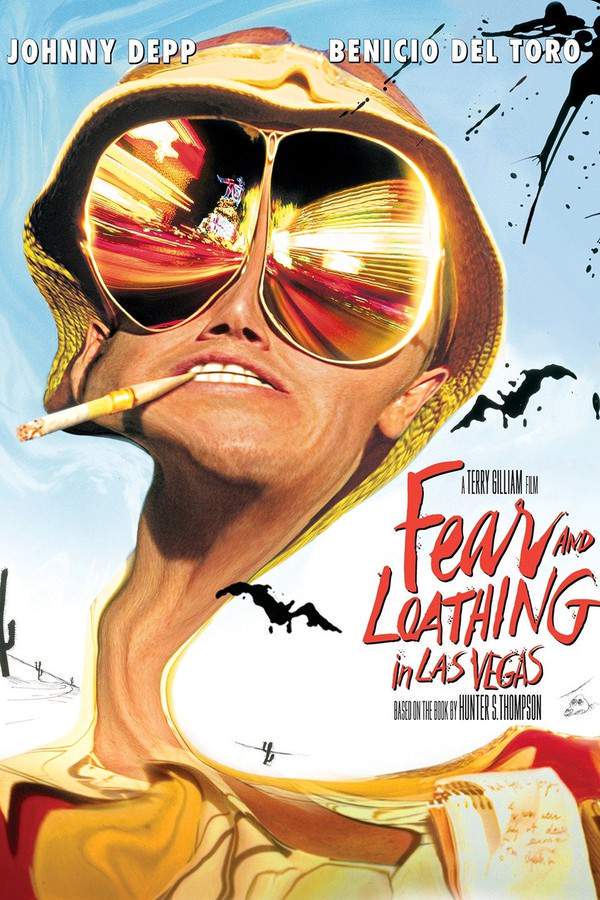
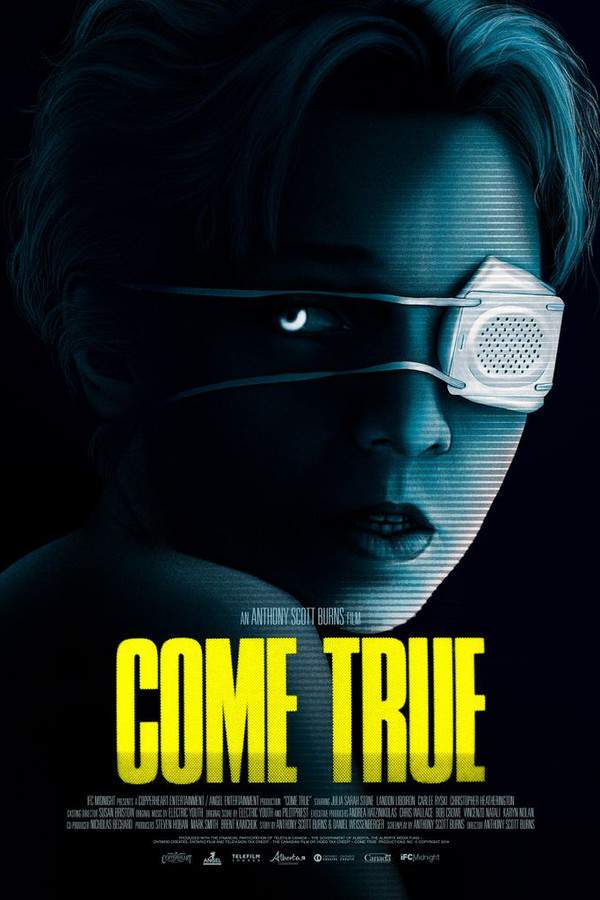
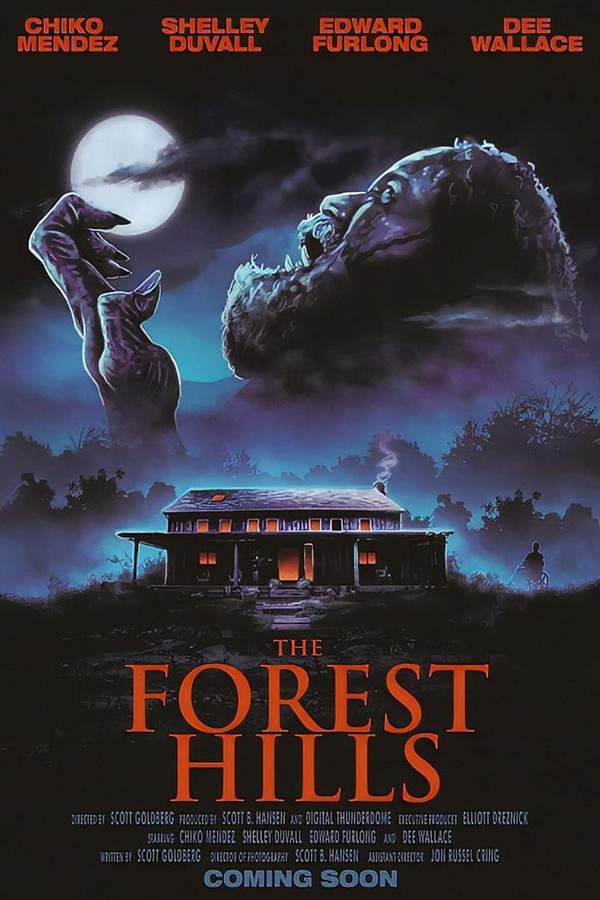
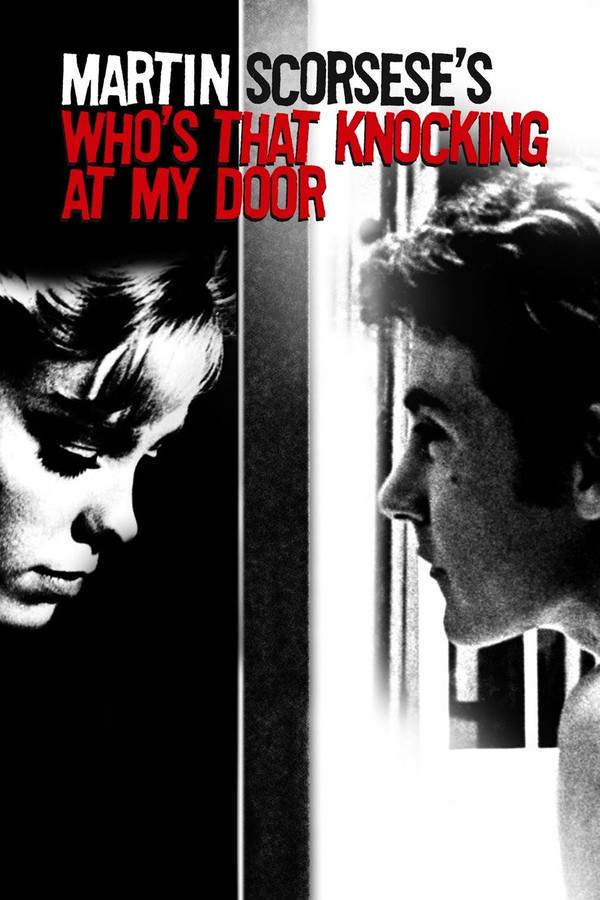
Movies with an Unreality Twist like Someone’s Knocking at the Door

Films where a horrific narrative is recontextualized by a tragic truth. For viewers who appreciated the complex narrative and bleak reveal in Someone’s Knocking at the Door, this section highlights similar films with shocking unreality twists. These stories feature dark, heavy plots that are fundamentally reinterpreted by the end, delivering a powerful and often saddening conclusion that reshapes the entire viewing experience.

  • psychological
  • tragic
  • mind-bending
  • bleak
  • disorienting
  • sad
  • Tone: dark, bleak, tragic
  • Pacing: variable, often fast leading to a contemplative end
Why these movies?

The story pattern: The narrative pattern involves building a compelling, often high-stakes plot that feels intensely real. A major twist in the final act recasts the preceding events as a fabrication of a character's mind, revealing a much simpler, yet more devastating, underlying reality. The journey is defined by its emotional whiplash and the intellectual challenge of piecing together the true story.

Why they belong together: These movies are connected by their sophisticated use of narrative misdirection and their profoundly bleak endings. They share a high level of complexity, a dark tone, and a heavy emotional weight centered on themes of death, delusion, and the fragility of perception. The experience is defined by the jarring shift from a fictional horror to a real-world tragedy.

If you liked this

Movies Like Someone’s Knocking at the Door

Similar movies to Someone’s Knocking at the Door: the same genre, themes or kind of story. Each one comes with its own plot summary, timeline and ending explained.

Browse all movie summaries

Every angle

Someone’s Knocking at the Door (2009) Explained: Plot, Timeline & Characters

Everything about Someone’s Knocking at the Door in one place: what happens in the plot summary, the timeline in chronological order, the characters and meaning and a spoiler-free summary. What's After the Movie adds the cast, box office and post-credit scenes.

Coming soon on iOS and Android

The Plot Explained Movie Summary App

Plot summaries, endings explained and timelines on your phone. Catch up on any movie in minutes, save your favorites and never miss a twist again.

Be the first to know when we launch. Your email stays private, always.

Learn more about the app