Plot Explained Spoilers guaranteed!
Plot Explained

Browse by genre

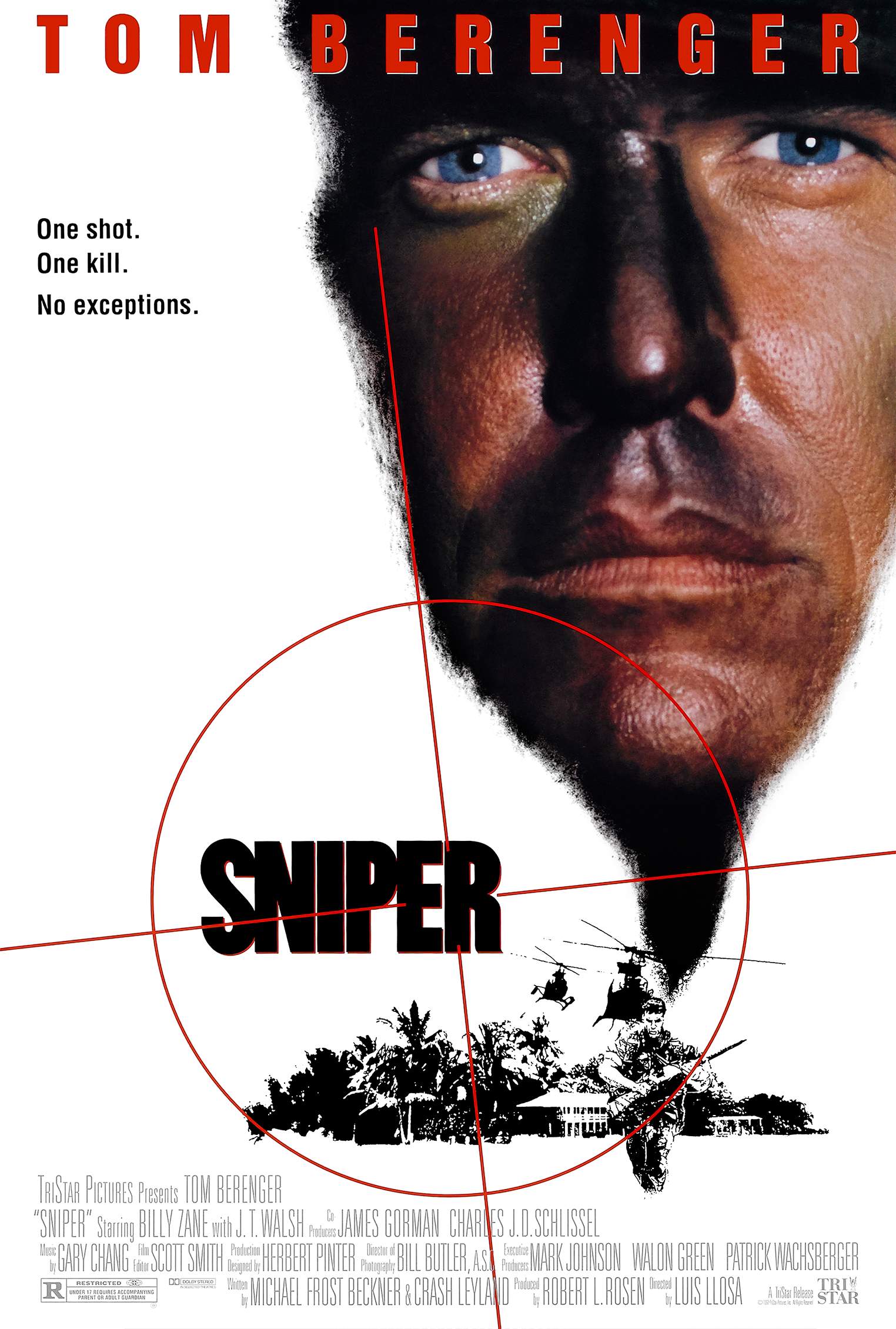
Sniper 3 (2004) movie poster

Plot Summary

Sniper 3 (2004) Plot Summary Explained

Release, runtime and language
2004 · 91 mins · English
Starring
Tom Berenger, John Doman, Byron Mann, Andrew Lawrence, Nophand Boonyai, Jeannetta Arnette

Everyone is a Target Having taken out warlords, drug kingpins and international assassins, Thomas Beckett must now face the ultimate enemy, his best friend Paul Finnegan.

On this page (5)
  1. 1 What happens: full plot
  2. 2 Plot questions answered
  3. 3 Movie threads
  4. 4 Movies like Sniper 3
  5. 5 Every angle

Full plot summary · contains spoilers

What Happens in Sniper 3: Full Plot Summary

The whole story of Sniper 3 (2004) explained, from the opening scene to the final frame: every key event, every twist and what it all adds up to. Read it as a quick recap before the sequel, to check a scene you missed, or to finally understand what really happened.

Thomas Beckett [Tom Berenger] is trying to readjust to life after Sniper 2, returning to the U.S. Marine Corps with a stubborn edge that still fuels his sense of duty. His new commanding officer, Captain Laraby [Troy Winbush], doubts his suitability for active duty, calling him too old and hard-headed to remain in the field. At Neil Finnegan’s wedding, Beckett confronts a personal link to his past when he receives a letter from Paul Finnegan [Ken Streutker], the best friend who served with him in Vietnam and saved his life before he was killed just before the fall of Saigon. Beckett dances with Sydney [Jeannetta Arnette], who reads his hand and reveals a nerve condition that makes his trigger finger jerk involuntarily. She suggests he consider retirement and even hints at a possibility for a date, hinting at a fragile chance for a simpler life.

Two CIA officials arrive with a bombshell: Director William Avery [Denis Arndt] and Deputy Director Richard Addis [William Duffy] reveal that Paul Finnegan’s death was staged and that Finnegan is alive. The man known as the “King Cobra” has been hidden for years, running drugs out of Cambodia with the Khmer Rouge and assembling a brutal militia of child soldiers in the jungle tunnels beneath Vietnam. Avery explains that Finnegan’s capture could trigger a political crisis, so Beckett is asked—no, pressed—to eliminate him. Beckett agrees, but insists on taking on the mission alone, choosing to carry the burden without a spotter or a safety net.

In Ho Chi Minh City, Beckett meets Quan [Byron Mann], a Vietnamese police operative connected to the NSA, and the mission shifts from a simple hit to a perilous pursuit through danger and doubt. Beckett phones Sydney, confessing how much he cares for her and Neil, then proceeds to a tense confrontation at Club Cong where Finnegan [John Doman] sits with a drink. Beckett fails to complete the kill as a counter-sniper breaches his cover, kills the counter-sniper, and Beckett ends up in Vietnamese custody. In a brutal cell exchange, Finnegan claims he was abandoned by those who used him, and he triggers an explosion that tears through the police station, allowing Beckett to escape. Beckett reconnects with Quan, who demands both a weapon and an exit strategy home. The chase drives them into the infamous tunnels known as “the ditch,” a network under Tây Ninh, where the truth about Finnegan’s past begins to unravel.

In the tunnels, Quan’s footing falters, and Finnegan holds him at gunpoint—only to reveal the CIA’s complicity in his past. Beckett learns that Finnegan was in the ditch with Bill Avery and a civilian photographer named Stevie York, who filmed their activities. York destroyed the film, but drugs and paranoia led the trio to kill nine unarmed civilians over three days, and York himself was killed to cover it up. With Senator Gaylor rising in politics, Avery’s past becomes a dangerous liability, and Beckett’s mission is repurposed as a shield to protect powerful secrets. The plan to eliminate Finnegan is part of a broader scheme to keep Beckett quiet and to ensure no one leaks what happened.

> "the head of the snake"

Quan and Beckett press forward, defending themselves from Finnegan’s forces as they uncover the truth behind the operation. Quan is forced to fight for his life, and Beckett makes a hard choice to stop Finnegan by manipulating the line between loyalty and murder. Beckett shoots one of Paul Finnegan’s child soldiers in the hand, triggering an involuntary jerk of Finnegan’s other finger that drives the killer to turn the gun on Paul Finnegan in the head rather than Quan. With Paul dead and Finnegan’s militia crumbling, the insurgent army surrenders, and Quan arranges a way to get Beckett out of the country—across the border into Cambodia.

The mission’s moral swerve leaves Beckett bruised and disillusioned, even as he learns that Avery has died in what appears to be a suicide and that Senator Gaylor has withdrawn from his political ambitions. Beckett’s return path is a hard-won exit from a maze of deception, personal sacrifice, and the cost of keeping powerful secrets buried. In the end, the veteran soldier faces the quiet truth of his own longing for family and a life beyond the constant shadow of warfare, carrying with him a scarred resolve to keep moving forward.

Last updated: October 09, 2025 at 16:35

Was this helpful?

Plot questions answered

Sniper 3 Plot Explained: Your Questions Answered

The questions people ask most about Sniper 3 (2004): what happens in the confusing scenes, why the characters do what they do, the twists, hidden details and what the ending means. Each answer contains spoilers.

Q1

Why did Beckett agree to kill his best friend Finnegan?

Beckett agreed because the CIA presented it as a critical mission - Finnegan had become a powerful drug kingpin known as the 'King Cobra' running weapons and drugs through Cambodia with the Khmer Rouge. However, the deeper reason was that Beckett felt responsible for Finnegan since he'd saved his life in Vietnam, and he believed eliminating Finnegan was the only way to close that chapter and protect his own legacy.

  • Beckett
  • Finnegan
  • assassination
  • CIA
  • best friend
  • mission
Q2

What was the 'head of the snake' reference about?

The 'head of the snake' was the CIA's metaphor for Paul Finnegan - the leader of his drug and weapons trafficking network. The CIA wanted Beckett to eliminate Finnegan because doing so would destabilize and collapse the entire criminal organization, just like cutting off the head would kill a snake.

Foreshadowing: Earlier in the film, Beckett reads a letter from Finnegan at Neil's wedding, foreshadowing the personal connection that makes this mission complex.

  • King Cobra
  • Finnegan
  • head of snake
  • CIA
  • trafficking network
Q3

Why did Finnegan turn against the CIA?

Finnegan discovered the CIA had used him and then abandoned him after a brutal operation in the tunnels. During what was supposed to be a covert mission, Finnegan, CIA Director Avery, Senator Gaylor, and a photographer named Stevie York killed nine unarmed civilians over three days while under the influence of drugs. When York tried to expose the atrocity by keeping the film, they murdered him and destroyed the evidence. Finnegan felt betrayed by the very government that had created him.

Foreshadowing: In the police station, Finnegan tells Beckett he was 'abandoned by those who used him' before triggering the explosion.

  • Finnegan
  • CIA
  • Avery
  • war crimes
  • nine civilians
  • cover-up
Q4

How did Beckett trick Finnegan into shooting himself?

Beckett executed a calculated misfire strategy. He shot one of Finnegan's child soldiers in the hand, which caused an involuntary nervous reaction in Finnegan's trigger finger due to the stress and chaos of the moment. This involuntary jerk made Finnegan turn his gun and shoot himself in the head instead of Quan, who Finnegan had been aiming at. It was a deliberate manipulation of reflexes to accomplish the kill without directly murdering his former best friend.

Foreshadowing: Earlier, Sydney revealed Beckett's nerve condition causes involuntary trigger finger jerking, which makes this method of killing deeply ironic.

  • Beckett
  • Finnegan
  • misfire
  • child soldier
  • involuntary reflex
  • killing method
Q5

What were the nine civilians Finnegan mentioned in the tunnels?

The nine civilians were unarmed villagers who were executed by Finnegan, Avery, Senator Gaylor, and photographer Stevie York during a drug-fueled three-day killing spree in the tunnels beneath Tây Ninh. This atrocity was filmed by York, who later tried to expose the crimes - leading the group to kill him and destroy the film to cover everything up.

Foreshadowing: This backstory is revealed gradually as Beckett and Quan push deeper into the tunnels, with each revelation building toward the full picture.

  • nine civilians
  • tunnels
  • war crimes
  • Avery
  • Gaylor
  • Stevie York
  • massacre
Q6

Why did the CIA want Beckett to kill Finnegan instead of handling it themselves?

The CIA needed Finnegan dead to bury the conspiracy forever. With Senator Gaylor rising politically, his involvement in the civilian massacre became a dangerous liability. They sent Beckett because he was a skilled assassin who could complete the mission, but more importantly, they believed Beckett would keep quiet once he learned the truth - they could control him. The entire mission was designed to protect powerful secrets, not just eliminate a trafficker.

Foreshadowing: The CIA officials were specifically sent to 'press' Beckett into the job, emphasizing the political sensitivity.

  • CIA
  • Beckett
  • conspiracy
  • Avery
  • Gaylor
  • political cover-up
Q7

What happened to Director Avery and Senator Gaylor after the mission?

Both men faced consequences but not through direct justice. After Finnegan was killed and the truth began to unravel, Director Avery was found dead in what appeared to be a suicide. Senator Gaylor resigned his political ambitions and withdrew from office. The exposure of their involvement in the civilian massacre ended their careers, though Beckett wasn't the one who brought them to justice.

Foreshadowing: Beckett learns that the conspiracy extends all the way to senior government officials when Finnegan reveals the full story in the tunnels.

  • Avery
  • Gaylor
  • suicide
  • resignation
  • political fallout
  • consequences
Q8

Why did Beckett consider retirement after the mission?

The mission left Beckett deeply disillusioned. He discovered his best friend had been alive but had become a monster through the CIA's corruption. He was forced to kill (or cause the death of) someone he owed his life to, and he learned the government he served had covered up mass murder. The emotional weight of these revelations, combined with his nerve damage and the constant violence, made him realize he wanted something beyond warfare - specifically a life with Sydney, who had earlier hinted at retirement and a possible relationship.

Foreshadowing: Sydney read Beckett's hand at the wedding and revealed his nerve condition, suggesting he should consider retirement and even asked him out.

  • Beckett
  • retirement
  • Sydney
  • disillusion
  • emotional cost
  • life after war
Q9

Why did Finnegan blow up the police station?

Finnegan orchestrated the police station bombing to escape from custody while Beckett was being held there. He triggered the explosion specifically to create chaos and cover his own escape - he knew Beckett was being interrogated in the same building. The blast freed Beckett as well, but the primary purpose was Finnegan's self-preservation, allowing him to return to his jungle stronghold in the tunnels.

Foreshadowing: Before the bombing, Finnegan and Beckett had a tense cell exchange where Finnegan revealed he'd been 'abandoned.'

  • Finnegan
  • police station
  • escape
  • explosion
  • Ho Chi Minh City
Q10

What role did Quan play in Beckett's mission?

Quan was a Vietnamese police operative connected to the NSA who became Beckett's essential ally in Vietnam. He provided local knowledge, weapons, and an exit strategy. More importantly, he pushed Beckett deeper into the tunnels and helped uncover the truth about the CIA conspiracy. Quan also fought Finnegan's top henchman in hand-to-hand combat and was the intended target of Finnegan's fatal shot - making Beckett's trick with the child soldier's hand critical to saving Quan's life.

Foreshadowing: Beckett meets Quan in Ho Chi Minh City, and Quan demands both a weapon and a way home, showing he's in this for practical reasons.

  • Quan
  • Vietnamese police
  • NSA
  • ally
  • tunnels
  • extraction
Q11

Why did Beckett insist on doing the mission alone?

Beckett chose to carry the burden of killing his best friend without a spotter or backup. He didn't want to involve others in what he saw as his personal responsibility - Finnegan had saved his life in Vietnam, so this was something Beckett felt he had to do himself. It also kept the conspiracy tighter, reducing the number of people who knew about the operation and could be eliminated or compromised.

Foreshadowing: At Neil Finnegan's wedding, Beckett's emotional connection to Paul is evident through his reading of the letter and his dance with Sydney.

  • Beckett
  • alone
  • spotter
  • personal responsibility
  • burden

Movie threads

More Movies Like Sniper 3, by Mood & Story

Curated lists built around what makes Sniper 3 tick: the same mood, the same kind of story or the same emotional payoff. Each list explains why these movies belong together.

Action Movies About Betrayal Like Sniper 3

Action-packed stories where the enemy is a former ally within a corrupt system. If you liked the central conflict of betrayal in Sniper 3, you'll find similar high-intensity stories here. This list features movies where heroes must confront former allies and navigate corrupt systems, blending personal drama with relentless action.

  • betrayal
  • suspense
  • tense
  • gritty
  • paranoid
  • cynical
  • Tone: tense, cynical, dark
  • Pacing: fast, relentless
Why these movies?

The story pattern: The narrative follows a protagonist whose mission is compromised by the betrayal of a close associate. The pursuit becomes deeply personal, forcing the hero to operate outside official channels, uncovering a larger conspiracy while grappling with their own disillusionment and emotional scars.

Why they belong together: These movies are grouped by their core theme of personal betrayal intertwined with institutional corruption. They share a tense, gritty tone, fast pacing, and a heavy emotional weight, focusing on the psychological cost of fighting a war where friend and foe are blurred.

Movies About The Cost of War Like Sniper 3

Gritty tales of soldiers facing the psychological fallout of their missions. For viewers who appreciated the heavy emotional weight and moral dilemmas in Sniper 3, this collection features similar films. Explore stories about soldiers grappling with trauma, questionable orders, and the bleak reality of warfare long after the battle ends.

  • dark
  • gritty
  • melancholic
  • trauma
  • moral dilemma
  • war
  • Tone: dark, melancholic, gritty
  • Pacing: steady, with fast-paced action
Why these movies?

The story pattern: The narrative centers on a veteran or active operative forced to confront the ethical consequences of their actions. They face missions that challenge their moral code, often involving disturbing themes like collateral damage or war crimes, leading to a bittersweet or somber resolution where survival comes at a great personal cost.

Why they belong together: These films are united by their exploration of the soldier's psyche, emphasizing the heavy emotional and psychological burden of combat. They share a dark, melancholic tone, often featuring gritty realism, moral ambiguity, and endings that are victorious yet emotionally draining.

If you liked this

Movies Like Sniper 3

Similar movies to Sniper 3: the same genre, themes or kind of story. Each one comes with its own plot summary, timeline and ending explained.

Browse all movie summaries

Every angle

Sniper 3 (2004) Explained: Plot, Timeline & Characters

Everything about Sniper 3 in one place: what happens in the plot summary, the timeline in chronological order, the characters and meaning and a spoiler-free summary. What's After the Movie adds the cast, box office and post-credit scenes.

Coming soon on iOS and Android

The Plot Explained Movie Summary App

Plot summaries, endings explained and timelines on your phone. Catch up on any movie in minutes, save your favorites and never miss a twist again.

Be the first to know when we launch. Your email stays private, always.

Learn more about the app