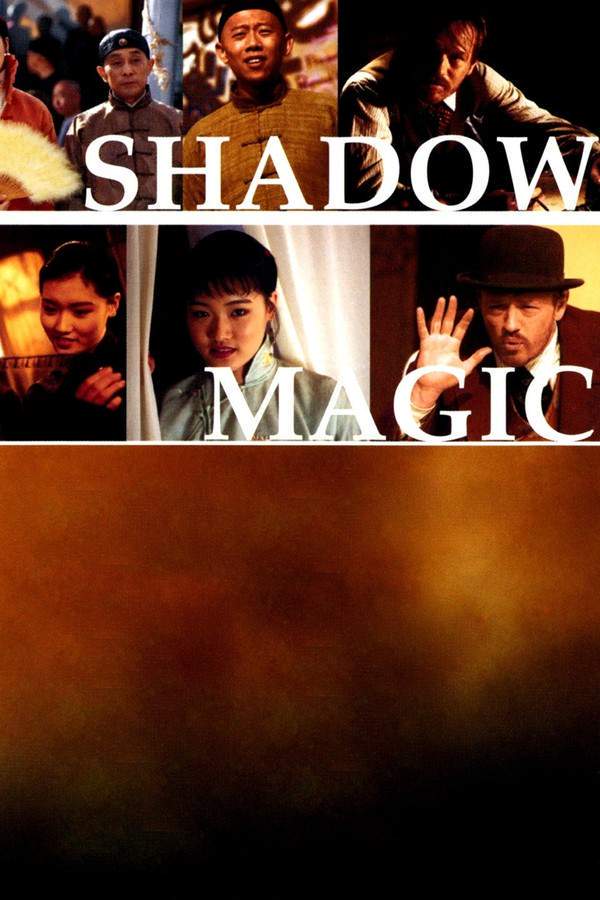
Shadow Magic
Year: 2001
Runtime: 115 min
Language: Chinese
In 1902 Peking, the renowned Feng Tai Photo Shop is abuzz with excitement as opera star Lord Tan is set to perform. Chief photographer Liu Jinglun, preoccupied with Western inventions like a discarded Victrola he salvaged, struggles to balance tradition and innovation. His boss, Master Ren, encourages him to embrace traditional photographic techniques, but Liu is drawn to the possibilities of new technologies and the changing times.
Warning: spoilers below!
Haven’t seen Shadow Magic yet? This summary contains major spoilers. Bookmark the page, watch the movie, and come back for the full breakdown. If you're ready, scroll on and relive the story!
Shadow Magic (2001) – Full Plot Summary & Ending Explained
Read the complete plot breakdown of Shadow Magic (2001), including all key story events, major twists, and the ending explained in detail. Discover what really happened—and what it all means.
In the vibrant backdrop of Beijing in 1902, a young portrait photographer, Liu Jinglun, stumbles upon an extraordinary opportunity that will forever alter the course of his life. He crosses paths with the charismatic Raymond Wallace, an Englishman who has arrived in the city, bringing with him a collection of captivating silent film shorts and the latest motion picture technology. Captivated by the “shadow magic” of cinema, Liu, a self-taught admirer of Western innovations, envisions a revolutionary shift in the local entertainment landscape. Together, Liu and Raymond form an unlikely partnership, united by their shared passion for bringing this enchanting art form to the people of China.
However, their exploratory journey is not without significant obstacles. While many are enraptured by the striking novelty of moving images, a traditionalist faction of Beijing perceives the introduction of this Western phenomenon as a potential threat to their cultural values. As Liu becomes more immersed in his work, his personal life complicates further; he finds himself deeply in love with Ling, the beautiful daughter of the esteemed Beijing Opera star, Lord Tan. Yet, Liu’s humble status as an apprentice photographer renders him unworthy in the eyes of Ling’s elite family, sowing seeds of discontent in his heart.
Caught in a web of expectations, Liu’s family and his business mentor, Master Ren, seek to arrange a union with Jiang, a well-established widow. Liu’s enthusiastic partnership with Raymond and his fervor for innovation create a rift with both his mentor and his father, who view his collaboration with a foreigner as a form of betrayal. Tensions reach a breaking point when the four key figures—Liu, Raymond, Master Ren, and Lord Tan—receive a prestigious invitation to perform at the Forbidden City during the birthday festivities of the Empress Dowager Cixi.
The night’s celebrations unfold amidst a tapestry of music and dance, culminating in the screening of their film. However, chaos erupts when Liu and Raymond’s projector malfunctions, sparking a devastating fire that abruptly ends the festivities. Liu suffers severe burns, while Raymond faces immediate expulsion from China, held accountable for the disaster.
In the aftermath, the Empress Dowager Cixi compassionately acknowledges Liu’s lack of ill intent, yet the incident marks a pivotal moment in his journey. As seasons change, Liu’s physical wounds begin to heal, but the emotional remnants of his tumultuous experiences linger, mirrored by the drifting smoke through the bustling streets. At this critical juncture, Raymond, motivated by nostalgia and the bonds they once forged, sends Liu a thoughtful package containing the nitrate negatives of their collaborative work, reigniting the passion that once fueled their artistic endeavor.
With a rejuvenated sense of purpose, Liu embarks on an ambitious project, determined to breathe life into their shared vision. Faced with technical challenges, he meticulously constructs a film projector, his hands skillfully assembling each part. Finally, he screens their local films in front of a mesmerized audience, who gaze in awe as the magic of motion pictures comes to life before them.
Recognizing his son’s unwavering spirit, Liu’s father decides to embrace and support this newfound ambition. In a tender moment, Ling sneaks into the projection room at night, embodying the idea that love can flourish even amid adversity. As the Beijing inhabitants gradually accept the allure of cinema, their initial reservations dissolve, replaced by admiration for the breathtaking beauty of their homeland captured on screen.
As the film draws to a close, the credits reveal a monumental feat; Liu and Master Ren have made cinematic history as the first Chinese filmmakers to create a motion picture. “Dingjun Mountain,” starring the illustrious Lord Tan, stands as a legendary testament to the power of creativity, perseverance, and the indomitable spirit of the artistic journey.
Last Updated: November 18, 2024 at 21:10

Explore Movie Threads
Discover curated groups of movies connected by mood, themes, and story style. Browse collections built around emotion, atmosphere, and narrative focus to easily find films that match what you feel like watching right now.
Movies about pioneering innovators like in Shadow Magic
Stories about visionaries who bring revolutionary ideas to a skeptical world.Explore films similar to Shadow Magic that center on visionary characters who champion new technologies or art forms. If you liked the story of bringing cinema to China, you'll enjoy these inspiring tales of innovation against the odds.

The Concert
2010
Delicious
2022

Jesus Revolution
2023

Pride and Prejudice
1940

!W.A.R.: !Women Art Revolution
2010

An Adventure in Space and Time
2013

Americanish
2021

Dramatic School
1938

It Happened in Hollywood
1937

Lovers Courageous
1932

Seekers of Happiness
1936

The Black Rose
1950

The Story of Alexander Graham Bell
1939

Miracle of the White Stallions
1963

The Story of Louis Pasteur
1936
Narrative Summary
The narrative typically follows a protagonist's discovery of a new idea, their initial excitement, the conflict with established norms or authorities, a period of trial and setback, and ultimately a hard-won but rewarding validation of their vision.
Why These Movies?
These movies are grouped by their shared focus on the pioneer spirit, the clash between tradition and modernity, and a fundamentally hopeful tone that celebrates human ingenuity and perseverance.
Cultural romance and tender connections like Shadow Magic
Gentle stories where personal connections blossom amidst cultural divides.Find movies like Shadow Magic that weave a gentle romance into a story of cultural encounter. If you enjoyed the tender relationship amidst the dawn of cinema in China, these films offer similar blends of personal and historical change.
Saving Face
2005

The Secret: Dare to Dream
2020

Hope Springs
2012
Old Fashioned
2015
Pride and Prejudice
1940

Love at First Sight
2023

Past Tense
2014
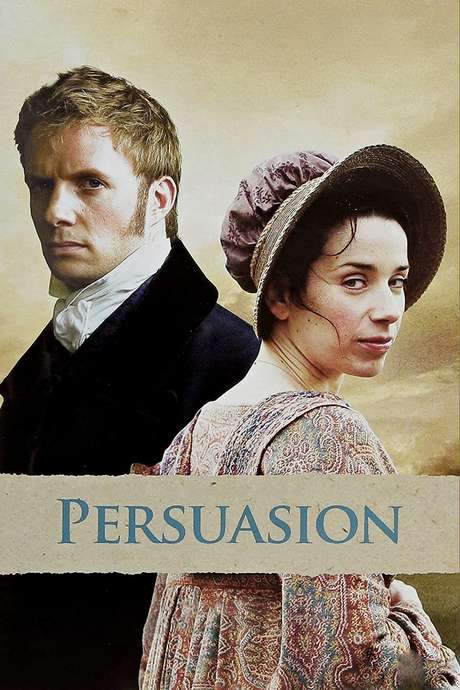
Persuasion
2007

Padamati Sandhya Ragam
1987
Americanish
2021
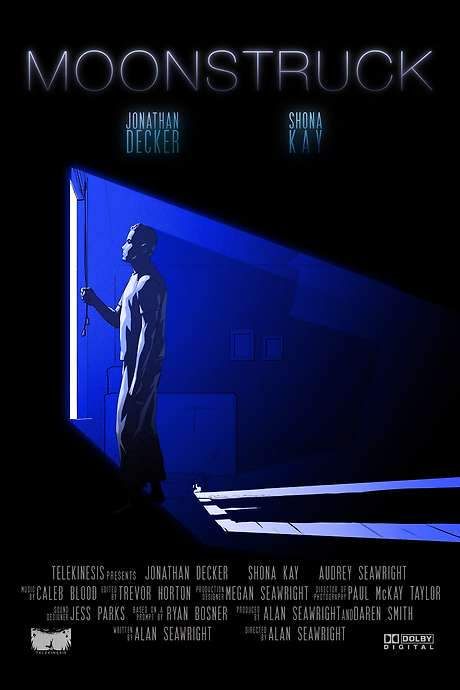
Moonstruck
2022
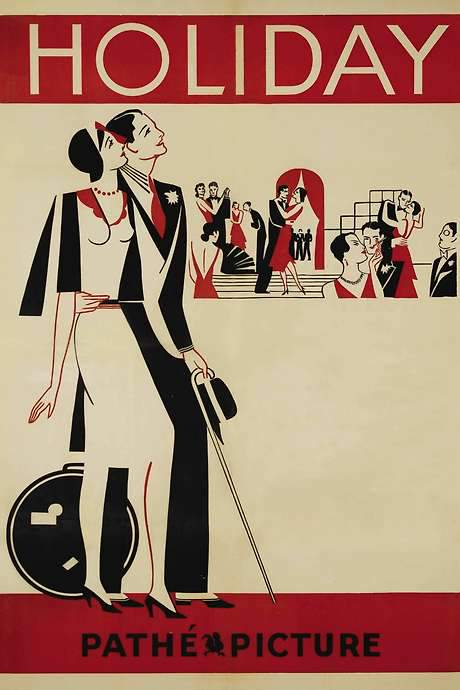
Holiday
1930

Dear Heart
1964
Seekers of Happiness
1936

The Holiday List
2024
Narrative Summary
Stories in this thread often involve a central relationship that symbolizes a larger cultural meeting. The romance or friendship faces external pressures from differing backgrounds, but the emotional connection provides a hopeful core that drives the narrative forward.
Why These Movies?
These films share a specific mood blend: a medium-paced, reflective drama with a significant but not overwhelming romance score, a tender and hopeful feel, and themes of cultural exchange or clash.
Unlock the Full Story of Shadow Magic
Don't stop at just watching — explore Shadow Magic in full detail. From the complete plot summary and scene-by-scene timeline to character breakdowns, thematic analysis, and a deep dive into the ending — every page helps you truly understand what Shadow Magic is all about. Plus, discover what's next after the movie.
Shadow Magic Timeline
Track the full timeline of Shadow Magic with every major event arranged chronologically. Perfect for decoding non-linear storytelling, flashbacks, or parallel narratives with a clear scene-by-scene breakdown.

Characters, Settings & Themes in Shadow Magic
Discover the characters, locations, and core themes that shape Shadow Magic. Get insights into symbolic elements, setting significance, and deeper narrative meaning — ideal for thematic analysis and movie breakdowns.