Plot Explained Spoilers guaranteed!
Plot Explained

Browse by genre

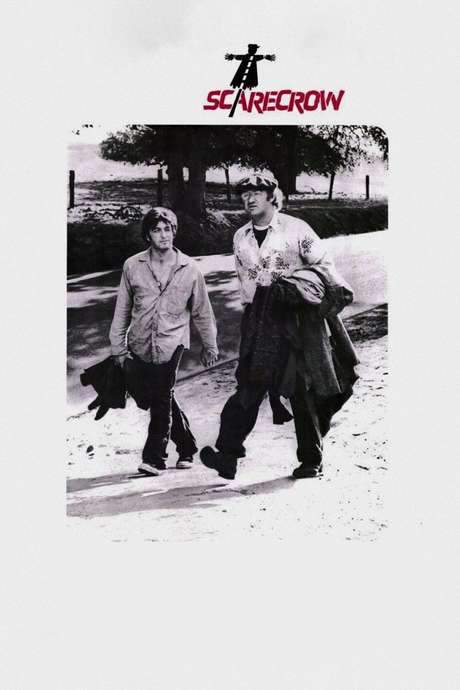
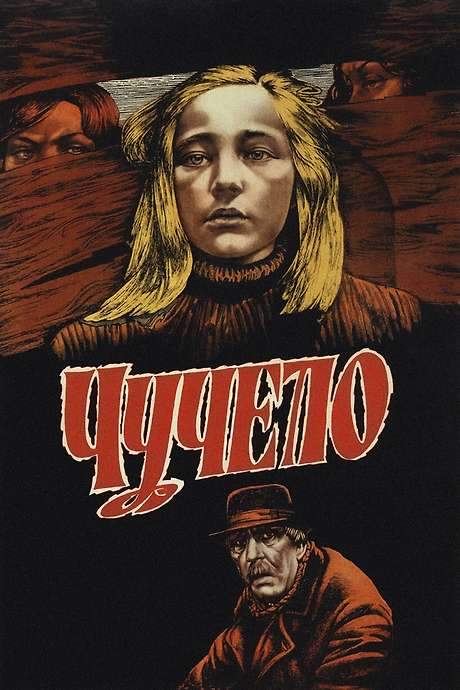
Scarecrow (1984) movie poster

Timeline

Scarecrow (1984) Timeline Explained – Every Event in Order

Release, runtime and language
1984 · 127 mins · Russian
Loading streaming availability…
Starring
Pavel Sanaev, Yuriy Nikulin, Kristina Orbakayte, Svetlana Kryuchkova, Yelena Sanayeva, Rolan Bykov

Lena, a twelve‑year‑old who has moved to live with her grandfather in a small Russian town, becomes the target of her classmates’ bullying. She assumes the blame for a class betrayal after falling in love with the boy who skipped a literature lesson to go to the cinema, causing the whole class to lose a trip to Moscow for the fall holidays. Ostracized and silent, Lena hopes the boy will finally admit his guilt.

On this page (6)
  1. 1 Where to watch
  2. 2 Events in order (12)
  3. 3 Timeline questions answered
  4. 4 Movie threads
  5. 5 Movies like Scarecrow
  6. 6 Every angle
Loading streaming availability…

12 events in order · contains spoilers

Scarecrow Timeline: Events in Chronological Order

Every key event of Scarecrow (1984) in order, scene by scene, with when and where it takes place. Use it to untangle flashbacks, time jumps and parallel storylines, to refresh your memory before the sequel or to find the exact scene you are thinking of.

  1. Lena is bullied at the river and rescued by her grandfather

    Schoolyard tormentors chase Lena to the river's edge, where she is saved by her grandfather. He takes her home and asks what the attack was about, signaling the start of the unraveling story. Lena hesitates, hinting that the real reason will unfold later in flashbacks.

    When
    opening scene
    Where
    river edge
  2. Grandfather hears Lena's full story through flashbacks

    At home, the grandfather questions Lena and she begins to reveal the events behind the bullying. The truth will slowly surface through a series of flashbacks as she recounts what happened at school and why she bears the burden. The protective conversation sets the emotional tone for the rest of the tale.

    When
    shortly after rescue
    Where
    Lena's home
  3. Lena arrives at a new school and earns the nickname 'scarecrow'

    Lena settles into a new school and instantly earns the nickname 'scarecrow' after a clumsy fall in class. The name marks her as an outsider and foreshadows the social drama to come. The school's social order begins to tilt as she garners attention from the popular boy Somov.

    When
    early in the school year
    Where
    new school
  4. Somov and Shmakova dynamics complicate Lena's standing

    Lena takes a liking to Somov, the class hero, while Shmakova, once favored, must move to another desk. The shifting dynamics create tension that fuels much of the film's drama. These rearrangements set the stage for the upcoming accusations.

    When
    early in the school year
    Where
    classroom
  5. Spring break plans and a decision to skip literature for a movie

    The class is excited for an upcoming spring break trip to Moscow and decides to skip a literature lesson to go watch a movie. Somov feels uneasy about the plan and warns them of the consequences. The decision to slip away exposes cracks in the group's unity.

    When
    before spring break
    Where
    classroom / village
  6. Punishment and a self-sacrificing confession

    When the truth comes out, the class loses the Moscow trip as punishment. Iron Tack suspects betrayal and presses Lena to name the traitor. To protect Somov, Lena claims responsibility and admits she told the teacher, triggering a relentless village chase.

    When
    after the movie incident
    Where
    village / school
  7. Chase through the village as the truth hurts Lena

    Following Lena's confession, a terrifying sequence of chases unfolds through the village as the classmates pressure her to reveal more. Somov longs to come clean, but his fear keeps him from speaking. The pursuit forces Lena to confront the village's harsh gaze.

    When
    in the days after confession
    Where
    village streets
  8. Lena confesses to her grandfather and cuts her hair

    Lena recounts the long story of bearing her beloved's guilt to her grandfather. She then goes to the beauty shop, cuts her hair, and later appears at Somov's birthday party with a shaved head. She declares she will leave the village, signaling a dramatic turning point.

    When
    after the confession
    Where
    grandfather's home; beauty shop; Somov's party
  9. Somov confesses to the class; Lena steps in to save him

    Back at school, Somov admits to everyone that he was the one who told the teacher, and he stands at the window threatening to jump. Lena steps in and convinces him to climb away from the ledge. The class acknowledges her toughness and resilience.

    When
    after the party
    Where
    school
  10. A museum gift: grandfather's donation announced

    The teacher greets the class and announces a remarkable gift: Lena's grandfather has donated his home and a priceless artist's paintings, which will become a museum for the collection. The gesture reframes the village's memory of Lena and her family.

    When
    post-confession
    Where
    school
  11. Grandfather collects Lena and leaves a mysterious painting

    The grandfather arrives to collect Lena and leaves a wrapped painting with the class. When unwrapped, it reveals a young woman with Lena-like features and short hair, deepening the emotional impact of the tale.

    When
    end of day
    Where
    school
  12. Shame and forgiveness: 'Scarecrow, forgive us'

    The class processes the revelation with shame as they glimpse the likeness of Lena in the painting. A student writes 'Scarecrow, forgive us' on the chalkboard, signaling a fragile step toward reconciliation.

    When
    closing
    Where
    classroom

Last updated: October 09, 2025 at 14:41

Was this helpful?

Timeline questions answered

Scarecrow Timeline Explained: Your Questions Answered

When does it happen, and why in that order? The questions people ask about the chronology of Scarecrow (1984): time jumps, flashbacks, cause and effect between scenes and the correct order of events, each answered with spoilers.

Q1

Why does Lena take the blame for Somov's betrayal?

Lena confesses to being the traitor to protect Somov, whom she has a crush on. By claiming responsibility, she also hopes that Somov will finally admit his guilt and clear her name. This act of self-sacrifice stems from her belief that his confession would vindicate her sacrifice and prove his genuine feelings for her.

Foreshadowing: Earlier, the film shows Lena watching Somov with admiration, establishing her emotional investment in him.

  • lena
  • somov
  • betrayal
  • confession
  • sacrifice
  • crush
Q2

Why does Somov threaten to jump after finally confessing?

After Somov admits to the class that he was the real traitor, he is overwhelmed by shame and cannot face the consequences of his actions. Standing at the window ledge represents his realization that he has lost everything, his reputation, his friendships, and Lena's respect. His breakdown shows the weight of the lie he carried far longer than Lena ever did.

Foreshadowing: Somov's unease during the movie planning scene and his nervous demeanor hint at his inability to handle guilt.

  • somov
  • confession
  • suicide
  • shame
  • guilt
  • window
Q3

What does the painting of the short-haired woman represent?

The painting shows a young woman with short hair that bears a striking resemblance to Lena after she cuts her hair. Lena's grandfather, Nikolay, deliberately leaves this painting for the class to see. It serves as a powerful visual statement, comparing Lena's forced transformation to a work of art, reframing her shaved head not as shame but as something beautiful and worthy of preservation.

Foreshadowing: Lena's haircut happens after she decides to leave the village behind, making it a deliberate choice rather than a loss.

  • painting
  • short hair
  • grandfather
  • art
  • resemblance
  • museum
Q4

Why does Lena cut her hair before going to Somov's party?

After confessing everything to her grandfather, Lena goes to the beauty shop and has her head shaved. She then appears at Somov's birthday party with this dramatic new look as a statement of defiance. By voluntarily cutting her hair before anyone could shame her for it, Lena takes control of her own image and signals that she is leaving the village and its cruelty behind.

Foreshadowing: The village women at the beauty shop watch silently, suggesting something significant is happening.

  • lena
  • haircut
  • shaved head
  • party
  • defiance
  • leaving
Q5

What triggers the bullying against Lena at school?

Lena earns the nickname "scarecrow" after falling clumslessly in front of the class on her first day. The cruelty escalates when she dares to show interest in Somov, the most popular boy, disrupting the established social order. Shmakova, who was previously favored by Somov, must move desks, and the class collectively turns against Lena for upsetting their hierarchy.

Foreshadowing: The nickname "scarecrow" immediately marks her as an outsider and target.

  • bullying
  • nickname
  • scarecrow
  • somov
  • social order
  • outsider
Q6

Why doesn't Somov admit to the class that he was the traitor?

Somov lacks the courage to confess because he fears losing his status as the class hero and being ostracized like Lena. When Lena takes the blame, he stays silent out of cowardice, even as she faces relentless pressure and village-wide persecution. His promise to tell the truth never materializes until much later, and by then the damage to Lena is done.

Foreshadowing: Somov's guilty expression and nervous warnings about skipping class hint at his weak character.

  • somov
  • confession
  • cowardice
  • hero
  • silence
  • betrayal
Q7

What is the significance of the grandfather's museum donation?

Lena's grandfather donates his home and a priceless collection of paintings by a famous artist who once lived in the village. This act completely reframes how the village sees Lena and her family, not as outcasts, but as cultural benefactors. The donation transforms the memory of Lena from a bullied outsider to someone worthy of respect, providing her with a form of vindication.

Foreshadowing: The grandfather has been quietly protective throughout, and this gift represents his ultimate defense of Lena's honor.

  • grandfather
  • museum
  • donation
  • paintings
  • village
  • vindication
Q8

Why does the class write "Scarecrow, forgive us" on the chalkboard?

After seeing the painting of the short-haired woman that resembles Lena, the students realize the cruelty of their actions. One student writes "Scarecrow, forgive us" on the chalkboard as a public admission of guilt and a step toward collective forgiveness. This moment represents the class's recognition that Lena was not the villain they made her out to be.

Foreshadowing: The painting's reveal directly parallels Lena's transformed appearance, making the connection undeniable.

  • forgiveness
  • chalkboard
  • class
  • apology
  • painting
  • shame
Q9

How does Lena save Somov from jumping off the ledge?

When Somov stands at the window threatening to jump after his confession, it is Lena who talks him down. She convinces him to step away from the ledge, showing grace despite everything he put her through. The class then praises Lena for her strength and resilience, acknowledging that she is the one who truly saved the situation.

Foreshadowing: Lena has already shown tremendous courage by taking the blame and cutting her hair.

  • lena
  • somov
  • ledge
  • save
  • jump
  • confession
Q10

What does the nickname "scarecrow" mean in the film?

Lena gets nicknamed "scarecrow" after falling awkwardly in class, making her an instant target for mockery. The name reflects her status as an outsider in the village social hierarchy. By the end, when the painting reveals a woman who looks like Lena with short hair, the "scarecrow" label is inverted, she becomes something worthy of admiration rather than ridicule.

Foreshadowing: The nickname is introduced immediately upon her arrival at the new school.

  • scarecrow
  • nickname
  • outsider
  • mockery
  • village
  • meaning

Movie threads

More Movies Like Scarecrow, by Mood & Story

Curated lists built around what makes Scarecrow tick: the same mood, the same kind of story or the same emotional payoff. Each list explains why these movies belong together.

Stories of Bittersweet Moral Resilience like Scarecrow

Stories where characters endure hardship by standing up for what is right, ending with a mix of pain and hope. If you liked the quiet strength and difficult choices in Scarecrow, explore more movies like it. These films focus on personal integrity under pressure, often set in restrictive communities, and deliver emotionally resonant, bittersweet conclusions that honor the character's journey.

  • bittersweet
  • melancholic
  • hopeful
  • tense
  • lonely
  • redemptive
  • Tone: bittersweet, melancholic, hopeful
  • Pacing: steady, character-driven
Why these movies?

The story pattern: Narratives in this thread typically follow a protagonist, often young or vulnerable, who makes a morally correct but socially costly decision. They endure a period of isolation or punishment before reaching a conclusion that offers validation and a measure of redemption, though the emotional scars of the experience remain.

Why they belong together: Movies are grouped here because they share a core focus on the theme of integrity versus peer pressure, a steady, character-driven pacing that allows the emotional weight to build, and a definitive bittersweet tone that balances the pain of consequence with the dignity of resilience.

Intimate Dramas of Childhood Struggle like Scarecrow

Films that delve into the lonely, tense world of a child facing bullying or social exclusion. For viewers who appreciated Scarecrow's authentic depiction of school bullying and isolation, this section finds similar movies. These coming-of-age stories capture the intense, personal perspective of a young protagonist navigating a hostile social environment, often with limited adult intervention.

  • bleak
  • tense
  • melancholic
  • lonely
  • oppressive
  • childhood
  • Tone: bleak, tense, melancholic
  • Pacing: steady, linear
Why these movies?

The story pattern: The narrative pattern centers on a young protagonist who becomes the target of systemic bullying or social exclusion within a small, closed community like a school or town. The story is told largely from their perspective, emphasizing the psychological torment and loneliness, while often introducing a key supportive figure or a moment of quiet defiance that defines their emotional arc.

Why they belong together: These films are grouped by their shared, immersive mood of childhood melancholy and tension, their straightforward narrative focus on a single child's plight, and their handling of difficult themes like bullying with a medium intensity that is impactful without being gratuitously violent.

If you liked this

Movies Like Scarecrow

Similar movies to Scarecrow: the same genre, themes or kind of story. Each one comes with its own plot summary, timeline and ending explained.

Browse all movie summaries

Every angle

Scarecrow (1984) Explained: Plot, Timeline & Characters

Everything about Scarecrow in one place: what happens in the plot summary, the timeline in chronological order, the characters and meaning and a spoiler-free summary. What's After the Movie adds the cast, box office and post-credit scenes.

Coming soon on iOS and Android

The Plot Explained Movie Summary App

Plot summaries, endings explained and timelines on your phone. Catch up on any movie in minutes, save your favorites and never miss a twist again.

Be the first to know when we launch. Your email stays private, always.

Learn more about the app