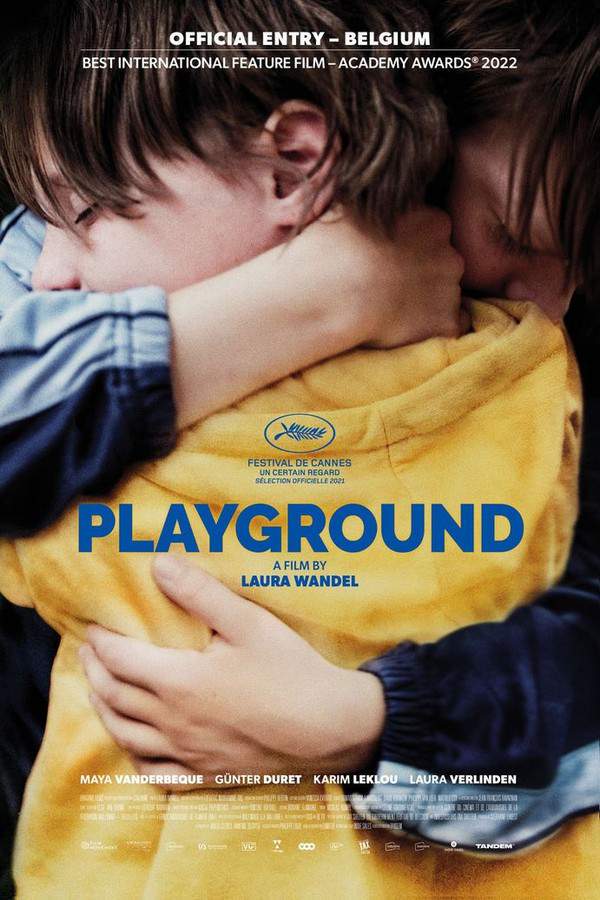
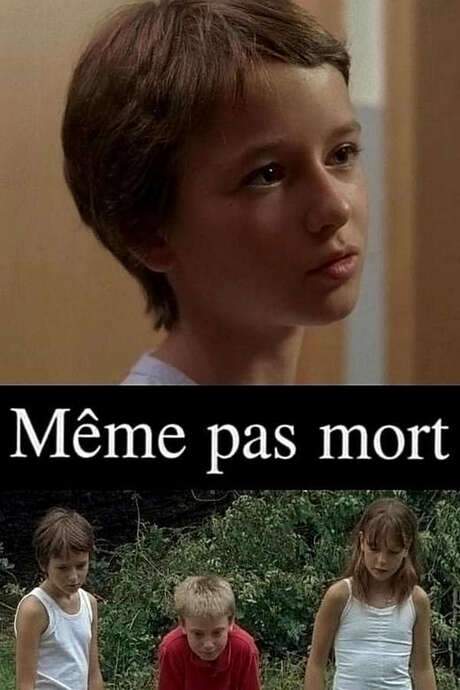
Nora Maya Vanderbeque is a bright, young elementary school student who shares a close bond with her older brother Günter Duret Abel as they navigate the social currents of their classroom and the wider school world. The siblings rely on each other as they move through friendships, games, and the subtle power dynamics that shape kid life, especially in how peers treat Abel. Together they must figure out how to read the room, how to stand up for one another, and how to survive a system that often feels stacked against them.
Abel is targeted by bullies led by a much taller Antoine Simon Caudry, a boy whose insolence even crosses the line with teachers. The intimidation isn’t a one-off moment but a pattern that follows Abel through hallways and classrooms, casting a shadow over his days. Nora watches in growing concern as the pressure mounts, yet she struggles to understand why Abel refuses to admit to adults that he is being bullied. Abel repeatedly advises Nora to stay out of it and avoid confronting the problem directly, insisting that any intervention could make things worse.
The situation stretches beyond Abel’s experience of fear and discomfort to influence the social fabric of the entire class. Nora’s peers are not particularly supportive, and the sense of isolation around Abel deepens. When their father presses Nora to explain why Abel is despondent and reluctant to go to school, she confesses that he is being bullied. Le père Karim Leklou confronts the bullies, but Abel remains wary of his father’s intervention, resisting any open alliance with adults. He warns Nora that if she gets involved, there could be consequences for her as well.
Nora’s attempts to help are complicated by Abel’s stubborn logic and his fear of escalating the harassment. She witnesses Abel being tormented again, and his warnings to stay detached complicate their relationship. The pain of the bullying becomes personal for Nora, who is torn between wanting to defend her brother and respecting his demand to stay out of it. Abel’s injury is noticed, and both Nora and their father are alerted to the severity of the situation. The emotional toll is heavy: Nora feels guilt and sadness as she processes that her attempts to help may have inadvertently worsened Abel’s predicament.
Their teacher, Mme Agnès Laura Verlinden, tries to console and guide them through the turmoil. She talks with Nora about the limits of intervention and the ways that trying to fix a problem can sometimes complicate it further. Nora explains the frustration she feels—that her best intentions have contributed to more trouble—and Mme Agnès offers patience and perspective, helping Nora articulate the complicated emotions she’s navigating.
As the drama unfolds, Nora’s social standing among her peers shifts. Her playmates express disdain for Abel, and Nora begins to detach emotionally from him in an effort to preserve her own social position, even as she still cares deeply about him. After a tense meeting with the bullies and their parents, Antoine and the others begrudgingly apologize, and there is a sense of uneasy closure. Nora makes an effort to reintegrate into her social circle, participating in class, physical education, and playground activities, but she learns that Abel’s experience of bullying has had a ripple effect on her own status within the classroom.
Madame Agnès announces that she is moving away from the school, a revelation that leaves Nora heartbroken. She presents her teacher with a drawing of the two of them as a keepsake, and Mme Agnès offers comfort as she prepares to leave. The farewell unsettles Nora, and when she spots Abel in the playground, a surge of emotion erupts—she confronts him in a moment of anger, recognizing that his social standing has altered her world as well. With the departure of her supportive teacher looming, Nora’s posture hardens, and she and Abel collide in a moment of raw, unguarded emotion. A physical struggle ensues: Nora shoves Abel, who grapples with her, and they trade blows until their movements falter and the intensity begins to soften.
In the classroom, Nora’s struggle continues as she obstinately disobeys a teacher and is removed from the room. She later sees Ismael, a friend of Abel’s, and tries to talk to him, but Ismael is wary and avoids contact. The tension between the siblings intensifies as Abel and Nora share a painful silence, a grim reminder that their world—the world of adults and the world of children—often do not align.
A photo day brings a chilling reminder of the social bonds they’re navigating: Nora and Abel sit together, awkward and uneasy. On the playground afterward, Nora plays alone when she witnesses Abel and another boy bullying Ismael. She does not intervene at first, but a question lingers: why would Abel participate in this cruelty? He eventually opens up, admitting that he sometimes prefers being the aggressor to the possibility of being bullied himself.
The stakes heighten on another day when Antoine and Abel team up to bully Ismael, even as Nora’s sense of justice compels her to act. A dangerous moment arrives when they place a plastic bag over Ismael’s head. Nora rushes to intervene, pleading for them to stop and pulling at Abel in a desperate bid to halt the harm. She grips him from behind, trying to interrupt the cruelty, even as he resists. The moment of exhaustion and truth comes when Abel finally stops, overwhelmed by the realization of what is happening to Ismael. He turns to embrace his sister, their shared fatigue and love guiding them toward a fragile, renewed bond.
Throughout, the two siblings experience a cautionary education about power, loyalty, and resilience. The film observes how children learn to read adult rules and how those rules often clash with the unwritten, messy truths of childhood friendships. It tracks the quiet, persistent ache of watching someone you love struggle, and the slow hardening that can come when adults move in and out of the scene. Yet it also preserves a thread of tenderness: in moments of danger, in the ache of farewell, and in the final, fragile embrace between a sister and brother who choose to hold on to each other despite the currents that pull them apart. The result is a compassionate, unsentimental portrait of childhood trauma, resilience, and the uneasy intersection between the worlds of grown-ups and kids.