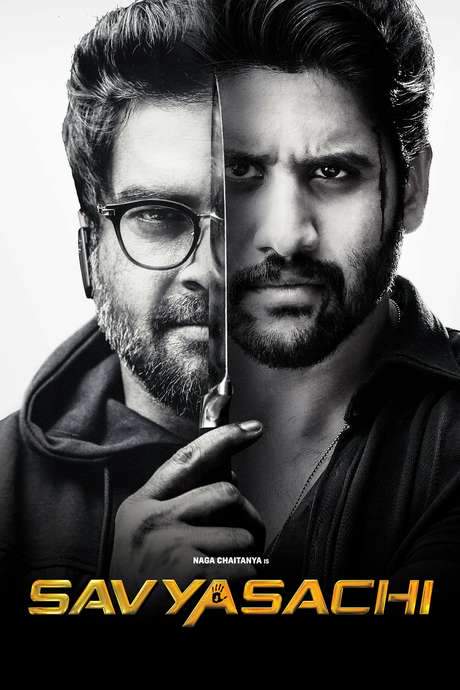
The protagonist discovers he shares a mysterious connection with a twin brother lost to Vanishing Twin Syndrome, a condition that manifests through control of his left hand. As his life is threatened, an unseen and previously unknown twin brother emerges to protect him, acting as an invisible shield against danger.
Find where to stream, rent, or buy Savyasachi (2018) in the US with current JustWatch availability, up-to-date pricing, and platform listings for subscription, rental, and digital purchase options.
Warning: spoilers below!
Haven’t seen Savyasachi yet? This summary contains major spoilers. Bookmark the page, watch the movie, and come back for the full breakdown. If you're ready, scroll on and relive the story!
Read the complete plot breakdown of Savyasachi (2018), including all key story events, major twists, and the ending explained in detail. Discover what really happened, and what it all means.
Vikram Aditya is the sole survivor of a bus crash that claims 21 lives, and he lives with a rare condition known as vanishing twin syndrome. This condition ties him to his invisible twin brother, Aditya, who seems to influence his left hand and blur the line between memory and reality. The setup blends a tense personal struggle with a mystery that unfolds as Vikram tries to reclaim control of his life.
Months after the accident, Vikram becomes an advertisement director, working closely with his loyal assistant Kittu. Kittu lands him a client in Chitra, a former college love, and Vikram channels his creative energy into a bold ad that sweeps through the 1980s and 1990s in look and feel. The project gains momentum, and an American firm invites him to shoot abroad, with Kittu stepping up as director. The experience in America rekindles Vikram’s connection with [Chitra], adding a personal dimension to his professional triumphs.
Back home, disaster strikes: the house explodes in a gas-cylinder blast, and Vikram learns that his sister Siri’s husband, Arun Raj Varma, and his beloved niece Maha Maha died in the incident. Grief gives way to a dangerous spark of determination as Vikram discovers Maha is still alive but has been kidnapped. With police support scarce, he plunges into the search, driven by anger and a desperate need to rescue his family.
Seeking clues, Vikram encounters a DNA doctor who reveals that the kidnapper’s actions are tied to a hidden past. The doctor is played by Rao Ramesh, and his findings push Vikram to chase the kidnapper through a string of destinations while the villain chants a steady rhythm. At one point, a sedated bottle in a train car nearly derails him, and the path of clues leads to a shocking realization about his own identity and history. The stakes deepen as Vikram recalls a series of scattered memories and pieces together a clue that finally points to the first letter of his real name: A.
Armed with this revelation, Vikram investigates the places he was shown and uncovers a dusty back window marked by the number 21. He confronts Arun, whose men beat him, but the invisible twin awakens a surge of protection as Aditya intervenes to help. The showdown takes place at Arun’s hideout, where a brutal fight unfolds. Maha’s life hangs in the balance as she nears a dangerous machine, and Vikram strains every nerve to pull her away. In a tense rescue, Vikram catches Maha just as she tumbles, and Arun’s retaliation culminates in a deadly struggle: Aditya seizes the moment and throws the villain’s anchor back at him, a fatal blow that ends Arun’s threat.
Before Arun dies, Vikram offers a stark moral line: “The person who creates change is a good person, but a person who destroys humanity is evil.” The victory comes with a bitter aftertaste, as Vikram praises Aditya for saving him, but the twin’s presence continues to unsettle the family’s fragile peace. He pleads with Chitra to tell her about the syndrome, hoping she will understand, but her anger prompts her to walk away. The film closes on a note of unresolved tension between Vikram and his invisible other, a reminder that even triumphs can be compromised by the tangled past that still follows him.
Last updated: February 25, 2026 at 08:10
Explore frequently asked questions about Savyasachi (2018) with spoiler-rich answers covering the full plot summary, major story beats, character motivations, hidden details, and ending meaning. This movie summary FAQ helps explain confusing scenes, plot twists, and narrative decisions in clear, searchable detail.
Vanishing twin syndrome is a condition where one twin absorbs the other during pregnancy. In the film, Vikram's twin Aditya was absorbed but remained attached to him spiritually. Aditya manifests through control of Vikram's left hand, occasionally taking over his body to protect him from danger. This invisible twin serves as both a psychological trait and a literal protective force throughout the story.
The bus crash scene first reveals Aditya's presence when Vikram's left hand moves on its own, foreshadowing the twin connection.
Arun Raj Varma was Siri's former fiancé who was left at the altar when Siri married someone else. This betrayal fueled his deep-seated vengeance against the family. Rather than directly hurting Siri, he targeted her brother Vikram by kidnapping Maha to inflict maximum emotional pain and exact revenge for being abandoned.
The timeline notes that Siri almost married Arun before choosing someone else, hinting at the motive.
The number 21 refers to the 21 passengers who died in the bus crash that Vikram survived. This number becomes a crucial clue when Vikram discovers it written on a dusty back window during his investigation. The number represents both his guilt as the sole survivor and serves as a marker left by Arun to guide Vikram to the truth.
The bus crash involving 21 passengers is the opening incident that sets the entire story in motion.
Vikram pieces together the clues after meeting a DNA doctor who reveals the kidnapper spoke like a villager on the day Vikram's pregnant wife was admitted to the hospital. He then recalls the destinations the kidnapper forced him to visit while chanting, realizes his name starts with 'A', and connects this to Arun Raj Varma, his sister Siri's former fiancé. The father later confirms Arun's motive for vengeance.
Chitra leaves because Vikram finally reveals his vanishing twin syndrome condition to her, but she cannot accept or understand it. Her anger stems from feeling deceived about something so fundamental to his identity. The film ends with their relationship fractured, adding to Vikram's isolation despite defeating the villain and saving Maha.
Chitra's reaction mirrors the film's ongoing theme of the twin being an unsettling, misunderstood presence.
The house explosion was orchestrated by Arun Raj Varma as part of his revenge plan. He planted a bombed gas cylinder in Vikram's home, causing the blast that killed Vikram's brother-in-law and his niece Maha. However, Maha actually survived but was kidnapped by Arun to further torment Vikram, creating the false impression that she died in the explosion.
The timeline hints at "larger, unseen forces at work" after the tragedy, foreshadowing the intentional nature of the explosion.
During the confrontation at Arun's hideout, Aditya repeatedly takes control of Vikram's body to intervene关键时刻. When Arun's men attack, Aditya fights them off. When Arun knocks Vikram down with a statue, Aditya breaks Arun's hand. Most critically, Aditya throws Arun's own anchor back at him, delivering the fatal blow that kills the villain and saves Maha from falling onto the dangerous machine.
Throughout the film, Vikram's left hand moves involuntarily, building to these decisive interventions.
The kidnapper forced Vikram to run through a series of destinations while constantly chanting devotional songs. This was designed to disorient and exhaust him, making it easier to control his movements. At one point, the kidnapper drugged the water in a local train car, causing Vikram to fall asleep. Chitra eventually found and rescued him, but the ordeal was designed to keep Vikram busy while the kidnapper's true identity remained hidden.
The chanting appears early as a mysterious element that eventually ties to Arun'svillain strategy.
Arun was originally engaged to marry Vikram's sister Siri, but she left him at the altar and married someone else. This public betrayal made Arun vengeful. Rather than confronting Siri directly, he targeted her brother Vikram through calculated acts of violence, the house explosion, the kidnapping of Maha, to make Siri experience the same loss and pain he felt.
Timeline item 9 reveals the father explains that "not marrying Siri fueled a hunger for vengeance."
Before delivering the final blow, Vikram tells Arun: "The person who creates change is a good person, but a person who destroys humanity is evil." This line encapsulates the film's theme that while revenge may seem justified to the wronged party, resorting to destruction and harming innocent people (like a child) crosses into evil. Vikram acknowledges his own capacity for violence while drawing a moral line.
The film's tension between vengeful actions and moral boundaries runs throughout the narrative.
The DNA doctor reveals that the kidnapper spoke like a villager on the specific day Vikram's pregnant wife was admitted to the hospital. This clue narrows down the suspect pool to someone with personal knowledge of Vikram's family history. Combined with the realization that the kidnapper's name starts with 'A', Vikram connects these dots to identify Arun Raj Varma as the perpetrator.
The doctor dies the next day, adding urgency and confirming someone powerful is behind the crimes.
Vikram was the sole survivor of a bus accident that killed 21 passengers. This survivor guilt haunts him throughout the film and connects to the number 21 that appears during his investigation. Being the only one to live when so many died creates deep psychological trauma that the film explores through his relationship with his invisible twin Aditya.
The film opens with the bus crash, establishing survivor guilt as Vikram's core emotional wound.
Discover curated groups of movies connected by mood, themes, and story style. Browse collections built around emotion, atmosphere, and narrative focus to easily find films that match what you feel like watching right now.
Thrillers where a hidden supernatural bond threatens and protects the protagonist.If you enjoyed the unique premise of Savyasachi, explore more movies like it featuring supernatural connections, invisible protectors, and psychological thrillers where identity is split or shared.
Stories in this thread typically involve a protagonist who learns they are not alone, psychologically or supernaturally. An unseen force, often tied to a twin or a fragmented psyche, intervenes in their life, leading to a plot driven by external threats and internal instability. The narrative explores themes of identity, fate, and the power of an inseparable bond.
These movies are grouped by their core supernatural conceit: a protagonist linked to an invisible or hidden twin/entity. They share a tense, high-intensity mood where the bond is both a curse and a saving grace, creating a unique blend of psychological unease and action-oriented protection.
High-stakes stories where characters are thrust into a non-stop fight for survival.For viewers who liked the non-stop action and high-tension pace of Savyasachi, this list includes similar fast-paced movies about kidnapping, revenge, and desperate fights for survival against overwhelming odds.
The narrative pattern is a chain reaction of dire events—kidnappings, chases, explosions—that give the protagonist no time to breathe. The plot is a linear, escalating series of threats that must be overcome through sheer will and frantic action, often culminating in a final confrontation that resolves the immediate danger but leaves emotional scars.
These films are united by their frantic pacing and high intensity. They create a sense of breathless urgency, placing the viewer directly in the protagonist's desperate struggle. The shared experience is one of constant suspense and adrenaline-fueled survival against a ticking clock.
Don't stop at just watching - explore Savyasachi in full detail. From the complete plot summary and scene-by-scene timeline to character breakdowns, thematic analysis, and a deep dive into the ending - every page helps you truly understand what Savyasachi is all about. Plus, discover what's next after the movie.
Track the full timeline of Savyasachi with every major event arranged chronologically. Perfect for decoding non-linear storytelling, flashbacks, or parallel narratives with a clear scene-by-scene breakdown.
Discover the characters, locations, and core themes that shape Savyasachi. Get insights into symbolic elements, setting significance, and deeper narrative meaning - ideal for thematic analysis and movie breakdowns.
Discover movies like Savyasachi that share similar genres, themes, and storytelling elements. Whether you’re drawn to the atmosphere, character arcs, or plot structure, these curated recommendations will help you explore more films you’ll love.
Savyasachi (2018) Scene-by-Scene Movie Timeline
Savyasachi (2018) Movie Characters, Themes & Settings
Savyasachi (2018) Spoiler-Free Summary & Key Flow
Movies Like Savyasachi – Similar Titles You’ll Enjoy
Seconds Apart (2011) Complete Plot Breakdown
Brothers ... Blood Against Blood (2015) Full Movie Breakdown
Twinsanity (2018) Full Summary & Key Details
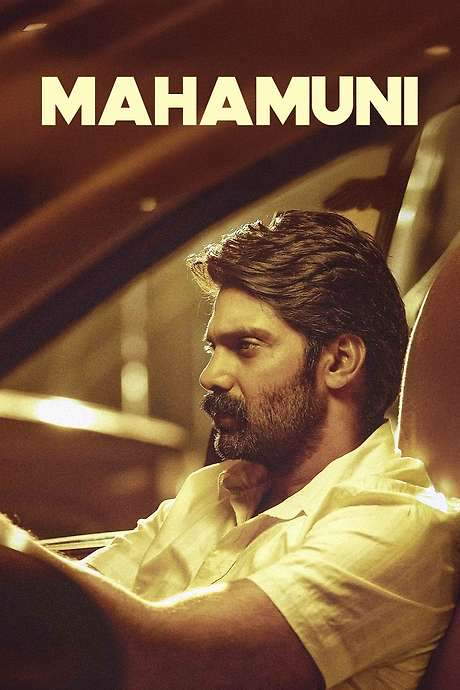
Magamuni (2019) Spoiler-Packed Plot Recap
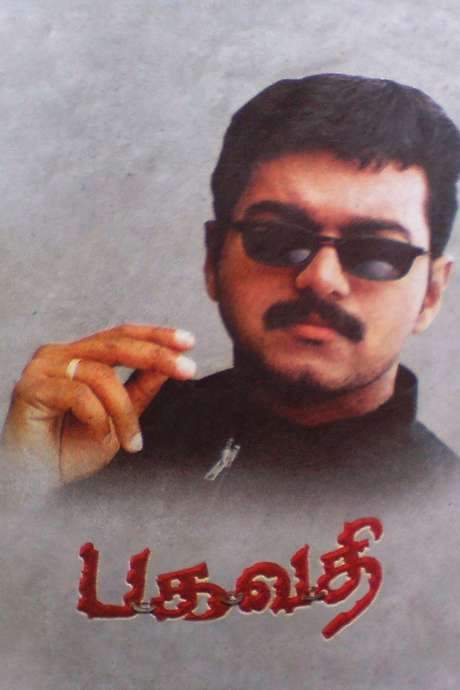
Bagavathi (2002) Film Overview & Timeline
Sivakasi (2005) Detailed Story Recap
Bloody Brothers (2003) Ending Explained & Film Insights
Thirupaachi (2005) Movie Recap & Themes
Savaal (1981) Full Movie Breakdown
Siva (1989) Plot Summary & Ending Explained
Apoorva Sagodharargal (1989) Full Movie Breakdown
Nishchaiy (1992) Complete Plot Breakdown
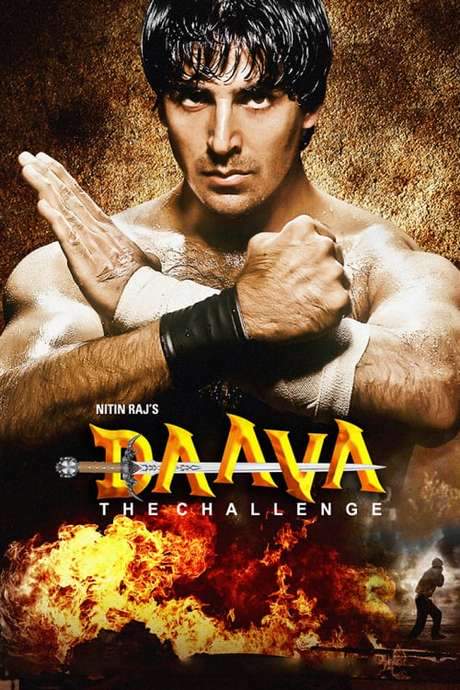
Daava (1997) Complete Plot Breakdown
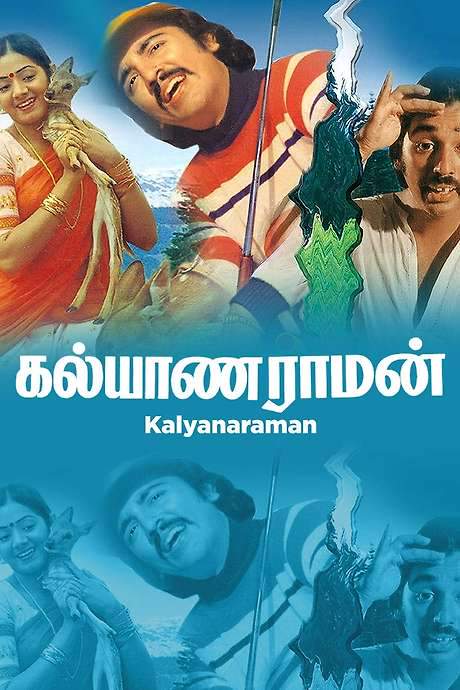
Kalyanaraman (1979) Full Movie Breakdown
Bhola Shankar (2023) Film Overview & Timeline