Plot Explained Spoilers guaranteed!
Plot Explained

Browse by genre

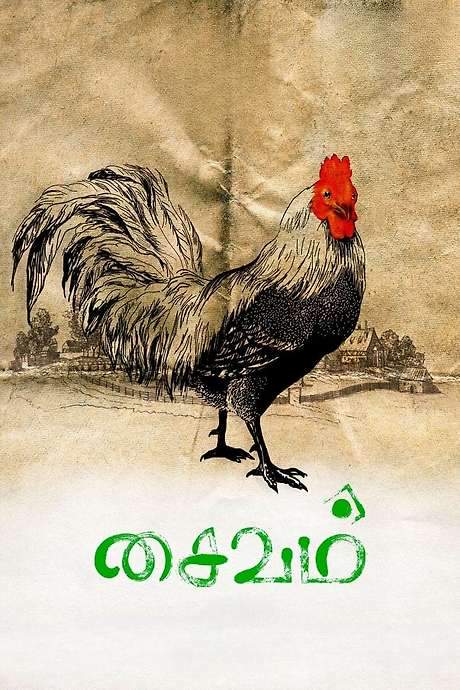
Saivam (2014) movie poster

Timeline

Saivam (2014) Timeline Explained – Every Event in Order

Release, runtime and language
2014 · 120 mins · Tamil
Directed by
A. L. Vijay
Starring
Sara Arjun, Saivam Ravi, Nassar, Rajyalakshmi, Suresh, Shanmugarajan

Young Tamizhselvi is cherished by the Kathiresan family, and shares a special bond with her pet rooster, Paapa. However, her grandfather, Kathiresan, intends to sacrifice Paapa to their family’s deity, hoping to bring prosperity. When the beloved rooster mysteriously disappears, the family must navigate unexpected events and confront challenges that test their faith and relationships.

On this page (4)
  1. 1 Events in order (11)
  2. 2 Timeline questions answered
  3. 3 Movie threads
  4. 4 Every angle

11 events in order · contains spoilers

Saivam Timeline: Events in Chronological Order

Every key event of Saivam (2014) in order, scene by scene, with when and where it takes place. Use it to untangle flashbacks, time jumps and parallel storylines, to refresh your memory before the sequel or to find the exact scene you are thinking of.

  1. Family vacation at Kathiresan's house

    Kathiresan Chettiyar leads a large family of three sons and a daughter with their spouses as they gather at his house for a vacation. The atmosphere mixes warmth with underlying tensions as old feuds and duties surface. This setting establishes the family dynamic that drives the later events.

    When
    start of vacation
    Where
    Kathiresan's house
  2. Temple visit and superstition about a missing ritual

    During a temple trip, the family blames their misfortunes on the lack of a ritual sacrifice involving a rooster. Accusations fly as each member points to another as responsible for bad luck at home and work. The belief seeds the plan to appease the gods with Paappa, the pet rooster.

    When
    during temple visit
    Where
    Temple
  3. Plan to sacrifice Paappa the rooster

    Kathiresan announces the intention to sacrifice Paappa at the upcoming festival, insisting that the ritual will resolve the family's problems. The others reluctantly agree, rationalizing the act as a necessary appeasement. The goal is to restore balance and peace through tradition.

    When
    before festival
    Where
    Home
  4. Paappa disappears

    The pet rooster vanishes suddenly, leaving the family stunned and anxious about the looming sacrifice. The disappearance triggers a scramble to locate Paappa before the ritual can take place. Fear of the consequences drives the family's urgency.

    When
    after decision
    Where
    Home
  5. Tamizhselvi hides Paappa in the attic

    Tamizhselvi, Kathiresan's granddaughter, hides Paappa in the attic to save it from slaughter, because she cannot bear to see the bird killed. Her act reveals a strong maternal bond with the pet and introduces the moral tension between tradition and compassion. The attic becomes a hidden sanctuary for the rooster.

    When
    immediately after disappearance
    Where
    Attic
  6. Family searches for Paappa while blame shifts

    The family splits their focus between frantic search efforts and finger-pointing, each member blaming others for the rooster's disappearance. They debate whether to proceed with the ritual or to abandon it in light of Paappa's absence. The home becomes a battleground of loyalty, fear, and ritual obligation.

    When
    during search
    Where
    House
  7. Tamizhselvi pleads to spare Paappa

    Tamizhselvi continues to advocate for Paappa’s life, arguing that mercy and compassion should guide the family’s choices. Her pleas deepen the moral conflict as characters weigh tradition against empathy. Her persistence shifts the conversation away from blind ritual toward preservation of life.

    When
    during search
    Where
    House
  8. Tamizhselvi convinces the family to not kill Paappa

    Eventually, Tamizhselvi convinces the family to abandon the planned slaughter, asserting that a deity who cares about one species should not allow harm to others either. This turning point reframes the conflict from ritual necessity to ethical consideration. The decision redirects the family’s path toward compassion.

    When
    climax
    Where
    House
  9. Realization of the moral: all beings deserve care

    With Paappa spared, the family reframes their beliefs to include mercy for animals. The narrative emphasizes that respect for life extends beyond human concerns. The mid-point moral shift lays groundwork for a broader change in behavior.

    When
    post-confrontation
    Where
    House
  10. Mid-credits scene: turning vegetarian

    In the mid-credits moment, the family recognizes the truth of Tamizhselvi’s stance and resolves to stop harming any creature. They choose vegetarianism as a practical expression of their new ethic. The scene signals a hopeful, lasting change for the family.

    When
    mid-credits scene
    Where
    Home
  11. Epilogue: living without harming animals

    The family’s new ethos lingers beyond the attic and the festival, as they navigate daily life with a commitment not to harm animals. Paappa’s fate becomes a catalyst for a broader lifestyle change. The ending reinforces the film’s moral about compassion.

    When
    after resolution
    Where
    Home

Last updated: March 05, 2026 at 18:42

Was this helpful?

Timeline questions answered

Saivam Timeline Explained: Your Questions Answered

When does it happen, and why in that order? The questions people ask about the chronology of Saivam (2014): time jumps, flashbacks, cause and effect between scenes and the correct order of events, each answered with spoilers.

Q1

Why does Kathiresan want to sacrifice Paappa?

Kathiresan believes the family's recent misfortunes at home and work are caused by neglecting a traditional ritual sacrifice. During a temple visit, the family decides that sacrificing their pet rooster Paappa at the upcoming festival will appease the gods and restore their luck. The elders insist this centuries-old practice is necessary to bring prosperity back to the family.

Foreshadowing: The temple visit early in the film plants the seed of superstition that drives the entire conflict.

  • kathiresan
  • paappa
  • sacrifice
  • ritual
  • superstition
  • temple
Q2

Why does Tamizhselvi hide Paappa in the attic?

Tamizhselvi has a deep emotional bond with Paappa and cannot bear the thought of the rooster being killed. When her grandfather announces the plan to sacrifice Paappa, she secretly hides the bird in the attic to protect it from slaughter. Her act represents a child standing up against tradition to defend a living creature she loves.

Foreshadowing: Tamizhselvi's immediate distress at the sacrifice announcement foreshadows her courageous decision to hide Paappa.

  • tamizhselvi
  • paappa
  • attic
  • hide
  • protection
  • love
Q3

How does Tamizhselvi convince the family to spare Paappa?

Tamizhselvi argues that mercy and ritual can coexist, stating that a deity who cares about one species should not allow harm to others. She contends that saving one life does not require sacrificing another. Her compassionate argument resonates with several relatives who begin to reconsider the plan, eventually leading the family to abandon the slaughter.

Foreshadowing: Her earlier pleas throughout the search build momentum toward this final confrontation.

  • tamizhselvi
  • argument
  • mercy
  • family
  • convince
  • tradition
Q4

What happens to Paappa at the end of the movie?

Paappa is spared from sacrifice. After Tamizhselvi convinces the family to abandon the ritual, the rooster remains alive with the family. In the mid-credits scene, the family goes a step further by embracing vegetarianism, showing their commitment to not harming any living being.

Foreshadowing: The tension throughout the search culminates in this positive resolution.

  • paappa
  • survive
  • spared
  • ending
  • vegetarianism
Q5

Why does the family decide to become vegetarian?

After witnessing Tamizhselvi's conviction that all beings deserve compassion, the family realizes the moral truth behind her arguments. They recognize that harming animals contradicts their newly embraced values. The mid-credits scene shows them choosing vegetarianism as a practical expression of their commitment to non-violence toward all creatures.

Foreshadowing: Tamizhselvi's dialogue about mercy for all living beings plants the seed for this transformation.

  • vegetarian
  • family
  • change
  • moral
  • compassion
  • mid-credits
Q6

What is the main message of Saivam?

The film delivers a clear moral about choosing compassion over blind tradition. It suggests that true devotion lies in protecting life rather than performing rituals that harm living beings. The story shows how one child's courage can shift an entire family's beliefs, leading them to embrace a more ethical way of living.

Foreshadowing: The gradual shift in family members' attitudes throughout the film builds toward this thematic conclusion.

  • message
  • moral
  • compassion
  • tradition
  • values
  • life
Q7

Why does the family believe sacrificing the rooster will help?

The family blames their recent misfortunes on neglecting an ancestral ritual. During a temple visit, they become convinced that their problems stem from failing to appease the gods through a rooster sacrifice. This superstition drives Kathiresan to insist on the ritual, believing it will restore balance and prosperity to the household.

Foreshadowing: The temple scene establishes the superstition that sets the plot in motion.

  • superstition
  • ritual
  • fortune
  • temple
  • belief
  • family
Q8

How does the disappearance of Paappa affect the family?

When Paappa suddenly disappears after the family decides to sacrifice him, panic and urgency grip the household. The family scrambles to find the rooster before the festival, fearing consequences if the ritual cannot be performed. This frantic search creates tension and reveals underlying family dynamics, with members blaming each other while debating whether to proceed with or abandon the plan.

Foreshadowing: The disappearance creates the opportunity for Tamizhselvi's hidden act to remain secret temporarily.

  • paappa
  • disappearance
  • search
  • panic
  • family
  • tension
Q9

What argument does Tamizhselvi make about mercy and ritual?

Tamizhselvi proposes that true religious devotion should not involve harming innocent creatures. She argues that if the gods truly care about living beings, they would not want any creature harmed in their name. Her position challenges the centuries-old practice while offering a more compassionate interpretation of faith.

Foreshadowing: Her persistent pleading throughout the film builds credibility for this argument.

  • tamizhselvi
  • mercy
  • argument
  • ritual
  • faith
  • compassion

Movie threads

More Movies Like Saivam, by Mood & Story

Curated lists built around what makes Saivam tick: the same mood, the same kind of story or the same emotional payoff. Each list explains why these movies belong together.

Movies where innocence challenges tradition like Saivam

Heartfelt stories where a child's pure perspective confronts and transforms rigid customs. Discover films similar to Saivam, where a child's pure-hearted perspective creates a moral dilemma that tests family bonds and traditions. These heartfelt dramas explore themes of compassion, growth, and the power of innocence to inspire change, perfect for viewers who enjoyed the emotional journey in Saivam.

  • heartfelt
  • familial
  • conflicted
  • hopeful
  • innocent
  • empathetic
  • Tone: hopeful, heartfelt, conflicted
  • Pacing: steady, character-driven
Why these movies?

The story pattern: These narratives typically begin with a cherished tradition that is unquestioned by adults. The central conflict is ignited by a child who forms a bond that puts them at odds with this custom. The story unfolds as the child's steadfast love forces the adults to re-examine their beliefs, leading to a climactic choice between upholding tradition or embracing a new understanding.

Why they belong together: Movies in this thread are grouped by their shared focus on a gentle but powerful moral conflict driven by a child's perspective. They share a hopeful tone, a steady pace that allows for emotional development, and a central theme of innocence acting as a catalyst for positive change within a family or community.

Heartfelt family moral dilemmas like in Saivam

Emotional family dramas where a single ethical conflict tests and ultimately strengthens bonds. If you liked the family conflict in Saivam, explore these movies centered on internal ethical dilemmas. These steady-paced dramas focus on how families navigate moral disagreements, featuring medium emotional weight and ultimately hopeful resolutions that strengthen familial bonds, similar to the journey in Saivam.

  • familial tense
  • heartfelt
  • moral conflict
  • empathetic
  • hopeful
  • emotional growth
  • Tone: hopeful, heartfelt, tense
  • Pacing: steady, deliberate
Why these movies?

The story pattern: The story is built around a specific, relatable moral issue that divides family members. The plot follows a straightforward cause-and-effect structure, steadily building tension as characters debate their positions. The resolution typically involves a compromise or a shift in perspective that allows the family to reconcile, emphasizing the importance of their relationship over the initial point of conflict.

Why they belong together: This thread connects movies that prioritize emotional realism and character development over plot twists. They share a steady pacing that lets the dilemma breathe, a medium intensity focused on interpersonal tension, and a core theme of resolving conflict through compassion, making the hopeful ending feel earned.

Every angle

Saivam (2014) Explained: Plot, Timeline & Characters

Everything about Saivam in one place: what happens in the plot summary, the timeline in chronological order, the characters and meaning and a spoiler-free summary. What's After the Movie adds the cast, box office and post-credit scenes.

Coming soon on iOS and Android

The Plot Explained Movie Summary App

Plot summaries, endings explained and timelines on your phone. Catch up on any movie in minutes, save your favorites and never miss a twist again.

Be the first to know when we launch. Your email stays private, always.

Learn more about the app