Plot Explained Spoilers guaranteed!
Plot Explained

Browse by genre

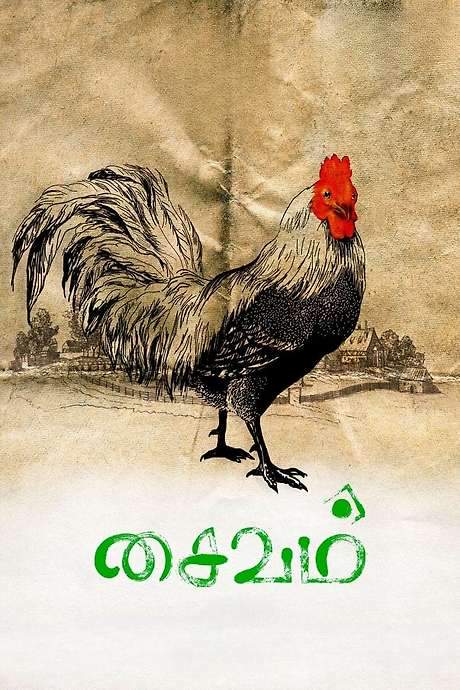
Saivam (2014) movie poster

Characters & Themes

Saivam (2014) Characters, Setting & Themes Explained

Release, runtime and language
2014 · 120 mins · Tamil
Directed by
A. L. Vijay
Starring
Sara Arjun, Saivam Ravi, Nassar, Rajyalakshmi, Suresh, Shanmugarajan

Young Tamizhselvi is cherished by the Kathiresan family, and shares a special bond with her pet rooster, Paapa. However, her grandfather, Kathiresan, intends to sacrifice Paapa to their family’s deity, hoping to bring prosperity. When the beloved rooster mysteriously disappears, the family must navigate unexpected events and confront challenges that test their faith and relationships.

On this page (6)
  1. 1 Characters explained (3)
  2. 2 Where & when it takes place
  3. 3 Themes & meaning (3)
  4. 4 Character & meaning questions
  5. 5 Movie threads
  6. 6 Every angle

3 main characters · contains spoilers

Saivam Characters Explained: Who Is Who

The main characters of Saivam (2014), heroes and villains: what drives them, how they change over the course of the story and what each of them reveals about the film's bigger ideas.

  • Tamizhselvi

    played by Sara Arjun

    A compassionate granddaughter who loves Paappa and acts to save him from slaughter. She hides the rooster in the attic to protect him, navigating family pressure with courage and empathy. Her determination drives the ethical turning point of the story as she advocates mercy over ritual.

    • 🐾 Animal Lover
    • 🧭 Determined
  • Kathiresan Chettiyar

    played by Nassar

    Patriarch of the large family who clings to tradition and answers to the elders. He initiates the planned sacrifice of Paappa, believing the ritual will restore harmony, which sets up the clash between duty and mercy. His authority is challenged as the younger generations voice compassion for animals.

    • 💼 Patriarch
    • 🧭 Traditional
  • Paappa

    The beloved pet rooster whose life becomes the focal point of the family's crisis. His potential slaughter exposes the tension between ritual customs and compassion, prompting Tamizhselvi’s bold act to protect him. The rooster’s fate catalyzes the movement toward a kinder resolution.

    • 🐔 Rooster

Last updated: March 05, 2026 at 18:30

Was this helpful?

Setting

Where and When Does Saivam Take Place?

The setting of Saivam (2014): the year and time period, the places and locations, and how they shape the characters, the mood and the tension of the story.

Time period

Location

Family home, Temple

Saivam centers on a large multi-generational family home where relatives gather for a holiday. The family also visits a local temple during the festival, a setting that triggers the central ritual. The attic inside the house becomes the crucial hiding place for Paappa, highlighting the personal stakes behind the community’s customs.

  • 🏠 Domestic setting
  • 🛕 Temple visit

Last updated: March 05, 2026 at 18:30

Was this helpful?

3 major themes

Saivam Meaning: Themes & Message Explained

What is Saivam (2014) really about? The emotional, social and philosophical themes the film keeps returning to, its symbolism and the message beneath the surface.

  • Animal Rights

    Animal rights become the emotional engine of the story as the rooster Paappa's life is used to test family loyalties and superstitions. Tamizhselvi's attachment to Paappa exposes the cruelty hidden behind ritual beliefs and traditions. The film uses intimate domestic spaces to explore ethical questions about who gets protection and why. The resolution—choosing mercy over slaughter—argues that compassion should extend to all living beings.

  • Nonviolence

    The film champions nonviolence as a practical and moral stance, showing that mercy can resolve conflicts more effectively than fear or ritual. The mid-credits turn toward vegetarianism marks a communal shift away from harming animals. The granddaughter's persistence demonstrates how compassion can influence whole families. The narrative links peaceful choices to broader social change, not just personal sentiment.

  • Family Bonds

    The story centers on a family unit grappling with tradition, authority, and care for other beings. Conflicts arise from differing generations: obedience to elders versus the child's empathy for animals. The eventual consensus reveals a transformation in values and a renewed sense of responsibility toward all life. The film uses humor and tension to show how love and duty can coexist with ethical growth.

Last updated: March 05, 2026 at 18:30

Was this helpful?

Character & theme questions

Saivam Characters & Meaning: Your Questions Answered

The questions people ask about Saivam (2014): who the characters really are, their relationships, what the symbols mean, where it takes place and what the movie is really about. Each answer contains spoilers.

Q1

Where does the story primarily take place?

The story centers on a large multi-generational family home where relatives gather, with a local temple serving as the setting for the crucial ritual. The attic within the house becomes a key location where Paappa is hidden, representing the personal stakes hidden within the family's domestic space.

  • family home
  • temple
  • setting
  • locations
Q2

What are the main themes explored in the film?

The film explores three interconnected themes: animal rights, which examines the ethical treatment of living beings; nonviolence, advocating compassion over ritual slaughter; and family bonds, showing how love and duty coexist with ethical growth across generations.

  • animal rights
  • nonviolence
  • family bonds
  • themes
Q3

Who is Tamizhselvi and what is her role?

Tamizhselvi is the compassionate granddaughter of Kathiresan Chettiyar. She shares a special bond with her pet rooster Paappa and acts courageously to protect him from sacrifice. Her determination drives the ethical turning point as she advocates mercy over ritual tradition.

  • tamizhselvi
  • granddaughter
  • main character
  • compassion
Q4

Who is Kathiresan Chettiyar and what does he represent?

Kathiresan Chettiyar is the patriarch of the large family who clings to tradition and belief in ritual sacrifice. He initiates the planned sacrifice of Paappa, believing it will restore harmony. His character represents the tension between elder authority and the younger generation's evolving values.

  • kathiresan chettiyar
  • patriarch
  • tradition
  • elder
Q5

What role does the rooster Paappa play in the story?

Paappa is the beloved pet rooster whose life becomes the focal point of the family's moral crisis. His potential slaughter exposes the tension between ritual customs and compassion. The rooster acts as a catalyst, prompting the family to reconsider their beliefs and ultimately choose mercy.

  • paappa
  • rooster
  • sacrifice
  • catalyst
Q6

What does the film say about animal rights?

The film uses Tamizhselvi's attachment to Paappa to expose the cruelty hidden behind ritual beliefs and traditions. It argues that compassion should extend to all living beings, using the intimate domestic setting to explore ethical questions about who deserves protection and why.

  • animal rights
  • compassion
  • ethics
  • tradition vs compassion
Q7

How does the film portray the conflict between tradition and compassion?

The narrative shows the grandfather's adherence to ritual tradition clashing with his granddaughter's empathy for animals. The resolution demonstrates how love and duty can coexist with ethical growth, as the family transforms from superstitious fear toward a more enlightened, compassionate perspective.

  • tradition
  • compassion
  • conflict
  • family values
Q8

How is nonviolence portrayed in the story?

The film champions nonviolence as both a practical and moral stance, showing that mercy resolves conflicts more effectively than fear or ritual. The mid-credits turn toward vegetarianism marks a communal shift away from harming animals, linking peaceful choices to broader social change.

  • nonviolence
  • vegetarianism
  • mercy
  • social change
Q9

How does the movie portray family dynamics and the generation gap?

The story centers on a family unit grappling with tradition, authority, and care for other beings. Conflicts arise from the tension between obedience to elders and the child's empathy for animals. The eventual consensus reveals a transformation in values and renewed responsibility toward all life.

  • family
  • generation gap
  • tradition
  • values
Q10

What is the significance of the temple setting in the story?

The temple represents the community's traditional beliefs and ritual practices that the family participates in during festival time. It is the setting that triggers the central ritual of sacrifice, highlighting where institutional tradition conflicts with individual compassion.

  • temple
  • ritual
  • sacrifice
  • tradition
  • festival
Q11

Does the movie specify what time period it takes place in?

The film does not specify an explicit time period. The setting appears to be a contemporary rural or semi-urban South Indian community where traditional customs still hold significant influence over family decisions and community rituals.

  • time period
  • setting
  • era
  • contemporary
Q12

What is the moral message of the film?

The film delivers a hopeful message that compassion and ethical growth can transform family values. The happy ending shows understanding prevailing when the family chooses mercy over slaughter, suggesting that love and duty can coexist while embracing more humane perspectives.

  • moral
  • message
  • ending
  • compassion
  • hope

Movie threads

More Movies Like Saivam, by Mood & Story

Curated lists built around what makes Saivam tick: the same mood, the same kind of story or the same emotional payoff. Each list explains why these movies belong together.

Movies where innocence challenges tradition like Saivam

Heartfelt stories where a child's pure perspective confronts and transforms rigid customs. Discover films similar to Saivam, where a child's pure-hearted perspective creates a moral dilemma that tests family bonds and traditions. These heartfelt dramas explore themes of compassion, growth, and the power of innocence to inspire change, perfect for viewers who enjoyed the emotional journey in Saivam.

  • heartfelt
  • familial
  • conflicted
  • hopeful
  • innocent
  • empathetic
  • Tone: hopeful, heartfelt, conflicted
  • Pacing: steady, character-driven
Why these movies?

The story pattern: These narratives typically begin with a cherished tradition that is unquestioned by adults. The central conflict is ignited by a child who forms a bond that puts them at odds with this custom. The story unfolds as the child's steadfast love forces the adults to re-examine their beliefs, leading to a climactic choice between upholding tradition or embracing a new understanding.

Why they belong together: Movies in this thread are grouped by their shared focus on a gentle but powerful moral conflict driven by a child's perspective. They share a hopeful tone, a steady pace that allows for emotional development, and a central theme of innocence acting as a catalyst for positive change within a family or community.

Heartfelt family moral dilemmas like in Saivam

Emotional family dramas where a single ethical conflict tests and ultimately strengthens bonds. If you liked the family conflict in Saivam, explore these movies centered on internal ethical dilemmas. These steady-paced dramas focus on how families navigate moral disagreements, featuring medium emotional weight and ultimately hopeful resolutions that strengthen familial bonds, similar to the journey in Saivam.

  • familial tense
  • heartfelt
  • moral conflict
  • empathetic
  • hopeful
  • emotional growth
  • Tone: hopeful, heartfelt, tense
  • Pacing: steady, deliberate
Why these movies?

The story pattern: The story is built around a specific, relatable moral issue that divides family members. The plot follows a straightforward cause-and-effect structure, steadily building tension as characters debate their positions. The resolution typically involves a compromise or a shift in perspective that allows the family to reconcile, emphasizing the importance of their relationship over the initial point of conflict.

Why they belong together: This thread connects movies that prioritize emotional realism and character development over plot twists. They share a steady pacing that lets the dilemma breathe, a medium intensity focused on interpersonal tension, and a core theme of resolving conflict through compassion, making the hopeful ending feel earned.

Every angle

Saivam (2014) Explained: Plot, Timeline & Characters

Everything about Saivam in one place: what happens in the plot summary, the timeline in chronological order, the characters and meaning and a spoiler-free summary. What's After the Movie adds the cast, box office and post-credit scenes.

Coming soon on iOS and Android

The Plot Explained Movie Summary App

Plot summaries, endings explained and timelines on your phone. Catch up on any movie in minutes, save your favorites and never miss a twist again.

Be the first to know when we launch. Your email stays private, always.

Learn more about the app