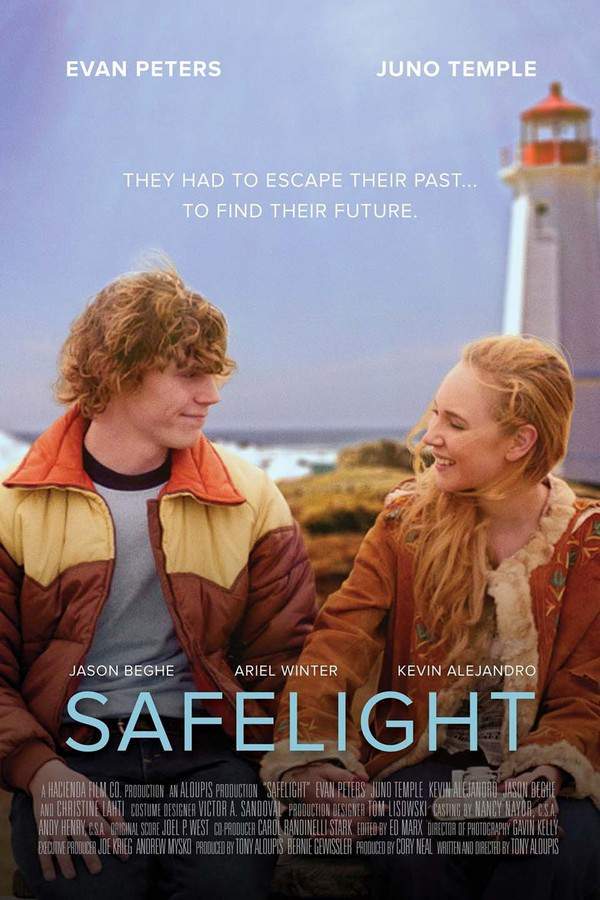
In a 1970s setting, the story follows a 17-year-old high school student named Charles who endures relentless bullying because of a physical disability, yet finds quiet refuge behind the lens of a camera. His passion for photography becomes his compass, especially as he works at a truck stop under the watchful eye of a witty, supportive woman named Peg, who encourages his talent and always has his back.
At the truck stop, a relationship begins to form between Charles and Vicki, an 18-year-old prostitute who rents a room in a nearby motel and constantly endures the controlling brutality of her pimp, Skid. Vicki often slips into the truck stop between clients, striking up conversations with Charles as he glances through his contests flyers. The school announces a photography contest, and Charles wrestles with what his theme should be.
When he shares his contest idea, Vicki volunteers to drive him on a journey to document California’s lighthouses, provided he can navigate his disability on the road. This partnership becomes a lifeline for both of them. On the first lighthouse excursion, Charles opens up about his past—his mother abandoned him, and the camera he cherishes once belonged to his brother Kevin, who died in Vietnam. Vicki reveals her own childhood wounds: a dead father and a mother who kicked her out. A bond forms as the two begin to trust one another.
During the drive to the second lighthouse, Vicki reveals more about her turbulent past—how her mother rejected her after suspecting she was involved with another man, and how life on her own ultimately led her to Skid. Peg invites Vicki to join a night out with Charles and her friends, and the two characters grow closer. The night culminates in a slow dance and a shared kiss, marking a tender pivot in their relationship.
Before heading to the third lighthouse, Charles convinces Vicki to visit her family again. The reunion is mixed: her sisters, Sharon and Kate, greet her with a spectrum of warmth and judgment. The two then encounter Skid on the road, who embodies a growing paranoia and hostility toward women, and Charles tries to distance himself from the volatile man.
At the fourth lighthouse, Vicki voices how much she appreciates Charles and how she will miss their lighthouse trips. The visit to her family becomes emotionally charged again when Kate bluntly calls Vicki a “whore,” prompting Vicki to walk away in tears. Back at the truck stop, Charles delivers his growing body of work to the contest, naming his collection “Beacon of Light,” and Peg reassures him that she will always be there for him.
The pressure of his father’s decline and death weighs heavily on Charles. He endures a troubling moment when a group of neighborhood bullies breaks his camera on the way home from school, underscoring the ongoing cruelty he faces. At home, his father—who has been dying—spends his last moments with Charles, expressing pride and love before passing away. Peg remains a steady presence through the loss, offering support as Charles grieves and continues to create.
In the aftermath, Charles finishes in third place in the photography contest, a quiet but meaningful achievement that affirms his talent. Skid tracks down Vicki at her motel, pressing her about money and accusing her of theft. He assaults her, but Charles arrives in time to intervene. A struggle ensues, and in a desperate moment, Vicki grabs a gun and shoots Skid to protect herself.
The film closes on a poignant note: Charles and Vicki say their goodbyes as she drives away down the road, and Charles, standing at the truck stop, captures the moment of her departure with his camera. The story leaves a lingering impression of resilience, art, and the fragile ties that tether two people together amid hardship and danger.