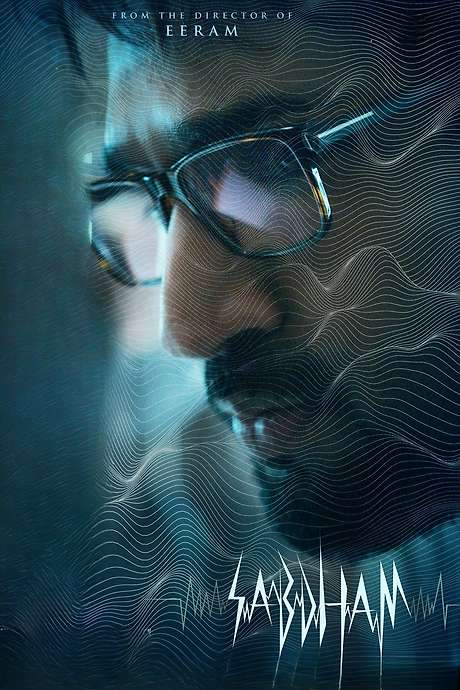
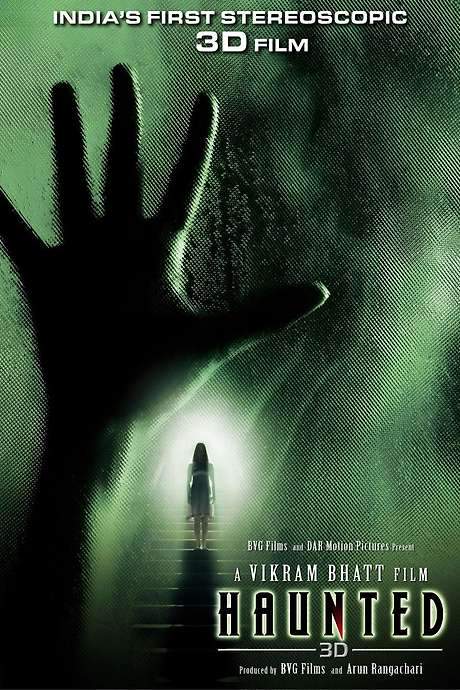
In this atmospheric supernatural mystery, a Mumbai-based paranormal investigator, Rooban, travels to a medical college in Munnar to untangle a string of perplexing deaths that have unsettled the campus. He teams up with the skeptical lecturer, Dr. Avantika, who is busy drafting a thesis to disprove alleged supernatural accounts from psychiatric patients as nothing more than disorder-related hallucinations. Yet as the investigation unfolds, it becomes clear that the phenomena are not only real but also personally affecting Avantika herself, blurring the lines between belief and exposure to a chilling force.
The case deepens when Rooban and Avantika encounter a history that refuses to stay buried. An elderly casket maker reveals a dark chapter from forty years earlier: a church-affiliated college took in 42 disabled, orphaned children under the influence of Dr. Daina, a pioneering doctor who studied how sound could influence fetal development. What began as a hopeful experiment spiraled into tragedy, and Rooban discovers the graves of those children as a haunting reminder of what went wrong. This revelation reframes the present danger, suggesting that the present-day hauntings are tied to a hidden past and to the very people who once oversaw the vulnerable children’s care.
As the pieces fall into place, the clues point toward Dr. Daina’s legacy and a person who might still be trying to resurrect or protect those memories. Dr. Daina’s work in sound therapy becomes a spectral fingerprint in the current events, and Rooban’s persistence leads to a pivotal moment where Avantika, who has been slipping in and out of sleep, experiences a seizure that temporarily lets the spirit of “Jennifer”—the person who is actually Dr. Diana—possess Avantika and glimpse a treatment that was conducted on her years ago. The investigation sharpens when the team learns that the three medical students who died were part of the same project, assigned to monitor Dr. Diana but ultimately dismissed as negligent. The police are drawn into the maelstrom when Rooban begins pulling apart the hospital’s cover-ups, only to have the dean of the college deny involvement and then confront a sudden, fate-like decline that mirrors the fate of the students.
As the tension mounts, the story widens to reveal a darker, more sinister element: black magic. Rooban discovers that the case has a mystical thread tied to ancient rites and rituals, hinting that someone has been leveraging clandestine practices to shield Dr. Diana’s fate. The elderly casket maker’s death and the confrontations with the college’s leadership intensify as Rooban tracks a more personal motivation behind the haunting—and he concludes that Dr. Daniel, the dean’s partner, may be entangled with the underground practitioners. The emotional and ethical stakes rise when Dr. Daniel attempts to pull the plug on Avantika’s life support, seemingly sealing a grim conclusion for Dr. Diana and the children.
In a crucial breakthrough, Rooban’s Mumbai partner analyzes a cascade of audio clips and uncovers a chilling clue: the name that surfaces is Nancy Daniel, Dr. Daniel’s wife who has long harbored jealousy of Dr. Diana’s achievements. The revelation reframes the entire mystery as a contest of science, power, and vengeance rather than a simple haunting. The three investigators—Rooban, Avantika, and the lingering spirits of the children—race to intervene as Nancy reveals her plan to continue the torture through a brutal use of sound and magic, aided by a dampening device that shields her from the ultrasonic assaults the children’s spirits rally to deliver.
The climax culminates in a dramatic confrontation at the college. Dr. Nancy’s schemes are overturned when the team unravels the truth: she attacked Dr. Diana and used black magic to trap the children’s spirits, keeping Dr. Diana in a coma. As the rightful balance teeters, Dr. Diana’s spirit briefly struggles to return to her body, while Rooban uses a carefully timed piano performance to restore the healing resonance needed to free the trapped souls. The children, alongside Avantika and Dr. Diana, work to strip away Nancy’s protective wards and remove the hearing aid Nancy relies on to dampen the ultrasonic assault. In a final, decisive moment, Nancy meets the same fate as those who harmed the vulnerable, and the spectral threat dissipates.
The film closes on a hopeful note. In the aftermath, Rooban and Avantika visit a children’s home where Dr. Diana—now able to be herself again—treats the rescued kids with violin and song, turning the once-tragic legacy into a bright, living legacy of care and music. The past’s shadows recede as healing and compassion take center stage, suggesting that the bond between science, spirit, and humanity can endure even the darkest of histories.