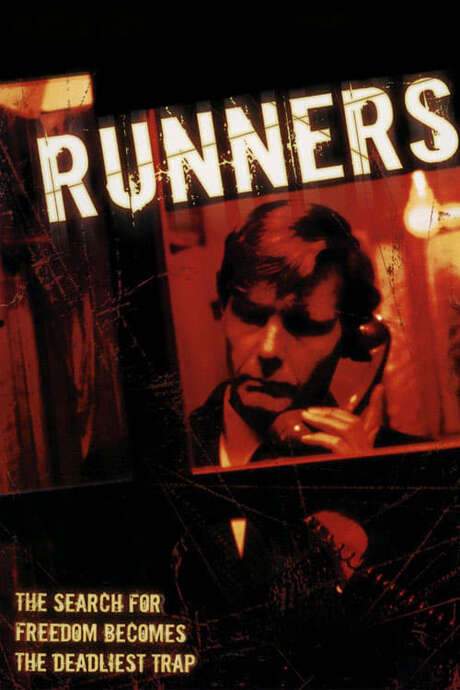
Plot Explained Spoilers guaranteed!
Plot Explained

Browse by genre

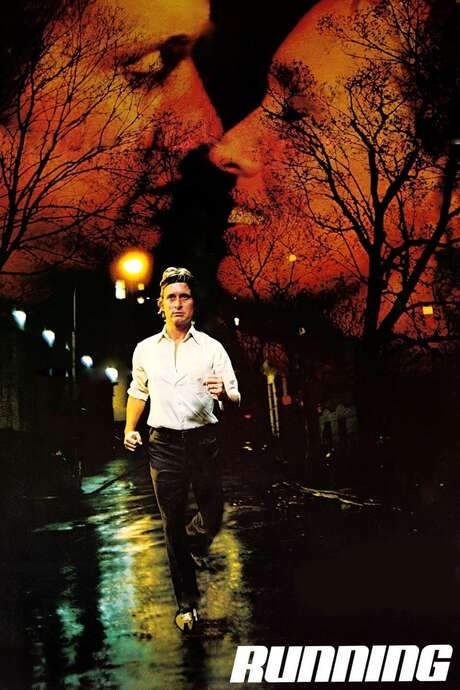
Running (1979) movie poster

Characters & Themes

Running (1979) Characters, Setting & Themes Explained

Release, runtime and language
1979 · 102 mins · English
Directed by
Steven Hilliard Stern
Starring
Michael Douglas, Susan Anspach, Giancarlo Esposito, Eugene Levy, Lawrence Dane, Gordon Clapp

An Olympic‑hopeful marathon runner believes that winning will heal his troubled marriage and resolve personal issues. As he trains for the big race, he must find the courage to stay true to himself, confronting the pressures of competition and the strain on his relationships, learning that true success lies in authenticity.

On this page (7)
  1. 1 Characters explained (4)
  2. 2 Where & when it takes place
  3. 3 Themes & meaning (3)
  4. 4 Character & meaning questions
  5. 5 Movie threads
  6. 6 Movies like Running
  7. 7 Every angle

4 main characters · contains spoilers

Running Characters Explained: Who Is Who

The main characters of Running (1979), heroes and villains: what drives them, how they change over the course of the story and what each of them reveals about the film's bigger ideas.

  • Michael Andropolis (Michael Douglas)

    A US hopeful for the 1976 Montreal Olympics who starts races with great energy but struggles to manage his stamina and avoid early exhaustion. His unwavering ambition is tempered by personal turmoil, including a fraught marriage and unemployment. He embodies resilience, pushing through injuries to reach the finish line.

    • 🏃‍♂️ Ambition
    • 🧭 Focus
    • 💪 Resilience
  • Susan Andropolis (Jennifer McKinney)

    Michael's wife who wants a divorce, adding emotional strain to his Olympic quest. She travels to Montreal to watch him compete and promises to come home with him regardless of the outcome. Her presence highlights the personal costs of pursuit and the possibility of reconciliation.

    • 💔 Strain
    • 🧭 Support
    • 💬 Relationship
  • Andrea Andropolis (Lesleh Donaldson)

    One of Michael's two daughters who watches the events unfold, embodying the family stakes of the marathon. Her perspective from the stands or screens mirrors the audience's emotional investment in his success. She represents hope and the next generation rooting for perseverance.

    • 👧 Family
    • 🧵 Hope
    • 📺 Viewer
  • Coach Walker (Lawrence Dane)

    Michael's coach who is initially reluctant to endorse him for the Games. He embodies the tension between belief and doubt, yet ultimately supports the athlete's grit. His skepticism contrasts with moments of pride as Michael perseveres.

    • 🎯 Coaching
    • 🧭 Skepticism
    • 🏁 Mentorship

Last updated: October 05, 2025 at 08:42

Was this helpful?

Setting

Where and When Does Running Take Place?

The setting of Running (1979): the year and time period, the places and locations, and how they shape the characters, the mood and the tension of the story.

Time period

1976

The story takes place in the mid-1970s, culminating with the Montreal Summer Olympics. It follows the lead-up to the Games, focusing on Olympic-level training, qualification, and the pressure to perform. Although anchored in 1976, the film emphasizes the era's competitive spirit and athletic ambition.

Location

Montreal, Canada

Set in Montreal, Canada, during the 1976 Summer Olympics, the film follows the marathon as a test of endurance. The race takes place on city streets that lead to the Olympic Stadium, where the finish line is celebrated. Roads are reopened after earlier races, allowing the final legs to unfold and a dramatic close to the competition.

  • 🏟️ City
  • 🗺️ North America
  • 🏃‍♂️ Marathon

Last updated: October 05, 2025 at 08:42

Was this helpful?

3 major themes

Running Meaning: Themes & Message Explained

What is Running (1979) really about? The emotional, social and philosophical themes the film keeps returning to, its symbolism and the message beneath the surface.

  • Perseverance

    The film centers on Michael's relentless drive to compete, balancing personal turmoil with training. He battles fatigue and injuries, learning to pace himself rather than sprinting to victory. His stubborn resolve becomes the engine that sustains him through the race's hardest moments.

  • Family Struggle

    A crumbling marriage and unemployment frame the stakes off the track. The protagonist's home life creates emotional pressure that mirrors the physical strain of the marathon. The pursuit of Olympic glory collides with the need for stability and reconciliation.

  • Finish Line

    The climax centers on crossing the line, not just winning but proving something to himself and his family. The finish becomes a symbol of endurance, grit, and the possibility of redemption. The crowd's cheers and the support of loved ones underscore the meaning of completing the task.

Last updated: October 05, 2025 at 08:42

Was this helpful?

Character & theme questions

Running Characters & Meaning: Your Questions Answered

The questions people ask about Running (1979): who the characters really are, their relationships, what the symbols mean, where it takes place and what the movie is really about. Each answer contains spoilers.

Q1

Where is the movie set?

The movie is set in Montreal, Canada, during the 1976 Summer Olympics. The marathon race runs through city streets leading to the Olympic Stadium, where the dramatic finish takes place.

  • montreal
  • 1976 summer olympics
  • canada
  • marathon location
Q2

What time period does the story take place in?

The film is set in 1976, specifically during the Montreal Summer Olympics. The story follows the lead-up to the Games, capturing the era's competitive spirit and athletic ambition.

  • 1976
  • 1970s
  • montreal olympics
  • summer olympics
  • time period
Q3

What are the main themes in the movie?

The film explores three core themes: perseverance through athletic struggle, the strain of family conflict on personal pursuit, and the symbolic meaning of crossing the finish line as a form of redemption and self-proof.

  • perseverance
  • family struggle
  • finish line
  • themes
  • redemption
Q4

Who is the main character Michael Andropolis?

Michael Andropolis is a US Olympic marathon hopeful portrayed by Michael Douglas. He struggles with managing his stamina during races, dealing with a failing marriage and unemployment while pursuing his dream of competing in the 1976 Montreal Olympics.

  • michael andropolis
  • michael douglas
  • main character
  • marathon runner
  • olympic hopeful
Q5

Who is Michael's wife Susan?

Susan Andropolis is Michael's wife who has filed for divorce, adding significant emotional strain to his Olympic quest. She travels to Montreal to watch him compete and promises to return home with him regardless of the race outcome, highlighting the possibility of reconciliation.

  • susan andropolis
  • wife
  • divorce
  • marriage
  • jennifer mckinney
Q6

Who is Coach Walker in the movie?

Coach Walker is Michael's trainer who is initially reluctant to endorse him for the Olympic Games. He embodies the tension between doubt and belief in an athlete, eventually supporting Michael's determination despite his skepticism about his chances.

  • coach walker
  • lawrence dane
  • coach
  • trainer
  • supporting character
Q7

How does the movie portray perseverance?

Perseverance is depicted through Michael's relentless drive to compete despite personal turmoil. He battles fatigue and injuries, learning to pace himself rather than sprinting to victory. His stubborn resolve sustains him through the marathon's hardest moments.

  • perseverance
  • athletic determination
  • training
  • endurance
  • running
Q8

How does family conflict impact the story?

A crumbling marriage and unemployment create emotional pressure that mirrors the physical strain of the marathon. The pursuit of Olympic glory collides with Michael's need for stability and reconciliation, making his journey about more than just winning a race.

  • family
  • marriage
  • divorce
  • emotional conflict
  • home life
Q9

What does the finish line represent in the film?

The finish line symbolizes more than athletic victory, it represents endurance, grit, and the possibility of redemption. The climax centers on proving something to himself and his family, with the crowd's cheers and loved ones' support underscoring the meaning of simply completing the task.

  • finish line
  • redemption
  • symbolism
  • completion
  • triumph
Q10

Is the movie based on a true story?

Running is a fictional drama inspired by the real pressures and emotions of Olympic competition. While it captures the authentic atmosphere of the 1976 Montreal Olympics, the characters and story are not based on specific real people.

  • based on true story
  • fiction
  • drama
  • olympic inspiration
Q11

What is the overall tone of the movie?

The film has a hopeful tone that focuses on personal growth and the courage to be authentic. While dealing with medium intensity through the pressures of competition and troubled home life, the narrative remains uplifting due to the protagonist's resilient spirit.

  • tone
  • hopeful
  • mood
  • emotional tone
  • narrative
Q12

Does Michael win the marathon race?

Michael does not win the race, but he achieves a profound personal victory by finishing against the odds. The ending is bittersweet, blending loss with triumph, as he is met with emotional support and reconciliation with his family despite not placing first.

  • ending
  • winner
  • finish
  • bittersweet
  • result

Movie threads

More Movies Like Running, by Mood & Story

Curated lists built around what makes Running tick: the same mood, the same kind of story or the same emotional payoff. Each list explains why these movies belong together.

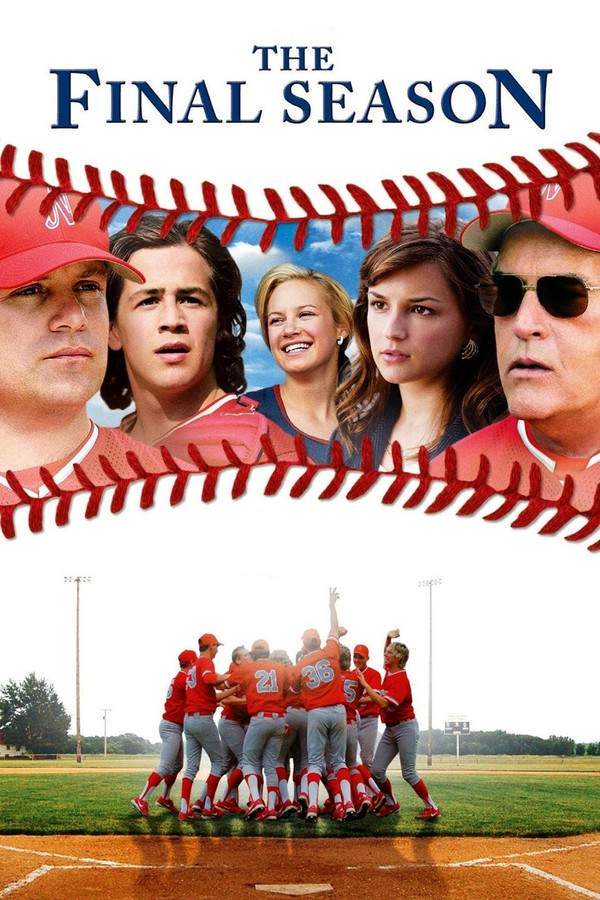
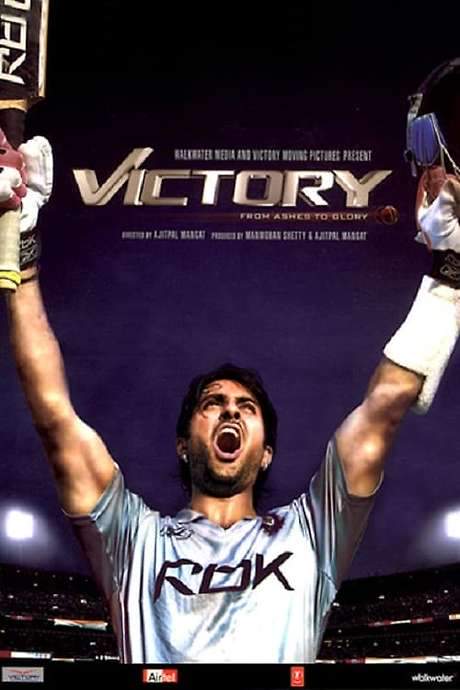
Bittersweet Sports Triumphs like in Running

Stories where the real victory isn't the win, but the personal growth. Explore more movies like Running, where athletes face intense personal struggles alongside their professional ambitions. If you liked the story of a marathon runner finding himself through adversity, you'll appreciate these similar dramas about perseverance, resilience, and the bittersweet nature of victory in sports.

  • determined
  • gritty
  • triumphant
  • resilient
  • hopeful
  • strained
  • Tone: hopeful, bittersweet
  • Pacing: steady, linear
Why these movies?

The story pattern: The narrative typically follows a linear training-to-competition arc, where external pressure and internal doubt are the primary antagonists. The climax is often a physical test that serves as a metaphor for the character's emotional journey, culminating in an outcome that values personal achievement over conventional victory.

Why they belong together: These movies are grouped by their shared focus on the athlete's internal journey. They blend the grit of sports competition with heartfelt human drama, resulting in a hopeful yet grounded tone that finds beauty in the struggle itself.
Character-Driven Redemption Stories like Running

Hopeful dramas about ordinary people rebuilding their lives step by step. Find movies similar to Running that focus on a protagonist's steady journey of personal redemption. If you enjoyed watching a character confront their flaws and rebuild their life with resilience, these dramas offer the same compelling mix of hopeful tone, steady pacing, and emotionally satisfying character arcs.

  • hopeful
  • resilient
  • strained
  • introspective
  • determined
  • tense
  • Tone: hopeful, resilient
  • Pacing: steady, character-driven
Why these movies?

The story pattern: These narratives are straightforward and character-centric, often built around a single protagonist overcoming a defining crisis. The conflict is both internal and external, with the story unfolding at a consistent pace that mirrors the character's gradual process of learning, adapting, and ultimately finding a more authentic version of themselves.

Why they belong together: They share a coherent mix of medium intensity, steady pacing, and a hopeful tone, creating a reliably engaging and emotionally substantive viewing experience. The focus is on the relatable process of personal transformation, making the journey feel genuine and earned.

If you liked this

Movies Like Running

Similar movies to Running: the same genre, themes or kind of story. Each one comes with its own plot summary, timeline and ending explained.

Browse all movie summaries

Every angle

Running (1979) Explained: Plot, Timeline & Characters

Everything about Running in one place: what happens in the plot summary, the timeline in chronological order, the characters and meaning and a spoiler-free summary. What's After the Movie adds the cast, box office and post-credit scenes.

Coming soon on iOS and Android

The Plot Explained Movie Summary App

Plot summaries, endings explained and timelines on your phone. Catch up on any movie in minutes, save your favorites and never miss a twist again.

Be the first to know when we launch. Your email stays private, always.

Learn more about the app