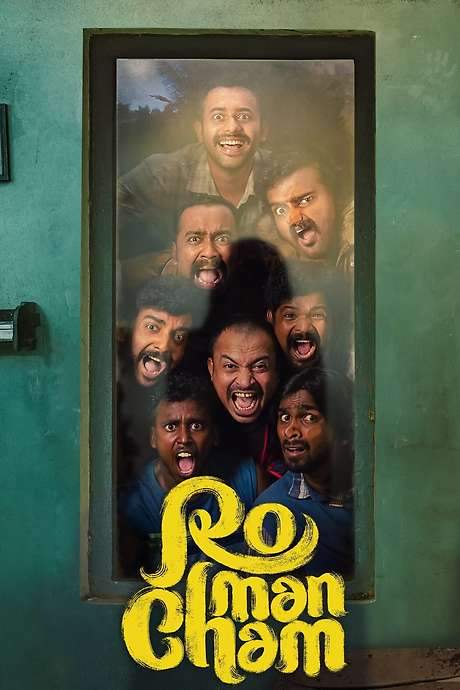
2007: Jibin Soubin Shahir wakes up in the ICU of a Bangalore hospital, told that he has been suffering from meningitis for a week. He longs to tell his roommates something important, yet he is not allowed to see anyone. The nurse’s curiosity nudges him to share his story, and he begins to narrate the odd sequence of events that led to this moment.
Jibin is part of a tight-knit group living in a rented house: Rivin Anantharaman Ajay, Niroop Sajin Gopu, Shijappan Abin Bino, Mukesh Siju Sunny, Karikuttan Afzal P H, and Soman Jagadeesh Kumar. Rivin and Karikuttan hold down full-time jobs, while Soman dabbles in various ventures; the others are quietly searching for work. The dynamic among them is warm but tense, a recipe for adventures that begin as harmless amusements and quickly tilt toward something unsettling.
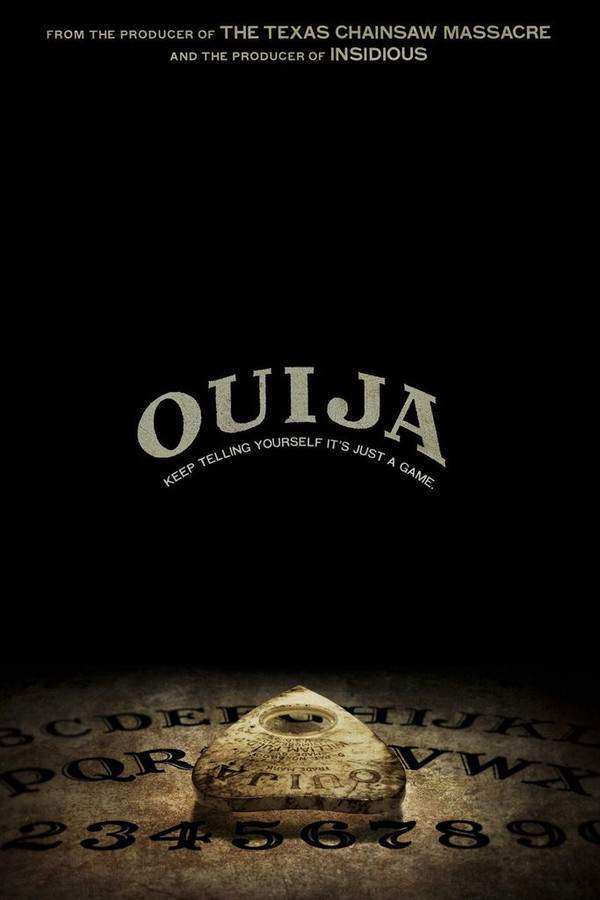
During a visit to a friend, Jibin spots a group performing a séance with a Ouija board, hoping to contact a ghost. The idea amuses him, and he decides to join in by using a carrom board as a makeshift Ouija board, coaxing the others to participate. Rivin, steeped in religious belief, declines to take part, but the rest are drawn into the ritual. As the glass starts to move, first slowly and then with growing confidence, Jibin and Shijappan try to keep the act going, merely to save face and entertain their friends. They christen the spirit “Anamika,” a name that somehow feels both familiar and ominous, and the group asks it a stream of questions, half in jest, half in curiosity.
What begins as a prank soon feels different. The glass moves with a mind of its own, answering questions that surprise even the skeptics. It even seems to predict events—like the death of a pet—leaving the group astonished and a little unnerved. Word spreads, and the séances become a regular kotow—an informal pastime that pulls more and more friends into the house, each eager to hear if Anamika has something to say. The atmosphere thickens with an almost electric energy as more people arrive, and the boundary between game and reality starts to blur.
But soon the mood shifts from playful to ominous. Strange and inexplicable things begin to happen in the house. Rivin finds himself disoriented, unable to find his way home after work, and the sense of creeping unease grows stronger. The group realizes they may have unleashed something they cannot control, and their attempts to manage the situation only seem to feed the growing unease. The séance sessions become a kind of dangerous obsession, a test of nerves as they watch ordinary objects move and respond in ways that feel almost supernatural.
A friend, Sinu Arjun Ashokan, moves in to stay with them for a while. Sinu begins to display weird behaviors, slipping into catatonia at times and speaking to someone in the middle of the night. The atmosphere in the house grows tenser as Anamika’s presence intensifies—unseen touches, strange sounds, and a sense that the home is being watched. The group’s fear intensifies, and the dangers of their earlier deception become increasingly clear: Rivin forgets his way home again, and Karikuttan’s steady job at the petrol pump ends when he accidentally fills a customer’s tank with diesel.
One by one, the friends lose their grip on normal life. The strangeness escalates into a near-panic as they try to escape the house, only to feel trapped by the fear and the inexplicable events that follow them wherever they go. Jibin’s health deteriorates, his fever rising until it becomes meningitis, a grim reminder of the toll their earlier game has taken on him.
In the darkest moment, Jibin confesses that the last thing he saw before losing consciousness was the image of a woman’s spirit entering his bag. The chilling reveal foreshadows something more than a haunting—it hints at consequences that may continue beyond this story. The film closes on a note that lingers: Sinu is seen walking into the hospital carrying that same bag, suggesting a possible sequel and leaving the door open for the next chapter in this unnerving tale.