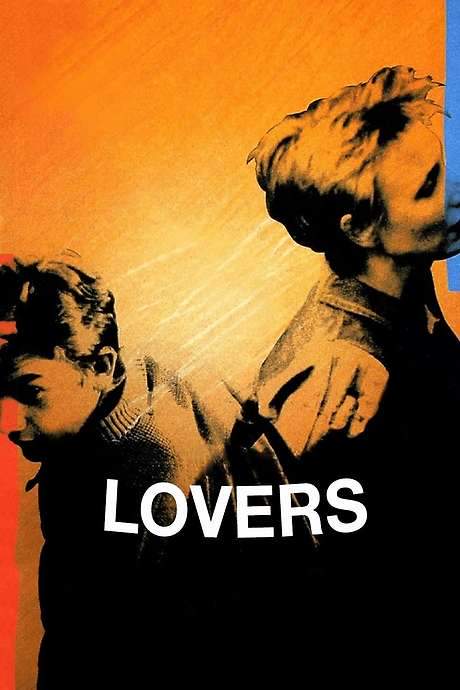
Lover's Rock (2020) opens by showing the careful work behind turning a West London two-story into a buzzing house party, where couches are wrapped and moved outside, rugs are rolled, and a crew of friends buzzes with anticipation. Reggae hums from large speakers rolled in from vans, while the kitchen fills with the sound of women preparing food and singing together, setting a warm, intimate tone for a night that will feel like a private world apart from the streets outside.
At about eight minutes in, Amarah-Jae St. Aubyn as Martha slips out of her second-floor window and heads toward a traditional basement blues party in the city. Night falls, and she teams up with her friend Patty, played by Shaniqua Okwok, to catch a local bus that will wind past the gathering. The air is alive with song and the promise of freedom as the two cheer, “freedom!” and joke that you can’t wear church shoes to blues dance. The bus blooms with passengers and reggae, yet a solitary figure with a tall wooden cross outside the window casts a quiet shadow over the excitement, a reminder of what lies beyond the celebration.
The party itself hums with energy as Martha and Patty are admitted by a bouncer into a space where strangers and friends mingle. Inside, the dance floor moves in unison to familiar grooves, and a sense of community grows amid the rhythms. It’s here that Martha encounters a calm, deliberate presence in Franklyn, played by Micheal Ward. The two keep crossing paths—in the hallways, on the way to the bathroom, and in the glow of the dance floor—and their connection deepens as the night unfolds. The atmosphere tilts toward something more intimate as couples form and the house becomes a private microcosm of joy and longing, a sanctuary animated by music and movement.
Patty’s sudden departure while Martha remains creates a turning point, thrusting Martha into navigating the remainder of the night on her own. She emerges into the street, where the celebrations’ warmth collides with a harsher note: a group of young white men hurl monkey noises at her, a stark reminder of the racialized gaze that can puncture a night of freedom. The bouncer’s quick intervention doesn’t erase the moment, but it does puncture the party’s walls with a reminder of danger that lies just beyond the doors.
The mood of the evening swells again during a moment when the DJ guides a group sing-along of Janet Kay’s “Silly Games,” the crowd joining in a cappella and turning strangers into chorus members in a shared memory. The film uses this scene to illustrate how the party stitches together personal longing with a sense of communal yearning, a thread that runs through Martha and Franklyn’s evolving connection. Yet the night’s shadows are never far away.
A darker turn arrives when Bammy, a man who approached Martha earlier, reappears with troubling intent and shadows another passerby outside. When Martha and a friend respond, the tension escalates, highlighting the film’s careful balance between the warmth of the music and the fragility of safety. Franklyn steps in, offering protection as the situation shifts from playful to perilous, underscoring the sense that even among friends, danger can intrude upon a moment of escape.
Martha’s cousin also arrives later, insisting that it’s far too late and they should head home. The two clash, drawing in others until the cousin is dismissed from the party, allowing Martha to reclaim a night that has grown increasingly real and complicated. The action threads together the film’s core tension: the pull of independence and the demand for responsibility in a world that can be both jubilant and perilous.
As dawn breaks, Martha and Franklyn ride a tandem bike through the quietening streets, slipping into a brief, intimate moment at Franklyn’s repair shop. A kiss is shared, but it’s interrupted when his boss admonishes, “Frank, this isn’t a knocking shop. You do not bring your Doris in here.” The line, steeped in British slang, punctuates a boundary between private desire and the outside world, reminding the couple of the realities they must navigate beyond the glow of the night.
With the first light, the two part ways and promise to reconnect that night, scooting back toward their separate lives. Martha, still illuminated by the memory of the night, passes the same stretch of street where she first encountered the cross and, on her homeward journey, catches another glimpse of the man carrying the wooden cross. She slips back into her family home through her bedroom window, dropping her dancing shoes on the wooden floor as morning light spills across the room and reveals the cross on her wall, a quiet, enduring symbol of the night’s journey.
Back inside, the day begins with the stern routine of church and family expectations. The party has ended, but the memory of the night—its music, its risks, its fleeting tenderness—lingers in Martha’s mind. The film closes on the note that freedom and responsibility can coexist in a single night, and that what happens in the basement blues can shape the choices of a young woman stepping toward adulthood.
> "freedom!"
>
> "you just can't wear church shoes to blues dance."
>
> "Frank, this isn't a knocking shop. You do not bring your Doris in here."