Plot Explained Spoilers guaranteed!
Plot Explained

Browse by genre

Reuben, Reuben (1983) movie poster

Plot Summary

Reuben, Reuben (1983) Plot Summary Explained

Release, runtime and language
1983 · 101 mins · English
Loading streaming availability…
Directed by
Robert Ellis Miller
Starring
Kelly McGillis, Lois Smith, Tom Conti, Roberts Blossom, Ed Grady, Joel Fabiani

He receives a sarcastic congratulations for turning failure into an art form, a Scottish poet who has been drunk for years and unable to write. After encountering a beautiful young woman, he suddenly feels compelled to regain control of his life and revive his long‑dormant poetry. The story tracks his effort to overcome addiction and silence in search of redemption through renewed verses.

On this page (6)
  1. 1 Where to watch
  2. 2 What happens: full plot
  3. 3 Plot questions answered
  4. 4 Movie threads
  5. 5 Movies like Reuben, Reuben
  6. 6 Every angle
Loading streaming availability…

Full plot summary · contains spoilers

What Happens in Reuben, Reuben: Full Plot Summary

The whole story of Reuben, Reuben (1983) explained, from the opening scene to the final frame: every key event, every twist and what it all adds up to. Read it as a quick recap before the sequel, to check a scene you missed, or to finally understand what really happened.

Gowan McGland, Tom Conti, is a creatively blocked Scottish poet who ekes out a day-to-day existence by exploiting the generosity of strangers in an affluent Connecticut suburb, where he recites his verse to various arts groups and women's clubs. He is something of a leech, cadging expensive dinners from well-off patrons (usually stealing the tips afterward) while seducing their bored wives and adopting a superior attitude toward the smug bourgeois types he exploits.

Although a talented poet, he is a chronic drunk, indifferent to the wounds he can casually inflict with his wit.

> "Released from their support, her breasts dropped like hanged men,"

Geneva Spofford, Kelly McGillis, a young college student who has everything to lose from a relationship with a drunken, unreliable poet who cannot hold a job, becomes the object of Gowan’s fascination. Gowan drifts into a romance with her that feels dangerous and—a little amusing in its audacity—against the backdrop of the suburb’s refined rituals. He instigates two ugly incidents that fracture their bond: first, a bar fight from which Geneva herself comes to his rescue, and later, a scene in a fancy restaurant where the staff clearly know he has stolen their tips.

The relationship falters and then confronts a harsher reckoning when Dr. Jack Haxby, Joel Fabiani, the dentist, discovers the affair and uses the pretext of offering free dental care to ruin Gowan’s smile, forcing him into dentures. The blow lands hard, and when Gowan learns of the ruse, it feels almost foregone, as if the loss of his teeth would amount to a kind of death.

Gowan’s spiraling self-destruction reaches a fever pitch as he prepares to hang himself. He dictates his last thoughts into a tape recorder, and, in these moments of supposed finality, he still manages to conjure some strong lines that hint at his enduring talent and stubborn will to write. Yet the moment is interrupted by a playful, real-world interruption: the host’s Old English sheepdog, Reuben, bursts into the room, startling him and tipping the balance just as he tries to undo the knot. The attempt ends in accidental asphyxiation, and the film’s title is said to come from Gowan’s final, doomed words—the last, ironic phrase spoken as he tries to halt the dog and escape his fate.

Last updated: October 09, 2025 at 14:42

Was this helpful?

Plot questions answered

Reuben, Reuben Plot Explained: Your Questions Answered

The questions people ask most about Reuben, Reuben (1983): what happens in the confusing scenes, why the characters do what they do, the twists, hidden details and what the ending means. Each answer contains spoilers.

Q1

Why does Gowan McGland live off other people's generosity instead of getting a job

Gowan McGland is a talented but chronically blocked poet who has chosen a parasitic lifestyle as a form of rebellion against the bourgeois suburban life he despises. He recites his verse to arts groups and women's clubs while maintaining a superior, cynical attitude toward the affluent patrons he exploits. His alcoholism and creative block have left him unable to produce meaningful work, so he sustains himself by cadging expensive dinners and stealing tips, a lifestyle that reinforces his identity as an outsider while providing his daily needs.

Foreshadowing: Early scenes establish his pattern of exploiting hospitality while maintaining intellectual superiority over his hosts.

  • gowan mcgrand
  • parasitic lifestyle
  • poet
  • suburb
  • exploitation
Q2

Why does Geneva Spofford get involved with Gowan despite knowing his problems

Geneva Spofford is a young college student who becomes fascinated by Gowan's intelligence, wit, and the dangerous unpredictability he represents. Despite knowing he is an unreliable drunk with no job or prospects, she is drawn to his charisma and the excitement he offers compared to her structured academic life. Their romance unfolds against the backdrop of the suburb's refined rituals, making it feel both audacious and doomed from the start.

Foreshadowing: The narrative establishes early that Geneva is attracted to Gowan's intellectual charm despite warning signs.

  • geneva spofford
  • gowan
  • romance
  • attraction
  • college student
Q3

What causes Gowan and Geneva's relationship to fall apart

The relationship deteriorates after two humiliating incidents. First, a bar fight erupts and Geneva must rescue Gowan herself, exposing the depth of his self-destructive behavior. Then, at an upscale restaurant, the staff discover he has been stealing tips, a public scandal that further erodes her faith in him. These events, combined with his continued drinking and unreliability, drive Geneva to finally break off the relationship.

Foreshadowing: The bar fight is explicitly described as foreshadowing their eventual breakup.

  • bar fight
  • restaurant
  • tips
  • breakup
  • humiliation
Q4

Why does Dr. Jack Haxby ruin Gowan's teeth

Dr. Jack Haxby discovers the affair between Gowan and his wife and seeks revenge by using his position as a dentist. He offers Gowan free dental care as a pretext, but the treatment actually damages Gowan's natural teeth, forcing him to wear dentures. This is particularly devastating to Gowan because his charm and wit are his primary tools for manipulation, and he equates the loss of his teeth with a kind of death, seeing physical decline as existential ruin.

  • dr jack haxby
  • dentist
  • dentures
  • revenge
  • teeth
Q5

Why does Gowan become so obsessed with losing his teeth after the dentist incident

Gowan equates his physical appearance, particularly his smile, with his ability to charm and manipulate others. Throughout the film, his wit and intellectual superiority are his only real assets since he cannot hold a job or produce poetry. The forced dentures represent not just physical loss but the death of his identity as someone who can seduce patrons and survive through charm alone. He sees dental decline as existential ruin.

Foreshadowing: The film's emphasis on his superior attitude and seduction of patrons establishes early that his appearance is central to his identity.

  • teeth
  • dentures
  • identity
  • charm
  • self-image
Q6

What triggers Gowan to attempt suicide

Gowan's suicide attempt is the culmination of multiple failures: his creative block, his alcoholism, the loss of Geneva, public humiliations at the bar and restaurant, and most devastatingly, the loss of his teeth which he equates with his very identity. These compounding losses leave him feeling he has nothing left, no talent, no love, no charm, no purpose. He prepares to hang himself as a final act of control over his fate.

Foreshadowing: The narrative builds through escalating self-destructive incidents leading directly to this moment.

  • suicide
  • hanging
  • despair
  • failure
  • loss
Q7

How does the dog Reuben interrupt the suicide attempt

Just as Gowan prepares to finalize his death by hanging himself, Reuben, the host's Old English sheepdog, bursts into the room. The sudden interruption startles Gowan as he tries to undo the knot, causing him to lose his balance. The noose tightens accidentally, and he asphyxiates. His attempt to escape the dog and this new crisis leads to his accidental death rather than the intentional suicide he planned.

Foreshadowing: The title itself hints at the dog's role in the final moments.

  • reuben
  • dog
  • sheepdog
  • interruption
  • accidental death
Q8

What is the significance of the movie title "Reuben, Reuben"

The title comes from Gowan McGland's final words, captured on the tape recorder as he attempts suicide. When the dog Reuben bursts into the room, Gowan tries to ward it off while struggling with the noose, and his last desperate words are said to be 'Reuben, Reuben.' This ironic phrase becomes the film's title, his final, doomed utterance is the name of the dog that inadvertently causes his death, turning his last moment into a dark punchline.

  • title
  • final words
  • reuben
  • dog
  • ironic
Q9

Why does Gowan write poetry again right before his death

While dictating his last thoughts into the tape recorder, Gowan McGland finds himself still capable of producing strong poetic lines. This moment reveals that his creative talent has not entirely left him, even at the brink of death, the poet within him surfaces. The lines he conjures hint at his enduring ability and stubborn will to write, making his death tragically ironic since he rediscovers his gift only as he is about to die.

Foreshadowing: The narrative frames this as a spark of his enduring talent despite years of creative block.

  • poetry
  • creativity
  • talent
  • final words
  • inspiration
Q10

Why does the film end with Gowan's accidental death rather than redemption

The film concludes bleakly because Gowan McGland's arc is one of self-destruction despite brief moments of potential redemption. Even when he rediscovers his poetic gift at the end, the intervention comes too late, he cannot escape the patterns of alcoholism and self-sabotage that have defined his life. The accidental death underscores the film's central tragedy: a talented man unable to save himself, with his final flicker of creative inspiration dying with him.

Foreshadowing: The meta notes establish the narrative's steady decline toward this inevitable conclusion.

  • ending
  • death
  • tragedy
  • redemption
  • irony

Movie threads

More Movies Like Reuben, Reuben, by Mood & Story

Curated lists built around what makes Reuben, Reuben tick: the same mood, the same kind of story or the same emotional payoff. Each list explains why these movies belong together.

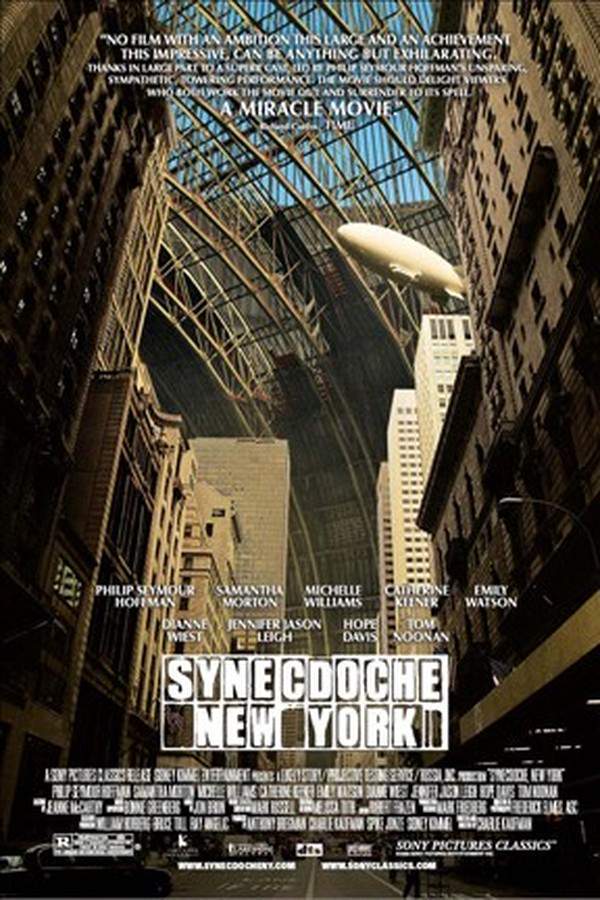
Movies about tragic artists like Reuben, Reuben

Intelligent, funny characters blaze a path to their own inevitable ruin. If you liked the sharp wit and tragic downfall in Reuben, Reuben, explore these other movies about self-destructive artists. These films blend intelligent humor with deep melancholy, following characters whose creative genius is shadowed by their addictions and flaws.

  • witty
  • tragic
  • self-destructive
  • melancholic
  • ironic
  • reflective
  • Tone: melancholic, ironic
  • Pacing: steady, character driven
Why these movies?

The story pattern: Stories in this thread follow a charismatic, intelligent protagonist—often an artist or intellectual—whose greatest strengths are also their fatal weaknesses. The narrative arc is typically a steady, character-driven decline, where moments of acerbic humor and potential redemption are overshadowed by ingrained self-destructive patterns, leading to a bleak or bittersweet conclusion.

Why they belong together: These films are grouped by their unique tonal blend of high-brow humor and profound sadness. They share a focus on character over plot, featuring protagonists who are as witty as they are tragic, creating a viewing experience that is intellectually stimulating and emotionally heavy.
Bleak character studies like Reuben, Reuben

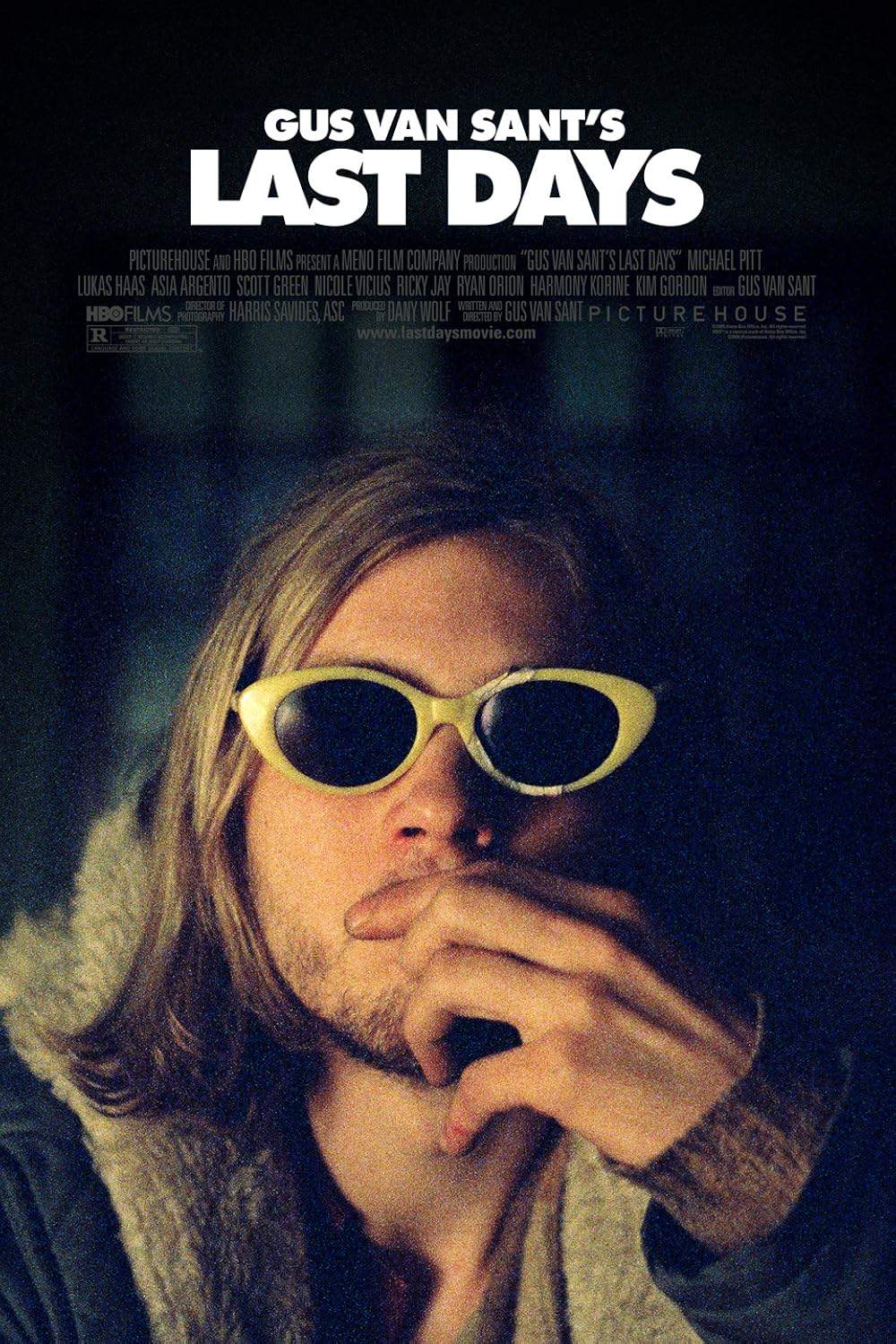
Intimate portraits of personal failure where hope flickers but ultimately dies. For viewers who appreciated the melancholic pacing and tragic ending of Reuben, Reuben, this list features similar movies with bleak character arcs. These films are emotionally heavy, steady-paced dramas centered on a protagonist's downfall and search for elusive redemption.

  • melancholic
  • bleak
  • tragic
  • unsettling
  • reflective
  • character-driven
  • Tone: melancholic, bleak
  • Pacing: steady, linear
Why these movies?

The story pattern: The narrative pattern is a focused, often linear examination of a character's life unraveling. The pacing is deliberate, allowing the audience to sit with the protagonist's mistakes and despair. The central conflict is internal—a battle against addiction, despair, or existential silence—that the character ultimately loses, making the ending feel inevitable and stark.

Why they belong together: This thread connects films based on their somber mood, steady pacing, and emotionally devastating conclusions. They prioritize a profound, intimate connection with a flawed character whose journey offers little comfort, appealing to viewers who appreciate depth and realism over uplift.

If you liked this

Movies Like Reuben, Reuben

Similar movies to Reuben, Reuben: the same genre, themes or kind of story. Each one comes with its own plot summary, timeline and ending explained.

Browse all movie summaries

Every angle

Reuben, Reuben (1983) Explained: Plot, Timeline & Characters

Everything about Reuben, Reuben in one place: what happens in the plot summary, the timeline in chronological order, the characters and meaning and a spoiler-free summary. What's After the Movie adds the cast, box office and post-credit scenes.

Coming soon on iOS and Android

The Plot Explained Movie Summary App

Plot summaries, endings explained and timelines on your phone. Catch up on any movie in minutes, save your favorites and never miss a twist again.

Be the first to know when we launch. Your email stays private, always.

Learn more about the app