Plot Explained Spoilers guaranteed!
Plot Explained

Browse by genre

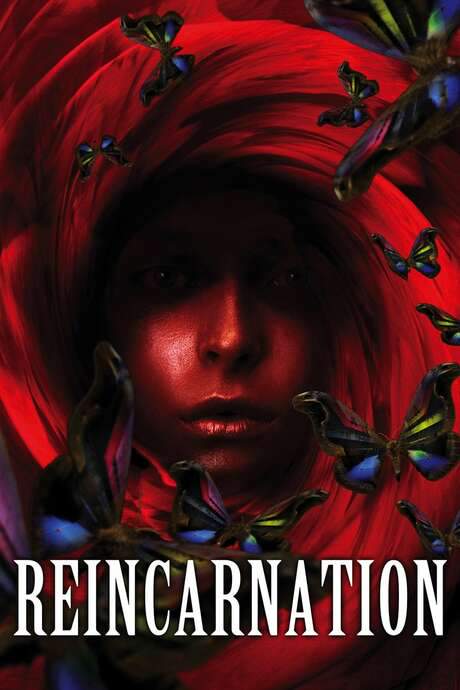
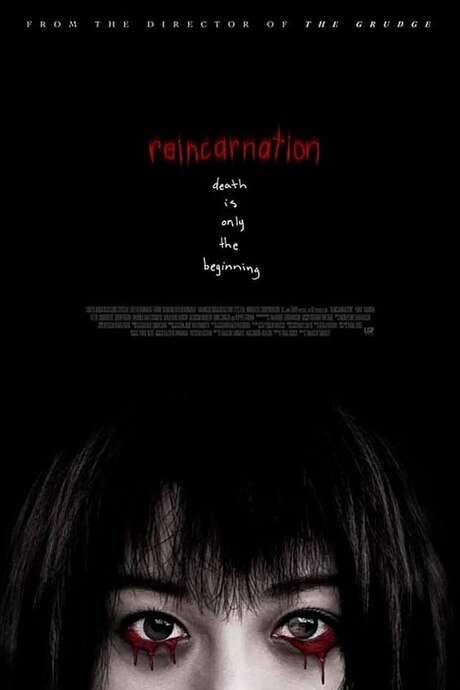
Reincarnation (2004) movie poster

Characters & Themes

Reincarnation (2004) Characters, Setting & Themes Explained

Release, runtime and language
2004 · 95 mins · Japanese
Directed by
Fei Wang
Starring
Xiang Ting Li, Joshua Michaell, Julia Sun

Yuka, a Japanese actress, encounters restless spirits after agreeing to star in a horror film based on the true story of a deranged professor who murdered 11 people, including his young daughter. The production is shot on the very site of the grisly killings. Directed by Takashi Shimizu (The Grudge), it is a dark, mesmerizing tale of crime, punishment and redemption.

On this page (7)
  1. 1 Characters explained (3)
  2. 2 Where & when it takes place
  3. 3 Themes & meaning (4)
  4. 4 Character & meaning questions
  5. 5 Movie threads
  6. 6 Movies like Reincarnation
  7. 7 Every angle

3 main characters · contains spoilers

Reincarnation Characters Explained: Who Is Who

The main characters of Reincarnation (2004), heroes and villains: what drives them, how they change over the course of the story and what each of them reveals about the film's bigger ideas.

  • Maestro (Xiang Ting Li)

    An enigmatic figure tied to the film’s world, Maestro exudes a calm that blurs the line between art and horror. Their presence on set hints at a disturbing control over events and a sense that history is orchestrating what happens next. The character embodies the idea that creation can unleash the very vengeance it seeks to understand.

    • 🕯️ Haunting presence
    • 🎭 Mystery
    • 🎬 On-set figure
  • Boyfriend (Joshua Michaell)

    A character connected to the film’s behind-the-scenes drama, whose interactions on set contribute to the growing tension as reality and fiction intertwine. Their role underscores the fragility of relationships amid a project consumed by a terrifying past. The part emphasizes how personal bonds can be tested when a production grounds itself in murder and memory.

    • 🎬 Supporting role
    • 🎭 Drama
    • 🕯️ Haunting
  • Young Protégé (Julia Sun)

    An aspiring performer within the story, the Young Protégé mirrors vulnerability and ambition while navigating a production haunted by its history. Her presence highlights how new talent confronts old traumas and the lure of reinvention through cinema. The character also serves as a conduit for the meta-narrative about memory and performance.

    • 🎭 Drama
    • 🪞 Past life
    • 🎬 On-set companion

Last updated: November 22, 2025 at 15:52

Was this helpful?

Setting

Where and When Does Reincarnation Take Place?

The setting of Reincarnation (2004): the year and time period, the places and locations, and how they shape the characters, the mood and the tension of the story.

Time period

1970s, mid-2000s

The timeline starts with the 1970 massacre at the hotel, establishing a traumatic past. Thirty-five years later, a horror director uses the same setting to recreate the events, bringing the story into the mid-2000s. This shift creates a contrast between a discreet, secretive era of horror and a contemporary world obsessed with reviving old crimes on screen. The film thus threads the years together through memory and séance-like repetition.

Location

Hotel, Film studio, Town, Mental ward

The story unfolds across several locations: a desolate local hotel where the 1970 massacre occurred, a film studio and on-location shoots in the surrounding town during the later era, and a mental ward where Nagisa is confined. Each setting anchors a different layer of the haunting—historic tragedy, modern filmmaking, and psychological containment. The town serves as a stage for the ghosts to traverse between past and present, while the ward embodies the attempt to separate nightmare from reality.

  • 🎭 Horror
  • 🕯️ Haunted
  • 🎬 Film production

Last updated: November 22, 2025 at 15:52

Was this helpful?

4 major themes

Reincarnation Meaning: Themes & Message Explained

What is Reincarnation (2004) really about? The emotional, social and philosophical themes the film keeps returning to, its symbolism and the message beneath the surface.

  • Past Lives

    The narrative treats bodies and places as vessels for memories that refuse to stay buried. Ghosts of the victims reappear across decades, suggesting souls traverse the living world through the film’s frame. Reincarnation is depicted less as metaphysical certainty and more as a process that bleeds into acting, filming, and spectatorship. The film invites viewers to question whether identity is fixed or carried forward by haunting histories.

  • Obsession

    Characters chase answers about reincarnation by immersing themselves in the past through the massacre’s footage. The director’s fixation to reconstruct the event mirrors the killer’s original fixation, linking creation and destruction. On-set hauntings intensify when fiction starts to mirror reality, making the line between cinema and horror dangerously thin. This obsession catalyzes the characters’ psychological unraveling.

  • Reality vs Illusion

    The film relentlessly blurs what is real with what is staged, as Nagisa reenacts events during her hallucinatory experiences. The camera’s eye seems to capture shifting truths, turning the act of filming into a gateway for supernatural influence. When actors transform into their roles and the past speaks through reflective surfaces, spectators are forced to doubt what they see. The result is a meta-narrative where storytelling becomes a dangerous conduit for spirits.

  • Haunting Presence

    Ghosts of the victims permeate every layer of the production, from the hotel’s past to the present shoot and the mental ward’s isolation. The souls request recognition through images, objects, and memory, unsettling both characters and viewers. The film builds atmosphere by letting hauntings intrude on choice, control, and the ethics of revisiting murder for art. The final images imply that the past remains active and jealous of the living.

Last updated: November 22, 2025 at 15:52

Was this helpful?

Character & theme questions

Reincarnation Characters & Meaning: Your Questions Answered

The questions people ask about Reincarnation (2004): who the characters really are, their relationships, what the symbols mean, where it takes place and what the movie is really about. Each answer contains spoilers.

Q1

Where is Reincarnation set?

The story takes place primarily at a desolate hotel where a mass killing occurred in 1970, a modern film studio and surrounding town where a horror movie is being produced, and a mental ward where the protagonist is later confined. These three settings represent different aspects of the haunting, historical tragedy, contemporary filmmaking, and psychological containment.

Foreshadowing: The hotel's dark history as a murder site establishes the foundation for the supernatural events that follow.

  • hotel setting
  • film studio
  • mental ward
  • locations
  • haunted hotel
Q2

When does Reincarnation take place?

The narrative spans two time periods: the 1970s when the original massacre occurred at the hotel, and the mid-2000s when a director films a horror movie at the same location. This 35-year gap creates a contrast between a more secretive era and a modern world that revives old crimes for entertainment.

Foreshadowing: The 1970 massacre establishes the traumatic foundation that echoes through the contemporary storyline.

  • 1970s
  • mid-2000s
  • time period
  • timeline
  • 35 years
Q3

What does Reincarnation say about past lives?

The film depicts reincarnation less as a metaphysical certainty and more as a process that bleeds into acting, filming, and spectatorship. Bodies and places become vessels for memories that refuse to stay buried, with ghosts traversing decades through the film's frame. The movie questions whether identity is fixed or carried forward by haunting histories.

Foreshadowing: The theme of past lives is established early through the 1970 massacre footage that resurfaces in the modern production.

  • past lives
  • reincarnation
  • memory
  • identity
  • souls
Q4

How does obsession drive the plot of Reincarnation?

Characters pursue answers about reincarnation by immersing themselves in the past through the massacre's footage. The director's fixation on reconstructing the event mirrors the killer's original obsession, linking creation with destruction. This obsession intensifies on-set hauntings as fiction begins mirroring reality.

Foreshadowing: The director's compulsive need to recreate the exact events sets the stage for the supernatural takeover.

  • obsession
  • director
  • filmmaking
  • recreation
  • destruction
Q5

How does Reincarnation blur reality and illusion?

The film relentlessly blurs what is real with what is staged, as the protagonist Nagisa reenacts events during hallucinatory experiences. The camera becomes a gateway for supernatural influence, and actors transform into their roles while the past speaks through reflective surfaces. This creates a meta-narrative where storytelling becomes a dangerous conduit for spirits.

Foreshadowing: Early scenes establish that the film's camera can capture shifting truths beyond normal perception.

  • reality
  • illusion
  • filmmaking
  • camera
  • meta-narrative
  • hallucinations
Q6

What role do ghosts play in Reincarnation?

Ghosts of the victims permeate every layer of the production, from the hotel's past to the present shoot and the mental ward's isolation. These spirits demand recognition through images, objects, and memory, unsettling characters and viewers alike. The film suggests the past remains active and jealous of the living.

Foreshadowing: The ghosts' presence escalates as the production progresses, intruding on the filmmakers' choices and control.

  • ghosts
  • haunting
  • spirits
  • victims
  • supernatural
Q7

Who is Nagisa and what is her role in the story?

Nagisa is the protagonist, a Japanese actress who begins experiencing restless spirits after agreeing to star in a horror film based on the true story of a professor who murdered 11 people. As filming progresses at the actual murder site, her reality fractures and she becomes increasingly haunted by visions of the brutal massacre.

Foreshadowing: Nagisa's vulnerability to the spirits is hinted at from her first arrival on the haunted set.

  • Nagisa
  • protagonist
  • actress
  • haunted
  • psychological
Q8

Who is Maestro in Reincarnation?

Maestro (Xiang Ting Li) is an enigmatic figure whose calm presence blurs the line between art and horror. Their presence on set hints at disturbing control over events, suggesting that history itself may be orchestrating what happens next. The character embodies how creation can unleash the very vengeance it seeks to understand.

Foreshadowing: Maestro's unsettling control becomes more apparent as the supernatural events intensify.

  • Maestro
  • Xiang Ting Li
  • enigmatic
  • control
  • orchestrator
Q9

What is the connection between filmmaking and the supernatural in Reincarnation?

The film creates a dangerous link between cinema and horror, where the act of filming becomes a gateway for supernatural influence. The horror director uses the actual murder site to recreate the events, and the production itself becomes a séance-like ritual that allows spirits to traverse between past and present.

Foreshadowing: The decision to film at the actual murder site is the catalyst for the escalating supernatural events.

  • filmmaking
  • film production
  • horror movie
  • camera
  • supernatural gateway
Q10

Why does the story end in a mental ward?

The protagonist Nagisa is confined to a mental ward as her reality fractures completely under the pressure of relentless hauntings. The ward represents the attempt to separate nightmare from reality, but also serves as another location where the past intrudes. The bleak ending suggests no resolution or escape from the tormenting ghosts.

Foreshadowing: The gradual deterioration of Nagisa's mental state foreshadows her eventual confinement.

  • mental ward
  • ending
  • Nagisa
  • confinement
  • psychological break
Q11

What kind of film is Reincarnation directed by Takashi Shimizu?

Directed by Takashi Shimizu (known for The Grudge), Reincarnation is a dark, mesmerizing horror-fantasy film that explores crime, punishment, and redemption. It uses the meta-concept of a film-within-a-film to create layered horror, blending supernatural haunting with psychological breakdown.

Foreshadowing: Shimizu's signature style of slow-building dread is evident from the opening scenes.

  • Takashi Shimizu
  • director
  • The Grudge
  • horror
  • fantasy

Movie threads

More Movies Like Reincarnation, by Mood & Story

Curated lists built around what makes Reincarnation tick: the same mood, the same kind of story or the same emotional payoff. Each list explains why these movies belong together.

Movies about haunted film productions like Reincarnation

Films where the act of making a film unleashes dark, supernatural forces. If you liked the unsettling premise of Reincarnation, where filming a horror movie about a real crime brings ghosts to life, you'll find more chilling movies here. This thread gathers stories where the act of creation itself becomes a curse, blurring reality and fiction in terrifying ways.

  • meta-horror
  • cursed
  • unsettling
  • claustrophobic
  • paranoid
  • suspenseful
  • Tone: dark, unsettling
  • Pacing: steady, building tension
Why these movies?

The story pattern: The narrative typically follows a group of artists—actors, directors, writers—who delve into a dark historical event or legend for their project. Their research and reenactment act as an invocation, drawing the actual malevolent forces or tragic spirits into their world. The conflict becomes about surviving the story they are trying to tell.

Why they belong together: These movies are grouped by their unique premise of a 'cursed production,' creating a sense of meta-horror. They share a vibe of self-reflexive dread, where characters are punished for their artistic ambition, and the setting of a film set becomes a claustrophobic trap for supernatural activity.


Movies with psychological unraveling like Reincarnation

Stories where a character's sanity steadily fractures under supernatural pressure. Fans of Reincarnation's portrayal of an actress losing her grip on reality will appreciate these films. This collection focuses on character-driven horror where the central terror is the slow, inevitable collapse of the protagonist's mind under supernatural or psychological strain.

  • psychological
  • slow burn
  • haunting
  • dread
  • melancholic
  • unsettling
  • Tone: dark, bleak, melancholic
  • Pacing: steady, slow burn
Why these movies?

The story pattern: The plot follows a single character's point of view as they experience increasingly disturbing and inexplicable events. The pacing is methodical, building dread not with jump scares but with the relentless accumulation of doubt and fear. The climax is often the character's complete mental surrender or institutionalization, with no clear victory over the forces tormenting them.

Why they belong together: These films are united by their focus on the internal landscape of horror. The similarity lies in the steady pacing, the high emotional weight of watching a psyche crumble, and the overwhelmingly bleak tone that offers no easy escapes or happy endings.

If you liked this

Movies Like Reincarnation

Similar movies to Reincarnation: the same genre, themes or kind of story. Each one comes with its own plot summary, timeline and ending explained.

Browse all movie summaries

Every angle

Reincarnation (2004) Explained: Plot, Timeline & Characters

Everything about Reincarnation in one place: what happens in the plot summary, the timeline in chronological order, the characters and meaning and a spoiler-free summary. What's After the Movie adds the cast, box office and post-credit scenes.

Coming soon on iOS and Android

The Plot Explained Movie Summary App

Plot summaries, endings explained and timelines on your phone. Catch up on any movie in minutes, save your favorites and never miss a twist again.

Be the first to know when we launch. Your email stays private, always.

Learn more about the app