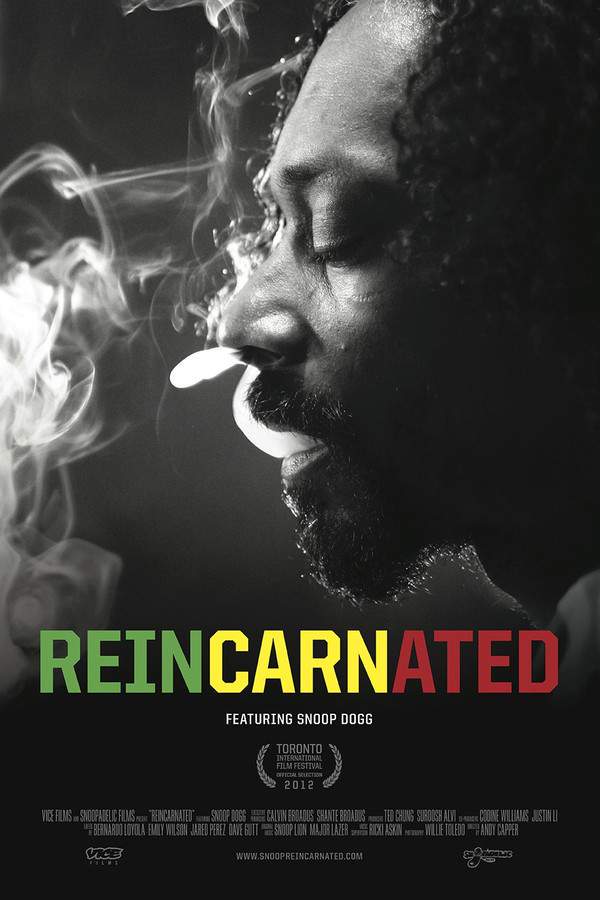
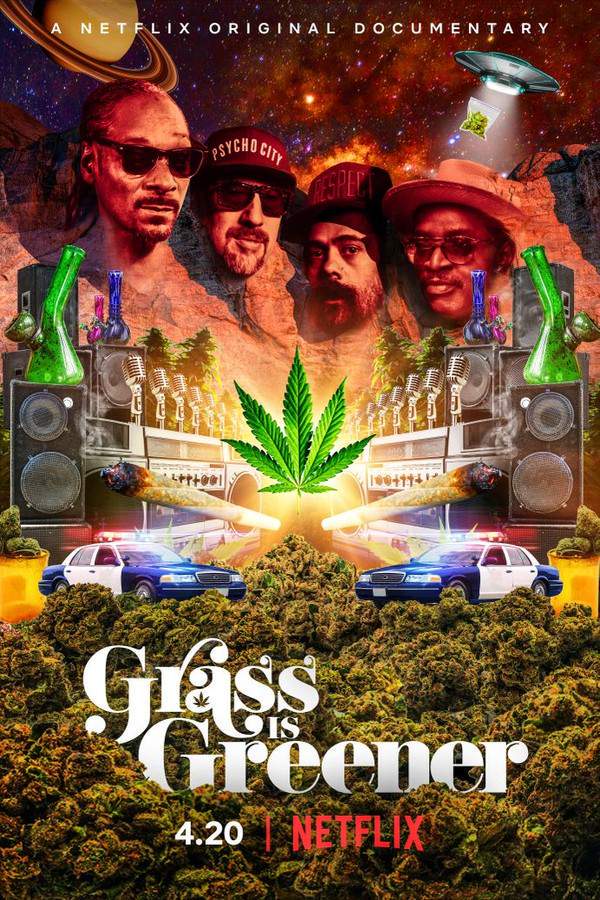
In this documentary, the iconic rapper and performer undergoes a visible transformation as he embraces a Rastafari-inspired path, stepping into a new persona often called Snoop Lion. The journey takes him to Jamaica, where the goal is to craft a reggae album and deepen his understanding of the Rastafari faith. The film uses a patient, observant lens to chart not just a musical shift but a broader shift in identity, sound, and purpose.
The narrative opens by looking back at a turbulent chapter in his past—time spent on Death Row Records, the losses of close friends Tupac Shakur and Nate Dogg, and the weight of a murder accusation that haunted him. These memories set the stage for a search that is as much spiritual as it is musical, inviting viewers to consider how history and hardship shape courage, compassion, and creativity. The mood is measured, allowing the audience to witness how past experiences inform every later decision.
As the camera travels with him through the Jamaican landscape, the emphasis moves from biography to belief. The documentary follows his exploration of Rastafari and a new style of music, revealing a willingness to listen, learn, and let a different cultural tradition guide his artistry. In Jamaica, he collaborates with respected reggae figures, including Bunny Wailer and Diplo, to bring the album Reincarnated to life—a project that centers on themes of love, peace, and nonviolence. The film treats these collaborations with care, showing how musical dialogue can bridge worlds and create something that feels both intimate and expansive.
Central to the journey is Wailer’s role as a patient guide, helping navigate the steps of this spiritual pilgrimage. Through a series of intimate conversations and moments on the road, the film captures Snoop’s reflections on why he chose Rastafari and what it means for his sense of self, art, and responsibility. These passages feel personal and unguarded, offering a rare window into the motivations behind a major reinvention and the vulnerability that accompanies it.
The documentary does not shy away from the cultural context surrounding Rastafari and reggae, presenting the ritual elements with nuance and respect. It also addresses the stereotype of heavy marijuana use associated with the faith, presenting it as part of a broader cultural practice rather than a sensational cue. The result is a balanced portrait that invites viewers to consider faith, community, and discipline as intertwined facets of a musician’s evolving path.
Throughout, the film maintains a steady, observational tone that avoids glamorizing either the fame or the faith. It emphasizes a patient, ongoing journey rather than a sudden transformation, underscoring how memory, music, and belief can converge to shape a new artistic horizon. The narrative threads together past pain, spiritual curiosity, collaborative creativity, and personal revelation to form a portrait of a performer who seeks meaning through reggae-infused reinvention.
Ultimately, the documentary presents a thoughtful meditation on how art can serve as both refuge and road, linking old wounds to new horizons. It invites viewers to contemplate how a public figure negotiates fame, faith, and family while charting a course toward a more peaceful, loving mode of expression. The result is a rich, multi-layered portrait that feels honest, introspective, and deliberately expansive.