
Rampaging Dragon of the North
Year: 1966
Runtime: 85 mins
Language: Japanese
Director: Kinji Fukasaku
After a stint with the yakuza, the son of a respected fisherman returns home to discover his father was killed on the orders of a local gang boss. He vows revenge while keeping his plans from a mother who has grown distant, blaming him for abandoning the family. This little‑seen Fukasaku film explores loyalty, community and the quest to honor both.
Warning: spoilers below!
Haven’t seen Rampaging Dragon of the North yet? This summary contains major spoilers. Bookmark the page, watch the movie, and come back for the full breakdown. If you're ready, scroll on and relive the story!
Timeline – Rampaging Dragon of the North (1966)
Trace every key event in Rampaging Dragon of the North (1966) with our detailed, chronological timeline. Perfect for unpacking nonlinear stories, spotting hidden connections, and understanding how each scene builds toward the film’s climax. Whether you're revisiting or decoding for the first time, this timeline gives you the full picture.
Last updated: October 09, 2025 at 11:11
Rampaging Dragon of the North (1966) Timeline Questions Answered – Chronology FAQ
Find frequently asked questions about the Rampaging Dragon of the North (1966) timeline, including chronological order, nonlinear jumps, cause-and-effect links, and scene sequence clarifications. This timeline FAQ helps explain when key events happen, how moments connect, and why the story unfolds in that specific order.
Why does Jiro return to the village after being with the yakuza?
Jiro returns because he hears about the village being punished by Gen Ashida. When he arrives, he discovers that Ashida has destroyed boats and gear to force the Yamagata family and their allied fishermen into obedience. More importantly, he learns his father has been killed, which motivates him to stay and seek revenge while also trying to reconnect with his estranged family.
Why does Jiro's mother refuse to let him stay and blame him for leaving?
Jiro's mother holds a grudge because he abandoned the family to join the yakuza. She sees his return as selfish, particularly since the village is now suffering under Ashida's control. She also blames him for the loss of his father, reflecting the community's view that his departure weakened the family during a difficult time.
Why does Jiro's father forgive him before dying?
Before dying, Jiro's father forgave him for leaving, which becomes a crucial motivation for Jiro's entire revenge arc. This forgiveness represents unconditional family loyalty and gives Jiro the moral foundation to fight for the village. The memory of his father's forgiveness pushes him to seek vengeance against Ashida.
How does Gen Ashida control the village economically?
Gen Ashida forces the village into submission by refusing to let them sell fish to anyone except his operation. He dumps captured fish back into the sea to inflate prices and ensures the villagers cannot earn enough to cover fuel costs. When Aida (Reiko's father) tries to resist, Ashida's men beat him, demonstrating that economic oppression is backed by physical violence.
Why does Shinkichi die during the festival attack?
Shinkichi dies because he and Toshi attempt to steal fireworks during the festival to attack Ashida's men. Gen Ashida retaliates by shooting Shinkichi, who dies in Jiro's arms. His death is a tragic consequence of the rebels' plan going wrong, and Shinkichi's final message, that the struggle will not end peacefully, hardens Jiro's resolve against the Ashida clan.
Why does Gen kill Kumai's dog Koro?
Gen kills Kumai's dog Koro to prevent the planned duel between Kumai and Jiro. When Kumai offers to kill Jiro directly, Gen sees an opportunity but instead sabotages the arrangement by killing the dog and shooting Kumai in the arm. This act of cruelty demonstrates Gen's manipulation and ultimately drives Kumai to switch sides.
Why does Kumai switch sides and help the fishermen?
Kumai switches sides because Gen kills his dog Koro and shoots him in the arm, betraying their fragile agreement. Additionally, Kumai reveals that a member of his own family was killed by Ashida's men. This combination of personal loss and broken trust convinces him to join Jiro, and he later reveals his family's fishing clan tattoo as a symbol of his new allegiance.
Why doesn't Jiro kill Gen Ashida at the end?
Jiro stops himself from killing Gen when he sees a father weeping over his dead son. This moment of grief mirrors Jiro's own loss of his brother Shinkichi, and he realizes that continuing the cycle of vengeance only creates more suffering. The sight stops his hand, showing that revenge has exacted a profound emotional cost.
Why does Jiro turn himself in to the police at the end?
Jiro turns himself in to take sole responsibility for the murders and bloodshed that occurred during the conflict with Ashida. While the village prospers from their new independence, Jiro carries the personal weight of all the deaths, including his brother Shinkichi and Kumai. He chooses justice over freedom, understanding that his actions, though aimed at saving the village, required accounting for their consequences.
Why do the fishermen need to take the boats out to sea themselves?
The fishermen must take Ashida's boats out to sea to sell their catch directly in expanded markets. Previously, Ashida controlled all sales and refused to let villagers sell to anyone else. By seizing the boats and operating independently, the fishermen break Ashida's economic stranglehold and create their own profitable trade routes, achieving true community independence.
What happens to the village after defeating Ashida?
After defeating Ashida's clan, the fishermen unite and prosper. They secure new boats, catch larger hauls, and sell fish for themselves rather than through outside profiteers. The village becomes self-reliant and economically stronger. However, this communal success comes at a personal cost for Jiro, who turns himself in, illustrating that victory brings both hope and sacrifice.
What is the significance of Kumai's tattoo?
Kumai reveals a large tattoo on his back marking his family's fishing clan heritage. This tattoo signifies that despite his involvement with gambling and Ashida's operations, Kumai comes from the same fishing tradition as the village. The reveal strengthens the alliance by showing he shares their roots, and his subsequent switching of sides represents a return to his true identity.

Explore Movie Threads
Discover curated groups of movies connected by mood, themes, and story style. Browse collections built around emotion, atmosphere, and narrative focus to easily find films that match what you feel like watching right now.
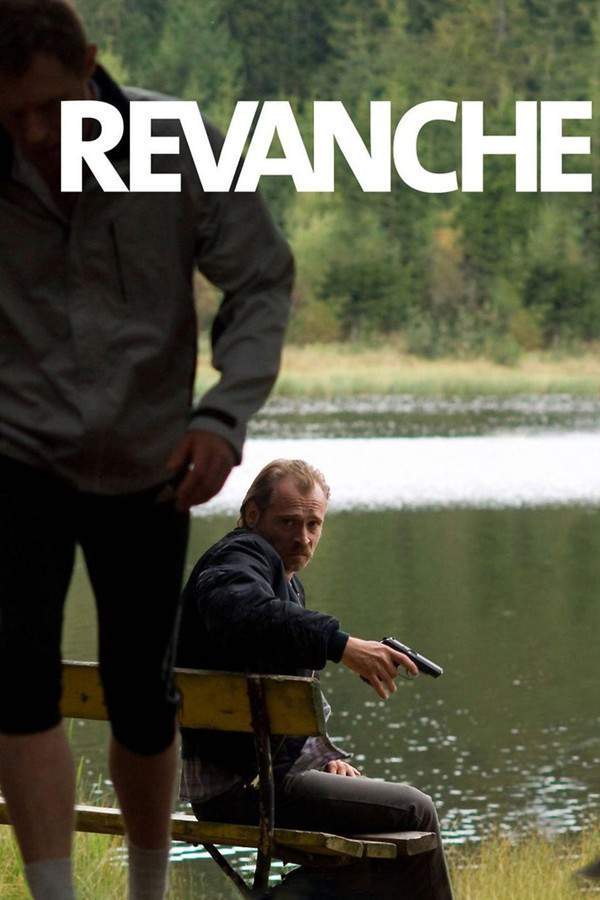
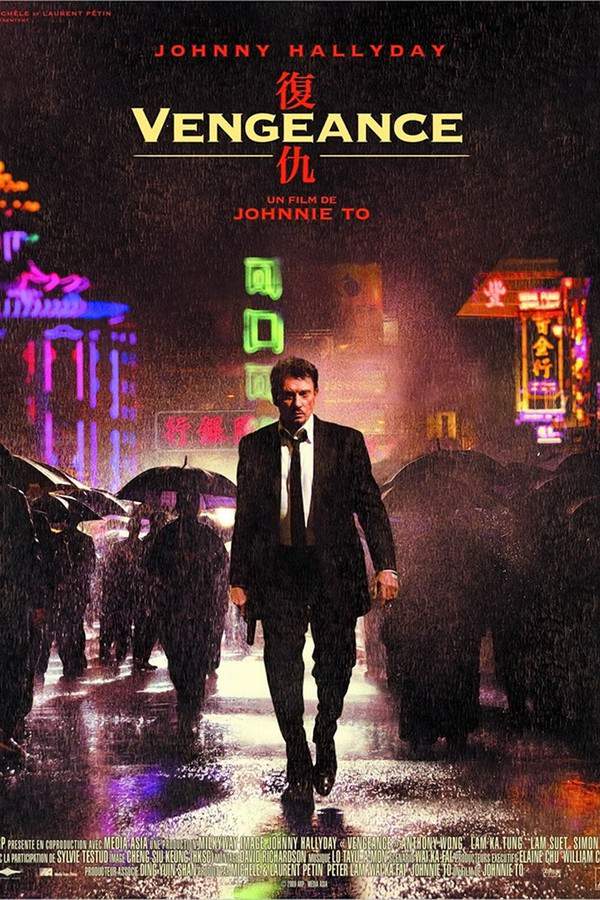
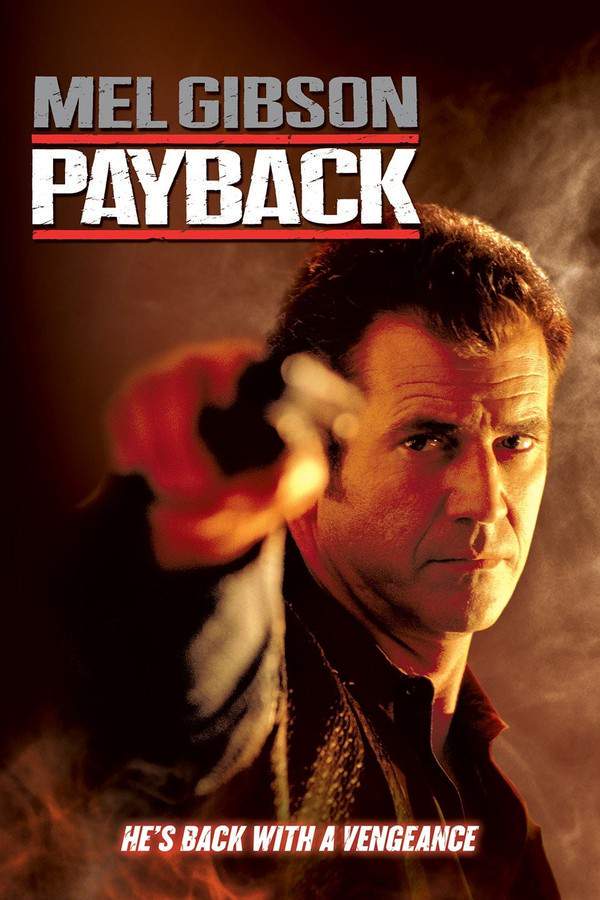
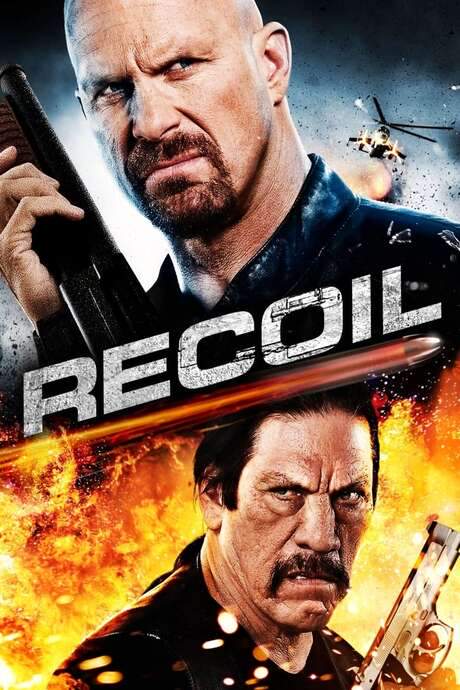
Movies about costly revenge like Rampaging Dragon of the North
Stories where vengeance is achieved, but at a devastating personal price.If you enjoyed the bittersweet victory of Rampaging Dragon of the North, explore these movies where characters achieve their revenge but sacrifice their own happiness, freedom, or innocence. These stories delve into the moral cost of vengeance, offering similar heavy emotional weight and dark, reflective conclusions.










Narrative Summary
Stories in this thread typically follow a linear path of retribution against a clear antagonist. The narrative drive is the protagonist's singular focus on revenge, which they achieve, but the final act reveals the irreversible damage done to their own life, often through sacrifice, imprisonment, or emotional isolation.
Why These Movies?
These movies are grouped by their shared exploration of vengeance's true price. They resonate with a specific emotional mix: the grim satisfaction of a goal achieved paired with the heavy sorrow of personal loss, resulting in a powerfully bittersweet and thought-provoking ending.
Gritty yakuza crime dramas like Rampaging Dragon of the North
Gritty, character-driven tales of loyalty and violence within the criminal underworld.Fans of the oppressive atmosphere and community-focused conflict in Rampaging Dragon of the North will appreciate these similar gritty yakuza stories. These movies share a dark tone, high stakes, and a focus on the moral complexities and economic struggles within crime-ridden settings.

The Yakuza
1974

Graveyard of Honor
2002

Japan Organized Crime Boss
1969

Battles Without Honor and Humanity
1973

Bloodstained Clan of Honor
1970

Graveyard of Honor
1975

Yakuza Weapon
2011

New Battles Without Honor and Humanity 1
1974

League of Gangsters
1963
The Outsider
2018

Full Metal Yakuza
1997

Street Mobster
1972

Pure Japanese
2022
Outrage
2011
Shinjuku Incident
2010
Narrative Summary
These narratives often center on a protagonist caught between their criminal ties and their duty to family or community. The conflict is external, involving a powerful oppressive force, but also internal, grappling with moral codes. The pacing is steady, building tension through escalating confrontations that feel grounded and consequential.
Why These Movies?
They are linked by a shared commitment to a realistic, somber portrayal of organized crime. The vibe is consistently oppressive and violent, with a focus on how criminal enterprises devastate communities and test personal loyalties, rather than romanticizing the gangster lifestyle.
Unlock the Full Story of Rampaging Dragon of the North
Don't stop at just watching - explore Rampaging Dragon of the North in full detail. From the complete plot summary and scene-by-scene timeline to character breakdowns, thematic analysis, and a deep dive into the ending - every page helps you truly understand what Rampaging Dragon of the North is all about. Plus, discover what's next after the movie.
Rampaging Dragon of the North Summary
Read a complete plot summary of Rampaging Dragon of the North, including all key story points, character arcs, and turning points. This in-depth recap is ideal for understanding the narrative structure or reviewing what happened in the movie.

Characters, Settings & Themes in Rampaging Dragon of the North
Discover the characters, locations, and core themes that shape Rampaging Dragon of the North. Get insights into symbolic elements, setting significance, and deeper narrative meaning - ideal for thematic analysis and movie breakdowns.


Similar Movies to Rampaging Dragon of the North
Discover movies like Rampaging Dragon of the North that share similar genres, themes, and storytelling elements. Whether you’re drawn to the atmosphere, character arcs, or plot structure, these curated recommendations will help you explore more films you’ll love.

Tiger and Dragon
1000

The Dragon Fighter
1990

The Dragon from Russia
1990

Tokyo Dragon Chef
2020

Ninja Dragon
1986

The Dragon Family
1988

The Young Dragons
1974

The Green Dragon Inn
1977

Return of the Dragon
1974

The Machine Gun Dragon
1976

Return of Daimajin
1966

Dragon Princess
1976

Dragon Fist
1979

Karate Warriors
1976

Dragon’s Claws
1979
Explore More About Movie Rampaging Dragon of the North
Rampaging Dragon of the North (1966) Plot Summary & Movie Recap
Rampaging Dragon of the North (1966) Scene-by-Scene Movie Timeline
Rampaging Dragon of the North (1966) Spoiler-Free Summary & Key Flow
Movies Like Rampaging Dragon of the North – Similar Titles You’ll Enjoy
Tiger and Dragon (1000) Full Summary & Key Details
The Dragon Fighter (1990) Story Summary & Characters
The Dragon from Russia (1990) Ending Explained & Film Insights
Tokyo Dragon Chef (2020) Detailed Story Recap
Ninja Dragon (1986) Full Movie Breakdown
The Dragon Family (1988) Full Movie Breakdown
The Young Dragons (1974) Full Summary & Key Details
The Green Dragon Inn (1977) Movie Recap & Themes
Return of the Dragon (1974) Movie Recap & Themes
The Machine Gun Dragon (1976) Ending Explained & Film Insights
Return of Daimajin (1966) Film Overview & Timeline
Dragon Princess (1976) Detailed Story Recap
Dragon Fist (1979) Full Movie Breakdown
Karate Warriors (1976) Story Summary & Characters
Dragon’s Claws (1979) Story Summary & Characters