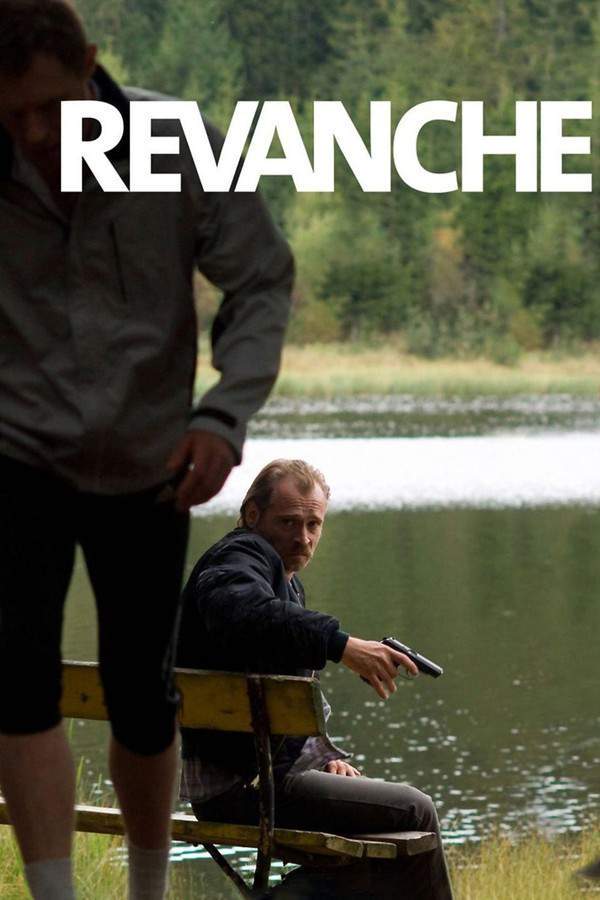
Starring Nijiko Kiyokawa, Jiro Okazaki, Hideo Murota, and Joji Takagi, this story follows [Jiro Okazaki] as the fisherman's son who returns to his coastal village after a stint with the yakuza. The moment he steps back onto the docks, he discovers that Gen Ashida [Hideo Murota] has exacted punishment on the community, destroying boats and gear in a bid to force obedience from the Yamagata family and their allied fishermen. His mother resists letting a yakuza stay in their home, while his childhood friend Reiko explains that Jiro’s father has been killed and his brother Toshio reveals that their father had forgiven Jiro for leaving. With that memory pushing him forward, Jiro resolves to seek vengeance, even as he pretends to be content with a drunken brawl to hide his true purpose from his mother.
As the Ashida clan tightens its grip, Aida, Reiko’s father and the new boss of the fishermen, hears from Ashida’s enforcers that payments for fish will be cut, though the village remains barred from selling to others. In a bid to turn the tide, Jiro’s youngest brother Shinkichi and another young fisherman named Toshi volunteer to help. One night, the men gamble away their money in a scheme run by Kumai [Joji Takagi] and his men, but Jiro recovers the losses by winning back the money for them. Kumai later tries to reclaim the winnings from Jiro; the confrontation escalates, and Jiro’s ruthlessness grows as he learns more about the Ashida clan’s strength and the fact that Gen’s rifle is their primary weapon. During a festival, Shinkichi and Toshi steal fireworks to stage an attack on Ashida’s men, but tragedy strikes when Shinkichi is shot and washes ashore in Jiro’s arms, dying with a message that the struggle will not end peacefully.
Gen Ashida ::the man behind the cruelty:: dumps the village’s captured fish back into the sea to inflate prices and refuses to allow more fishing, insisting that the villagers won’t earn enough to cover fuel costs. When Aida resists, he is beaten, and Gen wonders whether killing Jiro would deter others from uniting against the Ashida clan. Gen suggests using Kumai to finish the job, but Kumai’s loyalty shifts instead of breaking: he confronts Jiro openly, and Gen retaliates by killing Kumai’s dog Koro and then wounding Kumai, putting an abrupt stop to the planned duel. Jiro returns to a village set ablaze by Ashida’s men, and with his mother trapped inside, he manages a dangerous rescue that recovers the memorials to her husband and son.
At a breaking point, the fishermen’s families join forces with Jiro. He guides them to scatter the hoodlums and to take Ashida’s boats out to sea, expanding their markets and fortifying their communities. Kumai reveals a tattooed back that marks his family’s fishing clan and confesses that a relative has died in the conflict, declaring he’s switching sides. Ashida’s men press the pursuit to the beach, but Jiro’s crew uses Molotov cocktails, swords, and pikes to overpower them. When Gen arrives with his rifle, Kumai intervenes and prevents the shot from landing on Jiro. In a fatal exchange, Gen shoots Kumai, and Kumai dies after telling Jiro that he, too, has avenged his dog Koro. The sight of a father weeping over his dead son stops Jiro from killing Gen, a moment that starkly reflects the heavy cost of vengeance.
With the combined strength of the village, the fishermen secure new boats and a larger haul, selling fish for themselves rather than outside profiteers. Yet Jiro chooses a painful path: he steps away from the crowd and goes to the police, taking sole responsibility for the murders and the bloodshed that followed. The alliance has triumphed on the water and in the market, but at a personal price, and the village learns the hard fact that justice sometimes weighs as heavily as survival.