
Rampaging Dragon of the North
Year: 1966
Runtime: 85 mins
Language: Japanese
Director: Kinji Fukasaku
After a stint with the yakuza, the son of a respected fisherman returns home to discover his father was killed on the orders of a local gang boss. He vows revenge while keeping his plans from a mother who has grown distant, blaming him for abandoning the family. This little‑seen Fukasaku film explores loyalty, community and the quest to honor both.
Warning: spoilers below!
Haven’t seen Rampaging Dragon of the North yet? This summary contains major spoilers. Bookmark the page, watch the movie, and come back for the full breakdown. If you're ready, scroll on and relive the story!
Timeline & Setting – Rampaging Dragon of the North (1966)
Explore the full timeline and setting of Rampaging Dragon of the North (1966). Follow every major event in chronological order and see how the environment shapes the story, characters, and dramatic tension.
Last updated: October 04, 2025 at 16:12
Main Characters – Rampaging Dragon of the North (1966)
Meet the key characters of Rampaging Dragon of the North (1966), with detailed profiles, motivations, and roles in the plot. Understand their emotional journeys and what they reveal about the film’s deeper themes.
Last updated: October 04, 2025 at 16:12
Major Themes – Rampaging Dragon of the North (1966)
Explore the central themes of Rampaging Dragon of the North (1966), from psychological, social, and emotional dimensions to philosophical messages. Understand what the film is really saying beneath the surface.
Last updated: October 04, 2025 at 16:12
Rampaging Dragon of the North (1966) Character & Theme Questions Answered – Info FAQ
Browse frequently asked questions about Rampaging Dragon of the North (1966) focused on characters, relationships, themes, symbols, setting, and story context. This movie info FAQ gives spoiler-aware explanations for character arcs, world details, and thematic interpretation so readers can better understand what the film is really about.
Where is Rampaging Dragon of the North set?
The movie takes place in a coastal fishing village under the control of the Ashida criminal clan. The Ashida headquarters looms over the harbor, representing their grip on the village's trade and livelihood. The story centers around the harbor, festival grounds, and the surrounding water where the final confrontation unfolds.
What does the theme of revenge mean in Rampaging Dragon of the North?
Jiro returns home specifically to avenge his father's murder and defend his village's dignity. The story examines whether justice is achieved through violence or restraint, as Jiro must weigh his personal desire for revenge against the safety of those around him. His ultimate choice to turn himself in suggests the movie questions whether vengeance truly delivers justice.
Who is Jiro Okazaki?
Jiro Okazaki is the son of a respected fisherman who returns to his coastal village after involvement with the yakuza. He discovers his father was killed by the Ashida clan and vows revenge while keeping his plans hidden from his mother, who blames him for abandoning the family. He gathers a group of villagers to challenge the Ashida clan's oppression.
Who is Gen Ashida?
Gen Ashida is the ruthless boss of the Ashida criminal clan that controls the fishing village. He wields power through fear and violence, using his rifle and brutal force to subdue the villagers and crush any opposition. He orders the murder of Jiro's father and later kills Shinkichi during a festival.
What is the theme of solidarity in the movie?
Facing oppression from the Ashida clan, the village's fishermen unite and form an alliance to challenge their oppressors. Former rivalries dissolve as they pool their boats and courage to defend their livelihoods. This collective effort showcases the power of community when survival is at stake.
Who is Kumai Go?
Kumai Go is Gen Ashida's bodyguard who ultimately shifts sides to help Jiro and the villagers. He reveals his loyalty to the fishing families but is fatally shot by Gen after preventing him from shooting Jiro. His betrayal of Gen represents the cost of shifting loyalties in a world ruled by violence.
What does the theme of sacrifice mean in Rampaging Dragon of the North?
The movie features costly sacrifices as individuals risk everything for the common good. Jiro chooses responsibility over personal freedom by turning himself in to police. Kumai's death underscores the price of shifting loyalties. The ending suggests true fulfillment comes from accountability rather than vengeance.
Who is Reiko?
Reiko is Jiro's childhood friend and daughter of Aida, the boss of the village fishermen. She supports Jiro and helps expose the pressures the Ashida clan places on the village. Her role represents the personal connections that bind the community together under threat.
Who is Aida?
Aida is Reiko's father and the boss of the village fishermen who must negotiate with the Ashida clan. He embodies the burden of leadership in a community where profits depend on the sea and where outsiders threaten their livelihood. His position forces him to make difficult compromises.
What is the ending about?
The ending is bittersweet, the village achieves independence from the Ashida clan, but Jiro turns himself in to police, sacrificing his personal freedom. This contrast emphasizes that justice comes at a profound personal cost, with communal success tempered by individual tragedy.
What does the setting represent in the movie?
The coastal fishing village represents a community at risk, where the sea provides livelihood but also vulnerability. The Ashida headquarters rising over the harbor symbolizes the clan's control over the village's trade and lives. The water becomes the arena where dignity is fought for and either preserved or lost.

Explore Movie Threads
Discover curated groups of movies connected by mood, themes, and story style. Browse collections built around emotion, atmosphere, and narrative focus to easily find films that match what you feel like watching right now.
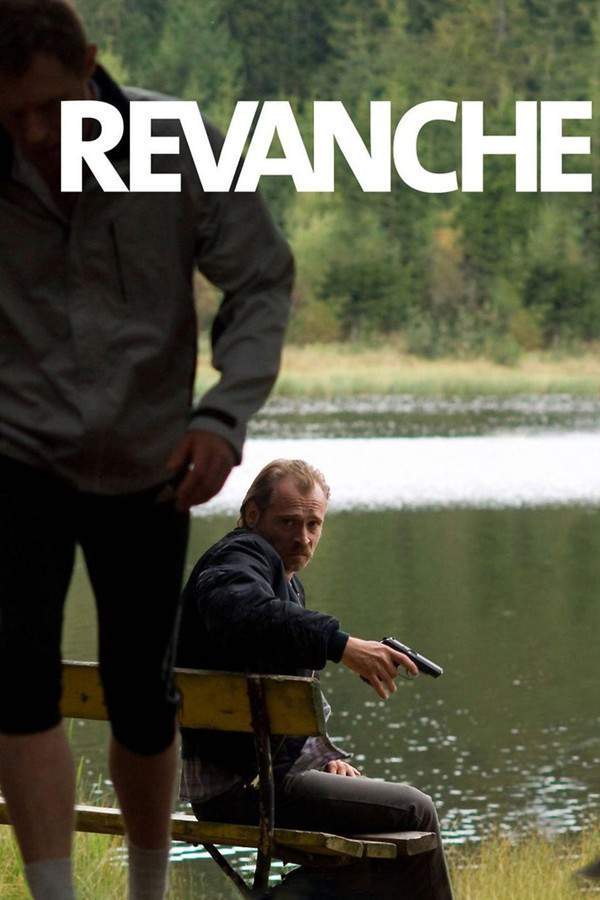
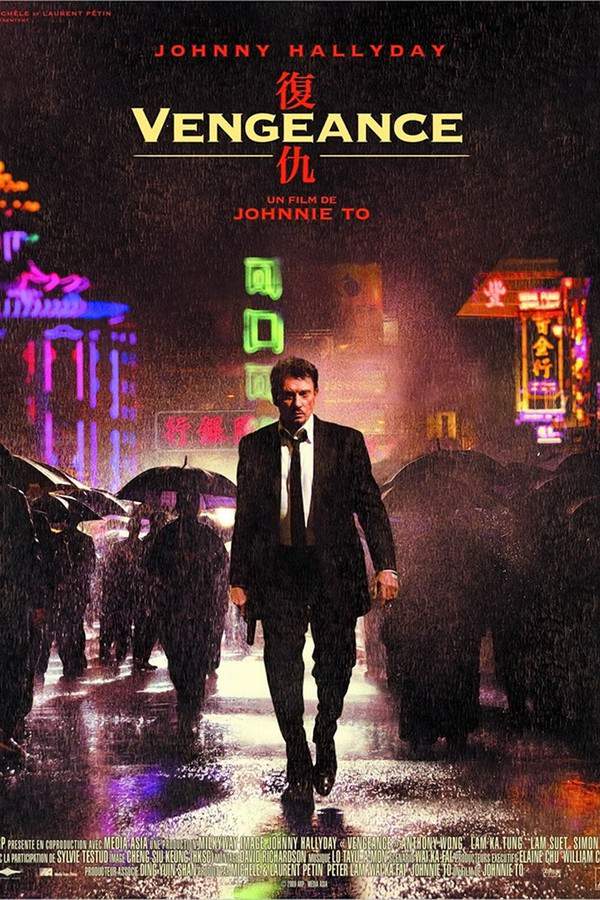
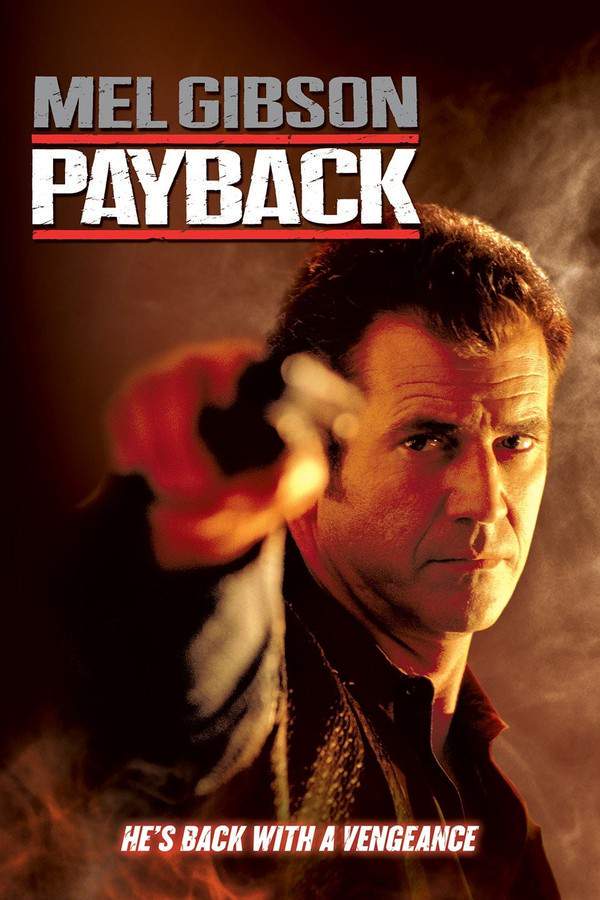
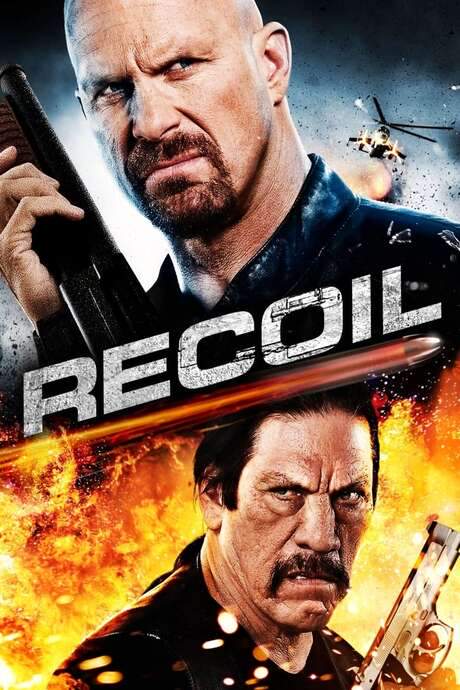
Movies about costly revenge like Rampaging Dragon of the North
Stories where vengeance is achieved, but at a devastating personal price.If you enjoyed the bittersweet victory of Rampaging Dragon of the North, explore these movies where characters achieve their revenge but sacrifice their own happiness, freedom, or innocence. These stories delve into the moral cost of vengeance, offering similar heavy emotional weight and dark, reflective conclusions.










Narrative Summary
Stories in this thread typically follow a linear path of retribution against a clear antagonist. The narrative drive is the protagonist's singular focus on revenge, which they achieve, but the final act reveals the irreversible damage done to their own life, often through sacrifice, imprisonment, or emotional isolation.
Why These Movies?
These movies are grouped by their shared exploration of vengeance's true price. They resonate with a specific emotional mix: the grim satisfaction of a goal achieved paired with the heavy sorrow of personal loss, resulting in a powerfully bittersweet and thought-provoking ending.
Gritty yakuza crime dramas like Rampaging Dragon of the North
Gritty, character-driven tales of loyalty and violence within the criminal underworld.Fans of the oppressive atmosphere and community-focused conflict in Rampaging Dragon of the North will appreciate these similar gritty yakuza stories. These movies share a dark tone, high stakes, and a focus on the moral complexities and economic struggles within crime-ridden settings.

The Yakuza
1974

Graveyard of Honor
2002

Japan Organized Crime Boss
1969

Battles Without Honor and Humanity
1973

Bloodstained Clan of Honor
1970

Graveyard of Honor
1975

Yakuza Weapon
2011

New Battles Without Honor and Humanity 1
1974

League of Gangsters
1963
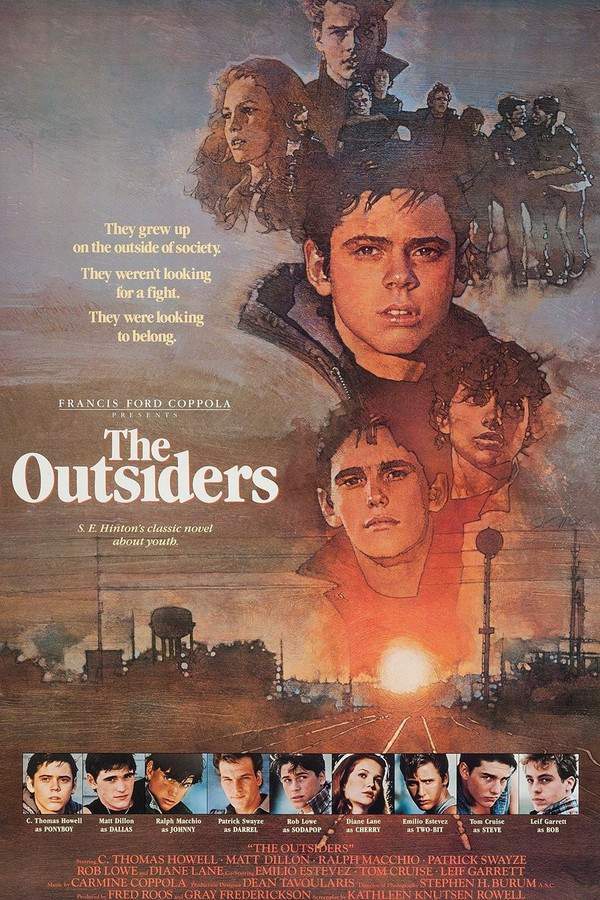
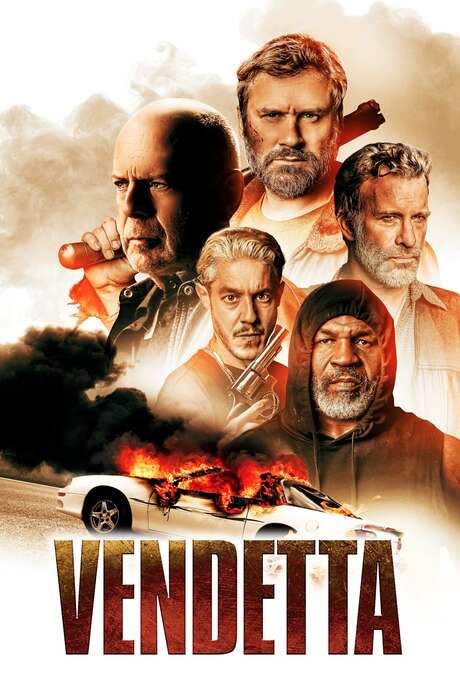
The Outsider
2018

Full Metal Yakuza
1997

Street Mobster
1972

Pure Japanese
2022
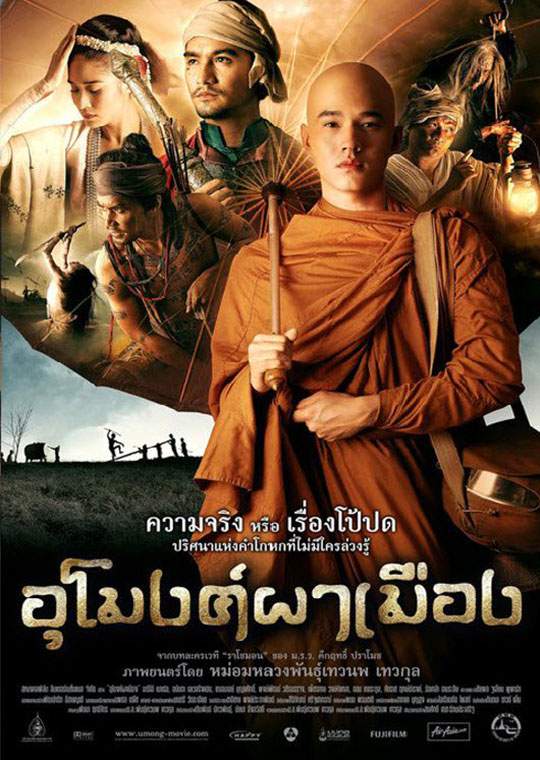
Outrage
2011
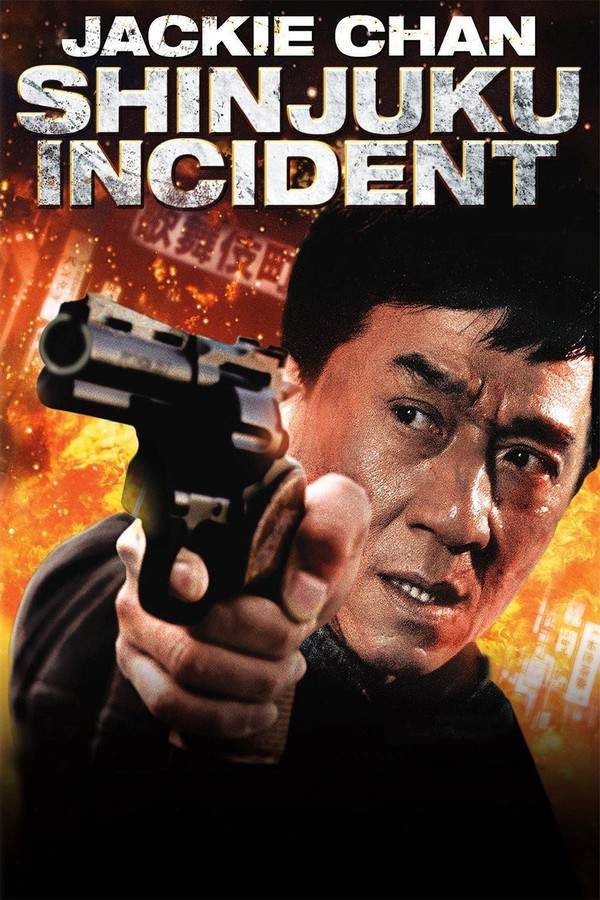
Shinjuku Incident
2010
Narrative Summary
These narratives often center on a protagonist caught between their criminal ties and their duty to family or community. The conflict is external, involving a powerful oppressive force, but also internal, grappling with moral codes. The pacing is steady, building tension through escalating confrontations that feel grounded and consequential.
Why These Movies?
They are linked by a shared commitment to a realistic, somber portrayal of organized crime. The vibe is consistently oppressive and violent, with a focus on how criminal enterprises devastate communities and test personal loyalties, rather than romanticizing the gangster lifestyle.
Unlock the Full Story of Rampaging Dragon of the North
Don't stop at just watching - explore Rampaging Dragon of the North in full detail. From the complete plot summary and scene-by-scene timeline to character breakdowns, thematic analysis, and a deep dive into the ending - every page helps you truly understand what Rampaging Dragon of the North is all about. Plus, discover what's next after the movie.
Rampaging Dragon of the North Summary
Read a complete plot summary of Rampaging Dragon of the North, including all key story points, character arcs, and turning points. This in-depth recap is ideal for understanding the narrative structure or reviewing what happened in the movie.

Rampaging Dragon of the North Timeline
Track the full timeline of Rampaging Dragon of the North with every major event arranged chronologically. Perfect for decoding non-linear storytelling, flashbacks, or parallel narratives with a clear scene-by-scene breakdown.


Similar Movies to Rampaging Dragon of the North
Discover movies like Rampaging Dragon of the North that share similar genres, themes, and storytelling elements. Whether you’re drawn to the atmosphere, character arcs, or plot structure, these curated recommendations will help you explore more films you’ll love.

Tiger and Dragon
1000

The Dragon Fighter
1990

The Dragon from Russia
1990

Tokyo Dragon Chef
2020

Ninja Dragon
1986

The Dragon Family
1988

The Young Dragons
1974

The Green Dragon Inn
1977

Return of the Dragon
1974

The Machine Gun Dragon
1976

Return of Daimajin
1966

Dragon Princess
1976

Dragon Fist
1979

Karate Warriors
1976

Dragon’s Claws
1979
Explore More About Movie Rampaging Dragon of the North
Rampaging Dragon of the North (1966) Plot Summary & Movie Recap
Rampaging Dragon of the North (1966) Scene-by-Scene Movie Timeline
Rampaging Dragon of the North (1966) Spoiler-Free Summary & Key Flow
Movies Like Rampaging Dragon of the North – Similar Titles You’ll Enjoy
Tiger and Dragon (1000) Full Summary & Key Details
The Dragon Fighter (1990) Full Movie Breakdown
The Dragon from Russia (1990) Full Movie Breakdown
Tokyo Dragon Chef (2020) Film Overview & Timeline
Ninja Dragon (1986) Film Overview & Timeline
The Dragon Family (1988) Detailed Story Recap
The Young Dragons (1974) Full Summary & Key Details
The Green Dragon Inn (1977) Film Overview & Timeline
Return of the Dragon (1974) Movie Recap & Themes
The Machine Gun Dragon (1976) Full Movie Breakdown
Return of Daimajin (1966) Movie Recap & Themes
Dragon Princess (1976) Spoiler-Packed Plot Recap
Dragon Fist (1979) Detailed Story Recap
Karate Warriors (1976) Complete Plot Breakdown
Dragon’s Claws (1979) Spoiler-Packed Plot Recap