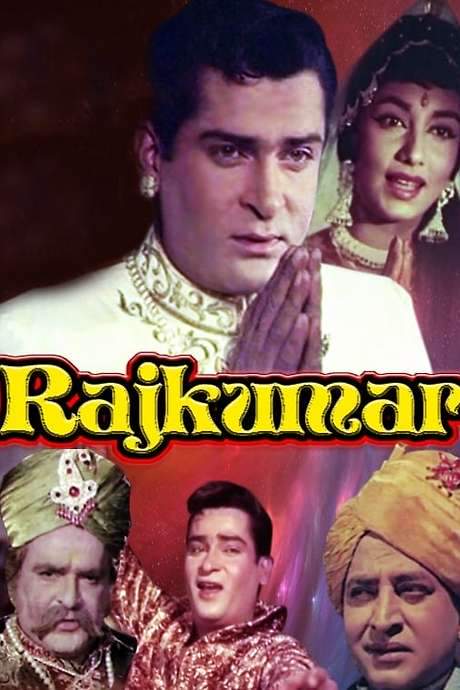
The Maharaja is eager to see his foreign-returned son, Prince Bhanu Pratap, who is meant to stand next in line to govern the realm. When the prince finally appears, the king is stunned to realize that the heir looks more like a [clown] than a future sovereign. This jarring contrast shakes the palace’s sense of legitimacy, and the Maharaja decides to maintain his own rule rather than prematurely surrender power. The royal burden weighs heavily, and the fear of instability gnaws at the edges of the kingdom as the public watches with growing curiosity.
To test the genuine loyalties of those around him and to gauge any hidden threats to the throne, [Prince Bhanu Pratap] partners with his loyal friend Kapil to go undercover, blending in with the general populace and stepping outside the gilded walls of the palace. They trade palace etiquette for street chatter, listening for whispers of dissent and surveying the mood of ordinary people who might be swept up in a larger conspiracy. The undercover venture becomes a dangerous probe into the heart of the kingdom, where small suspicions can spiral into deadly plots and where the prince’s actions could determine the fate of everyone he loves. What they uncover will rewrite their paths and put the lives of their closest companions at risk, testing their courage and resolve in ways they never anticipated.
The danger becomes personal when [Narpat Singh], the brother of the prince’s stepmother, emerges as a ruthless antagonist. He murders the tribal king and, in a calculated move, incriminates [Prince Bhanu Pratap] in the crime, seeding distrust and setting in motion a vendetta that will force a courageous decision from the kingdom’s people. This act of treachery pushes the murdered king’s daughter, [Princess Sangeeta], to vow vengeance for her father’s death, which in turn tightens the noose around the imprisoned and unsettled royal family. The Maharaja, aware of the mounting fury and the dangerous implications, assures her that justice will be pursued—promising a resolution on the following day and hoping to avert a widening cycle of bloodshed.
In a bold gambit, [Prince Bhanu Pratap] escapes the palace with the help of his steadfast friend and adopts the alias [Bhagat Ram], slipping away to continue his covert mission while he also forms a fragile romance with the unaware [Princess Sangeeta]. The ruse gives him the chance to gather proof of his innocence and present it to the wary Maharaja, but Narpat’s machinations intensify as he imprisons the king, binding him to a throne far from public view. The tyrant then lays a cruel trap: the princess is urged to shoot the prince she believes to be Bhagat Ram, using the bow as a tool of vengeance to avenge her father’s murder and, in the process, revealing the prince’s disguise. The tension climbs as loyalties blur and decisive action becomes the only path to truth.
Sangeeta, torn between love and duty, hesitates at the moment of truth. Yet a surge of loyalty and courage sweeps through the prince’s circle of allies, and a decisive assault by the prince’s friends, the nanny, and other well‑wishers disrupt Narpat’s goons, rescuing the Maharaja and disrupting Narpat’s plan. The dramatic confrontation culminates in a tense duel between the prince and Narpat, a clash that ends with Narpat’s defeat and his handing over to the royal court. The princess then meets the mob‑touched bow with steely resolve and shoots Narpat, the true killer of her father. In the wake of this climactic justice, the prince and the princess seal their union, and the realm settles into a hopeful future as they begin their life together, a testament to resilience, love, and the enduring power of truth.