










Plot Explained Spoilers guaranteed!
Plot Explained

Browse by genre

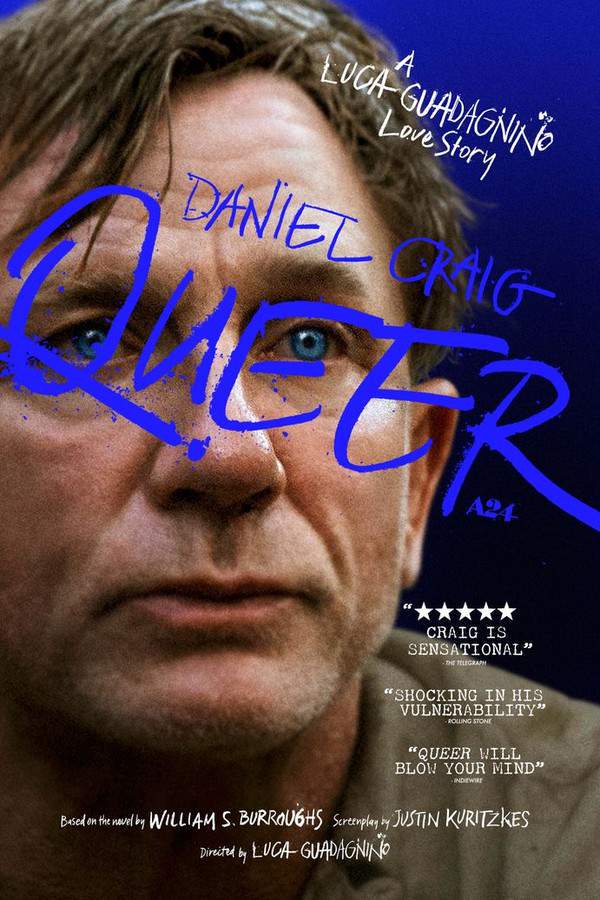
Queer (2024) movie poster

Ending Explained

Queer (2024) Ending Explained – Final Scene & Meaning

Release, runtime and language
2024 · 2 h 15 m · English
Echo score 61
JustWatch #18,711 10
Directed by
Luca Guadagnino
Starring
Jason Schwartzman, Gilberto Barraza, Daniel Craig, Drew Starkey, Drew Droege, Henrique Zaga
Budget
$53.4M

In 1950s Mexico City, William Lee, an American expatriate in his late forties, lives a solitary existence within a small American community. His quiet life is disrupted by the arrival of Eugene Allerton, a young student, who encourages William to seek a meaningful connection with someone.

On this page (8)
  1. 1 Where to watch
  2. 2 What happens at the end
  3. 3 Final events in order
  4. 4 Ending questions answered
  5. 5 The book behind the movie
  6. 6 Movie threads
  7. 7 Movies like Queer
  8. 8 Every angle

Where to watch

Where to Watch Queer (2024)

Where can you watch Queer? Stream, rent or buy it in the US, including on Amazon Video, Apple TV Store and Fandango At Home: current JustWatch availability with up-to-date prices.

Streaming availability powered by JustWatch

Ending explained · contains spoilers

What Happens at the End of Queer?

How Queer (2024) ends, what the final scene means, which earlier moments set it up and how to read the ending if the film leaves it open. The full ending explained, with every spoiler.

The ending of Queer is intentionally elusive and layered with symbolism, leaving viewers with a sense of longing and unresolved tension. Throughout the film, Lee's life is depicted as a continuous struggle with self-acceptance and the loneliness that often accompanies queer identity. His translucent, disembodied self represents his deep internal conflict and shame, revealing that he is often hiding his true feelings behind addictions and a façade of confidence. The telepathic drug, Yage, symbolizes his desire to communicate his innermost truths without fear, showing how much he longs to be truly heard and understood.

In the dream sequences and surreal images, such as the centipede and the disembodied figures, the film explores themes of growth, concealment, and disconnection. The centipede, with its many legs moving in sync or in chaos, signifies the fractured relationships Lee has with others, especially Gene, and his desperate wish for harmony. The prison dream reflects Lee’s subconscious plea for freedom from his inner torment.

When Lee and Gene finally take Yage together, they experience a moment of unity where their hearts are out in the open, and they transcend physicality to communicate telepathically. In this state, Lee and Gene meld into one, symbolizing their shared longing for love and complete acceptance. However, as the drug's effects fade, they revert to their previous selves, with Gene retreating into his fear of being truly queer and disembodied, and Lee returning to his loneliness and disconnection.

The epilogue presents a haunting reflection two years later, where Lee is alone in a room, contemplating his life and regrets. The visual of the ouroboros, a snake eating its tail, suggests a cycle of rebirth and the hope for eventual reconciliation or peace. The visual of Gene’s silhouette and Lee’s act of shooting a gun at him evoke the tragic possibility of fully letting go, mirroring the tragic death of Burroughs’ wife and Lee’s own self-destructive tendencies. Yet, the final scene, where Lee is older and sees a young Gene once more, holding him in a tender embrace, hints at the faint hope that love, even unfulfilled, can endure beyond life's boundaries. Ultimately, Queer ends on a note of melancholic ambiguity—suggesting that while complete happiness may remain out of reach, the enduring longing for connection and understanding persists, echoing the complex nature of identity and love itself.

Last updated: June 25, 2025 at 09:03

Was this helpful?

The last 4 events

How Queer Ends: The Final Events in Order

The last events of Queer (2024) in chronological order, the run-up to the ending explained above. The complete timeline has all 15 events, scene by scene.

Open the full timeline
  1. Strange Connection

    As the effects of yagé take hold, Lee and Allerton feel as though their bodies are merging, symbolizing a profound connection. However, the next day, they find themselves lost in the jungle, highlighting the fragility of their bond.

    Where
    Jungle
  2. Return to Mexico City

    After being apart for two years, Lee returns to Ships Ahoy in Mexico City. There, he learns that Allerton has returned to South America in search of him, which stirs nostalgia and uncertainty in Lee.

    When
    Two Years Later
    Where
    Ships Ahoy
  3. Another Vivid Dream

    That night, Lee dreams of a scenario where he shoots Allerton in a bizarre game. This surreal dream leaves him grappling with unresolved feelings and the fear of loss.

  4. Elderly Reflections

    In the epilogue, an elderly Lee reflects on his life alone, hearing Allerton's voice. As he imagines their time together, Lee ultimately succumbs to loneliness, concluding his journey with a haunting sense of loss.

Ending questions answered

Queer Ending: Your Questions Answered

The questions people ask most about the ending of Queer (2024): what the final scene means, how the twist works, what happens to each character and how to read the ending. Each answer contains spoilers.

Q1

Do Lee and Gene end up together at the end of Queer?

No, Lee and Gene do not end up together. After their telepathic connection through Yage where they briefly merge into one being, the drug's effects fade and they revert to their previous selves. Gene retreats into his fear of being truly queer, while Lee returns to his loneliness and disconnection. The ending confirms Lee's persistent isolation.

  • lee
  • gene
  • relationship
  • ending
  • together
Q2

What does the Yage drug scene mean in Queer?

The Yage scene represents Lee's desperate attempt to communicate his innermost truths without fear. When Lee and Gene take Yage together, they experience a moment of unity where their hearts are out in the open and they transcend physicality to communicate telepathically. This merge symbolizes their shared longing for love and complete acceptance, but the moment is fleeting.

Foreshadowing: Earlier scenes establish Yage as a substance Lee believes can help him express what he cannot say aloud.

  • yage
  • drug
  • telepathic
  • connection
  • hallucination
Q3

What does the ouroboros symbol mean at the end of Queer?

The ouroboros, a snake eating its tail, appears in the epilogue and symbolizes a cycle of rebirth and the hope for eventual reconciliation or peace. It suggests that despite Lee's ongoing struggles and self-destruction, there remains a possibility for renewal or transformation, though the cycle has not yet been broken.

  • ouroboros
  • symbol
  • snake
  • cycle
  • rebirth
Q4

What happens to Lee at the end of Queer - is he alone?

Yes, Lee ends up alone. The epilogue shows him two years later, isolated in a room contemplating his life and regrets. While he experiences a vision of young Gene holding him tenderly, this appears to be either a memory or a hallucination rather than reality, confirming his ultimate isolation.

  • lee
  • alone
  • fate
  • epilogue
  • isolation
Q5

What does the final scene with older Lee and young Gene mean?

The final scene shows an older Lee seeing a vision of young Gene, who he holds in a tender embrace. This moment hints at the faint hope that love, even unfulfilled, can endure beyond life's boundaries. It suggests that despite never achieving real connection in life, Lee's longing for Gene persists even in his old age.

  • older lee
  • young gene
  • vision
  • final scene
  • memory
Q6

Why does Gene retreat after the Yage experience in Queer?

Gene retreats into his fear of being truly queer and disembodied after the Yage effects fade. While the drug allowed a brief moment of openness and connection, Gene's underlying fear of fully embracing his identity causes him to withdraw back into his guarded self, leaving Lee more isolated than before.

Foreshadowing: Gene's hesitation and guarded nature throughout the film foreshadow his inability to fully commit to a genuine connection.

  • gene
  • retreat
  • fear
  • yage
  • connection
Q7

What is the significance of Lee shooting at Gene's silhouette in Queer?

Lee shooting at Gene's silhouette evokes the tragic death of Burroughs' wife and Lee's own self-destructive tendencies. It represents the tragic possibility of fully letting go - either the desire to destroy the object of his unfulfilled longing or the destructive impulse Lee turns toward himself.

  • gun
  • silhouette
  • shooting
  • self-destruction
  • tragedy
Q8

What does the ending of Queer mean?

The ending suggests that while complete happiness may remain out of reach for Lee, the enduring longing for connection and understanding persists. It reflects the complex nature of queer identity and love - unfulfilled yet enduring. The melancholic ambiguity indicates that self-acceptance and true connection remain elusive, but the memory of love provides some solace.

  • meaning
  • ending
  • interpretation
  • identity
  • longing
Q9

Does Lee ever find self-acceptance in Queer?

Lee does not find complete self-acceptance in Queer. His translucent, disembodied self throughout the film represents his deep internal conflict and shame. While the Yage experience offers a brief moment of unity and openness, the film ends with Lee still struggling with self-acceptance, trapped in his loneliness and inner torment.

Foreshadowing: Lee's addictions and facade of confidence throughout the film mask his inability to accept his true self.

  • self-acceptance
  • shame
  • identity
  • loneliness
  • conflict
Q10

What does the centipede symbol mean in Queer?

The centipede, with its many legs moving in sync or in chaos, signifies the fractured relationships Lee has with others, especially Gene. It represents his desperate wish for harmony and connection, contrasted with the reality of disconnection and misalignment in his relationships.

  • centipede
  • symbol
  • chaos
  • relationships
  • harmony

Movie threads

More Movies Like Queer, by Mood & Story

Curated lists built around what makes Queer tick: the same mood, the same kind of story or the same emotional payoff. Each list explains why these movies belong together.

Melancholic character dramas like Queer

Slow, introspective journeys of solitary figures grappling with identity and longing. If you liked the atmospheric, character-driven melancholy of Queer, explore more movies that focus on solitary figures and their introspective journeys. These films share a slow pacing, heavy emotional weight, and a deep dive into themes of identity, longing, and unrequited love.

  • melancholic
  • introspective
  • lonely
  • haunting
  • dreamlike
  • solitary
  • Tone: melancholic, introspective, haunting
  • Pacing: slow, deliberate, immersive
Why these movies?

The story pattern: These narratives follow a central, often isolated character as they navigate a period of intense personal reflection or crisis. The plot is secondary to the exploration of their internal state, which is frequently communicated through dreamlike sequences, a deliberate pace, and a pervasive sense of yearning that may or may not be resolved.

Why they belong together: They are grouped by their shared commitment to mood and character depth over complex plotting. The unifying elements are a melancholic tone, slow pacing that allows for introspection, and a central theme of grappling with a profound sense of loneliness or a fractured identity.

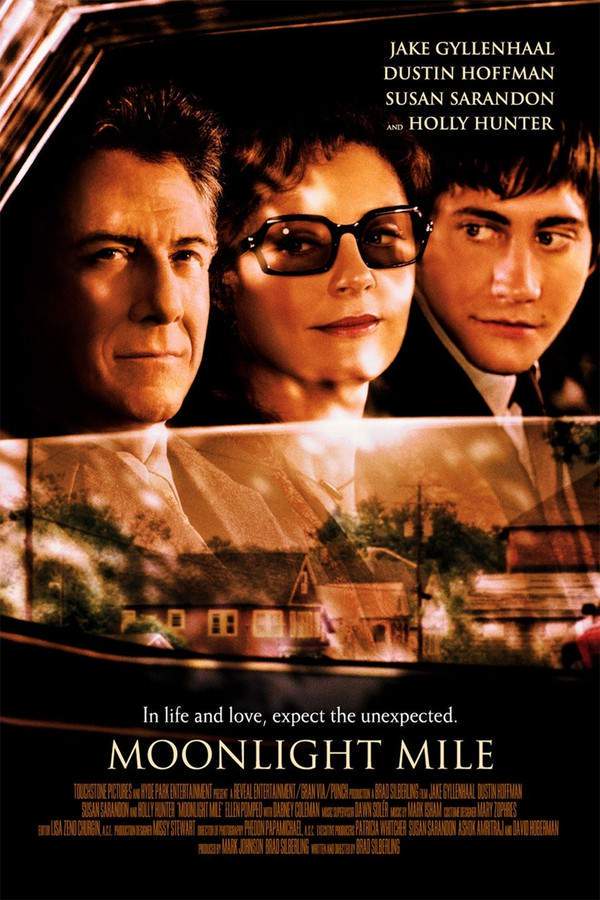
Movies about hallucinogenic journeys and obsessive love like Queer

Intense explorations of addiction and obsessive love, blurred by psychological distress. For viewers who appreciated the intense, drug-fueled hallucinations and the theme of destructive, unrequited love in Queer. This thread collects films about psychedelic self-discovery, addiction, and psychologically intense romantic obsessions that challenge perception.

  • hallucinogenic
  • distressing
  • obsessive
  • addiction
  • psychological
  • unrequited love
  • Tone: intense, distressing, melancholic
  • Pacing: variable, often slow with intense bursts
Why these movies?

The story pattern: The narrative pattern involves a protagonist falling into a spiral of obsession, often romantic or existential, exacerbated by substance use. Their perception becomes unreliable, leading to hallucinogenic sequences that mirror their inner turmoil. The journey is typically one of self-destruction, culminating in a bleak or sad realization of their isolation.

Why they belong together: These films are connected by their exploration of altered states of consciousness and the psychological unraveling of a character. They share a high intensity, disturbing themes, and a focus on how desire and addiction can distort reality and lead to emotional collapse.

If you liked this

Movies Like Queer

Similar movies to Queer: the same genre, themes or kind of story. Each one comes with its own plot summary, timeline and ending explained.

Browse all movie summaries

Every angle

Queer (2024) Explained: Plot, Ending, Timeline & Characters

Everything about Queer in one place: what happens in the plot summary, the timeline in chronological order, the characters and meaning, the ending explained and a spoiler-free summary. What's After the Movie adds the cast, box office and post-credit scenes.

Coming soon on iOS and Android

The Plot Explained Movie Summary App

Plot summaries, endings explained and timelines on your phone. Catch up on any movie in minutes, save your favorites and never miss a twist again.

Be the first to know when we launch. Your email stays private, always.

Learn more about the app