Plot Explained Spoilers guaranteed!
Plot Explained

Browse by genre

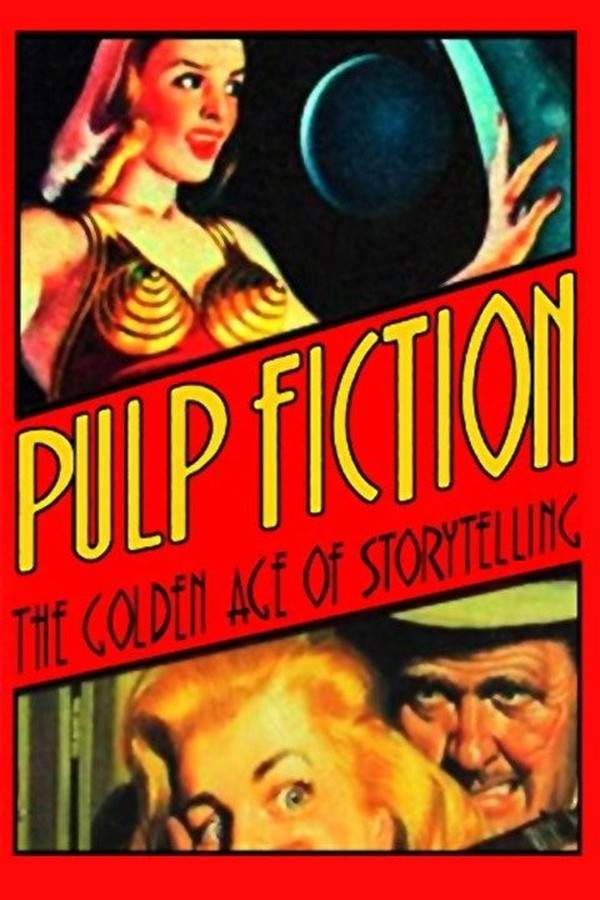
Pulp Fiction (1994) movie poster

Characters & Themes

Pulp Fiction (1994) Characters, Setting & Themes Explained

Release, runtime and language
1994 · 154 min · English
Loading streaming availability…
Directed by
Quentin Tarantino
Starring
Samuel L. Jackson, Bruce Willis, John Travolta
Budget
$8M

A sprawling crime saga, this film interweaves several stories of Los Angeles gangsters and their associates. The narrative explores themes of violence, redemption, and the absurdities of everyday life through a series of interconnected events. Featuring memorable characters and sharp dialogue, it offers a stylized and darkly humorous look at the criminal underworld. The film’s nonlinear structure and unique blend of genres create a captivating and unforgettable cinematic experience.

On this page (8)
  1. 1 Where to watch
  2. 2 Characters explained (3)
  3. 3 Where & when it takes place
  4. 4 Themes & meaning (2)
  5. 5 Character & meaning questions
  6. 6 Movie threads
  7. 7 Movies like Pulp Fiction
  8. 8 Every angle
Loading streaming availability…

3 main characters · contains spoilers

Pulp Fiction Characters Explained: Who Is Who

The main characters of Pulp Fiction (1994), heroes and villains: what drives them, how they change over the course of the story and what each of them reveals about the film's bigger ideas.

  • Jules Winnfield (Samuel L. Jackson)

    Jules is a philosophical hitman grappling with his morality and life choices. His journey reflects a deeper search for meaning amid a life of crime, ultimately leading him to introspection and a desire for redemption by the film's end.

    • 🕵️‍♂️ Hitman
    • ✝️ Philosophy
    • 🔄 Redemption
  • Vincent Vega (John Travolta)

    Vincent is a laid-back hitman whose cavalier attitude towards life and crime serves as a stark contrast to Jules. While he is initially more self-indulgent, his experiences lead him into complicated situations that challenge his view on loyalty and life.

    • 🕵️‍♂️ Hitman
    • 🎉 Carefree
    • 💊 Addiction
  • Butch Coolidge (Bruce Willis)

    Butch is a boxer who becomes entangled in a fight-fixing scheme, representing a character torn between fate and free will. His determination to reclaim his father's gold watch illustrates his connection to family and legacy, driving him to defy expectations.

    • 🥊 Boxer
    • 🏆 Legacy
    • ⚔️ Defiance

Last updated: October 22, 2024 at 19:53

Was this helpful?

Setting

Where and When Does Pulp Fiction Take Place?

The setting of Pulp Fiction (1994): the year and time period, the places and locations, and how they shape the characters, the mood and the tension of the story.

Time period

Pulp Fiction is set in a contemporary period that reflects the socio-cultural dynamics of the 1990s in America. The characters navigate a world filled with organized crime, casual violence, and profound moral dilemmas, common themes in urban life during that decade.

Location

Los Angeles, Jack Rabbit Slim's, a pawn shop

The film is primarily set in Los Angeles, a vibrant city known for its rich entertainment industry and diverse culture. Jack Rabbit Slim's is a nostalgic 1950s-themed diner that serves as a backdrop for a memorable meal and twist contest between Vincent and Mia. The pawn shop becomes a critical location for the climax, showcasing the gritty underside of the city.

  • 🌆 City
  • 🍔 Diner
  • 🏬 Pawn Shop

Last updated: October 22, 2024 at 19:53

Was this helpful?

2 major themes

Pulp Fiction Meaning: Themes & Message Explained

What is Pulp Fiction (1994) really about? The emotional, social and philosophical themes the film keeps returning to, its symbolism and the message beneath the surface.

  • Redemption

    The film explores the theme of redemption, particularly through Jules Winnfield's character arc. After surviving a close call during a diner robbery, he reflects on his life choices and contemplates leaving behind his criminal past. This represents a critical turn towards self-awareness and the possibility of change.

  • Fate and Coincidence

    Pulp Fiction intricately weaves together various arcs that illustrate the unpredictability of life. The non-linear narrative shows how seemingly unconnected events are intertwined, emphasizing the role of chance and fate in the characters’ lives as they face unexpected consequences.

Last updated: October 22, 2024 at 19:53

Was this helpful?

Character & theme questions

Pulp Fiction Characters & Meaning: Your Questions Answered

The questions people ask about Pulp Fiction (1994): who the characters really are, their relationships, what the symbols mean, where it takes place and what the movie is really about. Each answer contains spoilers.

Q1

Where is Pulp Fiction set?

Pulp Fiction is primarily set in Los Angeles, California. The film showcases several iconic locations throughout the city, including Jack Rabbit Slim's, a nostalgic 1950s-themed diner that serves as a key meeting spot, and a gritty pawn shop that plays a critical role in the story's climax. The LA setting provides the perfect backdrop for the film's exploration of the criminal underworld.

  • los angeles
  • setting
  • jack rabbit slim's
  • location
Q2

When does Pulp Fiction take place?

Pulp Fiction is set in the contemporary 1990s, specifically reflecting the socio-cultural dynamics of Los Angeles during that decade. The film captures the era's urban landscape filled with organized crime, casual violence, and moral ambiguity that defined much of the city's criminal underworld during the 1990s.

  • 1990s
  • time period
  • era
  • contemporary
Q3

What are the main themes in Pulp Fiction?

Pulp Fiction explores two major interconnected themes: redemption and fate. The redemption theme centers on Jules Winnfield, who undergoes a profound transformation after surviving a life-threatening moment, leading him to question his criminal lifestyle and seek a path toward moral change. The fate theme is woven throughout the film's non-linear narrative, demonstrating how seemingly unrelated events are interconnected by chance and consequence.

  • themes
  • redemption
  • fate
  • coincidence
  • meaning
Q4

Who is Jules Winnfield?

Jules Winnfield is a hitman portrayed by Samuel L. Jackson who serves as one of the film's central characters. He is depicted as a philosophical figure who constantly quotes scripture and wrestles with his morality. Jules is on a spiritual journey throughout the film, grappling with the meaning of his violent career and ultimately choosing to pursue redemption, representing the possibility of change even for someone deeply entrenched in crime.

  • jules winnfield
  • samuel l jackson
  • character
  • redemption
Q5

Who is Vincent Vega?

Vincent Vega is a laid-back hitman played by John Travolta who works alongside Jules. Unlike Jules, Vincent maintains a more cavalier and self-indulgent approach to his criminal work. His character serves as a stark contrast to Jules's philosophical nature, and he navigates complicated situations involving loyalty and danger throughout the film.

  • vincent vega
  • john travolta
  • character
  • hitman
Q6

Who is Butch Coolidge?

Butch Coolidge is a boxer portrayed by Bruce Willis who becomes entangled in a fight-fixing scheme. His character represents the tension between fate and free will, as he grapples with the consequences of his choices. Butch's determination to reclaim his father's gold watch showcases his deep connection to family legacy and drives his arc throughout the film.

  • butch coolidge
  • bruce willis
  • character
  • boxer
Q7

How does Pulp Fiction's non-linear structure relate to its themes?

The film's explicitly non-linear narrative structure is directly tied to its theme of fate and coincidence. By presenting events out of chronological order, Pulp Fiction demonstrates how seemingly unconnected moments are actually intertwined, emphasizing the unpredictable nature of life and how chance encounters can have profound consequences for all the characters involved.

  • nonlinear
  • storytelling
  • structure
  • fate
  • narrative
Q8

What is Jack Rabbit Slim's?

Jack Rabbit Slim's is anostalgic 1950s-themed diner featured prominently in Pulp Fiction. The restaurant is designed to evoke the aesthetic of mid-century America, complete with period-appropriate décor and servers dressed in retro costumes. It serves as the setting for one of the film's most memorable scenes involving a meal and a famous twist contest between Vincent and Mia.

  • jack rabbit slim's
  • diner
  • restaurant
  • 1950s
Q9

What role do hitmen play in Pulp Fiction?

Hitmen are central to Pulp Fiction's narrative and themes. Jules and Vincent represent the film's examination of professional criminals who grapple with moral questions while carrying out violent acts. Their contrasting approaches to their work, one philosophical and searching, the other casual and self-indulgent, drive much of the film's exploration of morality, loyalty, and the consequences of a life of crime.

  • hitmen
  • gangsters
  • criminals
  • mafia
Q10

How does Jules seek redemption in Pulp Fiction?

Jules Winnfield's redemption arc unfolds after he survives a near-death experience during a diner robbery. This traumatic event triggers deep introspection about his life of violence and crime. By the film's end, Jules chooses to walk away from his criminal career, representing a genuine turn toward self-awareness and the possibility of fundamental personal change.

  • jules
  • redemption
  • change
  • transformation

Movie threads

More Movies Like Pulp Fiction, by Mood & Story

Curated lists built around what makes Pulp Fiction tick: the same mood, the same kind of story or the same emotional payoff. Each list explains why these movies belong together.

Stylish, Non-Linear Crime Epics like Pulp Fiction

Interconnected criminal stories told out of order, blending violence and wit. If you liked the fragmented storytelling and criminal vignettes of Pulp Fiction, you'll find more movies like it here. This collection features complex crime dramas with non-linear plots, stylish direction, and a mix of dark humor and violence, perfect for fans of interconnected narratives.

  • non-linear
  • stylish
  • gritty
  • biting
  • cool
  • anxious
  • Tone: dark, cool, biting
  • Pacing: variable, dialogue-driven
Why these movies?

The story pattern: These films dismantle traditional storytelling by presenting interlocking tales of crime and fate in a deliberately scrambled sequence. The narrative puzzle invites viewers to piece together the connections, while the structure often highlights themes of chance and consequence. Character arcs are fragmented and revisited, creating a sense of a sprawling, interconnected world where small actions have large, unexpected repercussions.

Why they belong together: Movies are grouped here based on their shared approach to narrative structure and tone. They all employ a non-linear plot to explore criminal enterprises, feature a distinctive visual style, and balance gritty violence with clever, often humorous dialogue. The experience is defined by this specific combination of complex storytelling and a cool, stylized aesthetic.
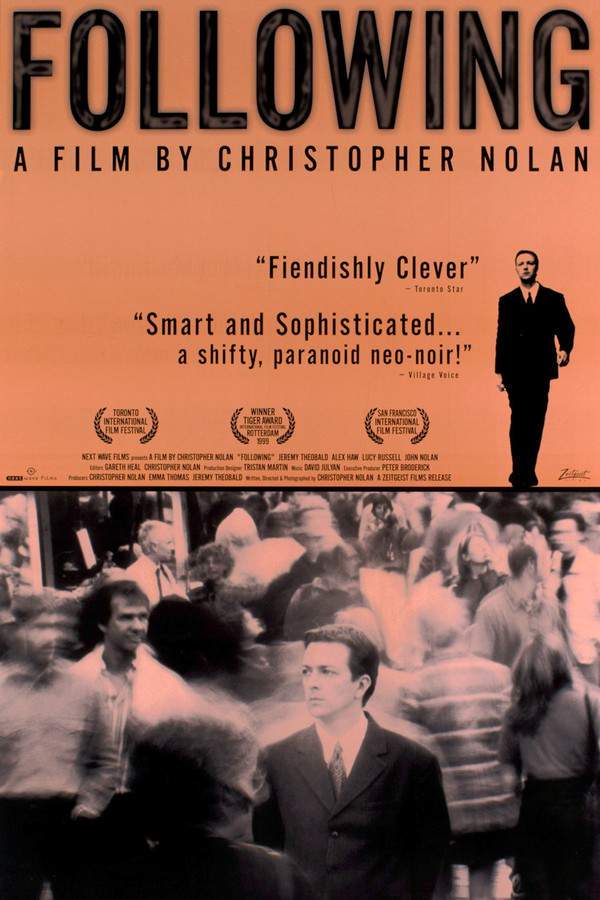
Darkly Comic Gangster Tales like Pulp Fiction

Gritty crime stories where sharp, intelligent humor cuts through the violence. For viewers who loved the sharp dialogue and ironic humor of Pulp Fiction, this list features similar movies that find comedy in the grim world of crime. Discover other films where hitmen, gangsters, and lowlifes engage in witty banter against a backdrop of violence and moral ambiguity.

  • biting
  • cool
  • gritty
  • witty
  • anxious
  • stylish
  • Tone: dark, humorous, biting
  • Pacing: variable, scene-focused
Why these movies?

The story pattern: The narratives often follow charismatic but morally questionable characters through a series of criminal mishaps and confrontations. The journey is less about a traditional plot and more about the memorable conversations and ironic situations that occur between violent set pieces. The humor arises from the contrast between the mundane (discussing burgers) and the extreme (murder), highlighting the absurdity of life on the edge.

Why they belong together: These films are united by their specific tonal blend: the seamless integration of witty, fast-paced dialogue into a violent crime setting. They share a focus on character-driven moments and existential conversations that provide comic relief while deepening the world, creating an experience that is simultaneously thrilling, funny, and thought-provoking.

If you liked this

Movies Like Pulp Fiction

Similar movies to Pulp Fiction: the same genre, themes or kind of story. Each one comes with its own plot summary, timeline and ending explained.

Browse all movie summaries

Every angle

Pulp Fiction (1994) Explained: Plot, Timeline & Characters

Everything about Pulp Fiction in one place: what happens in the plot summary, the timeline in chronological order, the characters and meaning and a spoiler-free summary. What's After the Movie adds the cast, box office and post-credit scenes.

Coming soon on iOS and Android

The Plot Explained Movie Summary App

Plot summaries, endings explained and timelines on your phone. Catch up on any movie in minutes, save your favorites and never miss a twist again.

Be the first to know when we launch. Your email stays private, always.

Learn more about the app