Plot Explained Spoilers guaranteed!
Plot Explained

Browse by genre

Private Hell 36 (1954) movie poster

Timeline

Private Hell 36 (1954) Timeline Explained – Every Event in Order

Release, runtime and language
1954 · 81 mins · English
Loading streaming availability…
Directed by
Don Siegel
Starring
King Donovan, James Anderson, Kenneth Patterson, Ida Lupino, Dorothy Malone, Howard Duff

A $300,000 bank robbery in New York stays unsolved for a year until the marked bills surface in a Los Angeles drugstore theft. Detectives Cal Bruner and Jack Farnham trace the money from the drugstore to a nightclub, where singer Lilli holds a stolen bill. With her help they recover the cash, but Cal’s decision to keep a share upsets Lilli and Jack.

On this page (6)
  1. 1 Where to watch
  2. 2 Events in order (13)
  3. 3 Timeline questions answered
  4. 4 Movie threads
  5. 5 Movies like Private Hell 36
  6. 6 Every angle
Loading streaming availability…

13 events in order · contains spoilers

Private Hell 36 Timeline: Events in Chronological Order

Every key event of Private Hell 36 (1954) in order, scene by scene, with when and where it takes place. Use it to untangle flashbacks, time jumps and parallel storylines, to refresh your memory before the sequel or to find the exact scene you are thinking of.

  1. Detectives meet Lilli Marlowe

    In Los Angeles, detectives Cal Bruner and Jack Farnham meet nightclub singer Lilli Marlowe who may hold the key to solving a major New York robbery. Lilli agrees to help, sharing information and guiding them toward a suspect. A romance begins to bloom between Cal and Lilli as they work the case together.

    Where
    Los Angeles
  2. Lilli aids the hunt; romance deepens

    Lilli assists in the search for the suspect she encountered, accelerating the investigation. As they close in on the trail, Cal and Lilli's romance deepens, complicating the partnership with emotion. The case centers on a major New York robbery, hinting at a wider conspiracy.

    Where
    Los Angeles
  3. Suspect spotted; chase ends in death

    The suspect is finally spotted, triggering a high-speed chase that tests the detectives' nerve and skill. The pursuit ends with the fugitive's death, removing the immediate lead from the case. Inside the suspect's car, investigators discover a box filled with money, signaling that the robbery was bigger than it appeared.

  4. Cal pockets $80,000 from the money

    Cal retrieves eighty thousand dollars from the money box and pockets it, muddying the line between officer and thief. He conceals the cash and plots how to handle it without immediate exposure. Jack, however, reminds him that the money is marked and would bring trouble if found.

    Where
    suspect's car
  5. Jack refuses the plan; money is marked

    Jack wants nothing to do with the illicit funds and stresses that the money is marked and dangerous. Cal presses on with a plan to manipulate the money's fate, trying to mitigate risk. The growing tension reveals the widening gulf between the partners.

    Where
    Los Angeles
  6. Trailer key and hidden money

    Cal gives Jack a key to a trailer where the money is hidden, proposing that Jack can access his share. The arrangement is meant to be quiet and discreet, avoiding immediate scrutiny. Underneath, guilt and fear gnaw at both men as their trust frays.

    Where
    trailer
  7. Jack's desire for normal life clashes with crime

    Jack, a family man who wants a normal life, grows increasingly agitated by the situation. He wrestles with loyalty, legality, and the potential consequences for his family. The tension between personal life and the criminal scheme deepens.

    Where
    Los Angeles
  8. Threat from dead man's partner

    Cal receives a threatening call from the dead man's partner, who says he will expose the detectives' deceit unless he gets his money back. The pressure pushes Cal toward drastic action while Jack remains wary. The looming blackmail complicates every decision.

  9. Turn in the money vs murder plan

    Jack insists they turn in the money and face the consequences, but Cal intends to murder the blackmailer and claim self-defense. The argument reveals the depth of Cal's willingness to go to extreme lengths. With the plan slipping into violence, trust between the partners deteriorates.

  10. Cal's betrayal intensifies; the plan narrows to murder

    Over time, Cal agrees to return the money but secretly prepares to kill Jack instead, tightening his grip on the scheme. He orchestrates events to cover his betrayal while maintaining the outward appearance of compliance. The plot thickens as the external threat—the blackmailer—draws nearer.

  11. Confrontation and final shock

    When the crook arrives, Cal wounds Jack in a confrontation, revealing the collapse of their alliance. A shot from the darkness kills Cal, ending his bid to control the money. The surviving partner is left to confront the consequences of their actions.

  12. Captain Michaels reveals the truth

    Captain Michaels, their superior, appears and reveals what really happened: he had suspected that the detectives had taken the money all along, and that the 'blackmailer' was a ruse. The revelation reframes the entire case and casts doubt on the detectives' motives. It exposes the deceit behind the pursuit and the cover story.

    Where
    Captain Michaels' office
  13. Aftermath and reflection

    The truth about the money and the deceit leaves the surviving detective to confront the cost of his choices. The story serves as a cautionary tale about greed, loyalty, and the fragility of trust within law enforcement. The twist finale forces a sober reckoning for all involved.

    Where
    Police headquarters

Last updated: February 24, 2026 at 13:32

Was this helpful?

Timeline questions answered

Private Hell 36 Timeline Explained: Your Questions Answered

When does it happen, and why in that order? The questions people ask about the chronology of Private Hell 36 (1954): time jumps, flashbacks, cause and effect between scenes and the correct order of events, each answered with spoilers.

Q1

Why did Cal Bruner keep the $80,000 from the suspect's car?

Cal Bruner succumbed to temptation when he discovered the money in the suspect's car. Despite knowing the bills were marked and could be traced, he pocketed $80,000 because he believed he could launder or hide it without getting caught. This decision stems from his desire for a larger payoff rather than simply solving the case, revealing his moral corruption and ambition that ultimately leads to his downfall.

Foreshadowing: Earlier in the film, Jack reminds Cal that the money is marked and dangerous, hinting at the trouble that will follow.

  • cal bruner
  • stolen money
  • motivation
  • corruption
  • temptation
Q2

Why did Jack Farnham go along with Cal's plan despite refusing initially?

Jack Farnham was initially resistant to Cal's scheme because he values his normal family life and understands the danger of handling marked money. However, Cal gives Jack a key to the trailer where the money is hidden, offering him a share of the proceeds. Jack's weakness is his inability to fully resist the temptation, though he remains guilt-ridden throughout, creating internal conflict between his desire for a simple life and his complicity in the crime.

Foreshadowing: Jack's character is established as someone who cherishes a normal life, making his eventual participation surprising but psychologically credible.

  • jack farnham
  • cal bruner
  • participation
  • guilt
  • family
Q3

Who was the blackmailer in Private Hell 36?

The blackmailer was actually a ruse set up by Captain Michaels. After suspecting the detectives had stolen the money, Michaels created the fictional blackmailer to test their loyalties and see if they would succumb to temptation or come clean. The threatening call from the dead man's partner was fabricated to observe how Cal and Jack would respond to the pressure.

Foreshadowing: Captain Michaels' intervention at the end reveals he had suspected the detectives from the start, retroactively explaining why he set up the test.

  • blackmailer
  • captain michaels
  • ruse
  • test
  • loyalty
Q4

Why did Captain Michaels create the fake blackmail situation?

Captain Michaels orchestrated the fake blackmail because he already suspected that Cal and Jack had taken money from the case. Rather than confronting them directly, he designed the ruse to expose their true characters and see if they would return the money voluntarily or succumb to further corruption. His strategy was to let greed reveal itself, which it did when Cal decided to kill the supposed blackmailer rather than return the cash.

Foreshadowing: Michaels appears at the end as the authoritative figure who 'lays bare' the truth, establishing his omniscience over the case.

  • captain michaels
  • motivation
  • investigation
  • police corruption
  • test
Q5

What happens to Jack Farnham at the end of Private Hell 36?

Jack Farnham survives the film's climax but is left to face the consequences of his choices. During the confrontation with the supposed blackmailer, Cal wounds Jack, betraying his partner in the chaos. After Cal is killed by a shot in the darkness, Captain Michaels reveals the entire ruse, leaving Jack as the sole surviving detective to confront the aftermath of his complicity and the moral reckoning that follows.

Foreshadowing: The tension between Cal and Jack escalates throughout the film, with Cal's betrayal of Jack foreshadowed when he secretly plans to kill Jack instead of the blackmailer.

  • jack farnham
  • ending
  • fate
  • survival
  • wounding
Q6

How does Lilli Marlowe help the detectives solve the case?

Lilli Marlowe, a nightclub singer, assists the detectives by providing information about the suspect she encountered. Her street-smart knowledge and connections help guide Cal and Jack toward the fugitive. Beyond her investigative value, she develops a romantic relationship with Cal, adding a personal dimension to the case. However, her primary importance lies in bridging the detectives to the criminal underworld they are pursuing.

Foreshadowing: Lilli is introduced as someone who 'may hold the key to solving' the robbery, establishing her role as a crucial witness and ally.

  • lilli marlowe
  • investigation
  • singer
  • help
  • suspect
Q7

Why does Cal decide to kill the blackmailer instead of returning the money?

Cal decides to murder the blackmailer and claim self-defense because he refuses to give up the stolen money. When Jack urges them to turn in the cash and face the consequences, Cal instead opts for extreme violence to protect his share of the money. His willingness to kill reveals his complete moral collapse, showing that greed has overridden his sense of justice and loyalty to his partner.

Foreshadowing: Cal's earlier decision to pocket the $80,000 despite Jack's warnings establishes his escalating willingness to commit crimes to protect his ill-gotten gains.

  • cal bruner
  • murder
  • motivation
  • blackmailer
  • greed
Q8

Why does Cal turn on Jack and wound him?

Cal wounds Jack when the fake blackmailer arrives because Jack represents a threat to Cal's plan. Although Cal initially agrees to return the money, he secretly prepares to kill Jack instead, viewing his partner as an obstacle to keeping the full amount. When the confrontation occurs, Cal attacks Jack to eliminate the witness who might expose his scheme, demonstrating his complete betrayal of their partnership.

Foreshadowing: The timeline notes that 'Cal agrees to return the money but secretly prepares to kill Jack instead,' foreshadowing this violent betrayal.

  • cal bruner
  • jack farnham
  • betrayal
  • attack
  • wounding
Q9

What was the significance of the marked bills in the investigation?

The marked bills serve as the crucial evidence that makes the stolen money dangerous to possess. When the detectives recover the money from the suspect's car, Jack immediately recognizes that the bills are marked and could link them to the crime. This knowledge createsongoing tension throughout the film, as Cal's insistence on keeping the marked money despite the risk demonstrates his reckless ambition and eventual downfall.

Foreshadowing: Jack's warning about the marked money establishes the central conflict that drives the plot forward.

  • marked money
  • evidence
  • investigation
  • risk
  • detection
Q10

How does Captain Michaels reveal the truth at the end?

Captain Michaels appears after Cal is killed and reveals that the entire blackmail scenario was a constructed test. He explains that he had suspected the detectives of taking the money all along and created the fake blackmailer to expose their corruption. This revelation reframes the entire narrative, showing that the detectives were being watched and tested throughout, and it forces Jack to confront the full weight of his choices.

Foreshadowing: The meta notes describe the ending as a 'steady, telling confrontation' by Captain Michaels, indicating his role as the moral authority who exposes the truth.

  • captain michaels
  • revelation
  • truth
  • ending
  • confrontation
Q11

Why do both main detectives die in Private Hell 36?

Cal Bruner is killed by a shot in the darkness during the confrontation, while Jack Farnham survives but is left to face the consequences. Cal's death results from his attempt to kill the fake blackmailer and his betrayal of Jack, ironically, his violent scheme backfires. The film's noir nature ensures a tragic ending, with the meta notes confirming the 'unequivocally sad' conclusion that reflects the film's cynical view of corruption and moral failure.

Foreshadowing: The dark, heavy tone established from the beginning foreshadows the inevitable tragic outcomes for morally compromised characters.

  • death
  • ending
  • tragedy
  • noir
  • consequences

Movie threads

More Movies Like Private Hell 36, by Mood & Story

Curated lists built around what makes Private Hell 36 tick: the same mood, the same kind of story or the same emotional payoff. Each list explains why these movies belong together.

Moral Corruption and Inevitable Downfall like in Private Hell 36

Stories where temptation leads good people into an unforgiving cycle of guilt and ruin. If you were captivated by the ethical collapse of the detectives in Private Hell 36, this collection features similar movies about characters succumbing to greed and deceit. These stories share a dark, fatalistic tone and a heavy emotional weight, perfect for fans of grim character-driven noirs.

  • morally conflicted
  • fatalistic
  • guilty
  • paranoid
  • anxious
  • cynical
  • Tone: dark, cynical, fatalistic
  • Pacing: steady, methodical
Why these movies?

The story pattern: The narrative follows a character, often in a position of trust, who compromises their integrity for personal gain. This single decision triggers a chain reaction of paranoia, betrayal, and escalating consequences, stripping away their humanity until a bleak and sorrowful ending becomes the only possible resolution.

Why they belong together: These films are grouped together because they prioritize psychological erosion over action. They share a dark, cynical tone, a steady pacing that builds dread, and a profound focus on the heavy emotional consequences of moral failure, making the viewer a witness to an unavoidable tragedy.
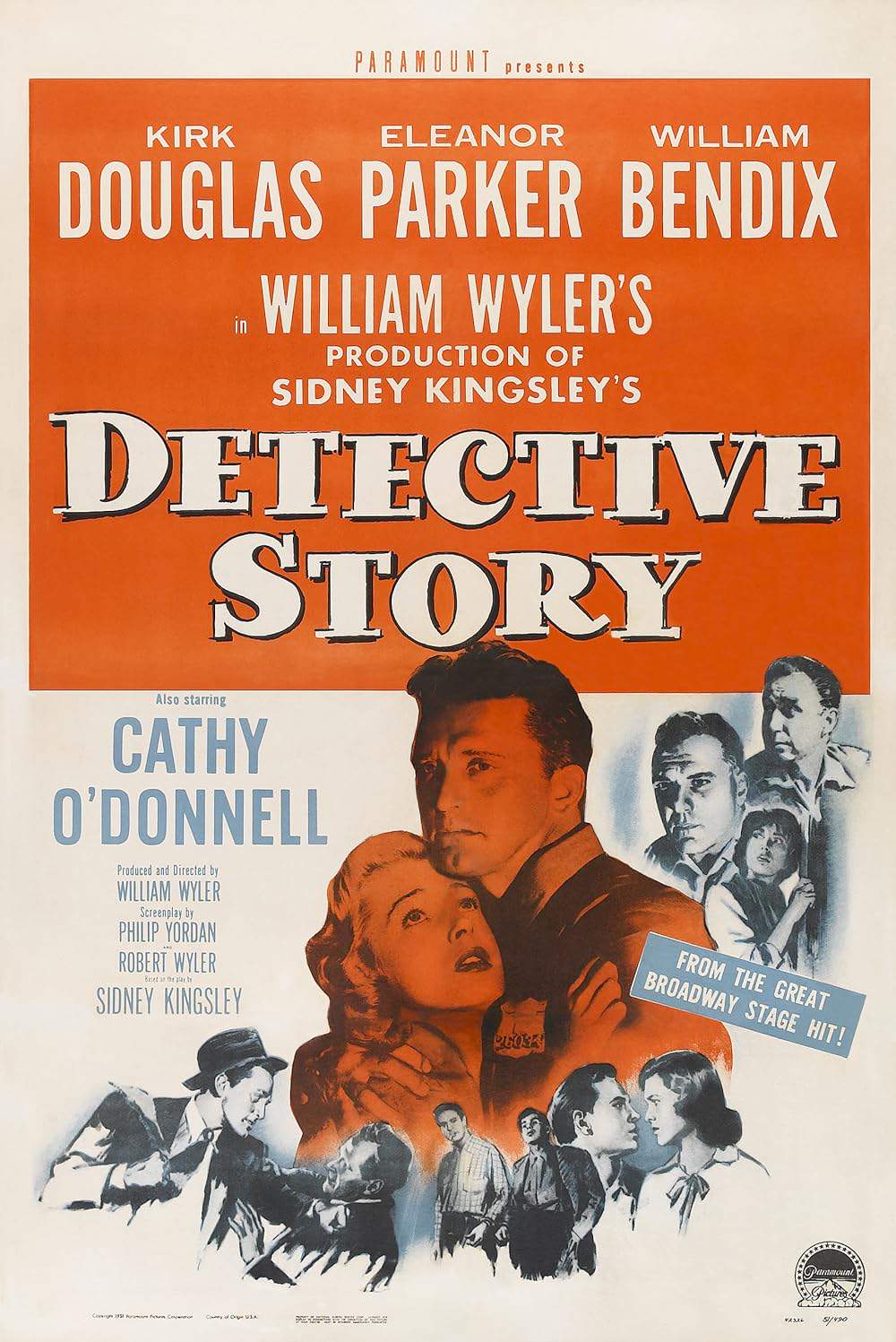
Tense Psychological Noir like in Private Hell 36

Crime stories where the real danger is the psychological suffocation of the characters. For viewers who appreciated the claustrophobic tension and psychological suspense of Private Hell 36, this list highlights similar movies. Discover more crime films with a high-intensity, dark tone where the steadiest pace builds towards a morally complex and emotionally heavy conclusion.

  • tense
  • claustrophobic
  • psychologically intense
  • suspenseful
  • morally ambiguous
  • anxious
  • Tone: dark, tense, paranoid
  • Pacing: steady, slow burn
Why these movies?

The story pattern: The plot often revolves around an investigation or a crime, but the true focus is the relentless psychological pressure on the characters. The pacing is deliberate, building a sense of inescapable confinement as alliances fracture and trust dissolves, leading to an emotionally devastating payoff.

Why they belong together: These films are united by a specific mood: a blend of high psychological intensity, a dark and tense tone, and a steady, methodical pace that creates a feeling of claustrophobia. They explore themes of fatalism and moral conflict, resulting in a deeply immersive and heavy viewing experience.

If you liked this

Movies Like Private Hell 36

Similar movies to Private Hell 36: the same genre, themes or kind of story. Each one comes with its own plot summary, timeline and ending explained.

Browse all movie summaries

Every angle

Private Hell 36 (1954) Explained: Plot, Timeline & Characters

Everything about Private Hell 36 in one place: what happens in the plot summary, the timeline in chronological order, the characters and meaning and a spoiler-free summary. What's After the Movie adds the cast, box office and post-credit scenes.

Coming soon on iOS and Android

The Plot Explained Movie Summary App

Plot summaries, endings explained and timelines on your phone. Catch up on any movie in minutes, save your favorites and never miss a twist again.

Be the first to know when we launch. Your email stays private, always.

Learn more about the app