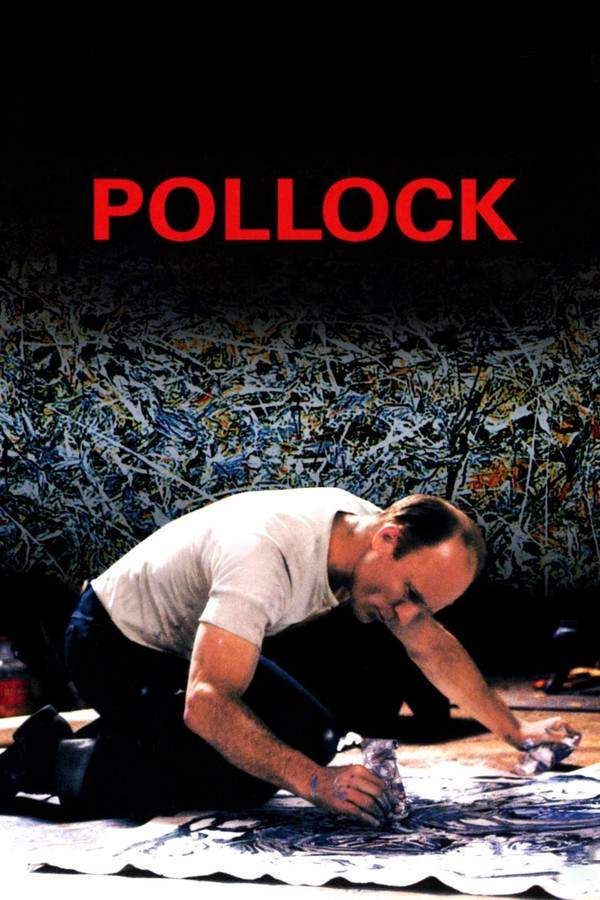
This biographical drama explores the life of Jackson Pollock, the celebrated and enigmatic painter. As his fame grew, so did the scrutiny of his complex personality and the struggles he faced. The film portrays his journey as he grappled with self-doubt, creative expression, and a growing sense of isolation, revealing the contradictions inherent in both his artistic genius and personal life.
Find where to stream, rent, or buy Pollock (2000) in the US with current JustWatch availability, up-to-date pricing, and platform listings for subscription, rental, and digital purchase options.
Warning: spoilers below!
Haven’t seen Pollock yet? This summary contains major spoilers. Bookmark the page, watch the movie, and come back for the full breakdown. If you're ready, scroll on and relive the story!
Explore the full timeline and setting of Pollock (2000). Follow every major event in chronological order and see how the environment shapes the story, characters, and dramatic tension.
Last updated: October 04, 2025 at 08:04
Meet the key characters of Pollock (2000), with detailed profiles, motivations, and roles in the plot. Understand their emotional journeys and what they reveal about the film’s deeper themes.
Last updated: October 04, 2025 at 08:04
Explore the central themes of Pollock (2000), from psychological, social, and emotional dimensions to philosophical messages. Understand what the film is really saying beneath the surface.
Last updated: October 04, 2025 at 08:04
Browse frequently asked questions about Pollock (2000) focused on characters, relationships, themes, symbols, setting, and story context. This movie info FAQ gives spoiler-aware explanations for character arcs, world details, and thematic interpretation so readers can better understand what the film is really about.
The film primarily unfolds in New York City, where Pollock lives in a small apartment with his siblings and immerses himself in the city's 1940s-50s art scene. Key locations include Peggy Guggenheim's New York townhouse, which represents the high-profile patronage of the era, and Pollock's later home on Long Island where he worked. Connecticut appears as a backdrop for industrial work and the draft, while Venice enters the narrative through a phone call from Lee Krasner, indicating the international reach of their careers.
Pollock spans from the 1940s through 1956, tracing the artist's rise in the postwar American art world and his subsequent personal decline. The film highlights pivotal moments including his initial exhibitions, a prominent Life magazine feature around 1950, and the media attention that amplified his fame. The narrative concludes with Pollock's death in 1956, charting a swift arc from breakthrough to tragedy.
The film explores how Pollock clings to his raw, improvisational drip technique despite intense pressure to commercialize his work. His refusal to alter his painting style for marketable appeal creates conflict with critics and patrons seeking broader appeal. This tension between personal vision and financial expectations drives much of the drama, illustrating how true creative impulse can resist the demands of patronage and publicity.
Alcoholism is a persistent force throughout the film, fueling binges that disrupt Pollock's relationships and productivity. The narrative follows multiple relapses that derail both his domestic life and professional momentum, showing how addiction can undermine even extraordinary talent. This pattern of excess builds toward crisis moments that fundamentally reshape the artist's trajectory.
Jackson Pollock (played by Ed Harris) is a fiercely dedicated abstract expressionist who pioneered a distinctive drip painting technique. He battles alcoholism while resisting market-driven pressures, insisting on artistic freedom despite critics and patrons pushing for broader appeal. His volatile temperament and relentless pursuit of artistic impulse drive both his creative breakthroughs and his personal downfall.
Lee Krasner (played by Marcia Gay Harden) is Pollock's partner and later wife who becomes both his emotional stabilizer and professional manager. She guides his career within the shifting art world, persuades him to marry, and supports his rise to fame while managing tensions arising from his drinking and infidelities. Her dedication persists even as their relationship grows increasingly strained by his behavior.
Their marriage is built on deep partnership but constantly strained by Pollock's extramarital affairs and reluctance to settle down. The film depicts his affair with Ruth Kligman and the resulting emotional toll on their union. These personal conflicts continually intersect with his artistic journey, illustrating how intimate life and creative life are intertwined throughout his career.
The film portrays the New York art scene of the 1940s-50s as a blend of intimate studio life and high-profile patronage. Through locations like Peggy Guggenheim's townhouse, it shows how emerging abstract expressionists navigated relationships with wealthy collectors and influential critics. The setting captures both the exciting energy of artistic breakthrough and the pressures of fame that came with public recognition.
The film centers on three interconnected themes: artistic integrity versus commercial pressure, the destructive role of alcoholism in a creative life, and the strain that fame and infidelity place on intimate relationships. These themes weave together to examine the cost of genius, showing how Pollock's unwavering commitment to his artistic vision coexisted with self-destructive behaviors that ultimately defined his tragic legacy.
The film carries a consistently melancholic tone, reflecting Pollock's internal struggle with self-doubt and the ultimate tragedy of his death despite moments of creative triumph. The intensity remains high throughout, with relentless focus on his self-destructive behavior, battles with alcoholism, and escalating tension in his marriage and career. The ending is unambiguously sad, creating a somber and reflective mood that examines the cost of artistic genius.
Discover curated groups of movies connected by mood, themes, and story style. Browse collections built around emotion, atmosphere, and narrative focus to easily find films that match what you feel like watching right now.
Stories exploring the painful link between immense creativity and deep personal suffering.If you were captivated by the portrayal of Jackson Pollock's turbulent life in 'Pollock', explore other movies like it that delve into the tragic genius archetype. These similar films focus on brilliant but tormented artists, musicians, and innovators whose personal struggles overshadow their legendary creations.
Narratives in this thread typically follow a biographical or character-driven arc, charting the rise to acclaim alongside a parallel descent into personal chaos. The central conflict is often internal, pitting the drive for creative expression against self-destructive tendencies, with the story building inevitably towards a somber or tragic conclusion.
These films are grouped together because they share a deep fascination with the darker side of creativity. They possess a heavy emotional weight, a melancholic tone, and a steady pacing that allows for a thoughtful, often painful, examination of what it costs to be extraordinary.
Intense character studies where personal demons unravel lives and relationships.For viewers who appreciated the raw and heavy portrayal of Jackson Pollock's self-destructive journey, this collection features similar movies about personal collapse. These dramas share a steady, intense pace and a melancholic tone, exploring themes of alcoholism, marital strife, and the tragic consequences of living with turmoil.
The narrative pattern is a gradual, often linear, unraveling. The story methodically builds tension as the protagonist's choices—often related to addiction or emotional instability—alienate loved ones and destroy their own potential. The pacing is steady, creating a sense of inevitable decline towards a bleak or catastrophic ending.
These movies are united by their uncompromising focus on the mechanics of self-destruction. They share a high intensity, a heavy emotional weight, and a somber mood. The viewing experience is defined by a sense of witnessing a tragic, yet compelling, personal collapse.
Don't stop at just watching - explore Pollock in full detail. From the complete plot summary and scene-by-scene timeline to character breakdowns, thematic analysis, and a deep dive into the ending - every page helps you truly understand what Pollock is all about. Plus, discover what's next after the movie.
Read a complete plot summary of Pollock, including all key story points, character arcs, and turning points. This in-depth recap is ideal for understanding the narrative structure or reviewing what happened in the movie.
Track the full timeline of Pollock with every major event arranged chronologically. Perfect for decoding non-linear storytelling, flashbacks, or parallel narratives with a clear scene-by-scene breakdown.
Discover movies like Pollock that share similar genres, themes, and storytelling elements. Whether you’re drawn to the atmosphere, character arcs, or plot structure, these curated recommendations will help you explore more films you’ll love.
Pollock (2000) Plot Summary & Movie Recap
Pollock (2000) Scene-by-Scene Movie Timeline
Pollock (2000) Spoiler-Free Summary & Key Flow
Movies Like Pollock – Similar Titles You’ll Enjoy
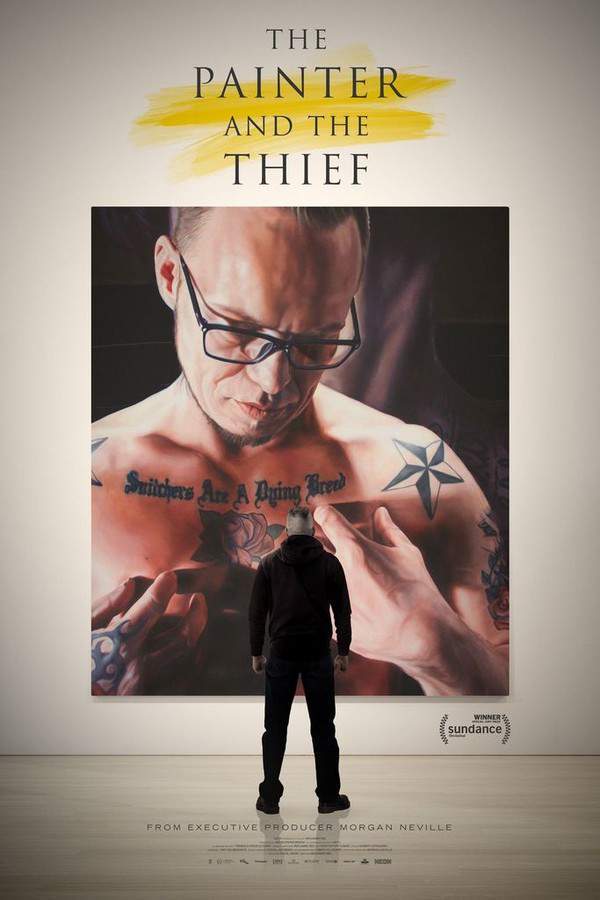
The Painter and the Thief (2020) Movie Recap & Themes
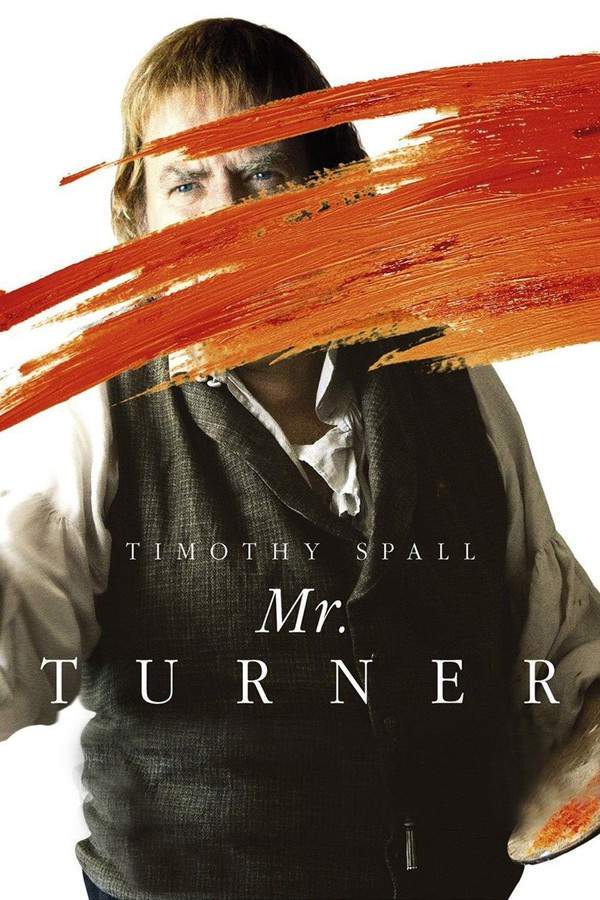
Mr. Turner (2014) Movie Recap & Themes
American Pastoral (2016) Complete Plot Breakdown
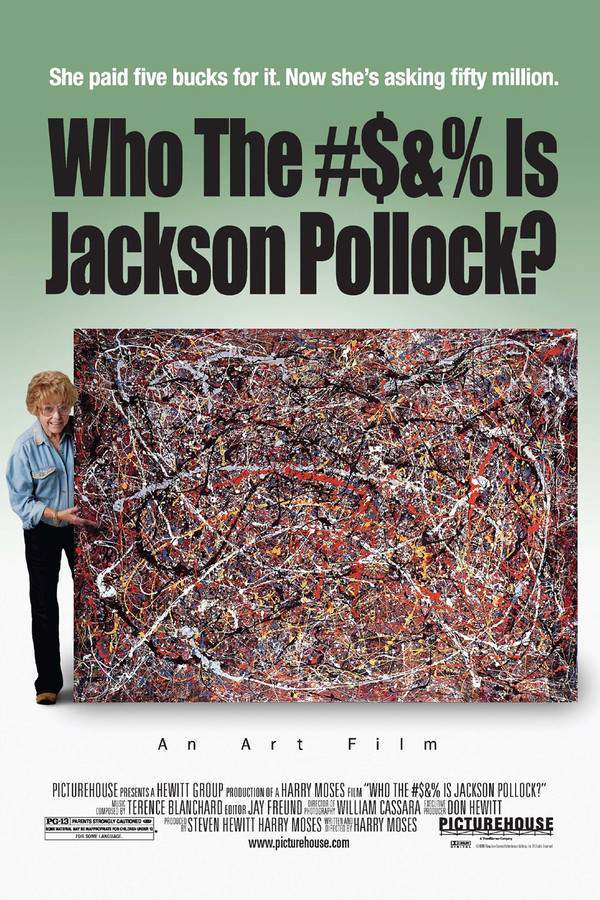
Who the #$&% Is Jackson Pollock? (2006) Movie Recap & Themes
Peggy Guggenheim: Art Addict (2015) Ending Explained & Film Insights
Dalíland (2023) Film Overview & Timeline
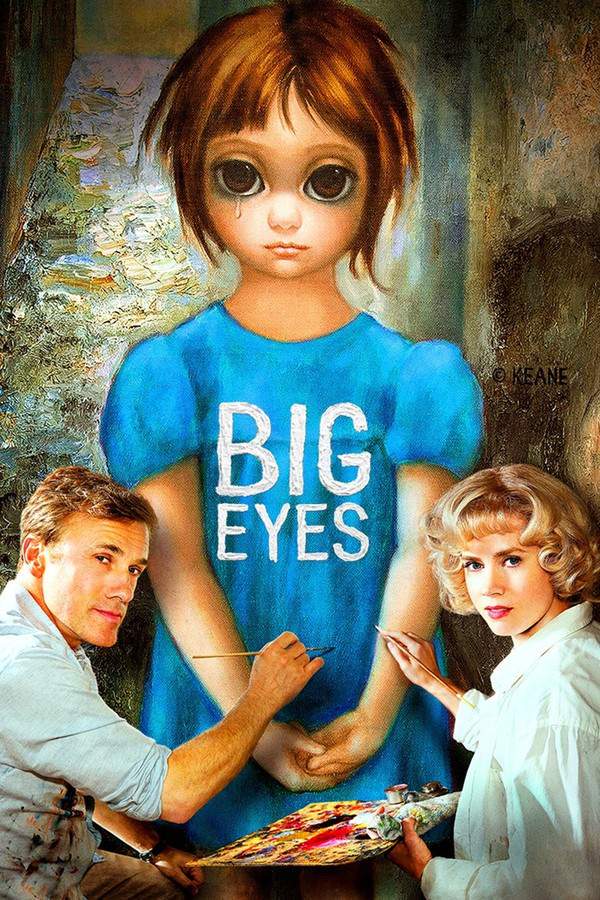
Big Eyes (2014) Story Summary & Characters
Nixon (1995) Spoiler-Packed Plot Recap
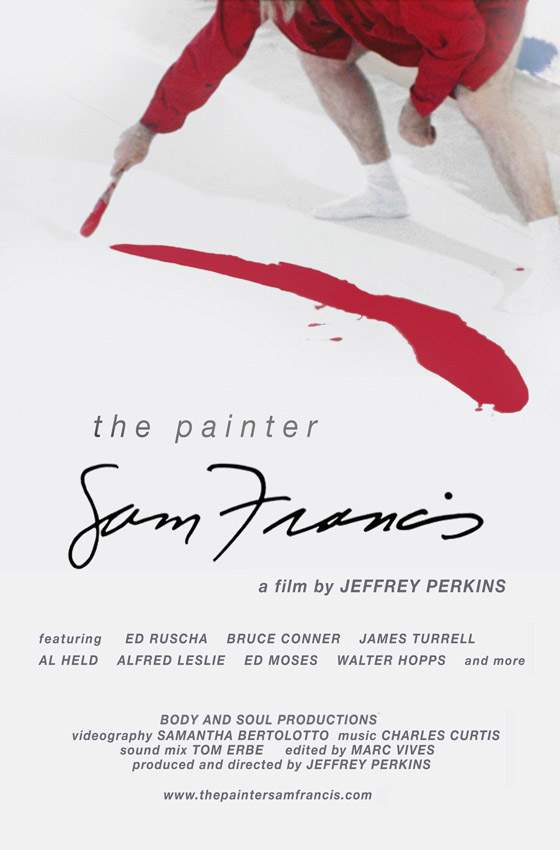
The Painter Sam Francis (2009) Ending Explained & Film Insights
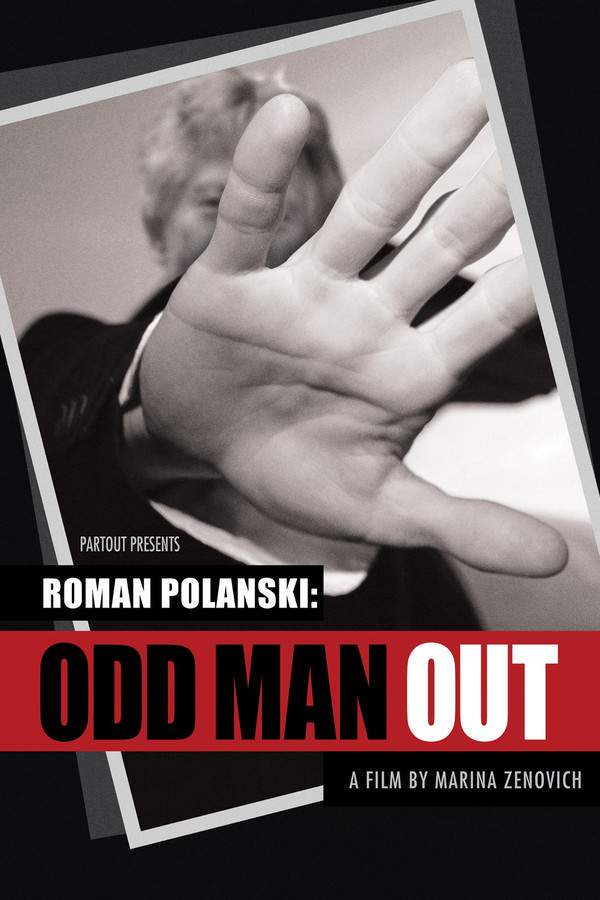
Roman Polanski: Odd Man Out (2013) Detailed Story Recap
Lifeline: Clyfford Still (2019) Plot Summary & Ending Explained
The Mystery of Picasso (1956) Ending Explained & Film Insights
Jackson Pollock 51 (1951) Movie Recap & Themes
Painters Painting (1973) Story Summary & Characters
Jackson Pollock: Love and Death on Long Island (1999) Film Overview & Timeline