Plot Explained Spoilers guaranteed!
Plot Explained

Browse by genre

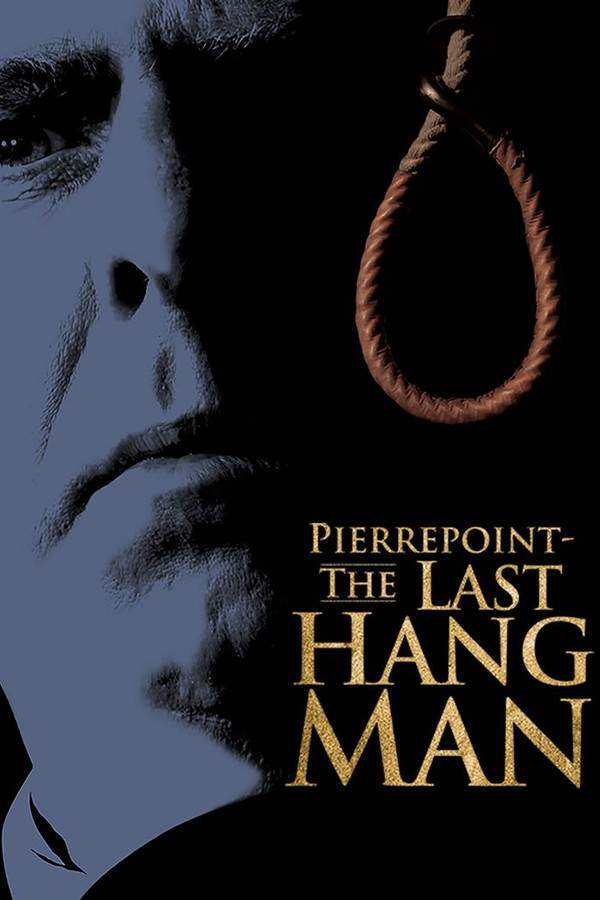
Pierrepoint (2007) movie poster

Plot Summary

Pierrepoint (2007) Plot Summary Explained

Release, runtime and language
2007 · 90 min · English
JustWatch #33,376 2
Directed by
Adrian Shergold

Britain's most experienced executioner, Albert Pierrepoint, is known for his skill in carrying out the death penalty. However, his career takes a complex turn when he is chosen to perform executions of Nazi war criminals following the Nuremberg trials. This assignment forces him to grapple with the profound moral implications of his profession while a rising abolitionist movement questions the justification for capital punishment in a changing world.

On this page (6)
  1. 1 Where to watch
  2. 2 What happens: full plot
  3. 3 Plot questions answered
  4. 4 Movie threads
  5. 5 Movies like Pierrepoint
  6. 6 Every angle

Where to watch

Where to Watch Pierrepoint (2007)

Where can you watch Pierrepoint? Stream, rent or buy it in the US, including on AMC+, Philo and Sundance Now: current JustWatch availability with up-to-date prices.

Streaming availability powered by JustWatch

Full plot summary · contains spoilers

What Happens in Pierrepoint: Full Plot Summary

The whole story of Pierrepoint (2007) explained, from the opening scene to the final frame: every key event, every twist and what it all adds up to. Read it as a quick recap before the sequel, to check a scene you missed, or to finally understand what really happened.

Albert Pierrepoint embarks on a solemn journey to become a prison executioner, following in the footsteps of his father. Approaching his grave vocation with a sense of seriousness and dedication, Pierrepoint applies a meticulous blend of science and logic to every hanging he performs. He possesses an uncanny ability to swiftly calculate the ideal length for the gallows rope, taking into account the height, weight, and physical constitution of each condemned soul. Unlike some of his peers, who wear their emotions on their sleeves, Pierrepoint is not inherently cruel or cold-hearted; he simply perceives execution as a job—a task to be executed properly, devoid of excessive emotion.

As Albert’s proficiency catches the eye of the British government, he and his wife, Annie bask in the anticipation of new opportunities that lie ahead. They receive the news that their husband is deemed the best executioner in Britain, destined to become the embodiment of England's efficient and humane execution system. His journey takes a daunting turn when he is dispatched to Germany to carry out the execution of 47 Nazi war criminals following the harrowing Belsen trials in 1945. Though he is overwhelmed by the sheer number of deaths placed before him, Pierrepoint executes his duties with a chilling resolve. However, one poignant incident brings his deeply-held values to the forefront; when a body arrives lacking a coffin, he passionately demands it be provided, asserting that the deceased deserves dignity in death after paying the ultimate price.

As time passes, the emotional toll of his work begins to weigh heavily on Albert. He gains notoriety within his community, where some neighbors commend him for "stringing up" criminals, while others vocally rebuke him for enforcing the controversial capital punishment. To accommodate their changing circumstances and status, Albert and Annie decide to purchase a pub nearby, which flourishes, buoyed by Albert's newfound fame.

However, Pierrepoint's composure faces a harrowing test when he is tasked with executing a dear friend, James "Tish" Corbitt, a gentle soul who unfortunately fell into a fit of jealousy and committed murder. Confronted with the inherent tragedy of their friendship, Albert struggles to maintain his usual stoic façade, choosing instead to offer his friend comforting words during his final moments. Tish meets his fate with an almost serene acceptance, uttering the final words, >“Thank you, Albert,” as the hood is drawn over his face.

Later that evening, in the refuge of their pub, Albert seeks solace in sharing his torment with Annie, who finds discomfort in his confession. The couple had previously established an unspoken rule—"never talk about it." Yet, overwhelmed by sorrow and guilt, Albert reveals the profound anguish he feels, doubting not only the morality of his profession but his ability to continue in a role that seems increasingly unbearable.

The emotional strain reaches a boiling point when Pierrepoint is assigned the execution of Ruth Ellis, a captivating young woman found guilty of murdering her lover. As the public protests against her fate erupt, chaos surrounds Pierrepoint, with hostile mobs outside the prison shaking and spitting on his vehicle as he makes his way home. After executing more than 335 individuals, and achieving a record time for the fastest hanging at just 7.5 seconds, Albert Pierrepoint ultimately arrives at a life-altering decision—he resigns from his position, leaving behind the weight of a profession that had transformed him in ways he never imagined.
Last updated: December 31, 2024 at 18:09

Was this helpful?

Plot questions answered

Pierrepoint Plot Explained: Your Questions Answered

The questions people ask most about Pierrepoint (2007): what happens in the confusing scenes, why the characters do what they do, the twists, hidden details and what the ending means. Each answer contains spoilers.

Q1

Why did Albert Pierrepoint become an executioner?

Albert Pierrepoint followed in his father's footsteps, choosing to become a prison executioner. He approached the vocation with seriousness and dedication, applying scientific methods and logic to ensure each execution was performed correctly and humanely. Rather than being cruel, he viewed execution as a skilled trade, a job to be done properly.

Foreshadowing: The film establishes early on that Albert treats hanging as a precise science, which becomes crucial when he faces increasingly morally complex situations.

  • albert pierrepoint
  • executioner career
  • family tradition
  • motivation
Q2

How did Albert Pierrepoint become known as Britain's best executioner?

Albert developed an uncanny ability to calculate the ideal length for the gallows rope based on each condemned person's height, weight, and physical constitution. His scientific precision and methodical approach made him highly efficient, ultimately earning recognition from the British government as the best executioner in Britain.

Foreshadowing: His meticulous calculation skill is introduced during training and later tested during the mass executions in Germany.

  • executioner skill
  • rope calculation
  • best executioner
  • british government
Q3

Why was Albert Pierrepoint chosen to execute Nazi war criminals?

Albert was selected because he was widely recognized as Britain's most skilled and efficient executioner. The British government needed someone capable of handling the massive task of executing 47 Nazi war criminals following the Belsen trials in 1945, and Albert's reputation for precision and professionalism made him the obvious choice.

Foreshadowing: His earlier recognition by the government as the best executioner directly led to this pivotal assignment.

  • nuremberg
  • belsen trials
  • nazi war criminals
  • 1945
  • germany execution
Q4

Why did the coffin incident affect Albert Pierrepoint so deeply?

When a body was left without a coffin during the Nazi war crimes executions, Albert passionately demanded dignity for the deceased, insisting they be provided a coffin after paying the ultimate price. This revealed his core belief that every human deserves respect in death, regardless of their crimes. The incident shook him because it challenged his ability to maintain emotional detachment from his work.

Foreshadowing: This moment foreshadows Albert's growing moral conflict as the film progresses.

  • coffin
  • dignity in death
  • nazi execution
  • moral values
Q5

Why did Albert and Annie decide to buy a pub?

Albert and Annie purchased a nearby pub to capitalize on his growing fame as an executioner. The business thrived because locals were divided in their opinions about capital punishment, some praised Albert for his efficiency while others criticized his profession. The pub became a gathering spot that benefited from this notoriety.

Foreshadowing: The pub later serves as the setting where Albert breaks down emotionally after executing his friend.

  • pub purchase
  • local fame
  • capital punishment opinions
  • business
Q6

Why was executing his friend Tish so traumatic for Albert?

Albert was tasked with executing his dear friend James 'Tish' Corbitt, who had committed murder in a fit of jealousy. Despite maintaining his stoic facade, Albert offered his friend comforting words during the execution. Tish met his fate with serene acceptance, thanking Albert as the hood was drawn over his face. This execution shattered Albert's ability to separate his personal emotions from his professional duties.

Foreshadowing: This is the turning point that leads directly to Albert's emotional breakdown with Annie.

  • tish corbitt
  • friend execution
  • emotional trauma
  • jealousy murder
Q7

What caused Albert Pierrepoint's emotional breakdown?

After executing his friend Tish, Albert experienced a profound emotional breakdown. In the refuge of their pub, he confessed his torment to his wife Annie, breaking their unspoken rule of 'never talk about it.' He expressed deep anguish, guilt, and began doubting both the morality of his profession and his ability to continue. The accumulated weight of hundreds of executions, combined with the personal tragedy of executing a friend, became unbearable.

Foreshadowing: This confession marks the beginning of Albert's moral crisis, setting the stage for his eventual resignation.

  • emotional breakdown
  • confession
  • guilt
  • psychological toll
  • marriage
Q8

Why was Ruth Ellis's execution so controversial?

Ruth Ellis was a young woman convicted of murdering her lover, and her execution triggered intense public protests. As Albert carried out the execution, hostile mobs outside the prison shook and spat on his vehicle. The case represented a turning point in British attitudes toward capital punishment, with many viewing the execution of a woman as unjust. The public outcry symbolized the growing abolitionist movement challenging the death penalty.

Foreshadowing: This execution occurs after Albert's breakdown with Annie and represents the peak of public opposition to capital punishment.

  • ruth ellispubli execution
  • protests
  • death penalty debate
  • woman execution
  • murder conviction
Q9

Why did Albert Pierrepoint finally resign from his position?

After completing over 335 executions and achieving a record time of just 7.5 seconds for the fastest hanging, Albert reached his breaking point. The cumulative emotional toll, particularly the execution of his friend Tish and the hostile public reaction to Ruth Ellis, finally overwhelmed him. He could no longer ignore the moral implications of his profession or the personal cost it was taking on him. His resignation marked a life-altering decision to leave behind a career that had transformed him.

Foreshadowing: This is the culmination of everything: the moral conflict introduced during the Belsen executions, the friend's death, and the public protests.

  • resignation
  • retirement
  • emotional toll
  • moral implications
  • career end
Q10

What was Albert Pierrepoint's method for executions?

Albert developed a precise scientific method for executions, calculating the ideal rope length based on each condemned person's height, weight, and physical constitution. This mathematical approach ensured what he considered humane and efficient executions. Unlike some executioners who displayed emotion, Albert maintained a clinical approach, treating it as a technical procedure rather than an act of violence.

Foreshadowing: This methodical approach is established early and contrasts with his later emotional struggles.

  • execution method
  • rope calculation
  • scientific approach
  • humane execution
  • precision

Movie threads

More Movies Like Pierrepoint, by Mood & Story

Curated lists built around what makes Pierrepoint tick: the same mood, the same kind of story or the same emotional payoff. Each list explains why these movies belong together.

Movies about soul-consuming professions like Pierrepoint

Character studies of individuals whose careers force them to confront profound moral decay. For viewers of Pierrepoint seeking similar movies about the psychological toll of a grim profession. These films explore characters whose jobs involve death, justice, or moral compromise, leading to a heavy, introspective journey. If you liked the moral conflict in Pierrepoint, you'll find these stories compelling.

  • somber
  • morally conflicted
  • psychological toll
  • introspective
  • unsettling
  • solemn
  • Tone: dark, morally conflicted, grim
  • Pacing: steady, methodical
Why these movies?

The story pattern: Stories in this thread follow a character deeply dedicated to a profession that society deems necessary but is inherently dark. The plot is often a steady chronological accumulation of events that challenge the protagonist's professional detachment. The central conflict is internal, as the character grapples with the growing chasm between their duty and their humanity, often leading to a crisis and a fundamental change in their worldview.

Why they belong together: These movies are grouped together because they share a core focus on the psychological unraveling of a professional facing the grim reality of their work. They possess a dark, somber tone, steady pacing that builds emotional weight, and a heavy intensity derived from the protagonist's internal moral conflict rather than external action.

Movies about the heavy burden of duty like Pierrepoint

Stories where unwavering commitment to a role leads to profound personal collapse. Discover films similar to Pierrepoint that explore the theme of duty becoming a crushing burden. These stories feature protagonists whose strict adherence to a role or code leads to isolation and psychological distress. If you were captivated by the theme of duty vs. humanity in Pierrepoint, this collection is for you.

  • solemn
  • heavy
  • isolating
  • introspective
  • bittersweet
  • unsettling
  • Tone: dark, solemn, bittersweet
  • Pacing: steady, deliberate
Why these movies?

The story pattern: The narrative pattern involves a protagonist who begins with a clear, almost clinical, sense of purpose tied to their duty. As the story progresses, external events and personal connections challenge this facade, forcing the character to carry an increasing emotional load. The journey culminates in a breaking point where the weight of their actions forces a reevaluation of their life's work, resulting in a resigned or bittersweet ending.

Why they belong together: These films are connected by their exploration of duty as a central theme that drives the protagonist's internal conflict. They share a high-intensity, heavy emotional weight, a dark and somber tone, and a focus on the psychological consequences of adhering to a painful responsibility, often culminating in a bittersweet conclusion.

If you liked this

Movies Like Pierrepoint

Similar movies to Pierrepoint: the same genre, themes or kind of story. Each one comes with its own plot summary, timeline and ending explained.

Browse all movie summaries

Every angle

Pierrepoint (2007) Explained: Plot, Timeline & Characters

Everything about Pierrepoint in one place: what happens in the plot summary, the timeline in chronological order, the characters and meaning and a spoiler-free summary. What's After the Movie adds the cast, box office and post-credit scenes.

Coming soon on iOS and Android

The Plot Explained Movie Summary App

Plot summaries, endings explained and timelines on your phone. Catch up on any movie in minutes, save your favorites and never miss a twist again.

Be the first to know when we launch. Your email stays private, always.

Learn more about the app