Year: 2008
Runtime: 93 mins
Language: English
Director: Nick Oceano
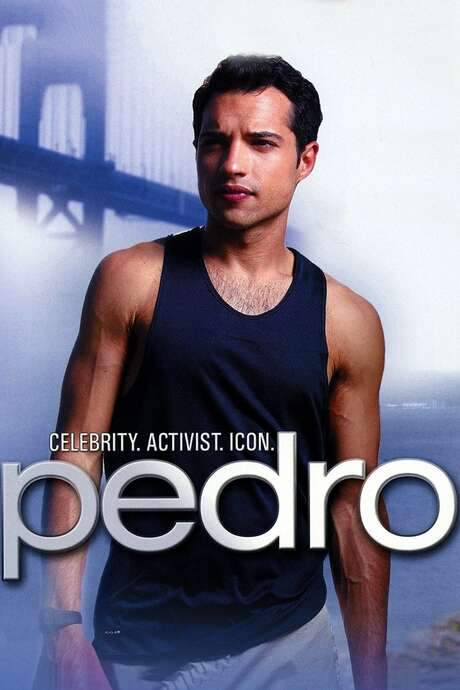
An intimate biopic chronicling Pedro Zamora, an HIV‑positive Cuban‑American who joined MTV’s The Real World: San Francisco in 1994. His candid presence turned him into a national celebrity and a compassionate advocate, bringing the AIDS crisis into the homes of millions of Americans who had never encountered someone living with HIV.
Warning: spoilers below!
Haven’t seen Pedro yet? This summary contains major spoilers. Bookmark the page, watch the movie, and come back for the full breakdown. If you're ready, scroll on and relive the story!
Trace every key event in Pedro (2008) with our detailed, chronological timeline. Perfect for unpacking nonlinear stories, spotting hidden connections, and understanding how each scene builds toward the film’s climax. Whether you're revisiting or decoding for the first time, this timeline gives you the full picture.
Last updated: October 09, 2025 at 10:47
Find frequently asked questions about the Pedro (2008) timeline, including chronological order, nonlinear jumps, cause-and-effect links, and scene sequence clarifications. This timeline FAQ helps explain when key events happen, how moments connect, and why the story unfolds in that specific order.
Pedro Zamora insisted on being open about his HIV status because he believed honesty was more important than protecting himself from personal risk. During his audition, he declared he would not change his name to 'Peter' or hide his condition, stating he would rather speak openly about the disease than shield himself from it. This decision was driven by his desire to educate the public about AIDS and challenge the stigma surrounding it.
Earlier in the film, Zamora's rejection of unsafe sex education and his decision to dedicate his life to AIDS education after discovering his status at 17 foreshadow his bold public stance.
David 'Puck' Rainey was evicted from the Real World house after he made derogatory jokes about Zamora and homosexuality, creating tension and hostility in the household. Zamora threatened to move out unless Rainey was removed, leading the cast to vote him out in order to preserve the household's dynamics and protect Zamora's well-being during filming.
The tension around Zamora's HIV disclosure earlier created the environment for this conflict, as Rainey's discriminatory behavior directly targeted Zamora's identity and health status.
Pedro Zamora met Sean Sasser at a gay and lesbian march in Washington, D.C. Their connection began at this rally and evolved into a romantic relationship. Sasser later moved to San Francisco to be with Zamora, and the two eventually exchanged wedding vows in the Real World house, becoming one of the first openly gay couples to marry on television.
The film sets up Zamora's longing for meaningful connection early on, showing his relationships with various housemates before introducing Sasser as his defining romantic partnership.
The ankle bracelet Zamora refused to surrender represented a symbolic tether to his life and identity. In a flashback, Zamora's family explained that as a child in Cuba, a Santería priest had tied a flower and chain to his ankle during a religious rite, connecting him to Earth and his heritage. When hospital staff mentioned removing it, Zamora's refusal underscored the stubborn dignity with which he faced his final days.
The opening scene establishes Zamora's disorientation and medical crisis in New York, while the flashback to his Santería roots provides deeper context for this symbol of identity and belonging.
After undergoing a brain biopsy in 1994, Zamora chose not to pursue further public appearances despite his sister's hope for more TV work. He made the painful decision to return to a Miami hospital as his health deteriorated, prioritizing his remaining time with family over continued public visibility. This decision reflected his desire to control how he was remembered, choosing dignity in his final days over appearances that might have prolonged his suffering or exploited his condition.
The brain biopsy scene marks a turning point where Zamora's health declines significantly, and earlier scenes showing his exhaustion from constant advocacy hint at his eventual withdrawal from public life.
Pedro Zamora discovered he was HIV-positive at age 17 when he volunteered at a high school blood drive. The diagnosis came as a devastating shock that sent him into denial. He experienced physical symptoms including shingles, which compounded his belief that he had a doomed future. However, this devastating news ultimately became the catalyst for his transformation into a passionate AIDS educator and activist.
Earlier scenes establish Zamora's rejection of inadequate sex education, which later fueled his determination to educate others properly after his own diagnosis.
Zamora's mother died of cancer when he was just 13 years old. This profound loss at a young age became a driving force behind his determination to become a physician and later an AIDS educator. The tragedy motivated his academic aspirations and his commitment to helping others, transforming his personal pain into a lifelong mission to save lives through education and healthcare.
The film shows Zamora's academic ambitions forming after this loss, with his later work as an AIDS educator directly connected to his childhood dream of becoming a doctor.
The Mariel Boat Lift was a 1980 exodus in which Cuba allowed people to leave for the United States, often with little preparation. The Zamora family was split apart during this period, with some members remaining in Cuba while others emigrated. This displacement and family separation became a foundational trauma in Zamora's life, contributing to the difficulties he faced growing up and eventually shaping his resilient character.
The film hints at Zamora's deep connection to his Cuban heritage, which later manifests in his family's reunion facilitated by President Clinton.
The wedding ceremony between Pedro Zamora and Sean Sasser, depicted in the show's footage, was a landmark moment for LGBTQ visibility on television. It was one of the first times an openly gay couple exchanged vows on a mainstream television program, bringing same-sex relationships into millions of American homes during a time of intense prejudice and misunderstanding about AIDS and homosexuality.
The film shows the couple's relationship developing throughout the season, building toward this historic public commitment that challenged viewers' assumptions.
Zamora's family initially had difficulty accepting his relationship with Sean Sasser, leading to a period of estrangement. The tension stemmed from generational and cultural differences within the family's Cuban heritage. However, after viewing a videotape of the couple's Real World wedding ceremony, the family underwent a reevaluation of their loyalties, recognizing the power of love to bridge divides. This emotional moment helped reconcile the family and allowed them to come together.
The film shows Zamora navigating the tension between his public life as an AIDS activist and his private family relationships throughout the narrative.
President Bill Clinton called Pedro Zamora to express his gratitude for his work in AIDS education and advocacy. This call symbolized national recognition of Zamora's impact and helped facilitate the reunification of Zamora's split family across generations of Cuban heritage, bringing them together in Miami.
Earlier scenes establish Zamora's growing national prominence as an activist, which built toward this high-level recognition.
Pedro Zamora died on November 11, 1994, from complications related to AIDS. In the hospital, doctors considered diagnoses including toxoplasmosis and progressive multifocal leukoencephalopathy (PML), both serious conditions affecting immunocompromised patients. His health deteriorated rapidly despite medical interventions, and he ultimately passed away surrounded by his loved ones.
The film builds toward this outcome through Zamora's declining health throughout the narrative, with earlier scenes showing his increasing weakness and medical complications.
Zamora continued his public speaking and activism driven by a stubborn resolve to educate and inspire, insisting that the cameras keep rolling until the end of filming. Despite protests against him and pressure from producers worried about his welfare, he viewed his visibility as essential to his mission. He believed his platform could change perceptions and save lives, making his continued work a matter of life and death importance to the broader AIDS crisis.
Earlier scenes establish Zamora's passionate commitment to education, showing him traveling to schools and speaking on radio long before his diagnosis became public.
Discover curated groups of movies connected by mood, themes, and story style. Browse collections built around emotion, atmosphere, and narrative focus to easily find films that match what you feel like watching right now.
Intimate portraits of individuals turning personal struggle into public change.If you were moved by the advocacy in Pedro, discover more movies like it. These films focus on real people who used their lives to fight for change, blending personal stories with urgent public health or social justice missions.
These narratives often follow a biographical arc, charting how a personal crisis or identity propels an individual into the public eye. The central conflict arises from the collision of their private life with public scrutiny and resistance, culminating in a legacy defined by their courage and the change they inspired.
They are grouped by their focus on real-world impact, the tension between private struggle and public persona, and a tone that balances the weight of a cause with the hope of progress. The experience is one of inspired solemnity.

Stories where a terminal diagnosis deepens relationships and forges an enduring impact.Viewers who appreciated the heartfelt relationship and legacy themes in Pedro will find similar emotional journeys here. These films explore the depth of human connection when facing mortality, often with a sad but uplifting ending.
The plot revolves around a character confronting a terminal diagnosis, which accelerates their emotional journey. The story intertwines their personal relationships—often a central romance or deep friendship—with their efforts to leave something behind, creating a narrative arc that is simultaneously about loss and the enduring power of love and memory.
These movies share a heavy emotional core centered on mortality, but they are defined by how they counterbalance sadness with themes of love, purpose, and legacy. The experience is consistently bittersweet, blending heartbreaking moments with inspiring resilience.
Don't stop at just watching - explore Pedro in full detail. From the complete plot summary and scene-by-scene timeline to character breakdowns, thematic analysis, and a deep dive into the ending - every page helps you truly understand what Pedro is all about. Plus, discover what's next after the movie.
Read a complete plot summary of Pedro, including all key story points, character arcs, and turning points. This in-depth recap is ideal for understanding the narrative structure or reviewing what happened in the movie.
Discover the characters, locations, and core themes that shape Pedro. Get insights into symbolic elements, setting significance, and deeper narrative meaning - ideal for thematic analysis and movie breakdowns.
Discover movies like Pedro that share similar genres, themes, and storytelling elements. Whether you’re drawn to the atmosphere, character arcs, or plot structure, these curated recommendations will help you explore more films you’ll love.
Pedro (2008) Plot Summary & Movie Recap
Pedro (2008) Scene-by-Scene Movie Timeline
Pedro (2008) Spoiler-Free Summary & Key Flow
Movies Like Pedro – Similar Titles You’ll Enjoy
How to Survive a Plague (2012) Spoiler-Packed Plot Recap
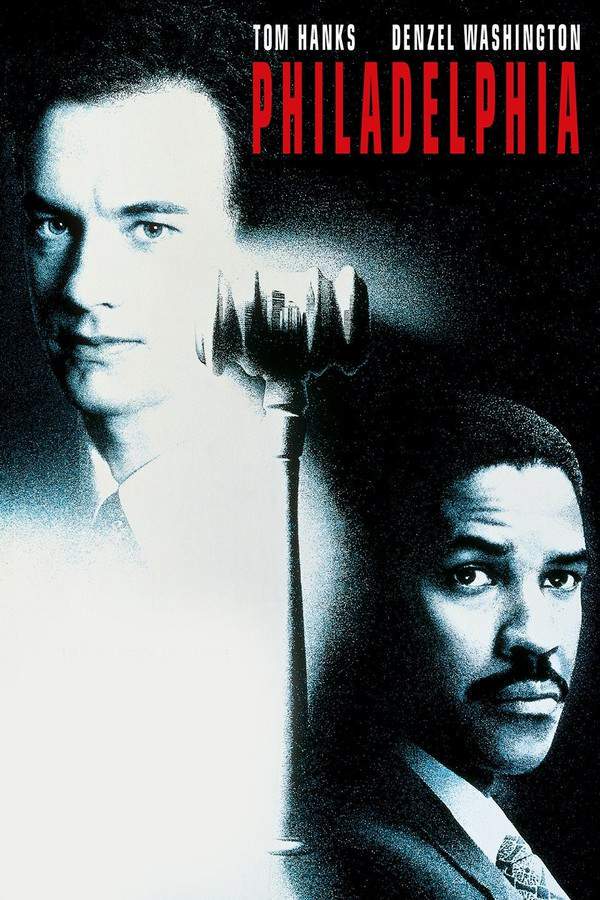
Philadelphia (1993) Complete Plot Breakdown
Cachorro (2004) Detailed Story Recap
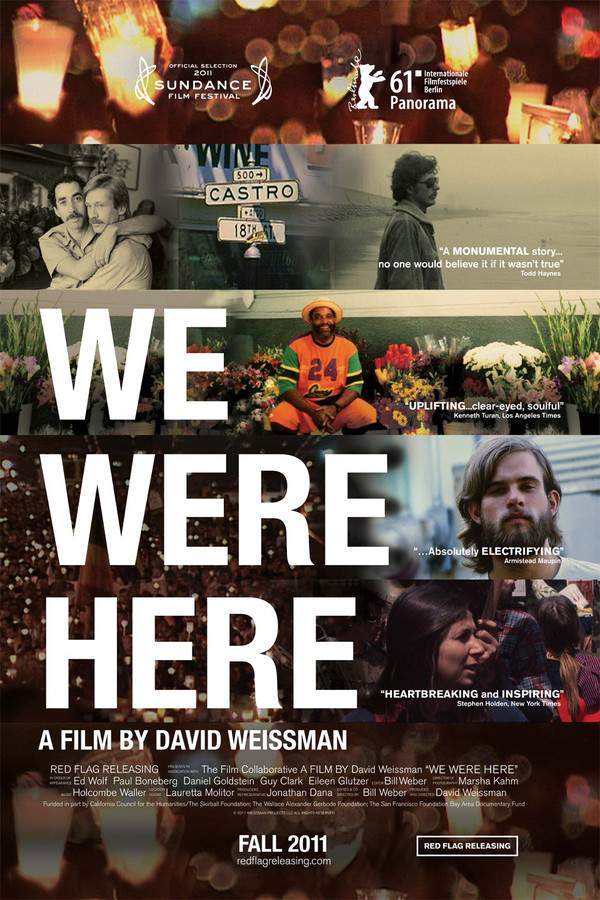
We Were Here (2011) Movie Recap & Themes
Buddies (1985) Spoiler-Packed Plot Recap
Absolutely Positive (1991) Ending Explained & Film Insights
Estou com AIDS (1986) Full Summary & Key Details
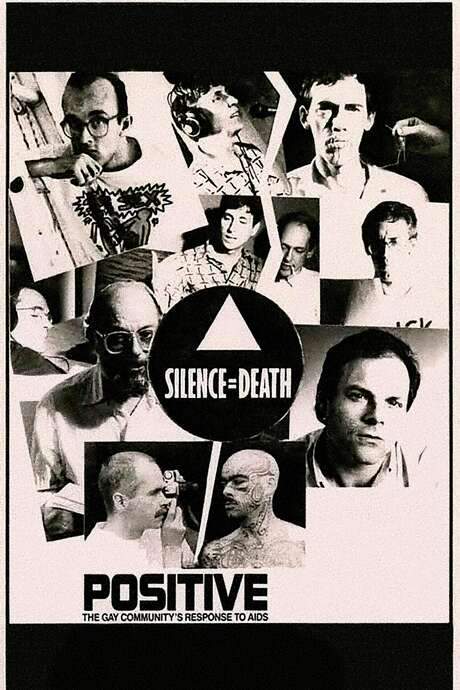
Positive (1990) Detailed Story Recap
As Is (1986) Spoiler-Packed Plot Recap
God Has AIDS (2021) Ending Explained & Film Insights
Bosé (1000) Movie Recap & Themes
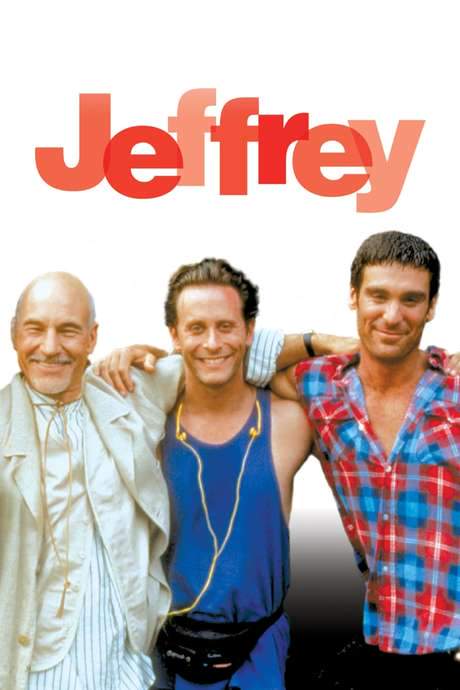
Jeffrey (1995) Full Summary & Key Details
The Broadcast Tapes of Dr. Peter (1993) Detailed Story Recap
Sex Positive (2009) Spoiler-Packed Plot Recap
Pedro Paramo (1967) Movie Recap & Themes