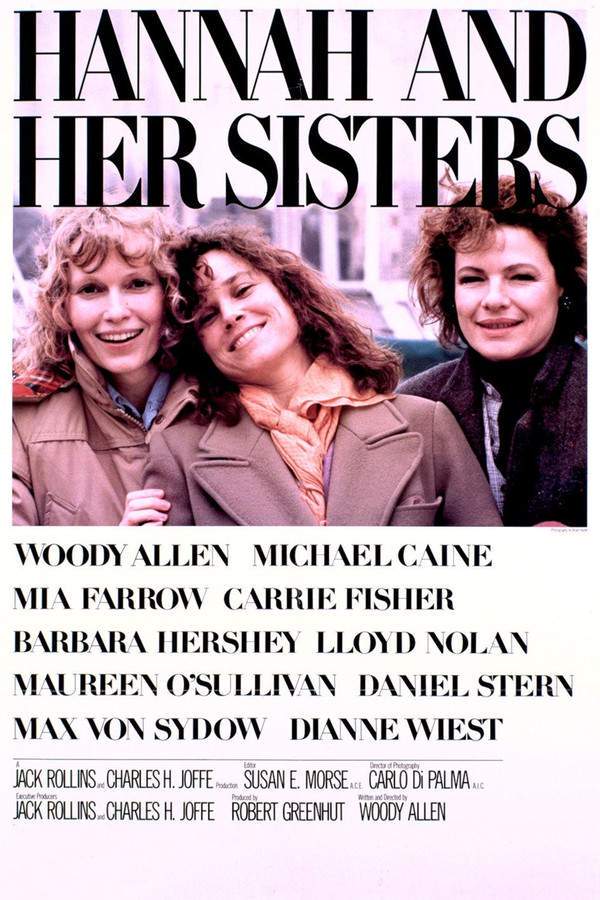
At a glamorous ball on the night of the 1904 presidential election in Silver Bow, Montana, three sisters—Louise Elliott Medlin, Helen Elliott Johnson, and Grace Elliott—stand at the crossroads of love, duty, and ambition. Their father, Ned Elliott, a pharmacist, and their mother, Rose Elliott, watch with a mix of pride and concern as romance flirts with their ordinary lives. The elder sister [Grace Elliott] is poised between security and longing, the second sister [Helen Elliott Johnson] flirts with audacity, and the youngest, [Louise Elliott Medlin], carries a gravity that sets the tone for everything that follows. In the swirl of music and expectancy, the night sets in motion a sequence of choices that will redefine the family’s fortunes.
The moment comes when Tom Knivel seems ready to propose to Louise, but the dashing Frank Medlin, a San Francisco sports reporter, sweeps in with a dance and a confession. Enchanted and infatuated, Louise agrees to a whirlwind plan: an elopement that leads to a wedding announced over Sunday dinner at the Elliott home. Although Ned and Rose fear the instability of such a match, Louise defies their disapproval and leaves for San Francisco with Frank that very night. In parallel, Grace decides to marry the heartbroken Tom, while Helen marries the wealthy Sam Johnson, who promises freedom and asks for nothing in return. The results are not simply romantic triumphs, but the early tremors of a life built on big sacrifices and bolder choices.
Financial pressures press in as Louise encourages Frank to finish his novel, and secrets begin to weigh heavily on the marriage. When Louise discovers she is pregnant, she vows to keep the truth hidden, only to reveal it during a boxing match where the smoke and chaos make her sick. The revelation shakes the couple, and back at home, a miscarriage follows as they ascend the stairs to their apartment. The tragedy plunges Frank into despair, and his drinking deepens the distance between them. In the wake of pain and doubt, Frank faces a career setback when his editor fires him, citing the toll his drinking takes on his writing. Louise, seeking to support them, finds work at a local department store and takes pride in contributing as a secretary to the store’s owner, William Benson, a figure who becomes a quiet pillar during a stormy season.
As hardship mounts, fellow sportswriter Tim Hazelton suggests a fresh start away from the city, and Frank agrees to take a berth on a ship headed for Singapore. Louise, unaware of the exact moment of departure, returns home to find a note from Frank and races to the docks, only to be stopped in her tracks when a policeman, misled by circumstance, arrests her briefly. By the time she is released, Frank’s ship has sailed, and the future seems uncertain.
The story shifts dramatically when the 1906 earthquake devastates San Francisco, transforming it from a bustling metropolis into a city clawing its way back from ruin. Ned travels to the West Coast in search of Louise, who, after the catastrophe, has found refuge with Flora Gibbon in Oakland, at Flora's mother’s bordello. With the help of Flora Gibbon and her mother, Ned locates Louise and brings her back to the rebuilding city. The tides of time pull them forward, and two years pass as Louise rebuilds her life, becoming an executive in the department store where she once toiled.
Back in Silver Bow, life continues to reshape the family. Tom’s infidelity to Grace becomes a bitter memory, and Louise returns home with the experience and strength she gained in San Francisco. Frank makes his way back to the city, carrying a quiet illness but driven by a renewed sense of purpose. He travels to Silver Bow with Tim Hazelton when news reaches him that Louise is there, and the two men come to see the past in a new light. At last, on the night of the 1908 presidential election ball, the paths of Louise and Frank converge once more, and they decide to give their marriage another chance, embracing the possibility of a future built on forgiveness, perseverance, and the sort of resilience that only time and shared history can forge.