
Paramanandayya Sishyula Katha
Year: 1966
Runtime: 181 mins
Language: Telugu
Director: Chittajalu Pullayya
Eight unsuspecting people discover a bathing woman who is actually a mighty goddess. Enraged by being observed, she curses them, stripping away their wisdom. The only way they can regain their intellect is to locate the reclusive sage Paramanandaiah, whose whereabouts have become a mystery to them.
Warning: spoilers below!
Haven’t seen Paramanandayya Sishyula Katha yet? This summary contains major spoilers. Bookmark the page, watch the movie, and come back for the full breakdown. If you're ready, scroll on and relive the story!
Timeline – Paramanandayya Sishyula Katha (1966)
Trace every key event in Paramanandayya Sishyula Katha (1966) with our detailed, chronological timeline. Perfect for unpacking nonlinear stories, spotting hidden connections, and understanding how each scene builds toward the film’s climax. Whether you're revisiting or decoding for the first time, this timeline gives you the full picture.
Last updated: October 09, 2025 at 14:07
Paramanandayya Sishyula Katha (1966) Timeline Questions Answered – Chronology FAQ
Find frequently asked questions about the Paramanandayya Sishyula Katha (1966) timeline, including chronological order, nonlinear jumps, cause-and-effect links, and scene sequence clarifications. This timeline FAQ helps explain when key events happen, how moments connect, and why the story unfolds in that specific order.
Why did Chitralekha curse the seven saints?
Chitralekha cursed the seven saints to become fools after they blocked her path while she was traveling to bathe in a pool. The saints refused to let her pass, and in her anger, she used her celestial powers to strip them of their wisdom as punishment for their obstruction.
Earlier, Siva had warned Chitralekha that she would lose her celestial status if she ever met a mortal, setting up the consequences of her anger.
What is the Rudrakshamala and why does it matter in the story?
The Rudrakshamala is a sacred rosary given to Chitralekha by Siva before her earthly mission. It serves as a symbol of her divine status and is central to the plot because when Nandivardhana finds and wears it, it draws Chitralekha back to earth and directly leads to their fateful meeting where she loses her divinity.
Siva specifically instructed Chitralekha to wear the Rudrakshamala during her earthly visits, making its loss significant.
Why did Chitralekha lose her celestial status after meeting Nandivardhana?
Chitralekha lost her celestial status because when Nandivardhana touched her, after wearing the Rudrakshamala, she fulfilled the condition set by her mentor Aruna Keerti: if she ever met a human, she would lose her divine powers. The touch caused her divinity to waver, forcing her to seek penance to restore her status.
Aruna Keerti warned Chitralekha that meeting a mortal would cost her celestial status if she cursed the saints in anger.
Why did the seven cursed saints become disciples of Paramanandayya?
After being cursed by Chitralekha, the seven saints were guided by their mentor Aruna Keerti to seek wisdom from the sage Paramanandayya in Vijayadurgam. Aruna Keerti believed that learning from Paramanandayya would help them overcome their foolishness and eventually free them from the curse.
Aruna Keerti blessed the saints with freedom after Chitralekha's marriage, pointing them toward their future guru.
Why does Chief Minister Sivanandam want to kill King Nandivardhana?
Sivanandam, the scheming Chief Minister, plotted to eliminate King Nandivardhana to seize political power for himself. He orchestrated the assassination attempt in the forest through his acolyte Jaggarayudu, using the king's absence from the palace as an opportunity to take the throne.
Sivanandam's ambition was evident early in the film as he positioned himself against the ruler's interests.
How do the seven saints help in the final confrontation at Raj Mahal?
In the final confrontation at Raj Mahal, the seven disciples, formerly the cursed saints, help thwart Sivanandam's murder plot against Nandivardhana. They assist Chitralekha in persuading the king and queen to unite in marriage, ultimately helping break the curse and restore harmony.
The saints' earlier mischief had been subtly working in Paramanandayya's favor, protecting them and aiding their development.
Why is the curse on the seven saints lifted at the end?
The curse is lifted when Nandivardhana and Chitralekha pledge their union in marriage. Their wedding seals the salvation of the saints, fulfilling the blessing given by Aruna Keerti that freedom would come after Chitralekha's marriage. The couple's espousal breaks the curse and brings the story to a joyful close.
Aruna Keerti had promised the saints freedom after Chitralekha's marriage, which becomes the narrative payoff.
Why does Nandivardhana decide to wear the Rudrakshamala?
Nandivardhana discovers the Rudrakshamala and, ignoring warning signs about its mystical nature, decides to wear it himself. This act of wearing the divine ornament propels him into direct contact with Chitralekha, triggering the central celestial-test dynamic of the story.
The Rudrakshamala was left exposed after Chitralekha's slip-up, creating the opportunity for Nandivardhana to find it.
Why does Chitralekha retreat to the forest after influencing Nandivardhana?
Chitralekha retreats to the forest because she fears losing her celestial status permanently and needs guidance from Paramanandayya on how to perform penance and regain her divine powers. Her time in the forest also puts her in danger, leading to her capture by Jaggarayudu and subsequent rescue by Nandivardhana.
Chitralekha worried about restoring her celestial status throughout the story and sought Paramanandayya's counsel.
Why do Paramanandayya's disciples pretend to have swallowed poison?
The disciples pretend to have swallowed poison and wander the streets imagining they've reached heaven as a desperate attempt to evoke mercy from Paramanandayya, who had grown increasingly harsh toward them. This dramatic act brings them to the Royal Fort and ultimately advances the plot toward the final resolution.
Paramanandayya had become harsher with his disciples, pushing them to extreme measures.

Explore Movie Threads
Discover curated groups of movies connected by mood, themes, and story style. Browse collections built around emotion, atmosphere, and narrative focus to easily find films that match what you feel like watching right now.
Mythological comedies with divine intervention like Paramanandayya Sishyula Katha
Humorous tales where gods and mortals collide with whimsical consequences.If you enjoyed the playful divine curse and lighthearted adventure in Paramanandayya Sishyula Katha, you'll love these movies. Discover similar stories where mythology meets comedy, with whimsical gods, foolish mortals, and uplifting resolutions.

Bedlam in Paradise
1955

Narada Vijaya
1980

Bedazzled
2000

Hercules in New York
1970

Oh, God! Book II
1980

Mr. Destiny
1990
Paramanandayya Sishyula Katha
1966

Night in Paradise
1946

The Gods Must Be Crazy
1984

Naveena Saraswathi Sabatham
2013

A Simple Wish
1997

For Love and Gold
1966

Laksamana Do Re Mi
1972

More Than a Miracle
1967
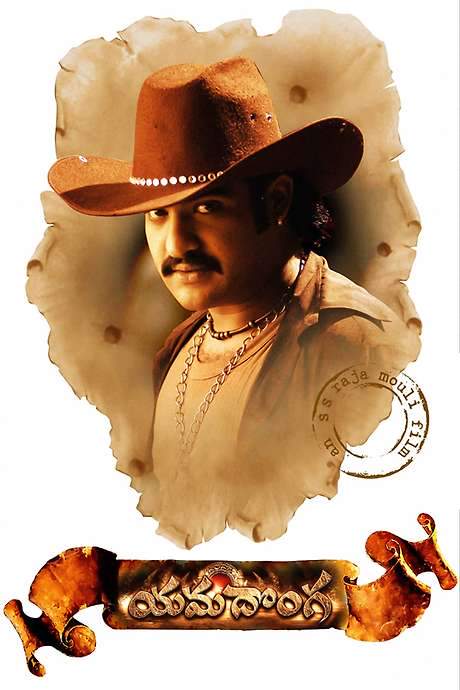
Yamadonga
2007
Narrative Summary
Stories in this thread typically begin with a supernatural event—a curse, a blessing, or a divine encounter—that disrupts the human world. Characters, often comically flawed, must then embark on a quest or solve a problem to restore balance, leading to a series of humorous misadventures that ultimately reinforce themes of faith, cleverness, or community.
Why These Movies?
These movies are grouped by their shared tone of whimsical fantasy and light comedy. They feature a consistent mix of mythological elements, playful character interactions, and a steady, adventure-driven pace that keeps the mood uplifting and the emotional weight light.
Movies with lighthearted redemption quests like Paramanandayya Sishyula Katha
Characters on a lighthearted mission to undo a curse or fix a mistake.Fans of the hopeful search for the sage in Paramanandayya Sishyula Katha will appreciate these films. Explore similar movies featuring a group on a uplifting mission to undo a curse, find enlightenment, or achieve a happy resolution through teamwork and persistence.

You Wish!
2003

Jinxed
2013

Hiling
1998

The Good Witch’s Gift
2010

The Good Witch’s Destiny
2013

Upon the Magic Roads
2021

The Good Witch’s Charm
2012

The Magic Riddle
1991

Prince Charming
2001

Up, Up, and Away
2000

Duyung
2008

Oz the Great and Powerful
2013

Latte and the Magic Waterstone
2019

Looking for Magical Doremi
2020

Maid to Order
1987
Narrative Summary
The narrative pattern involves a clear, attainable goal—often the reversal of a supernatural problem—that sets a group or individual on a path. The journey is the focus, showcasing character growth, forming bonds, and overcoming obstacles through wit and cooperation rather than force, leading to a satisfying and happy conclusion.
Why These Movies?
These films share a core structure of a positive quest, a steady and engaging pace, and a consistently light emotional tone. They are united by their emphasis on hope, teamwork, and the joy of the journey itself, resulting in a feel-good viewing experience.
Unlock the Full Story of Paramanandayya Sishyula Katha
Don't stop at just watching - explore Paramanandayya Sishyula Katha in full detail. From the complete plot summary and scene-by-scene timeline to character breakdowns, thematic analysis, and a deep dive into the ending - every page helps you truly understand what Paramanandayya Sishyula Katha is all about. Plus, discover what's next after the movie.
Paramanandayya Sishyula Katha Summary
Read a complete plot summary of Paramanandayya Sishyula Katha, including all key story points, character arcs, and turning points. This in-depth recap is ideal for understanding the narrative structure or reviewing what happened in the movie.

Characters, Settings & Themes in Paramanandayya Sishyula Katha
Discover the characters, locations, and core themes that shape Paramanandayya Sishyula Katha. Get insights into symbolic elements, setting significance, and deeper narrative meaning - ideal for thematic analysis and movie breakdowns.


Similar Movies to Paramanandayya Sishyula Katha
Discover movies like Paramanandayya Sishyula Katha that share similar genres, themes, and storytelling elements. Whether you’re drawn to the atmosphere, character arcs, or plot structure, these curated recommendations will help you explore more films you’ll love.

Dharma Prabhu
2019

Tirumala Tirupati Venkatesa
2000

Sri Manjunatha
2001

Kondaveeti Donga
1990

Jagadeka Veerudu Athiloka Sundari
1990

Katha
1982

Ajagajantharam
2021

Hanu-Man
2024

Pandurangadu
2008
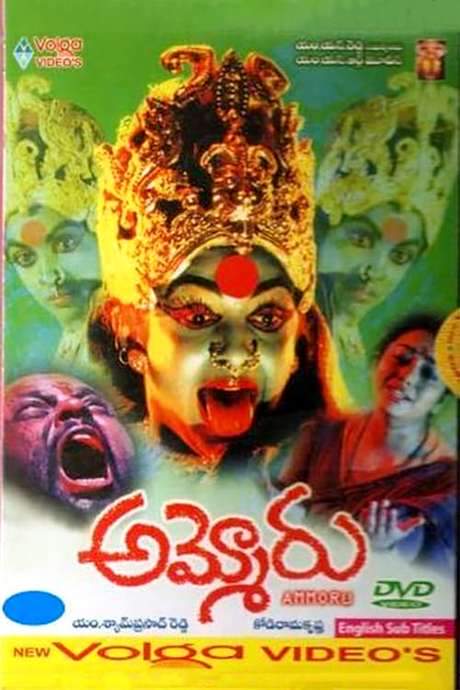
Ammoru
1995

Jambalakidi Pamba
1993

Saraswathi Sabatham
1966

Kallanum Bhagavathiyum
2023

Mahaveeryar
2022

Pathala Bhairavi
1951
Explore More About Movie Paramanandayya Sishyula Katha
Paramanandayya Sishyula Katha (1966) Plot Summary & Movie Recap
Paramanandayya Sishyula Katha (1966) Scene-by-Scene Movie Timeline
Paramanandayya Sishyula Katha (1966) Spoiler-Free Summary & Key Flow
Movies Like Paramanandayya Sishyula Katha – Similar Titles You’ll Enjoy
Dharma Prabhu (2019) Detailed Story Recap
Tirumala Tirupati Venkatesa (2000) Film Overview & Timeline
Sri Manjunatha (2001) Ending Explained & Film Insights
Kondaveeti Donga (1990) Full Summary & Key Details
Jagadeka Veerudu Athiloka Sundari (1990) Movie Recap & Themes
Katha (1982) Film Overview & Timeline
Ajagajantharam (2021) Story Summary & Characters
Hanu-Man (2024) Ending Explained & Film Insights
Pandurangadu (2008) Complete Plot Breakdown
Ammoru (1995) Ending Explained & Film Insights
Jambalakidi Pamba (1993) Detailed Story Recap
Saraswathi Sabatham (1966) Complete Plot Breakdown
Kallanum Bhagavathiyum (2023) Ending Explained & Film Insights
Mahaveeryar (2022) Story Summary & Characters
Pathala Bhairavi (1951) Full Summary & Key Details