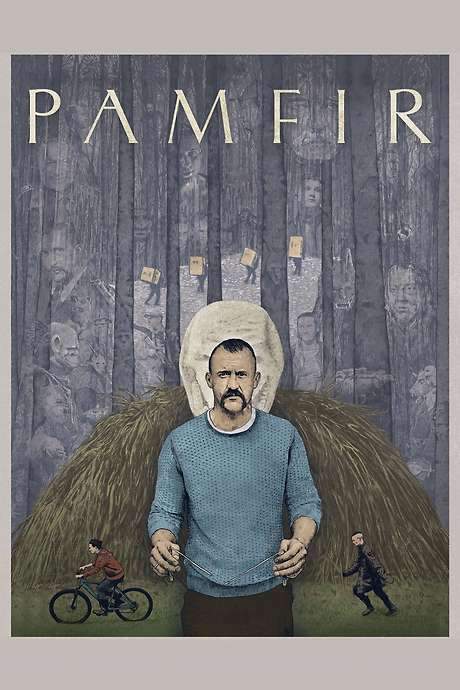
Pamfir, a former smuggler and devoted family man, returns to his native village in western Ukraine after years abroad. He resolves to support his family through honest work, hoping to set a steady example for his teenage son, Nazar. The story unfolds in Bukovina on the eve of the Malanka carnival, a time of bright costumes, songs, and ritual that momentarily masks deeper grievances. The village, however, is not just a backdrop of celebration; it is a web where corruption threads through everyday life, tying crime to religious spaces and local power. The atmosphere is thick with tradition, obligation, and the quiet fear that things are not as simple as they seem.
Power is concentrated in the hands of Orest Ivanovych Mordovskiy, known as Morda, who runs a forest protection company and uses it as a shield for organized crime. Pamfir's plan to live cleanly is tested as the pressures of this network press in from every side. The community's dusty lanes, roadside stalls, and cramped houses become stages for deals, threats, and quiet complicity, where people balance survival with conscience. Even figures like Pastor Andrii try to guide the community, offering a moral counterpoint to the creeping influence of crime.
The crisis arrives when Nazar, wanting his father home, acts impulsively to protect the family. He burns his father's documents and, in a moment of misfortune, this act also damages the local house of prayer. The blaze becomes a powerful symbol of how fragile trust can be in a place where loyalties shift and fear drives reckless acts. To repair the damage and protect his family, Pamfir is compelled to confront a past he hoped to leave behind and re-enter the dangerous world of crime, joining a criminal group and resuming smuggling.
This return tests the bonds that hold Pamfir together. The tension reaches his relationships with Mother and Father as they witness his struggle between a better life and the pressures of a corrupt system. The emotional landscape is further enriched by Anhelina, whose presence adds nuance to Pamfir’s choices and the threats that trail him. The Malanka celebrations—loud, vibrant, and full of life—stand in stark contrast to the shadows of crime and coercion that loom over the village, underscoring the central conflict between duty, faith, and family.
In the end, the film asks how a man can stay true to his promises when the world around him demands compromise. Pamfir’s journey is a test of resilience, a meditation on responsibility, and a meditation on what it truly means to be a family man in a place where tradition and corruption collide. The tale unfolds with a patient, grounded gaze on everyday life—the meals shared with loved ones, the weight of unspoken vows, and the hard choices that define adulthood in a landscape where the line between right and wrong remains perilously blurred.