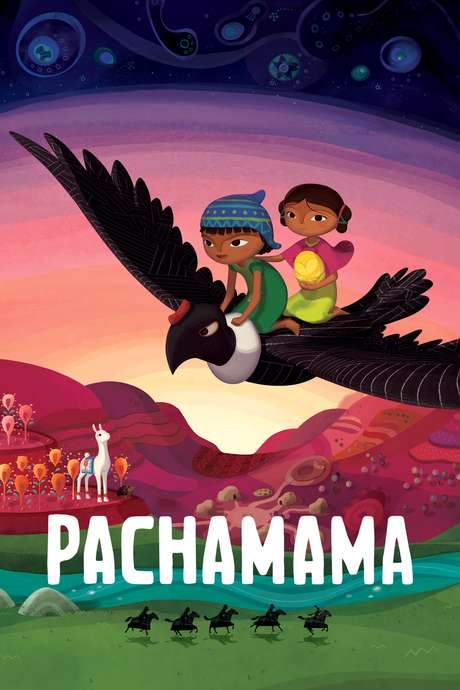
Pachamama

A young boy living in a remote village in the Andes Mountains dreams of becoming shaman.
Where to Watch Pachamama?
Find where to stream, rent, or buy Pachamama (2018) in the US with current JustWatch availability, up-to-date pricing, and platform listings for subscription, rental, and digital purchase options.


Streaming availability powered by 
Warning: spoilers below!
Haven’t seen Pachamama yet? This summary contains major spoilers. Bookmark the page, watch the movie, and come back for the full breakdown. If you're ready, scroll on and relive the story!
Pachamama (2018) – Full Plot Summary & Ending Explained
Read the complete plot breakdown of Pachamama (2018), including all key story events, major twists, and the ending explained in detail. Discover what really happened, and what it all means.
Tepulpai, Tepulpai, a curious 10-year-old with a burning dream to become a Shaman, is denied the chance to join the village’s revered role of the Great One. The community’s luck darkens when an Incan tax collector arrives and confiscates the Huaca, the village’s most precious treasure, along with most of the crops, leaving the people hungry and desperate. Walumama, Walumama, the elder, faints at the loss of the statue, and Tepulpai’s anger hardens into a resolve: the Huaca must be recovered.
Tepulpai crosses a rope bridge to Cusco and reluctantly accepts the company of Naïra, who insists on joining him. Tepulpai is wary at first, but he agrees after she bravely crosses the bridge herself. In Cusco, they meet the Great Inca and are warned to think twice about their plan as they discuss a message from a dying chasqui about a floating house on the waters and beings from another world — “monsters” with metal skins that spit fire. He asks them to carry his warning. Tepulpai pockets the chasqui’s pututu and presses on toward the Great Inca.
The two children seek to relay the warning, but the Great Inca dismisses the tale as a lie from the Great Observer. Tepulpai, angered, challenges the authority, and the situation escalates when the so‑called “gods” arrive and attack, revealing themselves as thieves. They seize the Huaca, and the children narrowly escape into an abandoned house. Tepulpai uses Kirkincho, an armadillo, to confuse the thieves while [Naïra] returns the Huaca to the village. The thieves quickly realize Tepulpai never held the real Huaca, and a whirlpool drags them away.
Lost in an underground labyrinth, Tepulpai encounters the blind Great Observer and his puma, who offer food and shelter. The Great Observer explains that there is no easy escape from the maze and helps Tepulpai see that the Great Condor’s feather he once took was taken without permission. He quietly apologizes to the feather, and the wind carries it toward the exit, guiding Tepulpai out.
The Great Condor rescues the children, flying them back to the village while Kirkincho and Naira’s llama, Llamita, hurry back on their own. Tepulpai learns that the Great Condor is actually the Shaman, and the danger intensifies as the metal-clad intruders close in to steal the Huaca. The Huaca cracks under their assault, the crops are devastated by an explosion, and Walumama has joined the ancestors. In a final turn, Tepulpai discovers seeds hidden within the Huaca and offers them to Pachamama. As rain returns, the village joins in a celebratory dance, embracing a future rooted in renewal and hope.
Last updated: February 25, 2026 at 08:10
Pachamama (2018) Plot Questions Answered – Summary FAQ
Explore frequently asked questions about Pachamama (2018) with spoiler-rich answers covering the full plot summary, major story beats, character motivations, hidden details, and ending meaning. This movie summary FAQ helps explain confusing scenes, plot twists, and narrative decisions in clear, searchable detail.
Why is Tepulpai denied the chance to become a shaman?
Tepulpai is only 10 years old and belongs to a low status in the village hierarchy. The community's elders determine he is too young and lacks the required standing to join the path of the Great One, the village's shaman role. Despite his burning ambition and genuine curiosity about spiritual matters, the village's traditions require candidates to meet specific age and status requirements that Tepulpai has not yet fulfilled.
Who are the "gods" that arrive in Cusco?
The so-called gods are actually thieves dressed in elaborate metal armor. When they arrive at the Great Inca's presence, they attack and seize the Huaca, revealing their true nature as criminals rather than divine beings. Their appearance with metal skins and fire-breathing capabilities match the dying chasqui's warning about monsters from another world.
The dying chasqui previously warned about beings with metal skins that spit fire, which foreshadows this attack.
Who is the blind Great Observer in the labyrinth?
The Great Observer is a mystical guide who lives in the underground labyrinth beneath the earth. Though blind, he perceives truths beyond ordinary sight and helps Tepulpai understand his mistake with the feather. He provides food and shelter, explains that there is no easy escape, and guides Tepulpai toward self-awareness about taking the Condor's feather without permission.
What do the seeds inside the broken Huaca represent?
The seeds hidden inside the Huaca symbolize renewal, hope, and the cycle of life. When the statue breaks during the thieves' assault, Tepulpai discovers these seeds and offers them to Pachamama, the Earth Mother. This act restores the village's connection to nature and brings the rain that enables new crops to grow, transforming the loss of their sacred treasure into a blessing.
Why did Tepulpai take the Great Condor's feather?
Tepulpai took the feather earlier in the story, likely viewing it as a trophy or proof of his courage. In the labyrinth, the Great Observer helps him realize this act was wrong, the feather was taken without permission from a sacred creature. Tepulpai's sincere apology to the feather allows the wind to guide him out of the maze, showing respect for natural order.
Who is the Great Condor really?
The Great Condor is actually the village's true Shaman in bird form. Throughout the journey, the Condor appears as a mystical protector, rescuing Tepulpai from the whirlpool, flying the children back to safety, and watching over the village. Only at the end does Tepulpai realize this magical creature is the shaman he has been aspiring to become.
What is the dying chasqui's warning about?
The dying chasqui warns the Great Inca about a floating house on the waters and beings from another world described as monsters with metal skins that spit fire. This prophetic warning anticipates the arrival of the thieves who attack in metal armor. The chasqui entrusts Tepulpai with this message and his pututu (conch shell) before dying.
Why does the Huaca break and what happens to the crops?
The Huaca breaks when the armored thieves assault it while trying to steal the village's treasure. During their attack, an explosion devastates the crops, leaving the village in desperate condition. The breaking of this sacred statue initially seems like catastrophe, but it reveals the seeds inside that ultimately restore the land.
What happens to Walumama in the story?
Walumama, the village elder, faints when the Huaca is stolen and later joins the ancestors, a spiritual passing in the Andean belief system. Her death marks a moment of loss for the community, but her spirit remains connected to the village. Her fate motivates Tepulpai's determination to recover the Huaca and restore hope.
How does Tepulpai survive the whirlpool?
After the thieves realize Tepulpai does not have the real Huaca, a whirlpool sweeps him and Kirkincho the armadillo underwater. Tepulpai survives because the Great Condor rescues him from this life-threatening situation. The Condor flies him to safety in the underground labyrinth where he meets the Great Observer.

Explore Movie Threads
Discover curated groups of movies connected by mood, themes, and story style. Browse collections built around emotion, atmosphere, and narrative focus to easily find films that match what you feel like watching right now.
Spiritual Journeys of Self-Discovery like Pachamama
Hopeful adventures where a young hero embraces a spiritual calling.Discover movies like Pachamama where a determined hero embarks on a coming-of-age spiritual quest. If you enjoyed the blend of mystical guidance, cultural discovery, and a heartfelt, hopeful conclusion, explore these similar films.

Smurfs: The Lost Village
2017
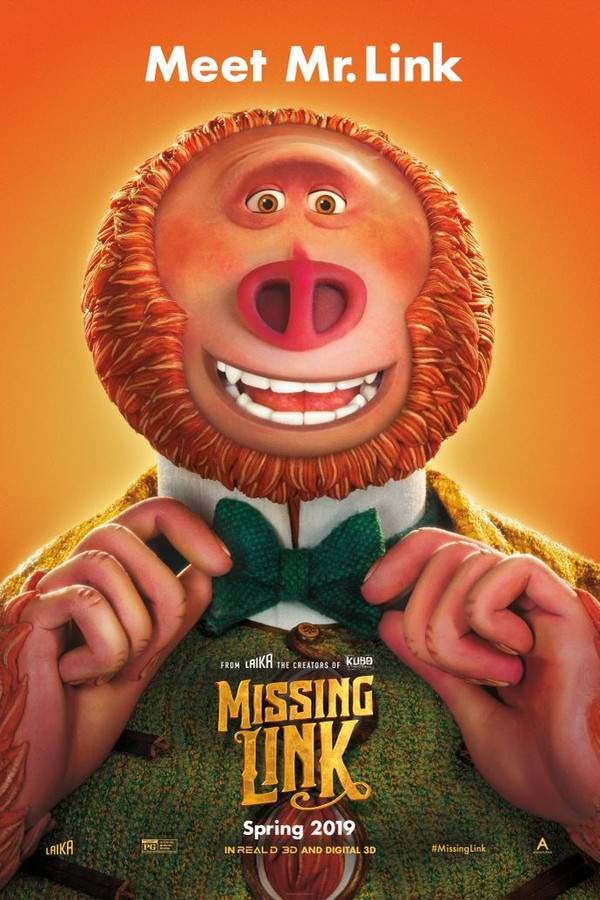
Missing Link
2019
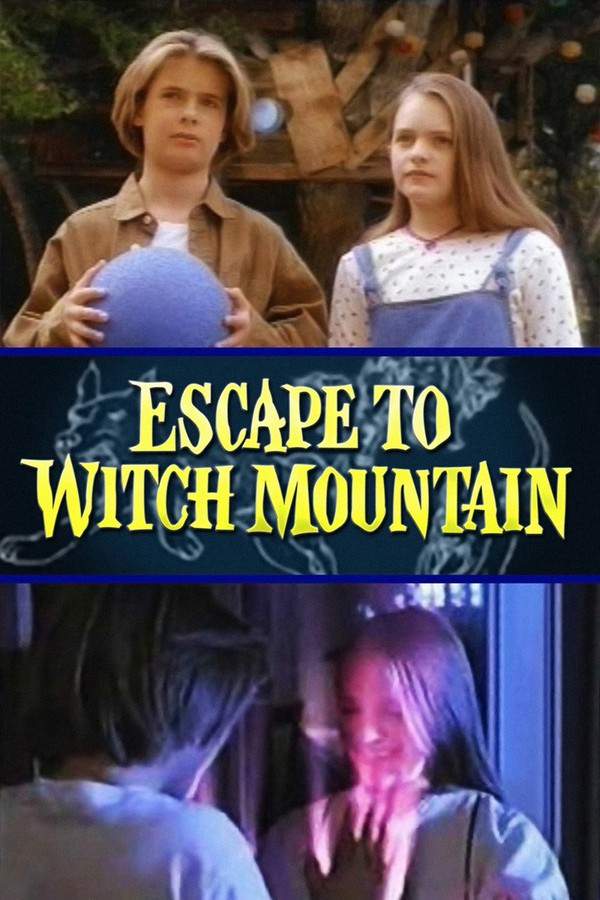
Escape to Witch Mountain
1975
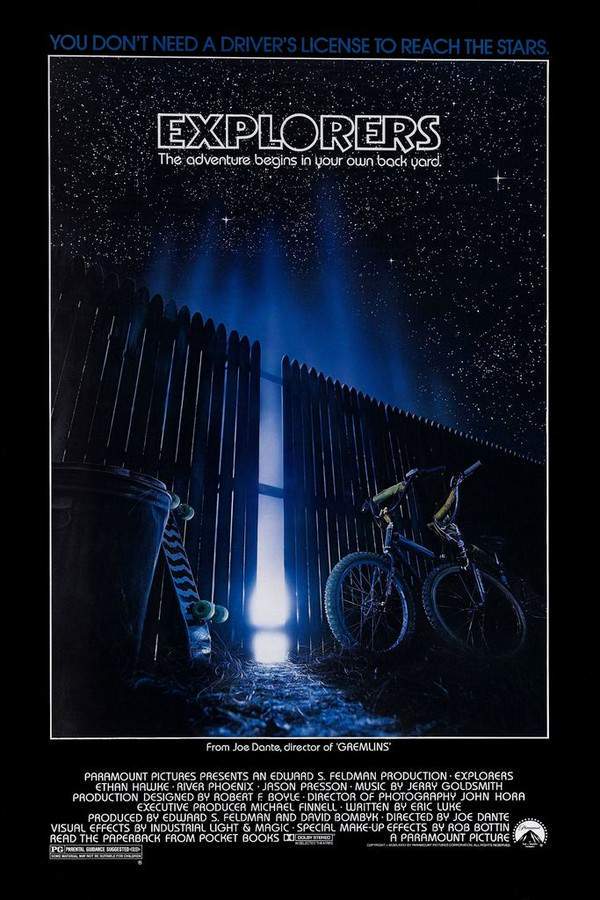
Explorers
1985

Fantastic Journey to Oz
2017
Pachamama
2018

Bayala: A Magical Adventure
2019

The Magic Roundabout
2004

The Legend of Sasquatch
2007

Along Unknown Paths
1982

Upon the Magic Roads
2021

Escape to Witch Mountain
1995

Mr. Rossi Looks for Happiness
1976

Gnomes and Trolls: The Secret Chamber
2008

Eleanor’s Secret
2009
Narrative Summary
These narratives typically follow a linear quest where a young protagonist, often guided by mentors or magical elements, sets out to prove themselves or retrieve something important. They face trials that test their courage and connection to their community, culminating in a triumphant return and a reaffirmation of cultural values.
Why These Movies?
Movies are grouped here for their shared focus on a spiritual journey as the core character arc, a tone of wonder and hope, and an uplifting ending that celebrates personal and communal growth.
Whimsical Animated Adventures like Pachamama
Family-friendly animated tales filled with wonder, magic, and gentle peril.Looking for movies like Pachamama? Explore this collection of gentle, family-friendly animated adventures. If you enjoyed the steady pace, whimsical tone, and heartfelt quest, you'll find similar enchanting stories here.
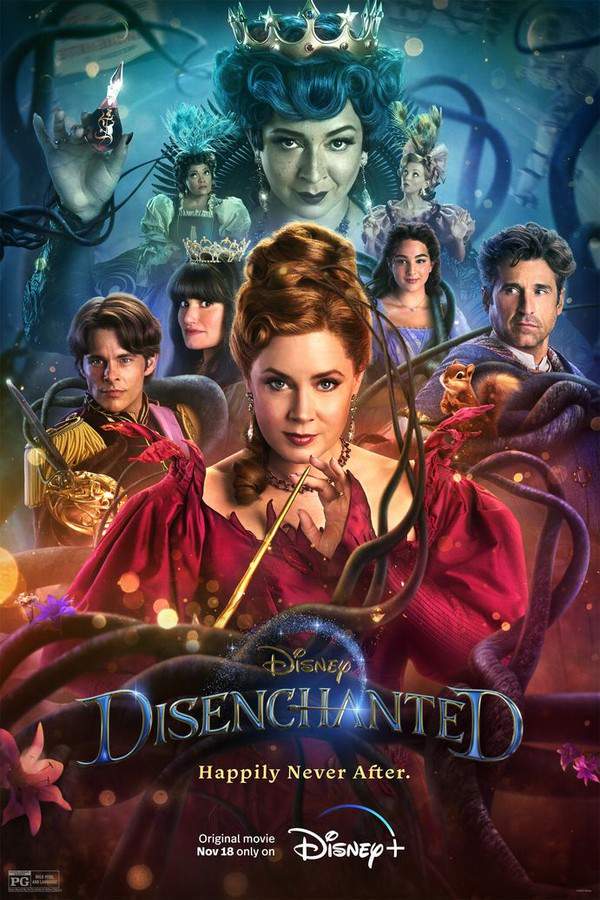
Disenchanted
2022
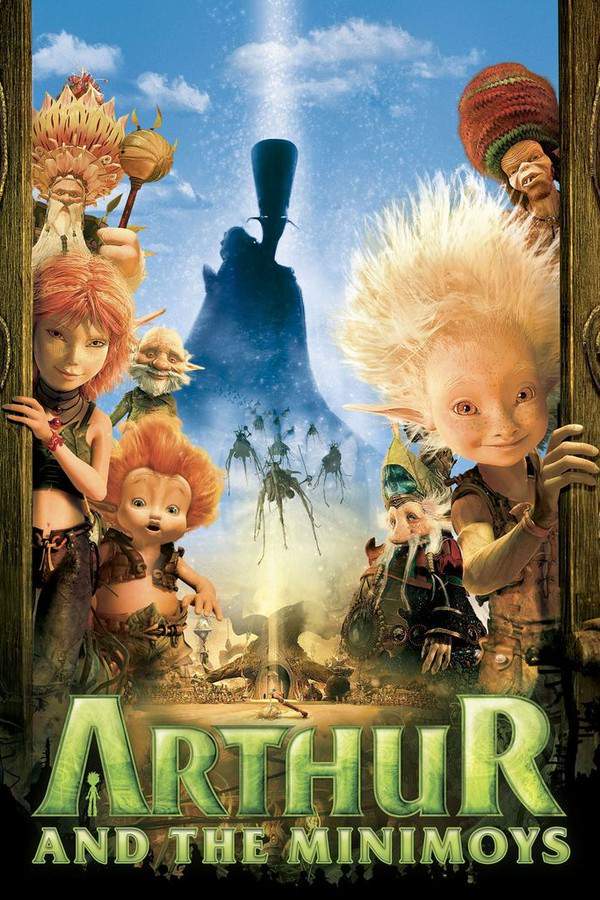
Arthur and the Invisibles
2006

Happily N'Ever After
2007

The Magic Snowflake
2013
The Magic Roundabout
2004

The Princess and the Goblin
1991

The Magic Riddle
1991

The Wind in the Willows
1983

Little Nemo: Adventures in Slumberland
1989
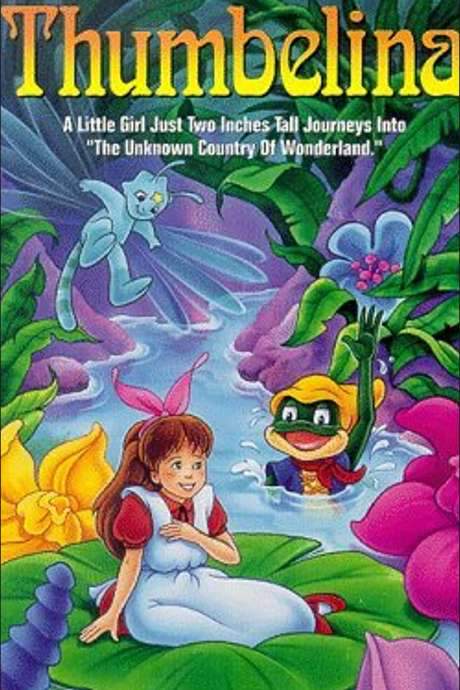
Thumbelina
1993

The Adventures of Pinocchio
1996

The Wind in the Willows
1996
Gnomes and Trolls: The Secret Chamber
2008

A Simple Wish
1997
Eleanor’s Secret
2009
Narrative Summary
The plot follows a clear, steady-paced adventure with a central goal. While the heroes encounter obstacles and mild danger, the overall tone remains hopeful and magical, ensuring the experience is thrilling without being overly intense, and concludes on a positive, heartwarming note.
Why These Movies?
This thread connects films that share a specific vibe: an animated format, a medium-intensity adventure, a whimsical tone, and a light emotional weight, creating a consistently uplifting and magical viewing experience.
Unlock the Full Story of Pachamama
Don't stop at just watching - explore Pachamama in full detail. From the complete plot summary and scene-by-scene timeline to character breakdowns, thematic analysis, and a deep dive into the ending - every page helps you truly understand what Pachamama is all about. Plus, discover what's next after the movie.
Pachamama Timeline
Track the full timeline of Pachamama with every major event arranged chronologically. Perfect for decoding non-linear storytelling, flashbacks, or parallel narratives with a clear scene-by-scene breakdown.

Characters, Settings & Themes in Pachamama
Discover the characters, locations, and core themes that shape Pachamama. Get insights into symbolic elements, setting significance, and deeper narrative meaning - ideal for thematic analysis and movie breakdowns.


