

Plot Explained Spoilers guaranteed!
Plot Explained

Browse by genre

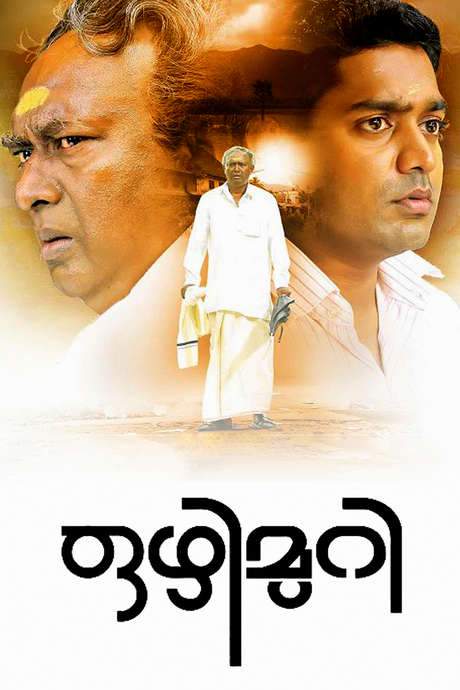
Ozhimuri (2012) movie poster

Timeline

Ozhimuri (2012) Timeline Explained – Every Event in Order

Release, runtime and language
2012 · 127 mins · Malayalam
Directed by
Madhupal
Starring
Asif Ali, Kochu Preman, Lal, Bhavana, Jagadish, Ilavarasu

After thirty years of marriage, a woman in her fifties unexpectedly files for divorce from her seventy-one-year-old husband. Their son and a lawyer investigate the circumstances behind this surprising decision, attempting to uncover the reason for the couple's separation and the breakdown of their long-standing relationship.

On this page (5)
  1. 1 Where to watch
  2. 2 Events in order (12)
  3. 3 Timeline questions answered
  4. 4 Movie threads
  5. 5 Every angle

Where to watch

Where to Watch Ozhimuri (2012)

Where can you watch Ozhimuri? Stream, rent or buy it in the US, including on Sun Nxt: current JustWatch availability with up-to-date prices.

Streaming availability powered by JustWatch

12 events in order · contains spoilers

Ozhimuri Timeline: Events in Chronological Order

Every key event of Ozhimuri (2012) in order, scene by scene, with when and where it takes place. Use it to untangle flashbacks, time jumps and parallel storylines, to refresh your memory before the sequel or to find the exact scene you are thinking of.

  1. Thanu Pillai's world set by ego and tradition

    The film unfolds through the eyes of Thanu Pillai, a man defined by ego clashes and the rigid hierarchies of his era. In his orbit are three women who will gradually expose the tensions of a traditional family: Kali Pillai, his formidable mother; Meenakshi, his wife; and the wife of his son. The social backdrop is a matrilineal system clashing with Thanu's patriarchal impulses.

    When
    Early life in a traditional Kerala household
    Where
    Family home
  2. Meenakshi files for divorce and seeks property return

    Meenakshi Pillai files for divorce against her husband, seeking the return of properties she had transferred during the marriage. The move triggers a courtroom battle that lays bare long buried grievances and power dynamics within the family. The defense lawyer Balamani tries to persuade Meenakshi and her son Sarath to withdraw the case.

    When
    Present day (divorce proceedings)
    Where
    Courtroom
  3. Sarath explains family history and female power

    Sarath Chandran explains that his father was abusive toward him and his mother, revealing a tangled web of fear and control. He recalls Kali Pillai's former power in local politics within the matrilineal system, a power Thanu Pillai despised. Yet Kali had loved Meenakshi and urged her to stand up to patriarchy, even as Meenakshi endured years of submission.

    When
    Present day; flashbacks to past
    Where
    Courtroom and family memories
  4. The past: Sivan Pillai's life and Kali's divorce

    The narrator recalls Sivan Pillai, Thanu Pillai's father, a wrestler who died penniless after Kali Pillai left him to be with a younger, educated man. This painful history leaves a mark on Thanu, shaping his attitude toward his mother and wife. It helps explain his harshness and fear of losing control.

    When
    Past
    Where
    Past
  5. Kali Pillai's death and the storm

    Before dying, Kali Pillai asks Meenakshi to call Thanu Pillai. Thanu refuses, and Kali leaves in a storm, dying on the streets. The image of her death haunts Thanu and becomes a turning point in the family's dynamics.

    When
    Night of Kali's death
    Where
    Streets
  6. The memory of Kali's death haunts Thanu

    The memory of his mother's death haunts Thanu Pillai and contributes to a later heart attack. He struggles with guilt and fear as the consequences of the past begin to catch up with him. The haunting memory fuels the erosion of his health and authority.

    When
    Post-death
    Where
    Home
  7. First heart attack and brief recovery

    Thanu Pillai suffers a second heart attack, leaving him temporarily weakened. Meenakshi cares for him during this illness, showing a gentler, more independent side. The health crisis becomes a catalyst for reevaluating power dynamics within the family.

    When
    During second heart attack
    Where
    Hospital
  8. Meenakshi's care and stance during illness

    While nursing him, Meenakshi asserts her own agency and refuses to be cowed by his memories of past abuse. Her resolve deepens the tension and reshapes her relationship with Thanu and Sarath.

    When
    During illness
    Where
    Home
  9. Court confrontation: Meenakshi refuses to withdraw

    In court, Thanu, Sarath, and the defense lawyer hope Meenakshi will withdraw the divorce petition. Instead, Meenakshi proclaims she wants a life free from domination, signaling a decisive break from the old order.

    When
    During trial
    Where
    Courtroom
  10. Thanu opens up and forgives; acknowledges abuse and praises Balamani

    Thanu admits that his abusive behavior stemmed from fear of his own father's fate and expresses remorse. He praises Balamani as a formidable life partner and urges Sarath never to fear her.

    When
    Post-verdict discussions
    Where
    Courtroom
  11. Return home with a cautious hope

    Returning home, Thanu and Sarath are surprised to find Meenakshi waiting with a sweet dish. She offers it not as his wife but as a free, self-determined woman, signaling a new phase in their lives.

    When
    After court proceedings
    Where
    Family home
  12. Meenakshi asserts independence and stays in Kali Pillai's house

    Meenakshi chooses to spend the rest of her life in the house Kali Pillai had gifted her, living with pride and self-respect. Her decision is guided by Kali's memory and the strength of the women who shaped her path.

    When
    After proceedings
    Where
    Kali Pillai's house

Last updated: October 03, 2025 at 06:48

Was this helpful?

Timeline questions answered

Ozhimuri Timeline Explained: Your Questions Answered

When does it happen, and why in that order? The questions people ask about the chronology of Ozhimuri (2012): time jumps, flashbacks, cause and effect between scenes and the correct order of events, each answered with spoilers.

Q1

Why does Meenakshi file for divorce after 30 years of marriage?

Meenakshi files for divorce because she can no longer endure the years of emotional abuse she suffered at the hands of her husband. Though she endured decades of submission believing his love for their son justified her sacrifice, the final confrontation where Thanu accused her of causing his mother's death and called her a slave broke her resolve. She decides she wants a life free from domination.

Foreshadowing: Earlier scenes show Meenakshi quietly serving the family while Kali Pillai urged her to stand up to patriarchy.

  • meenakshi divorce
  • thanu pillai abuse
  • family trauma
  • kerala film
Q2

Why was Thanu Pillai abusive toward his wife and son?

Thanu Pillai's abusive behavior stemmed from deep psychological wounds caused by his own childhood trauma. His father Sivan Pillai was a wrestler who died penniless after Thanu's mother Kali Pillai divorced him to be with a younger, educated man. This abandonment left Thanu fearing he would meet the same fate, causing him to become harsh and controlling toward the women in his own family.

Foreshadowing: The film reveals the pattern of female autonomy leading to male abandonment through Sivan Pillai's story.

  • thanu pillai motivation
  • abuse cause
  • family cycle
  • patriarchy
Q3

What happened to Kali Pillai and how did she die?

Kali Pillai died in a storm on the streets after a bitter confrontation with her son. When she was dying, she asked Meenakshi to call Thanu Pillai, but he refused to speak with her. Devastated and alone, she left the house in the storm and passed away. This traumatic death haunted Thanu Pillai for years and contributed to his later heart attacks.

Foreshadowing: The film establishes the fractured relationship between Thanu and his mother early through the matrilineal- patriarchal conflict.

  • kali pillai death
  • storm
  • family tragedy
  • haunting
Q4

Why does Thanu Pillai despise the matrilineal tradition?

Thanu Pillai despised the matrilineal system because he directly experienced its destructive effects on his own family. His mother Kali Pillai held significant power in local politics within the matrilineal system, but she left his father Sivan Pillai to be with another man. This abandonment led to his father's poverty and death, leaving Thanu with deep resentment toward traditions that allowed women to leave their husbands.

Foreshadowing: Sivan Pillai's tragic fate as a penniless wrestler abandoned by his wife sets the foundation for Thanu's worldview.

  • matrilineal
  • kali pillai
  • tradition conflict
  • kerala culture
Q5

Why did Meenakshi stay with an abusive husband for so many years?

Meenakshi stayed because she believed her husband's love for their son Sarath justified, or demanded, her submission. She thought that by enduring the abuse quietly, she was preserving a family where her son was loved. Additionally, Kali Pillai had loved Meenakshi and urged her to stand up to patriarchy, but Meenakshi chose submission for years before finding her voice.

Foreshadowing: The film shows Meenakshi serving quietly while internalizing her role as sacrifice for her son's wellbeing.

  • meenakshi sacrifice
  • domestic abuse
  • mother son bond
  • submission
Q6

What is the significance of the house Kali Pillai gave Meenakshi?

Kali Pillai gifted Meenakshi a house as a symbol of her love and recognition of Meenakshi's worth. At the film's end, Meenakshi chooses to live in this house for the rest of her life, representing her independence and self-respect. By staying in the house given to her by the one woman who truly valued her, Meenakshi honors Kali Pillai's memory while living as a free woman.

Foreshadowing: Kali Pillai's gift foreshadows her role as the catalyst for Meenakshi's liberation.

  • kali house
  • gift
  • independence
  • property
  • empowerment
Q7

How does Sarath's health relate to his father Thanu Pillai?

The narrative reveals that Sarath's health owes much to his father Thanu Pillai's influence, though the exact medical details are not fully specified in the summary. This revelation slowly reshapes Sarath's view of his father, allowing him to see beyond the abuse and understand the complex dynamics that shaped their family.

Foreshadowing: The film's gradual revelation of family secrets alters Sarath's perception of his parents.

  • sarath health
  • thanu influence
  • family revelation
  • father son
Q8

Why does Thanu Pillai suffer heart attacks?

Thanu Pillai suffers heart attacks primarily due to the psychological burden of guilt over his mother's death. The memory of Kali Pillai leaving in the storm and dying alone haunts him, contributing to his first heart attack. His health decline also represents the erosion of his authority and control over the family as the truth emerges.

Foreshadowing: The guilt from refusing to speak with his dying mother manifests physically throughout the film.

  • heart attack
  • guilt
  • kali death
  • health decline
  • psychological
Q9

What does the ending mean where Meenakshi brings sweet dish?

At the ending, Meenakshi waits for Thanu and Sarath with a sweet dish she prepared, but she offers it not as a wife fulfilling domestic duties, but as a free, self-determined woman choosing to show care on her own terms. This gesture demonstrates that she can still care for her family while maintaining her independence. She then decides to stay in Kali Pillai's house, living with pride and self-respect.

Foreshadowing: Meenakshi's earlier decision to file for divorce foreshadows this assertive but compassionate conclusion.

  • ending interpretation
  • independence
  • care
  • reconciliation
  • bittersweet
Q10

Why does Thanu Pillai tell Sarath not to fear Balamani?

After Thanu opens up about his past abusive behavior stemming from fear of his father's fate, he acknowledges Balamani as a strong, formidable woman. He advises Sarath never to fear her, showing his acceptance of the strong female presence in his son's life, contrasting with his own lifelong struggle against such women.

Foreshadowing: Thanu's acceptance marks a departure from his historical fear of powerful women.

  • balamani
  • thanu advice
  • marriage
  • acceptance
  • strong woman

Movie threads

More Movies Like Ozhimuri, by Mood & Story

Curated lists built around what makes Ozhimuri tick: the same mood, the same kind of story or the same emotional payoff. Each list explains why these movies belong together.

Movies about uncovering family secrets like Ozhimuri

Past traumas resurface as characters methodically uncover long-buried family histories. If you liked the slow, investigative unraveling of family history in Ozhimuri, you'll appreciate these movies. This list features dramas where characters delve into the past to understand long-held secrets, intergenerational trauma, and the complex truths that bind families together.

  • investigative
  • unraveling past
  • family drama
  • somber
  • contemplative
  • revelatory
  • Tone: melancholic, contemplative
  • Pacing: slow, deliberate
Why these movies?

The story pattern: These narratives typically involve a catalyst—like a legal proceeding, a death, or a sudden decision—that prompts an inquiry into the past. The story unfolds through memories, testimonies, and discovered evidence, gradually building a picture of a hidden truth that explains present-day conflict and emotional suffering.

Why they belong together: Movies are grouped here for their shared focus on a methodical, emotionally heavy investigation into a family's painful history. They share a melancholic tone, slow pacing that allows for contemplation, and a narrative structure that privileges the gradual revelation of truth over fast-paced action.

Movies about late-life emancipation like Ozhimuri

Stories of characters finding the strength to claim their independence after years of suffering. For viewers moved by the protagonist's difficult decision for freedom in Ozhimuri, this collection features similar stories of late-life self-determination. These films explore the heavy price of liberation from patriarchal structures, abusive marriages, or stifling traditions, culminating in a bittersweet but empowering new beginning.

  • emancipatory
  • bittersweet
  • resigned
  • oppressive
  • self-determination
  • somber
  • Tone: melancholic, bittersweet, emancipatory
  • Pacing: slow, character-driven
Why these movies?

The story pattern: The narrative arc follows a protagonist who has endured a repressive situation for decades. A catalyst forces a reckoning, leading to a decisive, often painful, act of separation. The journey is internal as much as external, focusing on the psychological shift from resignation to self-assertion, resulting in an ending that is hopeful yet scarred by loss.

Why they belong together: These films are connected by their central theme of belated emancipation and the specific emotional mix of heavy sadness for the past and cautious hope for the future. They share a slow, character-driven pace, a melancholic tone, and a focus on the immense emotional weight of claiming one's identity after a lifetime of suppression.

Every angle

Ozhimuri (2012) Explained: Plot, Timeline & Characters

Everything about Ozhimuri in one place: what happens in the plot summary, the timeline in chronological order, the characters and meaning and a spoiler-free summary. What's After the Movie adds the cast, box office and post-credit scenes.

Coming soon on iOS and Android

The Plot Explained Movie Summary App

Plot summaries, endings explained and timelines on your phone. Catch up on any movie in minutes, save your favorites and never miss a twist again.

Be the first to know when we launch. Your email stays private, always.

Learn more about the app