

Plot Explained Spoilers guaranteed!
Plot Explained

Browse by genre

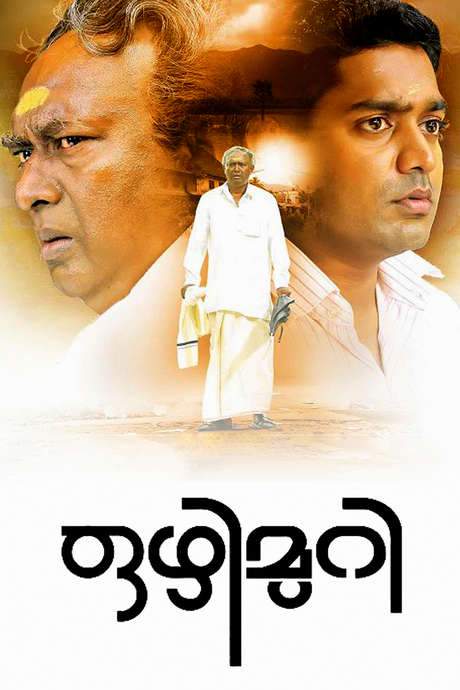
Ozhimuri (2012) movie poster

Characters & Themes

Ozhimuri (2012) Characters, Setting & Themes Explained

Release, runtime and language
2012 · 127 mins · Malayalam
Directed by
Madhupal
Starring
Asif Ali, Kochu Preman, Lal, Bhavana, Jagadish, Ilavarasu

After thirty years of marriage, a woman in her fifties unexpectedly files for divorce from her seventy-one-year-old husband. Their son and a lawyer investigate the circumstances behind this surprising decision, attempting to uncover the reason for the couple's separation and the breakdown of their long-standing relationship.

On this page (7)
  1. 1 Where to watch
  2. 2 Characters explained (7)
  3. 3 Where & when it takes place
  4. 4 Themes & meaning (3)
  5. 5 Character & meaning questions
  6. 6 Movie threads
  7. 7 Every angle

Where to watch

Where to Watch Ozhimuri (2012)

Where can you watch Ozhimuri? Stream, rent or buy it in the US, including on Sun Nxt: current JustWatch availability with up-to-date prices.

Streaming availability powered by JustWatch

7 main characters · contains spoilers

Ozhimuri Characters Explained: Who Is Who

The main characters of Ozhimuri (2012), heroes and villains: what drives them, how they change over the course of the story and what each of them reveals about the film's bigger ideas.

  • Thanu Pillai

    played by Lal

    A patriarch defined by ego and fear of his own father’s fate; his harshness toward his mother and wife stems from a rigid, traditional mindset. The film traces his gradual recognition of past faults and his eventual openness to change, painting a nuanced portrait of a man torn between duty and growth.

    • 🧭 Patriarchy
    • 🏠 Family
    • 🩸 Trauma
  • Kali Pillai

    played by Shweta Menon

    A formidable matriarch who once wielded political influence within a matrilineal system. Her legacy looms over the family’s dynamics, and her death becomes a watershed that catalyzes new choices and confrontations. Her memory continues to shape how power, loyalty, and pride are navigated by the living.

    • 🎭 Matriarchy
    • 🗳️ Politics
    • 🧬 Family legacy
  • Meenakshi Pillai

    played by Mallika

    A 55-year-old woman who endured years of abuse and seeks independence by filing for divorce. Her bold stand becomes a turning point for the family, inspiring others to question subservience and reclaim agency over their lives and assets.

    • 💔 Abuse
    • 💪 Empowerment
    • 🏠 Domestic life
  • Sarath Chandran

    played by Asif Ali

    Thanu Pillai’s son, navigating filial duty while shaping his own evolving view of his father’s past. His developing relationship with Balamani adds emotional depth to the case, and he becomes a bridge between generations and perspectives.

    • 🧭 Generational conflict
    • 💞 Family
  • Balamani

    played by Bhavana

    A formidable defense lawyer who stands with Meenakshi, challenging patriarchal expectations. Her partnership with Sarath deepens as the case unfolds, presenting a forceful counterpoint to traditional gender roles.

    • 🎯 Advocacy
    • 🪖 Strength
    • ⚖️ Equality
  • Meenakshi's Advocate

    A defense lawyer who provides courtroom insights and moral counterpoint during the proceedings. His role highlights the legal dimension of the struggle and the social complexities surrounding divorce.

    • ⚖️ Legal ethics
    • 🗣️ Dialogue
  • Vaidyan (Sivan Pillai's Father)

    played by Ilavarasu

    A wrestler whose penniless death followed Kali Pillai’s departure leaves a bitter memory that informs Thanu Pillai’s present attitudes. His life story underscores how pride, love, and loss travel through generations.

    • 🏋️‍♂️ Wrestling
    • 🕰️ Legacy
    • 💔 Loss

Last updated: October 03, 2025 at 06:35

Was this helpful?

Setting

Where and When Does Ozhimuri Take Place?

The setting of Ozhimuri (2012): the year and time period, the places and locations, and how they shape the characters, the mood and the tension of the story.

Time period

Mid-20th century Kerala (1950s–1960s)

The narrative sits at a time of social transition, when traditional patriarchal and matrilineal arrangements clash with emerging ideas of individual rights. Legal struggles and family memories span decades, illustrating how past norms continue to shape present actions. This period setting helps explain why divorce, property, and gender roles carry such weight.

Location

Kerala, India

The story unfolds within a Kerala household, rooted in local social norms and a history of matrilineal influence. The setting highlights the intimate spaces where family power dynamics play out, from the home to the courtroom. It reflects the cultural landscape of a community where tradition often governs personal choices.

  • 🎬 Regional
  • 🗺️ Kerala
  • 📚 Family saga

Last updated: October 03, 2025 at 06:35

Was this helpful?

3 major themes

Ozhimuri Meaning: Themes & Message Explained

What is Ozhimuri (2012) really about? The emotional, social and philosophical themes the film keeps returning to, its symbolism and the message beneath the surface.

  • Empowerment

    The film centers on Meenakshi and Kali Pillai as catalysts for change, challenging entrenched gender roles. Their choices push against a system designed to subordinate women, emphasizing self-determination and resilience. Through their actions, the narrative argues for autonomy within a family and society that prizes tradition over individual rights.

  • Memory and Tradition

    Past events and family memories shape present behavior, revealing how loyalties and grievances are passed down through generations. The characters confront the weight of history—especially the mother’s political legacy and the father’s legacy of abuse—that continues to influence decisions today. The film suggests that understanding history is essential to breaking free from cycles of domination.

  • Abuse and Liberation

    Abuse within the family is a central driver of the plot, fueling the demand for independence and justice. The characters’ responses to harm reveal varying degrees of courage, denial, and growth. The resolution hinges on choosing dignity over silence, with the courtroom and home acting as stages for personal liberation.

Last updated: October 03, 2025 at 06:35

Was this helpful?

Character & theme questions

Ozhimuri Characters & Meaning: Your Questions Answered

The questions people ask about Ozhimuri (2012): who the characters really are, their relationships, what the symbols mean, where it takes place and what the movie is really about. Each answer contains spoilers.

Q1

Where does the story take place?

The story unfolds within a traditional Kerala household in India. The setting centers on intimate family spaces where power dynamics play out, from the home to the courtroom. Kerala's unique cultural landscape, with its history of matrilineal influence, shapes the family dynamics and social norms depicted in the film.

  • kerala setting
  • indian family
  • household
Q2

When is the movie set?

The narrative is set in mid-20th century Kerala during the 1950s and 1960s. This was a period of significant social transition when traditional patriarchal and matrilineal arrangements clashed with emerging ideas of individual rights. The time period explains why divorce, property rights, and gender roles carry such weight in the story.

  • 1950s
  • 1960s
  • kerala history
  • social transition
Q3

Who is Meenakshi and why does she file for divorce?

Meenakshi Pillai is a 55-year-old woman who files for divorce from her husband after thirty years of marriage. She endured years of abuse within the family structure and seeks independence by taking legal action. Her bold stand becomes a turning point for the entire family, inspiring others to question subservience and reclaim agency over their lives and assets.

  • meenakshi
  • divorce
  • empowerment
  • abuse survivor
Q4

Who was Kali Pillai and what was her significance?

Kali Pillai was a formidable matriarch who once wielded significant political influence within Kerala's matrilineal system. Despite her death before the film's events, her legacy looms large over the family's dynamics. Her memory continues to shape how power, loyalty, and pride are navigated by the living, and her death becomes a catalyst that catalyzes new choices and confrontations.

  • kali pillai
  • matriarch
  • legacy
  • political influence
Q5

Who is Thanu Pillai and what does he represent?

Thanu Pillai is the patriarch of the family, a man defined by ego and fear of repeating his own father's tragic fate. His harshness toward his mother and wife stems from a rigid, traditional mindset. The film traces his gradual recognition of past faults, painting a nuanced portrait of a man torn between duty and personal growth.

  • thanu pillai
  • patriarch
  • tradition
  • character arc
Q6

What does the movie say about empowerment?

The film centers on Meenakshi and Kali Pillai as catalysts for change, challenging entrenched gender roles in a patriarchal society. Their choices push against a system designed to subordinate women, emphasizing self-determination and resilience. Through their actions, the narrative argues for autonomy within a family and society that prizes tradition over individual rights.

  • empowerment
  • gender roles
  • autonomy
  • self-determination
Q7

How does memory and tradition shape the story?

Past events and family memories drive present behavior, revealing how loyalties and grievances are passed down through generations. The characters confront the weight of history, especially the mother's political legacy and the father's legacy of abuse, that continues to influence decisions. The film suggests that understanding history is essential to breaking free from cycles of domination.

  • memory
  • tradition
  • generational trauma
  • family history
Q8

How does the movie address abuse and liberation?

Abuse within the family serves as a central driver of the plot, fueling the demand for independence and justice. The characters' responses to harm reveal varying degrees of courage, denial, and growth. The resolution hinges on choosing dignity over silence, with the courtroom and home acting as stages for personal liberation.

  • abuse
  • liberation
  • dignity
  • court case
Q9

What role does Kerala's matrilineal tradition play in the film?

Kerala historically had a unique matrilineal system known as marumakkathayam, where lineage and property passed through the female line. The story highlights the tension between this tradition and patriarchal norms that still governed family life. This cultural context explains the complex power dynamics and why Meenakshi's divorce represents such a significant challenge to established order.

  • matrilineal
  • kerala tradition
  • property rights
  • family system
Q10

Who is Sarath Chandran and what is his role?

Sarath Chandran is Thanu Pillai's son who navigates filial duty while developing his own evolving view of his father's past. His developing relationship with defense lawyer Balamani adds emotional depth to the case. He serves as a bridge between generations and perspectives, helping to facilitate understanding between family members.

  • sarath chandran
  • son
  • lawyer
  • relationship
Q11

Who is Balamani and what is her significance?

Balamani is a formidable defense lawyer who stands with Meenakshi throughout her legal battle, challenging patriarchal expectations in both the courtroom and society. Her partnership with Sarath deepens as the case unfolds, presenting a forceful counterpoint to traditional gender roles and serving as an ally in the fight for Meenakshi's independence.

  • balamani
  • lawyer
  • defense
  • courtroom
Q12

Who was Vaidyan and what legacy did he leave?

Vaidyan was the father of Sivan Pillai and a wrestler whose penniless death followed Kali Pillai's departure from the family. This tragic event leaves a bitter memory that informs Thanu Pillai's present attitudes toward women and family loyalty. His life story underscores how pride, love, and loss travel through generations, contributing to the cycle of behavior the younger generation seeks to break.

  • vaidyan
  • wrestler
  • legacy
  • family history

Movie threads

More Movies Like Ozhimuri, by Mood & Story

Curated lists built around what makes Ozhimuri tick: the same mood, the same kind of story or the same emotional payoff. Each list explains why these movies belong together.

Movies about uncovering family secrets like Ozhimuri

Past traumas resurface as characters methodically uncover long-buried family histories. If you liked the slow, investigative unraveling of family history in Ozhimuri, you'll appreciate these movies. This list features dramas where characters delve into the past to understand long-held secrets, intergenerational trauma, and the complex truths that bind families together.

  • investigative
  • unraveling past
  • family drama
  • somber
  • contemplative
  • revelatory
  • Tone: melancholic, contemplative
  • Pacing: slow, deliberate
Why these movies?

The story pattern: These narratives typically involve a catalyst—like a legal proceeding, a death, or a sudden decision—that prompts an inquiry into the past. The story unfolds through memories, testimonies, and discovered evidence, gradually building a picture of a hidden truth that explains present-day conflict and emotional suffering.

Why they belong together: Movies are grouped here for their shared focus on a methodical, emotionally heavy investigation into a family's painful history. They share a melancholic tone, slow pacing that allows for contemplation, and a narrative structure that privileges the gradual revelation of truth over fast-paced action.

Movies about late-life emancipation like Ozhimuri

Stories of characters finding the strength to claim their independence after years of suffering. For viewers moved by the protagonist's difficult decision for freedom in Ozhimuri, this collection features similar stories of late-life self-determination. These films explore the heavy price of liberation from patriarchal structures, abusive marriages, or stifling traditions, culminating in a bittersweet but empowering new beginning.

  • emancipatory
  • bittersweet
  • resigned
  • oppressive
  • self-determination
  • somber
  • Tone: melancholic, bittersweet, emancipatory
  • Pacing: slow, character-driven
Why these movies?

The story pattern: The narrative arc follows a protagonist who has endured a repressive situation for decades. A catalyst forces a reckoning, leading to a decisive, often painful, act of separation. The journey is internal as much as external, focusing on the psychological shift from resignation to self-assertion, resulting in an ending that is hopeful yet scarred by loss.

Why they belong together: These films are connected by their central theme of belated emancipation and the specific emotional mix of heavy sadness for the past and cautious hope for the future. They share a slow, character-driven pace, a melancholic tone, and a focus on the immense emotional weight of claiming one's identity after a lifetime of suppression.

Every angle

Ozhimuri (2012) Explained: Plot, Timeline & Characters

Everything about Ozhimuri in one place: what happens in the plot summary, the timeline in chronological order, the characters and meaning and a spoiler-free summary. What's After the Movie adds the cast, box office and post-credit scenes.

Coming soon on iOS and Android

The Plot Explained Movie Summary App

Plot summaries, endings explained and timelines on your phone. Catch up on any movie in minutes, save your favorites and never miss a twist again.

Be the first to know when we launch. Your email stays private, always.

Learn more about the app