
Oy Vey! My Son Is Gay!
Year: 2009
Runtime: 90 mins
Language: English
Director: Evgeny Afineevsky
Love is Love! Nelson and Angelo, a gay couple, decide to come out to their parents. However, when they do so, their parents find it difficult to cope with the news.
Where to Watch Oy Vey! My Son Is Gay!?
Find where to stream, rent, or buy Oy Vey! My Son Is Gay! (2009) in the US with current JustWatch availability, up-to-date pricing, and platform listings for subscription, rental, and digital purchase options.






Streaming availability powered by 
Warning: spoilers below!
Haven’t seen Oy Vey! My Son Is Gay! yet? This summary contains major spoilers. Bookmark the page, watch the movie, and come back for the full breakdown. If you're ready, scroll on and relive the story!
Timeline & Setting – Oy Vey! My Son Is Gay! (2009)
Explore the full timeline and setting of Oy Vey! My Son Is Gay! (2009). Follow every major event in chronological order and see how the environment shapes the story, characters, and dramatic tension.
Last updated: February 17, 2026 at 17:23
Main Characters – Oy Vey! My Son Is Gay! (2009)
Meet the key characters of Oy Vey! My Son Is Gay! (2009), with detailed profiles, motivations, and roles in the plot. Understand their emotional journeys and what they reveal about the film’s deeper themes.
Last updated: February 17, 2026 at 17:23
Major Themes – Oy Vey! My Son Is Gay! (2009)
Explore the central themes of Oy Vey! My Son Is Gay! (2009), from psychological, social, and emotional dimensions to philosophical messages. Understand what the film is really saying beneath the surface.
Last updated: February 17, 2026 at 17:23
Oy Vey! My Son Is Gay! (2009) Character & Theme Questions Answered – Info FAQ
Browse frequently asked questions about Oy Vey! My Son Is Gay! (2009) focused on characters, relationships, themes, symbols, setting, and story context. This movie info FAQ gives spoiler-aware explanations for character arcs, world details, and thematic interpretation so readers can better understand what the film is really about.
Where is the story set?
The movie takes place in a contemporary urban neighborhood that blends Jewish and Italian American cultures. The story centers on two family households, the Hirsch family and the Ferraro family, living in close proximity within this culturally connected community. The setting emphasizes home life, family gatherings, and the everyday pressures of tradition.
The urban neighborhood setting creates the backdrop for the cultural tensions and warm family dynamics that drive the story.
When does the story take place?
The movie is set in contemporary modern times, reflecting present-day attitudes toward LGBTQ relationships within traditional families. This contemporary setting shapes the dialogue, social stakes, and the specific cultural pressures that Nelson and Angelo face when coming out to their parents.
What is the main theme of the movie?
The central theme is coming out, specifically Nelson's revelation of his relationship to his parents. The film explores the courage, honesty, and emotional risk involved in disclosing one's sexuality to family. A time-sensitive pact between Nelson and Angelo adds urgency to their decision, and the theme centers on the possibility of reconciliation between personal truth and family acceptance.
Nelson's struggle to tell his parents establishes the emotional tension that builds throughout the film.
What does the Cultural Clash theme explore?
The Cultural Clash theme examines the tension between two families from different backgrounds, the Jewish Hirsch family and the Italian Ferraro family. Both sets of parents must navigate differences in religion, heritage, and social expectations while dealing with concerns about reputation and appearances. The humor arises from affectionate ribbing, misunderstandings, and the pressure to maintain family traditions while embracing a modern relationship.
Who is Nelson Hirsch?
Nelson Hirsch is a 25-year-old real estate agent and the film's protagonist. He struggles to tell his overbearing Jewish parents that he is gay and in love with Angelo Ferraro. Nelson is depicted as warm, determined, and hopeful, someone trying to stay true to himself while protecting his family relationships. He makes a time-sensitive pact with Angelo to disclose their relationship, balancing his love for Angelo with the expectations of his traditional parents.
Nelson's internal conflict about coming out to his parents drives the central emotional narrative.
Who is Angelo Ferraro?
Angelo Ferraro is Nelson's romantic partner and an Italian American man navigating love across cultural lines. He is portrayed as supportive, patient, and determined to make their relationship work despite the scrutiny from both families. Angelo's calm and affectionate nature provides emotional stability, though he must contend with the biases and cultural expectations of both the Hirsch and Ferraro families as they try to define their future together.
Who are Nelson's parents?
Nelson's mother Shirley Hirsch is overbearing and opinionated, played by Lainie Kazan. She struggles with accepting Nelson's sexuality and the possibility of a non-Jewish partner, wanting what she believes is best for her family while navigating her own social expectations. Nelson's father Martin Hirsch, played by Saul Rubinek, is a traditional, macho figure who embodies conventional gender and sexual norms. He is torn between his love for his son and his preconceived notions, ultimately needing to confront his biases to find acceptance.
Shirley and Martin's initial reactions to Nelson's revelation create the central conflict of the story.
Who are Angelo's parents?
Angelo's father Carmine Ferraro is a strong traditional figure, played by Vincent Pastore, who is skeptical about the relationship and reflects generational and cultural expectations. His concerns mirror the traditional mindset that both families must overcome. Angelo's mother Teresa Ferraro, played by Shelly Burch, is supportive yet harbors her own biases, balancing concern with maternal affection as she navigates between tradition and acceptance.
What is the Misperception theme about?
The Misperception theme centers on mistaken identities and misunderstandings, particularly when Nelson's mother mistakenly believes neighbor Sybil Williams is Nelson's romantic partner instead of Angelo. This misreading becomes a catalyst for humor and conflict. The theme explores how preconceived notions and surface-level observations can distort reality, and how honest conversations and willingness to look beyond appearances lead toward resolution and family acceptance.
The mistaken identity with Sybil creates comedic misunderstandings that eventually lead to clearer communication.
What is the tone of the movie?
Despite the serious subject of coming out, the film has a predominantly light, romantic comedy tone. The story is filled with situational humor, such as the mother mistakenly believing her son is dating a Playboy model. The emotional weight is medium, dealing with familial rejection and cultural prejudice, but these tensions are consistently undercut by comedic misunderstandings. The overall feeling is one of hopeful progress rather than deep distress, with an expected happy resolution centered on love and acceptance.
What message does the movie convey about acceptance?
The movie delivers a message that love and honesty can bridge cultural and generational divides. It emphasizes that courage in being truthful about one's identity, combined with family members' willingness to confront their own biases, leads to reconciliation. The time-sensitive pact between Nelson and Angelo adds urgency to the theme that delaying acceptance only prolongs pain, for both the individual and their family. Ultimately, the film argues that acceptance is possible when tradition and personal happiness are allowed to coexist.

Explore Movie Threads
Discover curated groups of movies connected by mood, themes, and story style. Browse collections built around emotion, atmosphere, and narrative focus to easily find films that match what you feel like watching right now.
Family Clash Rom-Coms like Oy Vey! My Son Is Gay!
When love meets tradition, leading to awkward but heartwarming family chaos.Find more movies like Oy Vey! My Son Is Gay! that blend romance and family conflict. These comedies explore the humorous and heartfelt moments when new relationships are tested by cultural differences and stubborn but loving parents.
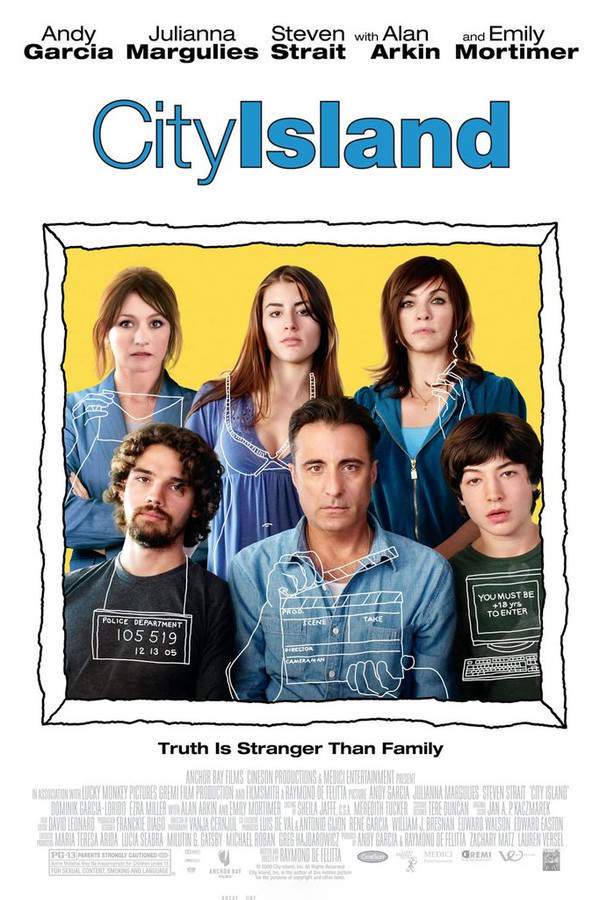
City Island
2010

The Valet
2022
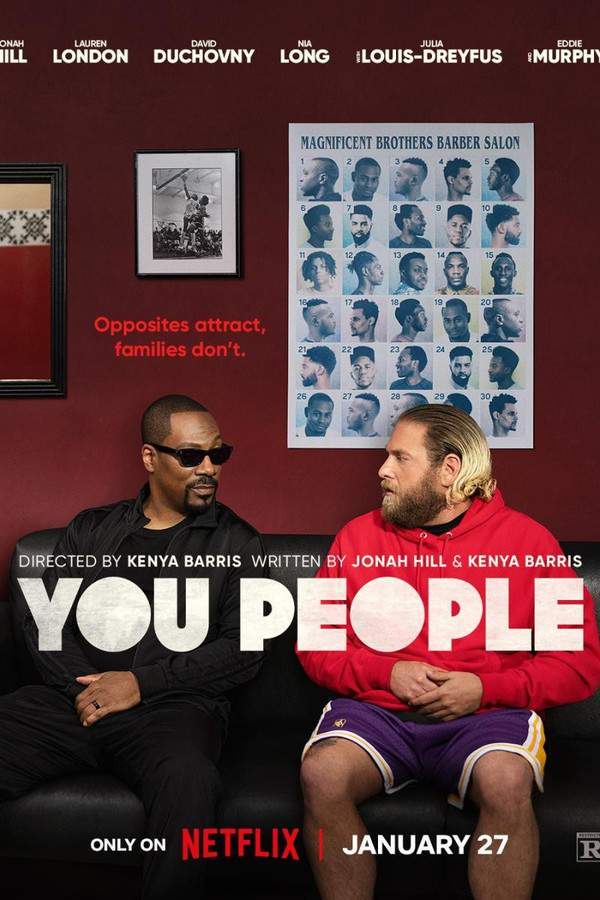
You People
2023
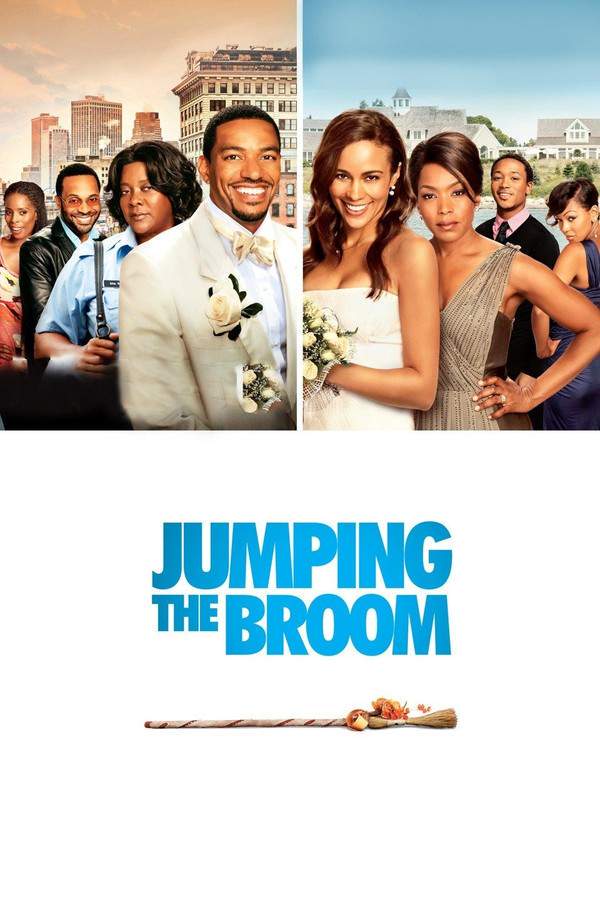
Jumping the Broom
2011
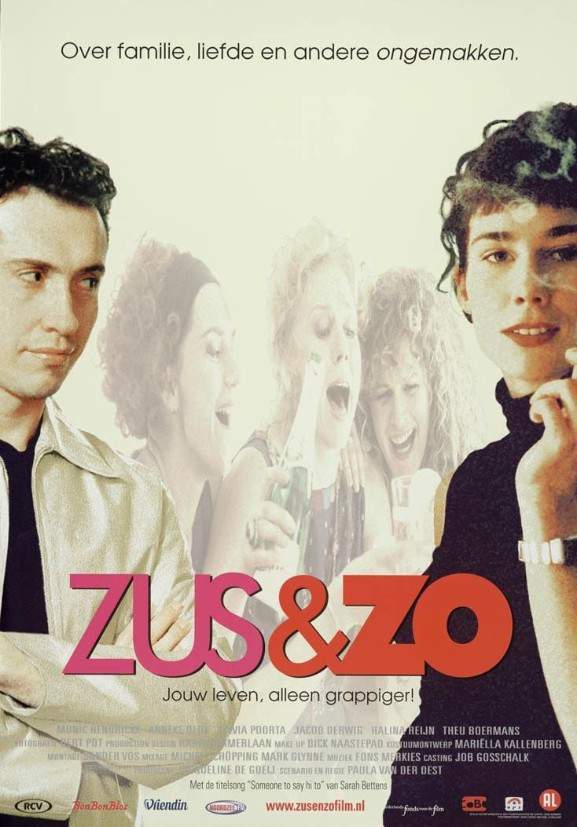
Zus & zo
2003
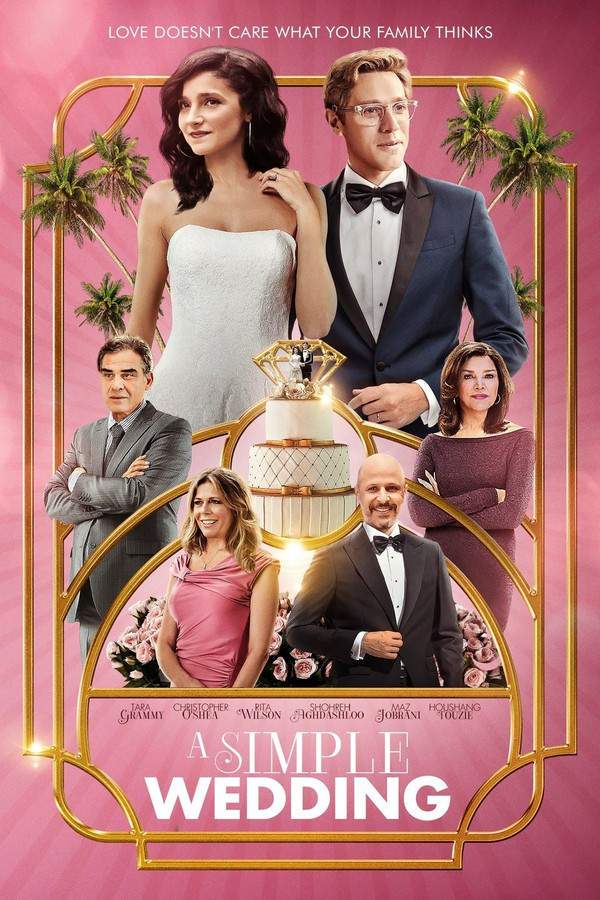
A Simple Wedding
2020

All Relative
2014

One Small Hitch
2013

Four Sisters and a Wedding
2013

Shaadi Ke Side Effects
2014

Wedding Daze
2006

Bro Daddy
2022

Love Today
2022

Miami Rhapsody
1995
Oy Vey! My Son Is Gay!
2009
Narrative Summary
The narrative follows a couple whose relationship is put to the test when they introduce their partner to their family. The central conflict arises from clashing values or cultural norms, driving the plot through a series of comedic misunderstandings and heartfelt confrontations that ultimately lead to acceptance and unity.
Why These Movies?
Movies in this thread are grouped by their shared focus on the intersection of romance and family dynamics. They balance comedic tension with a hopeful, affirming core, using humor to explore serious themes of acceptance without losing their light-hearted feel.
Hopeful Coming-of-Age Stories like Oy Vey! My Son Is Gay!
Personal journeys of identity met with initial resistance but ultimate acceptance.Discover movies similar to Oy Vey! My Son Is Gay! that explore journeys of self-discovery and acceptance. If you liked the film's hopeful message about being true to oneself despite obstacles, you'll find more inspiring stories here.

Always Be My Maybe
2019
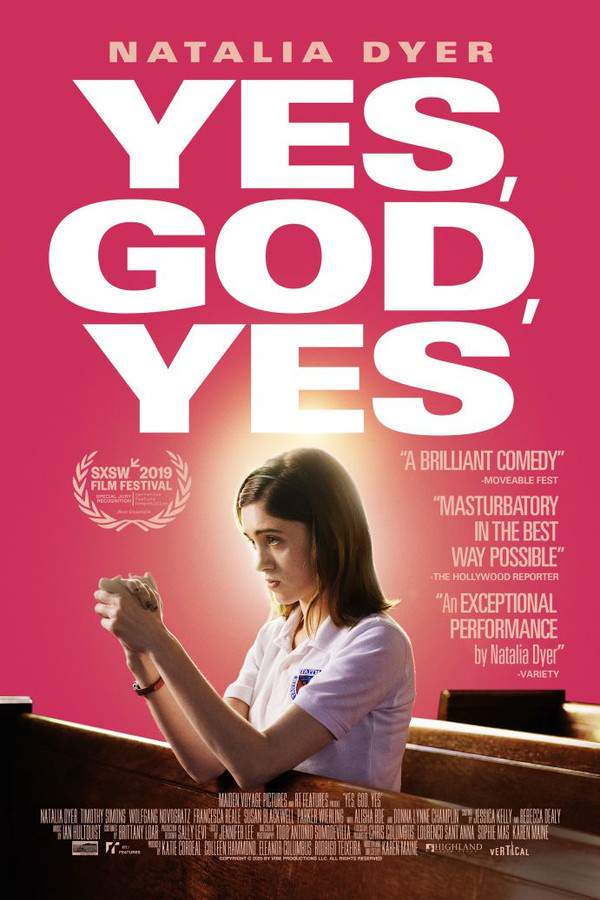
Yes, God, Yes
2020

Life Happens
2012
City Island
2010
The Valet
2022
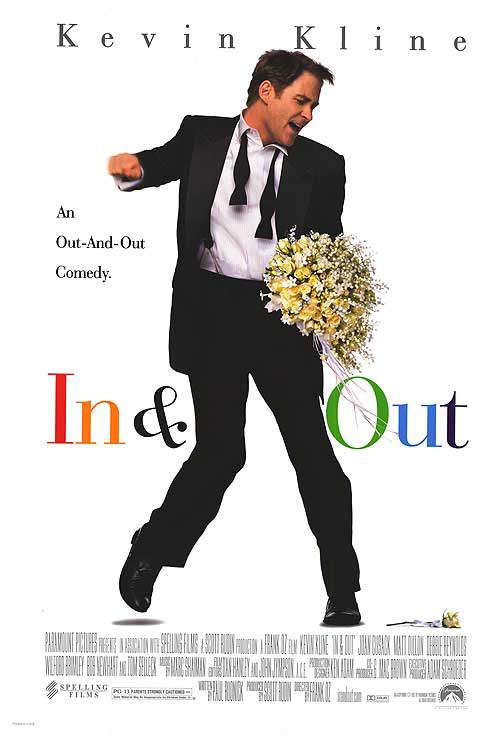
In & Out
1997
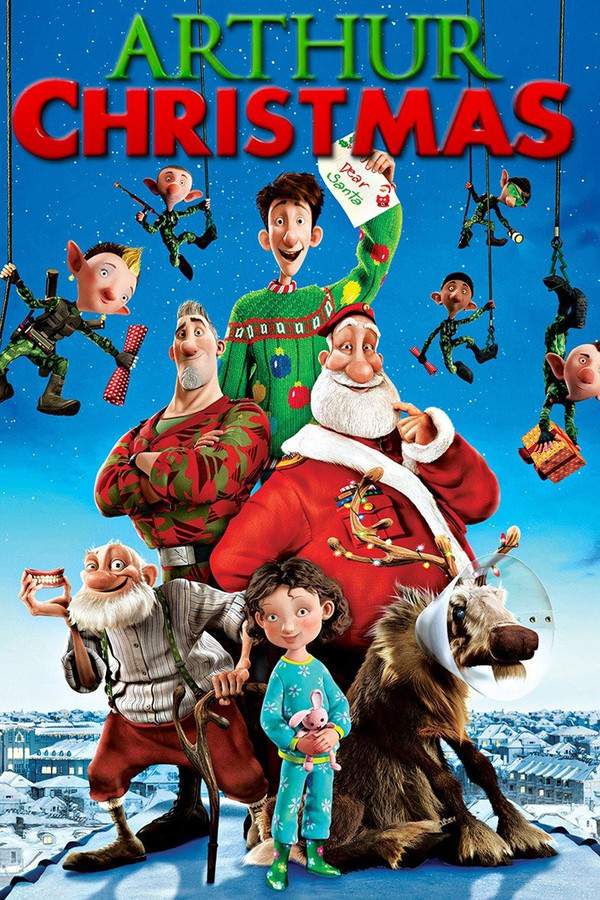
Arthur
2011
Jumping the Broom
2011

Weather Girl
2009
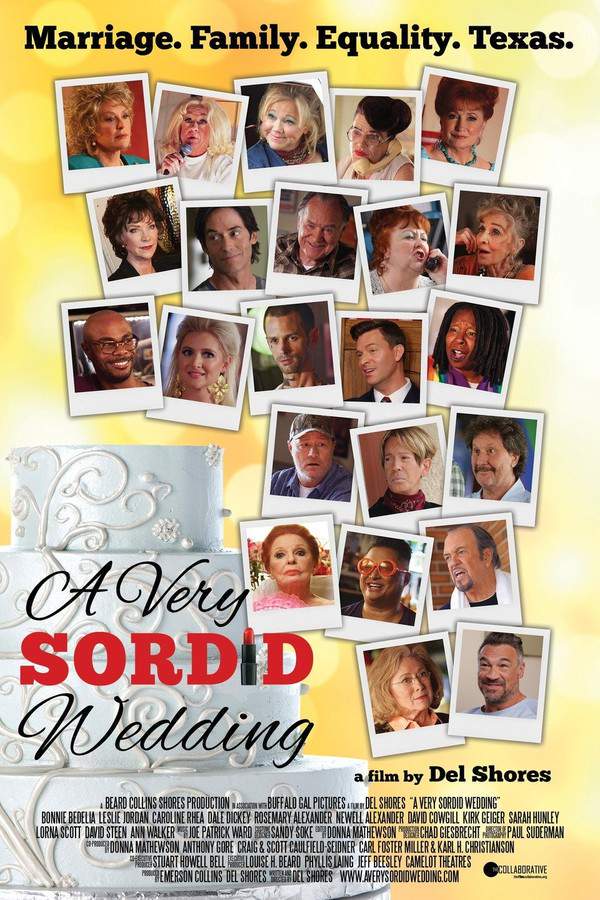
A Very Sordid Wedding
2017
A Simple Wedding
2020
One Small Hitch
2013
Four Sisters and a Wedding
2013
Bro Daddy
2022
Oy Vey! My Son Is Gay!
2009
Narrative Summary
The narrative revolves around a protagonist or protagonists navigating the process of revealing a core aspect of their identity. The story arc involves facing fear, potential rejection, and misunderstanding, but progresses steadily towards a resolution that affirms their truth and fosters deeper, more authentic connections.
Why These Movies?
This thread connects films that share a specific emotional journey: the anxiety of coming out or self-discovery, balanced by a fundamentally optimistic and light tone. The focus is on positive transformation and the emotional reward of living authentically.
Unlock the Full Story of Oy Vey! My Son Is Gay!
Don't stop at just watching - explore Oy Vey! My Son Is Gay! in full detail. From the complete plot summary and scene-by-scene timeline to character breakdowns, thematic analysis, and a deep dive into the ending - every page helps you truly understand what Oy Vey! My Son Is Gay! is all about. Plus, discover what's next after the movie.
Oy Vey! My Son Is Gay! Summary
Read a complete plot summary of Oy Vey! My Son Is Gay!, including all key story points, character arcs, and turning points. This in-depth recap is ideal for understanding the narrative structure or reviewing what happened in the movie.

Oy Vey! My Son Is Gay! Timeline
Track the full timeline of Oy Vey! My Son Is Gay! with every major event arranged chronologically. Perfect for decoding non-linear storytelling, flashbacks, or parallel narratives with a clear scene-by-scene breakdown.


Similar Movies to Oy Vey! My Son Is Gay!
Discover movies like Oy Vey! My Son Is Gay! that share similar genres, themes, and storytelling elements. Whether you’re drawn to the atmosphere, character arcs, or plot structure, these curated recommendations will help you explore more films you’ll love.
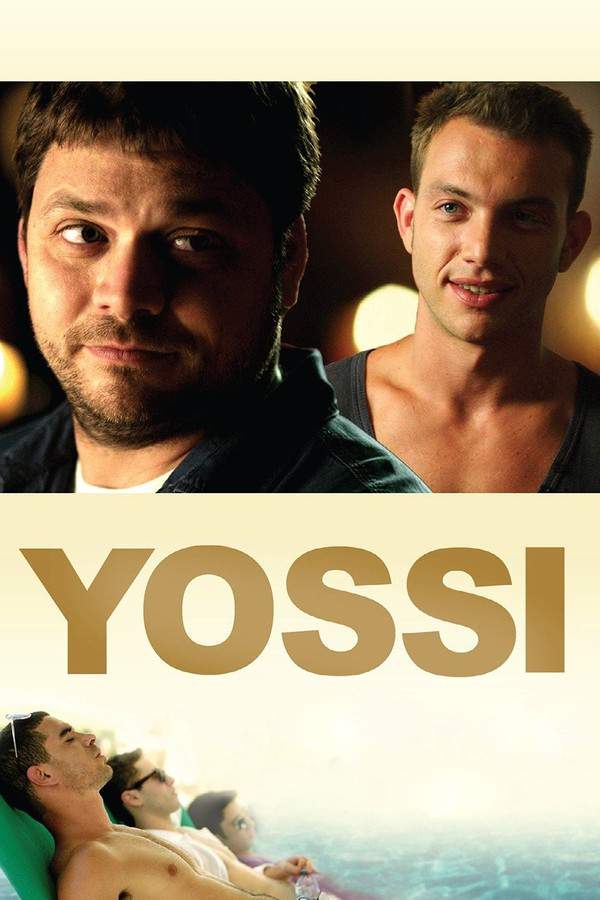
Yossi
2013
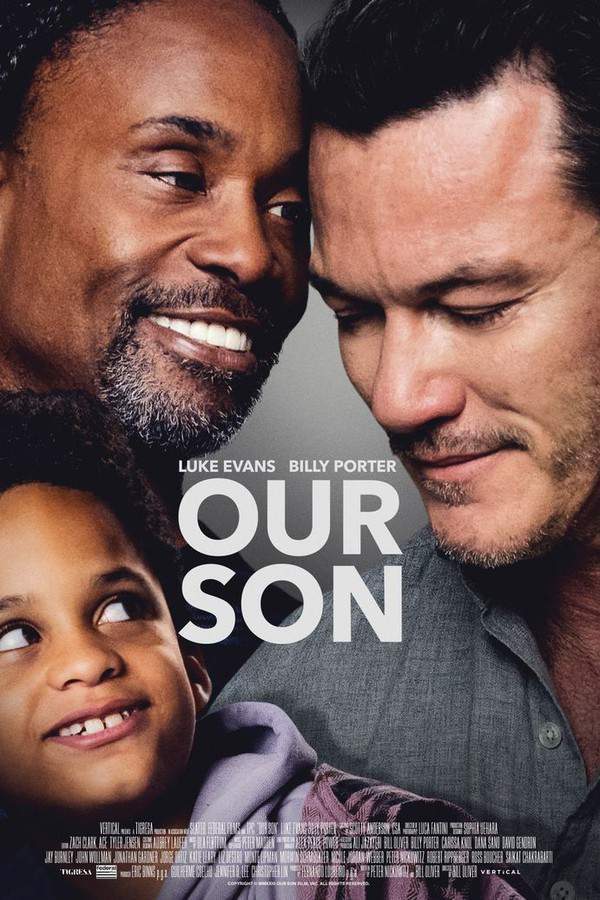
Our Son
2023

Family Commitments
2015

My Big Gay Italian Wedding
2018

You Should Meet My Son! 2
2018

Night of Love
2018

South of Heaven
2019

A Son
2003

My Fair Son
2007

Boychick
2001

My Father Is Coming
1991

The Love
2022

The Father, The Son and The Rav Kalmenson
2023

Cohen vs. Rosi
1998

Baby Love
2008
Explore More About Movie Oy Vey! My Son Is Gay!
Oy Vey! My Son Is Gay! (2009) Plot Summary & Movie Recap
Oy Vey! My Son Is Gay! (2009) Scene-by-Scene Movie Timeline
Oy Vey! My Son Is Gay! (2009) Spoiler-Free Summary & Key Flow
Movies Like Oy Vey! My Son Is Gay! – Similar Titles You’ll Enjoy
Yossi (2013) Detailed Story Recap
Our Son (2023) Plot Summary & Ending Explained
Family Commitments (2015) Full Summary & Key Details
My Big Gay Italian Wedding (2018) Full Movie Breakdown
You Should Meet My Son! 2 (2018) Full Summary & Key Details
Night of Love (2018) Detailed Story Recap
South of Heaven (2019) Full Summary & Key Details
A Son (2003) Film Overview & Timeline
My Fair Son (2007) Movie Recap & Themes
Boychick (2001) Ending Explained & Film Insights
My Father Is Coming (1991) Ending Explained & Film Insights
The Love (2022) Ending Explained & Film Insights
The Father, The Son and The Rav Kalmenson (2023) Full Movie Breakdown
Cohen vs. Rosi (1998) Film Overview & Timeline
Baby Love (2008) Ending Explained & Film Insights