










Plot Explained Spoilers guaranteed!
Plot Explained

Browse by genre

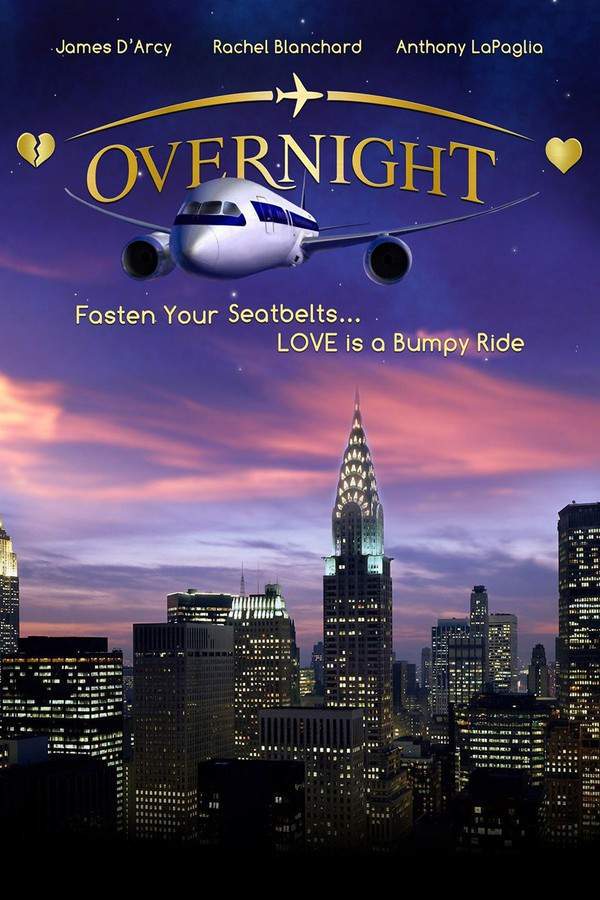
Overnight (2004) movie poster

Timeline

Overnight (2004) Timeline Explained – Every Event in Order

Release, runtime and language
2004 · 82 min · English
JustWatch #3,053 28
Directed by
Mark Brian Smith, Tony Montana
Starring
Troy Duffy

When unexpected weather delays a flight, two strangers, Rachel Blanchard and James D'Arcy, find themselves unexpectedly sharing a chaotic journey across continents. Forced to navigate turbulent relationships and uneasy alliances with a group of eccentric passengers and flight attendants, they experience a series of chance encounters that explore the complexities of love and human connection.

On this page (6)
  1. 1 Where to watch
  2. 2 Events in order (12)
  3. 3 Timeline questions answered
  4. 4 Movie threads
  5. 5 Movies like Overnight
  6. 6 Every angle

Where to watch

Where to Watch Overnight (2004)

Where can you watch Overnight? Stream, rent or buy it in the US, including on fuboTV, Hoopla and Pluto TV: current JustWatch availability with up-to-date prices.

Streaming availability powered by JustWatch

12 events in order · contains spoilers

Overnight Timeline: Events in Chronological Order

Every key event of Overnight (2004) in order, scene by scene, with when and where it takes place. Use it to untangle flashbacks, time jumps and parallel storylines, to refresh your memory before the sequel or to find the exact scene you are thinking of.

  1. Miramax buys the script and secures initial multi-faceted deals

    Troy Duffy sells his The Boondock Saints script to Harvey Weinstein for $300,000. He is immediately taken on by the William Morris Agency, and Weinstein agrees to let him direct the film with a $15 million budget. Miramax also commits to The Brood's soundtrack with Maverick Records and to buying J. Sloan's bar, which Weinstein asks Duffy to run.

    When
    1997
    Where
    Miramax offices, New York
  2. Friends enlisted to manage and document The Brood

    Duffy asks Tony Montana and Mark Brian Smith to manage The Brood and to document his activities on film. They prepare to showcase the band’s progress as the Hollywood deal unfolds. This marks the beginning of parallel music and film ventures.

    When
    1997
    Where
    Bar and production space, Los Angeles
  3. Early success and access to a production office

    Duffy begins to enjoy the trappings of success, entertaining celebrities at his bar and dining in hotels. He moves into a production office and starts teleconferences with major producers. The aura of momentum masks the growing tensions behind the scenes.

    When
    1997
    Where
    Los Angeles
  4. Hollywood arrogance spirals out of control

    Duffy is filmed insulting actors being considered for the film, including Ethan Hawke and Keanu Reeves, and repeatedly mispronounces Kenneth Branagh’s name before derisively calling him 'cunt.' He also disparages producers like Jerry Bruckheimer. This inflammatory behavior sours relationships and foreshadows the project’s slow progress.

    When
    1997-1998
    Where
    Hollywood
  5. Strained relationships and the film in turnaround

    As production stalls, Duffy threatens to abandon William Morris for a rival agency and alienates Weinstein and his own team. Rumors circulate that Weinstein has informally blacklisted him. Miramax ultimately puts the film in turnaround, and Duffy finds himself cut off from conference calls and with few industry contacts left.

    When
    1997-1998
    Where
    Hollywood
  6. Music ambitions collide with leadership style

    Famed guitarist Jeff 'Skunk' Baxter shows interest in producing The Brood, highlighting lead vocalist Taylor Duffy, and pressure builds as recording sessions begin. Duffy tries to take control and ignores Baxter’s guidance, including concerns about heavy alcohol consumption in the band. Maverick Records drops the group after ongoing clashes.

    When
    1997-1998
    Where
    LA recording studios
  7. Atlantic Records signs the band; debut falls flat

    After Maverick drops them, The Brood signs with Atlantic Records and rename themselves The Boondock Saints. The debut CD sells only 690 copies, reflecting a disappointing commercial response. The band is dropped by Atlantic and eventually disbands.

    When
    1998
    Where
    Los Angeles
  8. Franchise Pictures finances the film with a smaller budget

    In 1998, Franchise Pictures finally provides financing for The Boondock Saints, though the budget is substantially smaller than Miramax’s initial offer. The reduced budget keeps production moving forward, but with limited financial flexibility. The project still struggles to attract major backers.

    When
    1998
    Where
    Hollywood
  9. Cannes promotion but no major U.S. distribution

    The film is promoted at the 1999 Cannes Film Festival, but not a single major American distributor picks it up. A limited five-city theatrical release follows, but box office returns are weak and distribution is halted after a short run. DVD and VHS release later revive interest.

    When
    1999
    Where
    Cannes; United States
  10. Palm Springs Film Festival screening incident

    On the night of the Palm Springs International Film Festival screening, a car jumps the curb and collides with Duffy and producer Chris Brinker; neither is seriously injured, and the driver remains unidentified. The incident becomes tabloid fodder but adds to the film’s troubled exhibition history. The event underscores the precarious path of the film’s release.

    Where
    Palm Springs
  11. Home video sleeper hit rekindles interest

    Despite weak theatrical performance, The Boondock Saints becomes a sleeper hit on home video, drawing audiences long after its limited release. The enduring popularity elevates the film’s reputation far beyond its initial theatrical reception. This later success contrasts sharply with the financial and professional setbacks Duffy faced earlier.

    When
    Late 1999–2000
    Where
    Home video market
  12. Contract limitations and personal financial collapse

    Duffy’s contract with Franchise Pictures bars profit from television, home media, and foreign sales, limiting his earnings from the film. He ultimately spends all the money earned from his film and record deals, leading to the closure of his bar. Within six years after production, he has not secured any work in Hollywood.

    When
    Late 1990s - Early 2000s
    Where
    Los Angeles

Last updated: November 22, 2025 at 15:58

Was this helpful?

Timeline questions answered

Overnight Timeline Explained: Your Questions Answered

When does it happen, and why in that order? The questions people ask about the chronology of Overnight (2004): time jumps, flashbacks, cause and effect between scenes and the correct order of events, each answered with spoilers.

Q1

Why did Miramax put The Boondock Saints in turnaround?

Miramax placed the film in turnaround after Duffy repeatedly alienated key industry contacts. He openly insulted actors being considered for roles, including Ethan Hawke and Keanu Reeves, and derisively mispronounced Kenneth Branagh's name before calling him a crude epithet. He also disparaged powerful producers like Jerry Bruckheimer and threatened to leave William Morris for a rival agency. These actions convinced Weinstein to cut off conference calls and effectively blackball Duffy in Hollywood.

Foreshadowing: Duffy's filmed insults during casting sessions foreshadowed the project's rapid decline.

  • turnaround
  • miramax
  • harvey weinstein
  • blacklisted
  • production problems
Q2

Why did Troy Duffy's Hollywood career collapse so quickly?

Duffy's career imploded due to his transformation from confident newcomer to openly abusive industry figure. After signing his deal, he became increasingly arrogant, publicly insulting actors, disparaging producers, and threatening to switch agencies when faced with delays. His inflammatory behavior, including recorded insults toward potential cast and producers, burned bridges with everyone who could have helped him, leading to his informal blacklisting in the industry.

Foreshadowing: The early days of success already showed signs of swagger that would spiral into destructive arrogance.

  • career collapse
  • arrogance
  • blacklisted
  • hollywood
  • failure
Q3

What happened to The Brood band?

The Brood signed with Maverick Records through the Miramax deal but recording sessions quickly deteriorated. Producer Jeff 'Skunk' Baxter tried to guide the band, but Duffy took control and ignored warnings about the band's heavy drinking. After Maverick dropped them, they signed with Atlantic Records and renamed themselves The Boondock Saints, but their debut CD sold only 690 copies. The label dropped them shortly after, ending their musical ambitions.

Foreshadowing: Duffy's controlling behavior in the studio mirrored his difficult nature on the film set.

  • the brood
  • band
  • atlantic records
  • maverick records
  • debut cd failure
Q4

How did The Boondock Saints become a cult hit despite failing theatrically?

The film had a limited five-city release in 1999 that performed poorly and was pulled after one week, with no major American distributor picking it up at Cannes. However, it found unexpected life on home video and DVD, becoming a sleeper hit long after its theatrical run. This paradoxical success, cult following on home video while being bound by a franchise deal that prevented him from profiting from those sales, defined the film's legacy.

Foreshadowing: The early home video interest hinted at the cult status the film would eventually achieve.

  • cult hit
  • home video
  • sleeper hit
  • limited release
  • dvd success
Q5

What was the car incident at the Palm Springs Film Festival?

On the night of the Palm Springs International Film Festival screening, a car unexpectedly jumped the curb and struck both Duffy and producer Chris Brinker. Both escaped with minor injuries, while the driver and vehicle fled without identification. The incident generated tabloid headlines but added to the film's troubled exhibition history.

  • palm springs
  • film festival
  • car accident
  • incident
Q6

Why couldn't Troy Duffy profit from The Boondock Saints' success?

Duffy's contract with Franchise Pictures contained restrictive clauses that barred him from receiving profits from television, home media, or foreign sales. While the film became a sleeper hit on DVD and developed a cult following, these revenue streams went exclusively to the financing company. Combined with the closure of his bar and the collapse of his music deals, Duffy eventually spent all his money and couldn't secure any Hollywood work for six years after production.

Foreshadowing: The financial strictures in the Franchise Pictures deal were established when the smaller budget financing came together.

  • contract
  • profits
  • franchise pictures
  • financial ruin
  • no earnings
Q7

How was The Boondock Saints financed after Miramax dropped it?

In 1998, Franchise Pictures stepped in to finance the film, though at a budget less than half of what Miramax had originally offered. This reduced budget allowed production to continue but came with the restrictive profit participation terms that would later prevent Duffy from benefiting financially from the film's success.

Foreshadowing: The shift to Franchise Pictures marked a major turning point in the film's troubled production history.

  • franchise pictures
  • financing
  • budget
  • production
Q8

Why was Troy Duffy blacklisted in Hollywood?

Duffy was effectively blacklisted due to his documented abusive behavior toward industry professionals. He was filmed openly insulting and disparaging actors, producers, and agents, including calling Kenneth Branagh a crude name, insulting Ethan Hawke and Keanu Reeves to their faces, and attacking producers like Jerry Bruckheimer. His threats to abandon William Morris for a rival agency and his deteriorating relationship with Weinstein created rumors of informal blacklisting status. After Miramax put the film in turnaround and cut off his contacts, he found himself with few allies in the industry.

Foreshadowing: His inflammatory behavior during casting sessions was captured on film and became evidence of his destructive approach.

  • blacklist
  • Hollywood
  • reputation
  • burned bridges
  • industry
Q9

Why did Jeff 'Skunk' Baxter stop working with The Brood?

Jeff 'Skunk' Baxter initially expressed strong interest in producing The Brood and praised lead vocalist Taylor Duffy, but recording sessions quickly became contentious. Duffy attempted to take control of the production, ignoring Baxter's professional guidance and dismissing concerns about the band's heavy drinking. These clashes led Maverick Records to drop the band, ending Baxter's involvement.

Foreshadowing: This conflict illustrated the same controlling behavior that would derail his film career.

  • jeff skunk baxter
  • producer
  • recording
  • conflict
  • maverick records
Q10

What happened to J. Sloan's bar that Miramax bought?

As part of the original deal, Miramax agreed to purchase the Los Angeles bar J. Sloan's where Duffy worked and appointed him to run it. The bar became a hub for celebrity hangouts during Duffy's brief period of success. However, after his financial collapse following the film's release and the restrictive Franchise Pictures contract, Duffy lost everything, and the bar eventually closed.

  • j sloans
  • bar
  • closure
  • miramax
  • financial loss
Q11

Why did The Boondock Saints fail to find a distributor at Cannes?

The film was promoted at the 1999 Cannes Film Festival, but no major American distributor purchased it. This failure stemmed from the film's troubled production history, Duffy's damaged reputation in Hollywood, and the lingering effects of his blacklisting. The lack of distribution led to a brief five-city theatrical release that performed poorly before being pulled after one week.

Foreshadowing: The Cannes failure was directly linked to Duffy's earlier behavior that had alienated industry decision-makers.

  • cannes
  • distribution
  • film festival
  • no distributor
  • theatrical release

Movie threads

More Movies Like Overnight, by Mood & Story

Curated lists built around what makes Overnight tick: the same mood, the same kind of story or the same emotional payoff. Each list explains why these movies belong together.

Documentaries about hubris and self-destruction like Overnight

Cringe-inducing chronicles of ambition undone by toxic ego and arrogance. If you found the brutal honesty of Overnight gripping, this selection features similar real-life stories of creative ambition and toxic ego. These films explore the dramatic rise and fall of individuals in various industries, offering a sobering look at the consequences of arrogance.

  • cautionary
  • uncomfortable
  • trainwreck
  • sobering
  • gripping
  • cringe
  • Tone: dark, uncomfortable, sobering
  • Pacing: fast, relentless
Why these movies?

The story pattern: The narrative follows a linear, fast-paced trajectory from initial success to inevitable collapse. The focus is on the protagonist's character flaws—primarily ego and hubris—as the direct cause of their undoing, creating a clear and often painful cause-and-effect story.

Why they belong together: These films are grouped by their shared focus on real-world ambition corrupted by personality defects. They create a specific mood of gripping discomfort and melancholic reflection, united by a dark tone, heavy emotional weight, and a bleak, cautionary conclusion.

Movies with gripping moral descent like Overnight

Intense, fast-paced stories of character collapse and devastating consequences. For viewers who appreciated the intense, fast-paced unraveling in Overnight, this list includes movies with similar arcs of self-destruction. These stories, spanning fiction and documentary, explore characters whose own actions lead to a heavy, bleak, and sobering conclusion.

  • gripping
  • oppressive
  • trainwreck
  • sobering
  • uncomfortable
  • bleak
  • Tone: dark, bleak, oppressive
  • Pacing: fast, relentless
Why these movies?

The story pattern: The narrative pattern is straightforward, charting a direct path from a point of potential to a state of ruin. The journey is defined by poor choices rooted in character flaws, creating a sense of inevitability and making the viewing experience both gripping and emotionally draining.

Why they belong together: These movies share a powerful combination of high intensity, dark tone, and fast pacing that creates a specific, gripping vibe. They are united by a focus on the psychological mechanics of failure and the heavy emotional impact of witnessing a total collapse.

If you liked this

Movies Like Overnight

Similar movies to Overnight: the same genre, themes or kind of story. Each one comes with its own plot summary, timeline and ending explained.

Browse all movie summaries

Every angle

Overnight (2004) Explained: Plot, Timeline & Characters

Everything about Overnight in one place: what happens in the plot summary, the timeline in chronological order, the characters and meaning and a spoiler-free summary. What's After the Movie adds the cast, box office and post-credit scenes.

Coming soon on iOS and Android

The Plot Explained Movie Summary App

Plot summaries, endings explained and timelines on your phone. Catch up on any movie in minutes, save your favorites and never miss a twist again.

Be the first to know when we launch. Your email stays private, always.

Learn more about the app