
Our Miss Brooks
Year: 1956
Runtime: 85 mins
Language: English
Director: Al Lewis
In this film adaptation of the popular 1950s TV series, Connie Brooks (Virginia Arden) is a sharp‑tongued English teacher at Madison High who constantly flirts with students after class, delivering nonstop comedy. She remains determined to win the hand of the shy biology teacher Philip Boynton (Robert Rockwell), hoping their romance finally takes off.
Where to Watch Our Miss Brooks?
Find where to stream, rent, or buy Our Miss Brooks (1956) in the US with current JustWatch availability, up-to-date pricing, and platform listings for subscription, rental, and digital purchase options.







Warning: spoilers below!
Haven’t seen Our Miss Brooks yet? This summary contains major spoilers. Bookmark the page, watch the movie, and come back for the full breakdown. If you're ready, scroll on and relive the story!
Our Miss Brooks (1956) – Full Plot Summary & Ending Explained
Read the complete plot breakdown of Our Miss Brooks (1956), including all key story events, major twists, and the ending explained in detail. Discover what really happened, and what it all means.
Connie Brooks [Eve Arden] is an unmarried, sarcastic English literature and grammar teacher who arrives in a small Midwestern town to teach at the local high school. She quickly crosses paths with the handsome, athletic biology teacher Phillip Boynton [Robert Rockwell], and the two start dating. Yet Boynton remains wary of tying the knot, and years slip by in a pattern of close, platonic companionship that leaves Miss Brooks hopeful and, at times, frustrated.
When one of her students, Gary Nolan [Nick Adams], struggles in her class, his father, the wealthy local newspaper publisher Lawrence Nolan [Don Porter], publicly accuses Miss Brooks of lacking competence. Rather than defend herself, she persuades Mr. Nolan that he’s overworked and missing his son’s growth, convincing him to hire her to tutor Gary in English and to spend more time with him. As Gary makes real progress and grows more balanced, Nolan begins to court Miss Brooks, planting a new complication in the town’s love rectangle and sharpening Boynton’s insecurities.
Across town, principal Osgood Conklin [Gale Gordon] is under fire from Superintendent Stone [Joseph Kearns], who accuses him of running a tight, even tyrannical ship. Conklin decides to run for Stone’s job and enlists Miss Brooks to manage his campaign. In exchange, Miss Brooks nudges Nolan to throw his support behind Conklin in his newspaper, freeing Nolan to devote more time to wooing her. This chain of events fans Boynton’s jealousy, fueling Miss Brooks’s doubts about whether Boynton truly loves her, and she eventually ends the romance with Nolan.
Conklin appears to be edging toward victory, but he withdraws when he discovers how little the position pays. A misunderstanding then spirals into a comic misread: Miss Brooks overhears part of a telephone chat in which Boynton mentions buying a home and living there with “Mrs. Boynton.” She assumes the home is meant for her and Boynton, hinting at an engagement. The truth, though, is far gentler and more domestic: Boynton is purchasing the house for himself and his mother, whose loneliness has produced psychosomatic illnesses. The emotional tangle is resolved when Mrs. Boynton recognizes how this would affect her son’s relationship with Miss Brooks and decides to move in with Miss Brooks’s own eccentric landlady, Mrs. Margaret Davis [Jane Morgan].
In the end, the heart of the town’s comic drama lands where it began: Boynton proposes to Miss Brooks and presents her with an engagement ring, a moment of happiness that is playfully interrupted when a chimpanzee at the zoo nabs the ring right out of sight. The film closes on a note of light romance and renewed possibility, with the couple poised to start a new chapter together amid the town’s bustling, quirky life.
Last updated: October 07, 2025 at 08:57
Our Miss Brooks (1956) Plot Questions Answered – Summary FAQ
Explore frequently asked questions about Our Miss Brooks (1956) with spoiler-rich answers covering the full plot summary, major story beats, character motivations, hidden details, and ending meaning. This movie summary FAQ helps explain confusing scenes, plot twists, and narrative decisions in clear, searchable detail.
Why does Phillip Boynton keep postponing marriage to Connie?
Phillip Boynton is portrayed as shy and wary of commitment throughout the film. Despite years of dating Connie, he remains unwilling to tie the knot, leading to a pattern of close but platonic companionship that leaves Miss Brooks hopeful yet frustrated. His reluctance stems from his introverted nature rather than any lack of feelings for Connie.
Why does Connie break off her romance with Lawrence Nolan?
Connie ends her budding romance with Lawrence Nolan after seeing Boynton's jealousy over her involvement with Nolan. The jealousy convinces Connie that Boynton truly loves her after all, leading her to choose her long-standing relationship with Boynton over Nolan's advances. This decision shifts the romantic triangle and ultimately leads her to reaffirm her feelings for Boynton.
Earlier scenes show Boynton growing increasingly uncomfortable whenever Nolan pays attention to Connie.
What was the misunderstanding about the house Boynton was buying?
Connie overhears Boynton mention buying a home and living there with 'Mrs. Boynton.' She assumes this means he intends to marry her and that the home is for them as a couple. In reality, Boynton is purchasing the house for himself and his elderly mother, whose loneliness has been causing psychosomatic illnesses. He plans to care for her in the new home.
Why does Principal Conklin withdraw from the superintendent election?
Conklin withdraws from the race after discovering that the superintendent position pays far less than he expected. Despite appearing poised to defeat Superintendent Stone, the realization that the job offers lower compensation than his current role as principal causes him to abandon his campaign entirely.
What triggers Boynton's jealousy toward Lawrence Nolan?
Boynton's jealousy is triggered by Connie's increasing involvement with Lawrence Nolan, both through her tutoring work with Gary and the romantic attention Nolan shows her. As Nolan courts Connie more actively and supports Conklin's campaign in the newspaper, Boynton becomes insecure about losing Connie to the wealthy newspaper publisher.
Early scenes establish the romantic tension between Connie and Boynton, making his jealousy a natural progression.
Why does Mrs. Boynton decide to move in with Mrs. Davis?
Mrs. Boynton realizes that moving into the new home with her son would interfere with his potential relationship with Connie. To avoid being a barrier to their romance, she chooses to move in with Connie's eccentric landlady, Mrs. Margaret Davis, instead. This selfless decision frees Boynton to pursue a relationship with Connie without maternal interference.
How does Connie get Lawrence Nolan to support Conklin's campaign?
Connie persuades Lawrence Nolan to back Conklin in the superintendent race by convincing him that supporting the campaign would free up more of his time to romance her. In exchange for her campaign management work, Nolan agrees to have his newspaper endorse Conklin, giving the principal the media backing he needs.
Why does Lawrence Nolan hire Connie to tutor his son Gary?
After publicly accusing Connie of lacking competence when Gary struggled in her class, Nolan hires her as a tutor to spend more time with his son. Connie convinces him that he's overworked and missing Gary's growth, turning a potential conflict into a professional arrangement that benefits both Gary's academics and the father-daughter dynamic.
What happens to the engagement ring at the end of the film?
Boynton finally proposes to Connie and presents her with an engagement ring, but the moment is interrupted when a chimpanzee at the zoo steals the ring right out of sight. The playful twist adds comic relief to the happy ending, leaving the couple with a lighthearted conclusion despite the mishap.
Why does Principal Conklin decide to run for superintendent?
Conklin decides to run for superintendent after being criticized by Superintendent Stone, who accuses him of running a tight, tyrannical ship at the school. Rather than accept the criticism, Conklin launches a campaign to take Stone's job, seeing it as an opportunity to gain more authority and prove his leadership abilities.

Explore Movie Threads
Discover curated groups of movies connected by mood, themes, and story style. Browse collections built around emotion, atmosphere, and narrative focus to easily find films that match what you feel like watching right now.
Gentle Workplace Rom-Coms like Our Miss Brooks
Charming tales of romance and comedy blooming in familiar workplace settings.If you liked the charming, lighthearted dynamic of Our Miss Brooks, you'll enjoy these other movies where romance and comedy flourish in a workplace setting. These stories feature gentle misunderstandings, quirky colleagues, and a hopeful, optimistic atmosphere.

You’re My Boss
2015
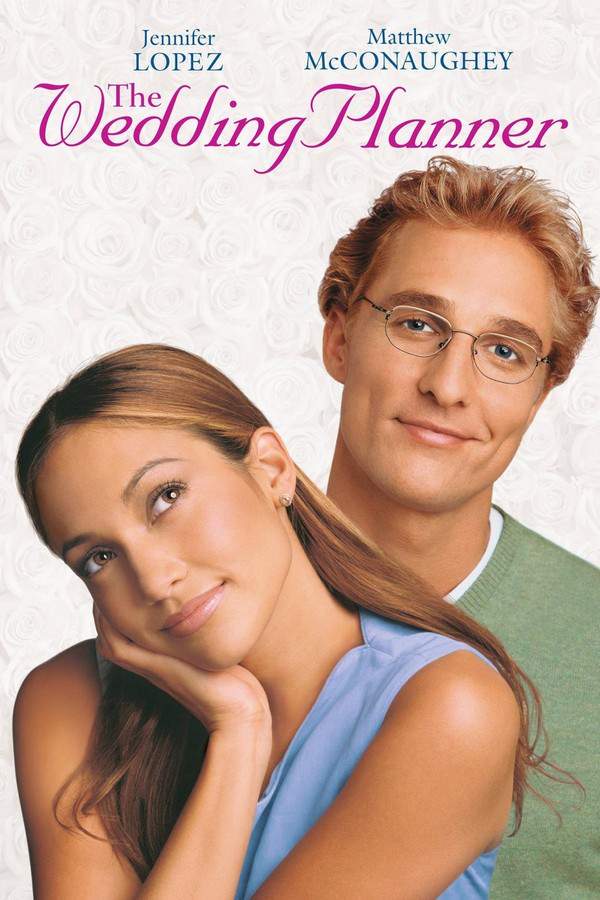
The Wedding Planner
2001

Desk Set
1957

More Than a Secretary
1936
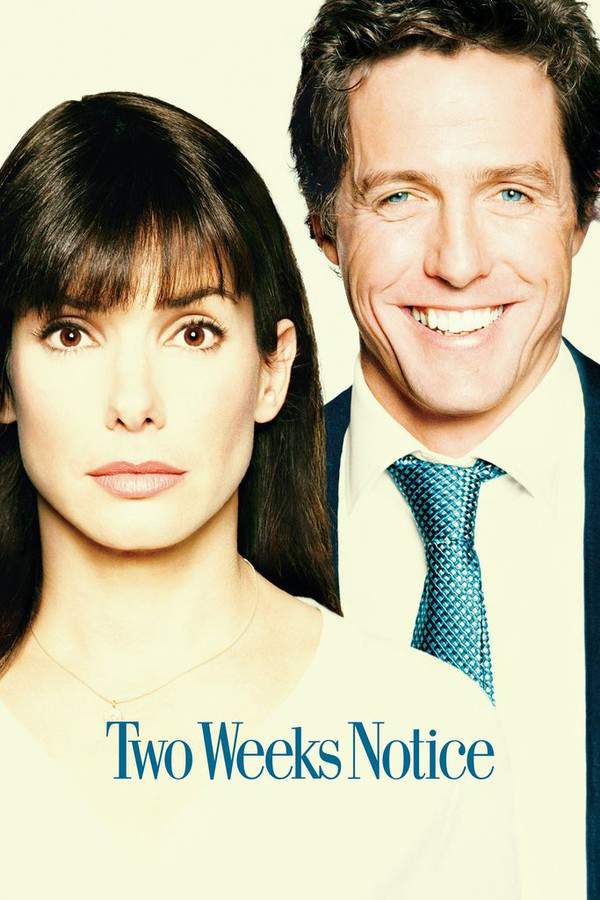
Two Weeks Notice
2002
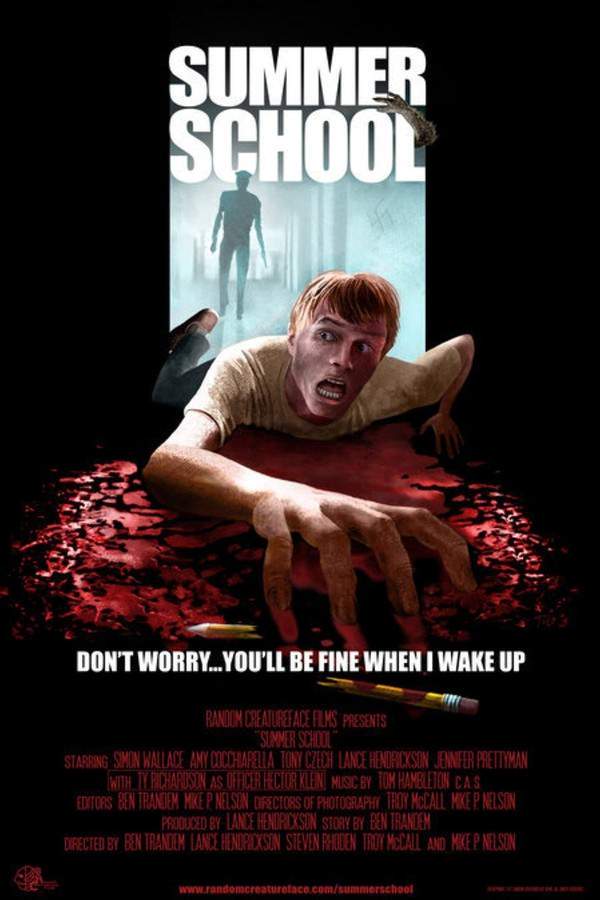
Summer School
1987

The Happiest Days of Your Life
1950

Can You Keep a Secret?
2008
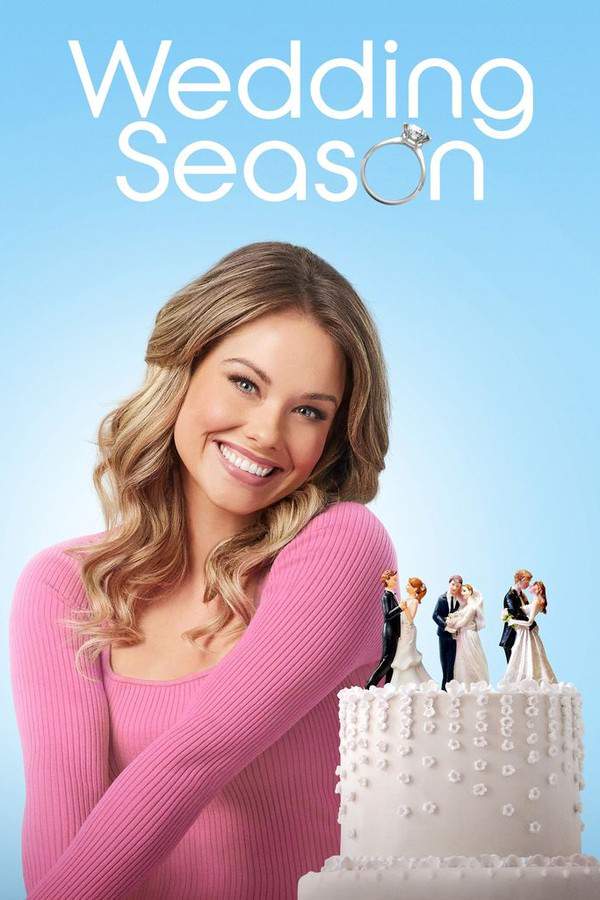
Wedding Season
2022
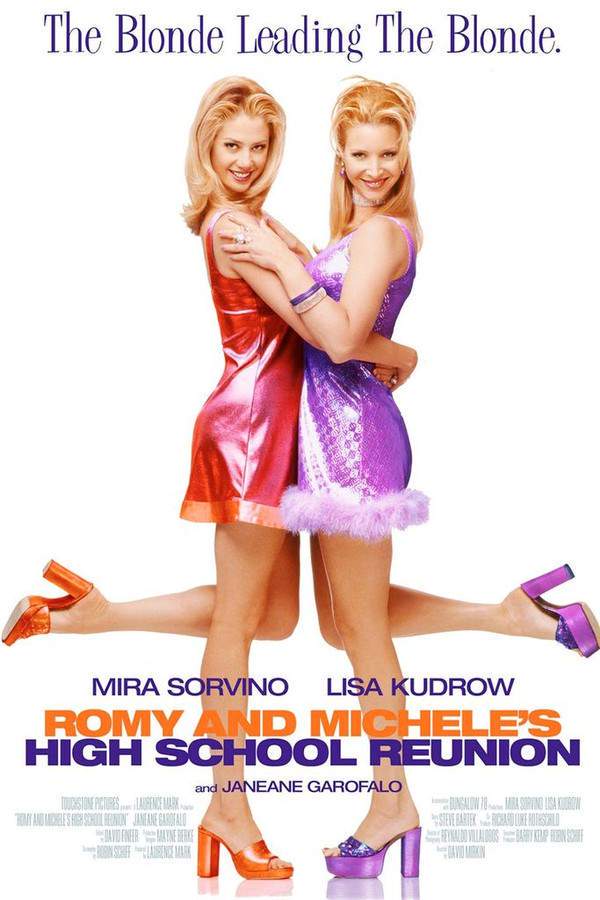
Romy and Michele's High School Reunion
1997
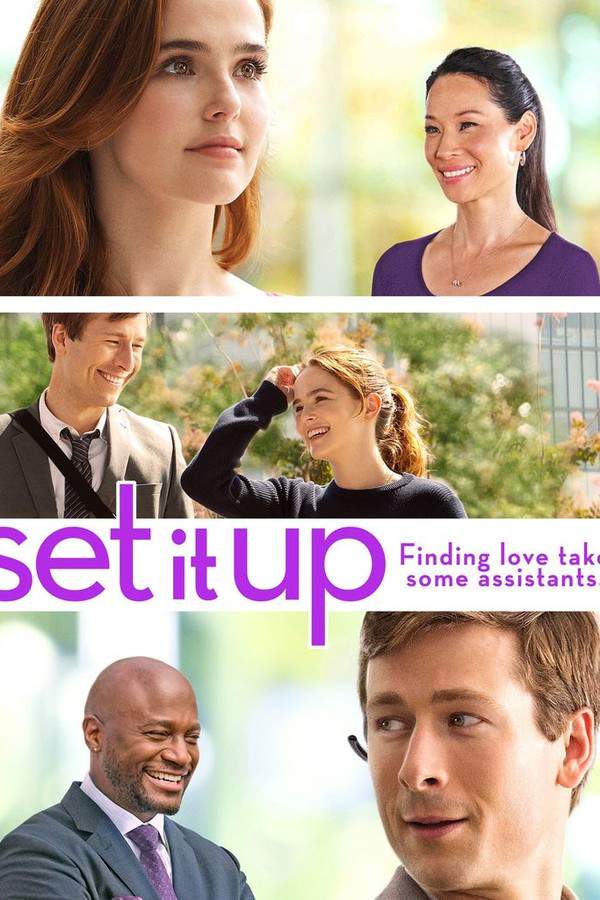
Set It Up
2018

Tenure
2009
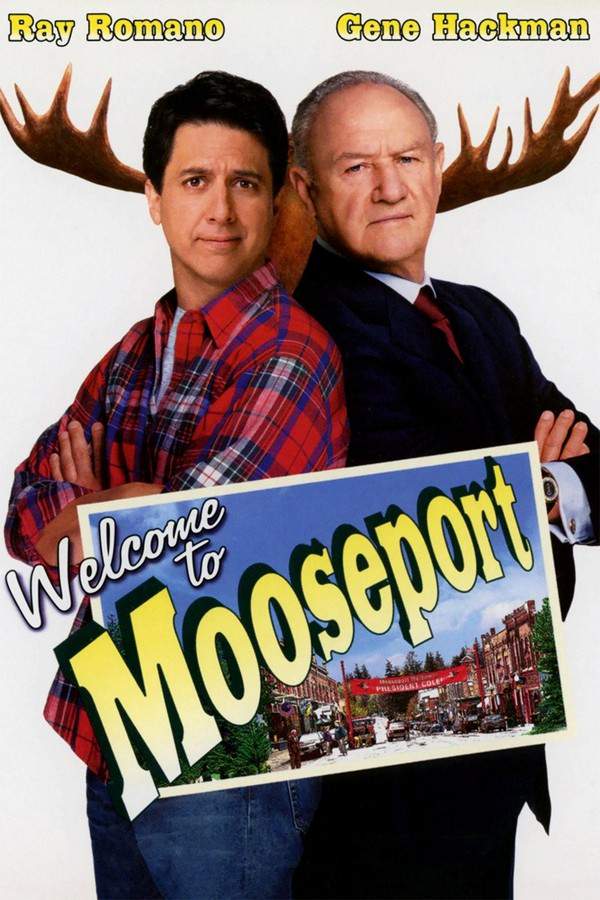
Welcome to Mooseport
2004

Love Laughs at Andy Hardy
1946
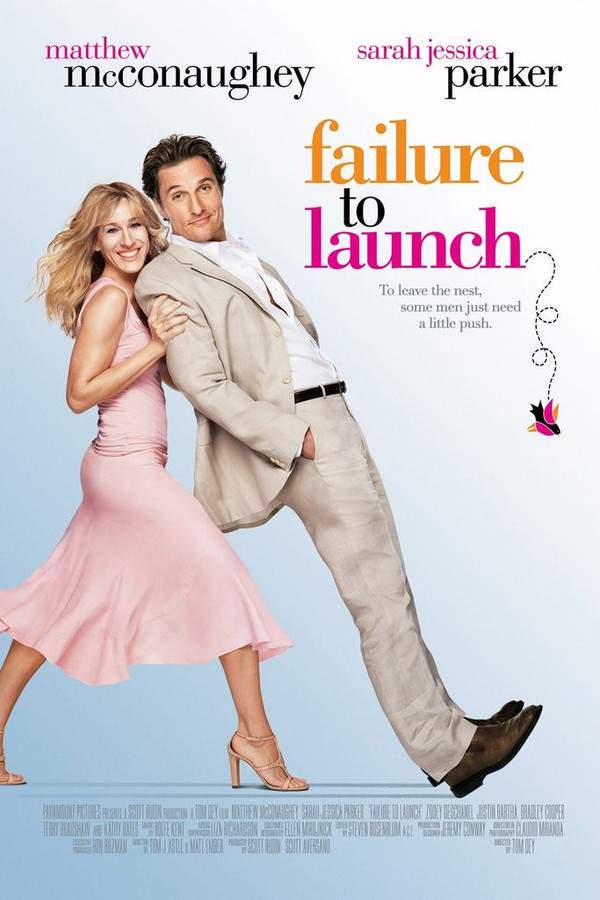
Failure to Launch
2006
Narrative Summary
Stories in this thread typically follow a central character's earnest, often comically fraught, pursuit of a love interest within their professional circle. The plot is driven by light conflicts, misunderstandings, and supportive (or meddling) coworkers, all leading to a satisfying and happy resolution.
Why These Movies?
Movies are grouped here for their shared focus on a LIGHT tone, LOW intensity, and a blend of romantic and comedic elements centered around a workplace. They offer a cozy, predictable, and cheerful viewing experience.
Quaint Nostalgic Comedies like Our Miss Brooks
Warm, witty stories from a bygone era, full of small-town charm and gentle humor.Fans of Our Miss Brooks will appreciate these other charming comedies that capture a nostalgic, small-town vibe. These movies, often adaptations from classic TV or radio, share a whimsical tone, steady pacing, and a focus on witty dialogue and gentle, character-based humor.

The Great American Pastime
1956

Quiet Weekend
1946

Return to Mayberry
1986

The Happy Time
1952
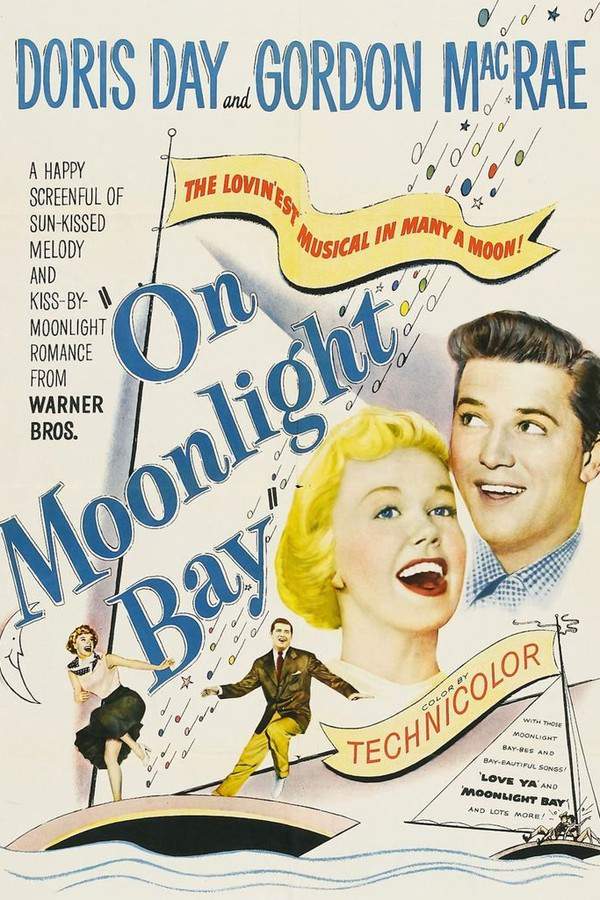
On Moonlight Bay
1951

Happy Days
2007

Ollie Hopnoodle’s Haven of Bliss
1988

The Courtship of Andy Hardy
1942
Love Laughs at Andy Hardy
1946

The Likely Lads
1976

Happy Days
2000

It Happens Every Thursday
1953

That Certain Feeling
1956

My Little Chickadee
1940

The Girl from Manhattan
1948
Narrative Summary
The narrative pattern revolves around a central, often strong-willed character navigating the quirky social dynamics of a close-knit community. The humor stems from witty repartee, gentle satire of social norms, and endearing character flaws, all presented with a warm, nostalgic glow.
Why These Movies?
These films are grouped by their distinct period feel, LIGHT and WHIMSICAL tone, and MODERATE complexity driven by character interactions. They share a specific, quaint aesthetic and a comforting, undemanding viewing experience.
Unlock the Full Story of Our Miss Brooks
Don't stop at just watching - explore Our Miss Brooks in full detail. From the complete plot summary and scene-by-scene timeline to character breakdowns, thematic analysis, and a deep dive into the ending - every page helps you truly understand what Our Miss Brooks is all about. Plus, discover what's next after the movie.
Our Miss Brooks Timeline
Track the full timeline of Our Miss Brooks with every major event arranged chronologically. Perfect for decoding non-linear storytelling, flashbacks, or parallel narratives with a clear scene-by-scene breakdown.

Characters, Settings & Themes in Our Miss Brooks
Discover the characters, locations, and core themes that shape Our Miss Brooks. Get insights into symbolic elements, setting significance, and deeper narrative meaning - ideal for thematic analysis and movie breakdowns.


Similar Movies to Our Miss Brooks
Discover movies like Our Miss Brooks that share similar genres, themes, and storytelling elements. Whether you’re drawn to the atmosphere, character arcs, or plot structure, these curated recommendations will help you explore more films you’ll love.

These Old Broads
2001

Student Affairs
1987

Crazy Moon
1987

Miss Polly
1941

Here Come the Co-Eds
1945

The Prime of Miss Jean Brodie
1969

Ed’s Coed
1929

A Woman of Distinction
1950

The Girl from Missouri
1934

Meet the Missus
1937

Mr. & Mrs. Smith
1941
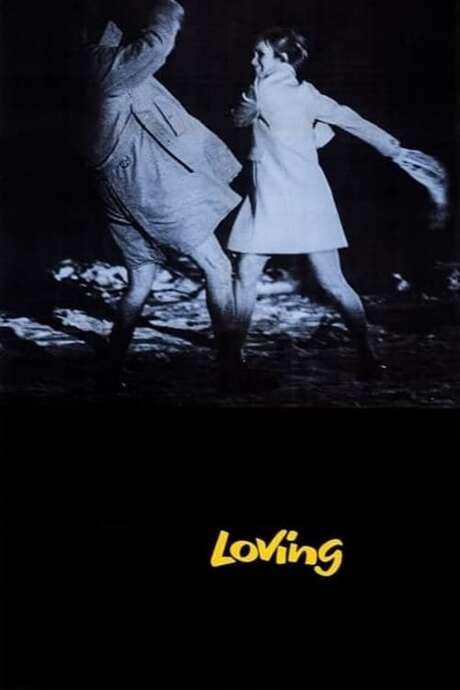
Loving
1970

Confidentially Connie
1953

Miss Chic
1959

She’s Working Her Way Through College
1952
Explore More About Movie Our Miss Brooks
Our Miss Brooks (1956) Scene-by-Scene Movie Timeline
Our Miss Brooks (1956) Movie Characters, Themes & Settings
Our Miss Brooks (1956) Spoiler-Free Summary & Key Flow
Movies Like Our Miss Brooks – Similar Titles You’ll Enjoy
These Old Broads (2001) Film Overview & Timeline
Student Affairs (1987) Ending Explained & Film Insights
Crazy Moon (1987) Story Summary & Characters
Miss Polly (1941) Full Movie Breakdown
Here Come the Co-Eds (1945) Movie Recap & Themes
The Prime of Miss Jean Brodie (1969) Film Overview & Timeline
Ed’s Coed (1929) Ending Explained & Film Insights
A Woman of Distinction (1950) Full Movie Breakdown
The Girl from Missouri (1934) Complete Plot Breakdown
Meet the Missus (1937) Plot Summary & Ending Explained
Mr. & Mrs. Smith (1941) Complete Plot Breakdown
Loving (1970) Ending Explained & Film Insights
Confidentially Connie (1953) Spoiler-Packed Plot Recap
Miss Chic (1959) Detailed Story Recap
She’s Working Her Way Through College (1952) Spoiler-Packed Plot Recap