Plot Explained Spoilers guaranteed!
Plot Explained

Browse by genre

Once Upon My Mother (2025) movie poster

Characters & Themes

Once Upon My Mother (2025) Characters, Setting & Themes Explained

Release, runtime and language
2025 · 102 mins · French
Directed by
Ken Scott
Starring
Lionel Dray, Jeanne Balibar, Jonathan Cohen, Leïla Bekhti, Anne Le Ny, Milo Machado Graner

In 1963, Esther welcomes Roland, the youngest in a large family, but he is born with a club foot that hinders his ability to stand. Defying the advice of others, she makes a heartfelt promise to her son: he will walk and live a fulfilling life. Determined to keep her word, Esther dedicates herself to his well-being, facing numerous challenges and celebrating miraculous moments throughout the years. It's a true and deeply moving story about an extraordinary destiny and the powerful, enduring love of a mother for her child.

On this page (7)
  1. 1 Characters explained (2)
  2. 2 Where & when it takes place
  3. 3 Themes & meaning (3)
  4. 4 Character & meaning questions
  5. 5 Movie threads
  6. 6 Movies like Once Upon My Mother
  7. 7 Every angle

2 main characters · contains spoilers

Once Upon My Mother Characters Explained: Who Is Who

The main characters of Once Upon My Mother (2025), heroes and villains: what drives them, how they change over the course of the story and what each of them reveals about the film's bigger ideas.

  • Esther Perez

    played by Leïla Bekhti

    Esther Perez, portrayed by Leïla Bekhti, is a determined Moroccan-Jewish immigrant who embodies strength and love. Her fierce commitment to her son's well-being drives her every action, resisting societal pressures and expectations. Esther's character showcases the complexities of motherhood and the unyielding desire to ensure a better future for her children.

    • 👩‍👦 Motherhood
    • 💪 Resilience
    • 🏆 Determination
  • Roland Perez

    Roland Perez, the son of Esther, begins his journey as a boy battling a physical disability. His character transitions from struggling with limitations to embracing life's possibilities through his mother's unwavering support. Ultimately, Roland grows to become an attorney, symbolizing hope and the power of perseverance.

    • 🚀 Overcoming Obstacles
    • 👦 Childhood
    • ⚖️ Advocacy

Last updated: September 09, 2026 at 04:41

Was this helpful?

Setting

Where and When Does Once Upon My Mother Take Place?

The setting of Once Upon My Mother (2025): the year and time period, the places and locations, and how they shape the characters, the mood and the tension of the story.

Time period

1963

The events of the film take place in 1963, a time when societal expectations and medical understandings of disabilities were quite different from today. Families often faced significant barriers, especially immigrants, as they navigated healthcare systems and social services. Esther's struggle highlights the changing norms in parenting and the pursuit of self-advocacy in that era.

Location

family apartment, Morocco, France

The story unfolds primarily in a modest family apartment where young Roland spends his formative years. The setting reflects the challenges and limitations faced by immigrant families, providing a backdrop for Esther's fierce dedication to her son's wellness. The cultural influences of Morocco and the aspirations tied to life in France play a significant role in shaping their journey.

  • 🏠 Home
  • 🌍 Morocco
  • 🇫🇷 France

Last updated: September 09, 2026 at 04:41

Was this helpful?

3 major themes

Once Upon My Mother Meaning: Themes & Message Explained

What is Once Upon My Mother (2025) really about? The emotional, social and philosophical themes the film keeps returning to, its symbolism and the message beneath the surface.

  • Resilience

    The theme of resilience is central to the story, as Esther demonstrates unwavering determination to support her son amidst overwhelming challenges. Her refusal to accept limits imposed by society reflects a deeper struggle against adversity. This resilience not only transforms Roland's life but also serves as an inspiration for those around them.

  • Motherhood

    Motherhood is portrayed as a powerful force in 'Once Upon My Mother'. Esther's love and dedication to her children drive her to defy conventions and fight for their future. The sacrifices she makes illustrate the lengths a mother will go to ensure her children have the opportunity to thrive.

  • Art as Healing

    The movie presents art, particularly music, as a form of healing and companionship. Sylvie Vartan's songs significantly contribute to Roland's learning and emotional comfort during his difficult periods. This theme underscores the importance of cultural and artistic influences in overcoming life's adversities.

Last updated: September 09, 2026 at 04:41

Was this helpful?

Character & theme questions

Once Upon My Mother Characters & Meaning: Your Questions Answered

The questions people ask about Once Upon My Mother (2025): who the characters really are, their relationships, what the symbols mean, where it takes place and what the movie is really about. Each answer contains spoilers.

Q1

Where does the story take place?

The story is primarily set in a modest family apartment in France, where young Roland spends his formative years. The household reflects the lived experience of a Moroccan-Jewish immigrant family building a life in a new country. Morocco also plays a significant cultural role, as Esther's heritage shapes the family's identity and traditions throughout the journey.

  • france
  • paris
  • moroccan family
  • immigrant apartment
  • family home
Q2

When is the story set?

The events unfold in 1963, a period when societal expectations and medical understanding of disabilities differed sharply from modern standards. Families, especially immigrants, faced major barriers in accessing healthcare and social services. This historical context frames much of the pressure Esther endures while fighting for her son.

  • 1963
  • 1960s
  • historical period
  • medical norms
  • social services
Q3

Who is Esther Perez?

Esther Perez is a determined Moroccan-Jewish immigrant mother whose fierce love for her son drives the entire story. She refuses to accept the limitations others place on Roland and challenges medical and social norms to give him a chance at a full life. Her character embodies the sacrifices and resolve that define motherhood in the film.

  • esther perez
  • leïla bekhti
  • moroccan-jewish mother
  • immigrant mother
  • protagonist
Q4

Who is Roland Perez?

Roland Perez is Esther's youngest son, born in 1963 with a club foot that initially prevents him from standing. Over the course of the film, he transforms from a child facing physical limitations into a man who ultimately becomes an attorney. His arc symbolizes hope, perseverance, and the life-changing impact of a mother's belief in him.

  • roland perez
  • club foot
  • attorney
  • perseverance
  • disability
Q5

What is the main message about motherhood?

The film portrays motherhood as a transformative force capable of defying conventions and reshaping a child's destiny. Esther's willingness to sacrifice her own comfort, ignore professional advice, and confront social prejudice illustrates how far a parent can go to secure her child's future. Her devotion becomes the engine that turns an impossible prognosis into a fulfilled life.

  • motherhood
  • sacrifice
  • mother's love
  • parental devotion
  • esther
Q6

Is this movie based on a true story?

Yes, the film is a biographical drama inspired by real events, chronicling a mother's decades-long effort to help her son overcome a disability. The story follows a clear chronological structure grounded in the lived experiences of Esther and her family. Its hopeful resolution, with Roland eventually becoming an attorney, reflects the real-life outcome of this extraordinary journey.

  • true story
  • biographical drama
  • real events
  • based on reality
Q7

What does the film say about resilience?

Resilience in the film is portrayed not as passive endurance but as active defiance against the limits society tries to impose. Esther's refusal to accept bleak medical advice and her willingness to fight social services and skeptics embody this spirit. The movie suggests that perseverance, when paired with love, can rewrite the trajectory of a life others had written off.

  • resilience
  • perseverance
  • defy limits
  • overcoming adversity
  • determination
Q8

Why does music play such an important role?

Music, especially the songs of Sylvie Vartan, serves as a source of healing, comfort, and motivation during Roland's most difficult periods. It provides emotional companionship when he is confined and helps shape his learning and growth. This artistic thread reflects the film's broader idea that culture and art can help people endure and overcome personal adversity.

  • sylvie vartan
  • music
  • art as healing
  • emotional comfort
  • cultural influence
Q9

What does the film suggest about disability in that era?

The film highlights how 1960s society often viewed physical disabilities through a lens of limitation and pity, with medical professionals frequently offering bleak prognoses. Esther pushes back against this narrative by insisting her son deserves the same opportunities as any other child. By contrasting institutional expectations with a mother's relentless belief, the film critiques the era's attitudes while celebrating the possibility of change.

  • disability
  • 1960s attitudes
  • medical prognosis
  • social stigma
  • club foot
Q10

How does Esther's Moroccan heritage influence the story?

Esther's Moroccan-Jewish background grounds her identity and gives her a strong cultural anchor as she navigates life as an immigrant in France. Her heritage influences the family's values, community ties, and the expectations she places on herself as a mother. This dual identity, between her roots and her adopted home, adds depth to the family's struggle and sense of belonging.

  • moroccan heritage
  • jewish identity
  • cultural roots
  • immigrant background
  • esther
Q11

What challenges did immigrant families face in 1960s France?

In 1960s France, immigrant families often encountered limited access to healthcare, social stigma, and bureaucratic barriers within public services. Language and cultural differences added further strain, particularly when dealing with institutions like schools and hospitals. Esther's story captures these pressures, showing how immigrant mothers had to fight twice as hard, both for their children and for recognition within an unfamiliar system.

  • immigrant families
  • 1960s france
  • social services
  • healthcare barriers
  • systemic challenges
Q12

Why is the movie labeled a comedy despite its serious themes?

Despite its heavy subject matter, the film uses warmth, humor, and the vibrant energy of a large immigrant family to balance the emotional weight. Moments of levity emerge naturally from family dynamics, cultural traditions, and everyday interactions rather than from the disability itself. This tonal blend reflects the reality that families enduring hardship often find joy and laughter alongside their struggles.

  • comedy genre
  • humor
  • family dynamics
  • tonal balance
  • immigrant family

Movie threads

More Movies Like Once Upon My Mother, by Mood & Story

Curated lists built around what makes Once Upon My Mother tick: the same mood, the same kind of story or the same emotional payoff. Each list explains why these movies belong together.

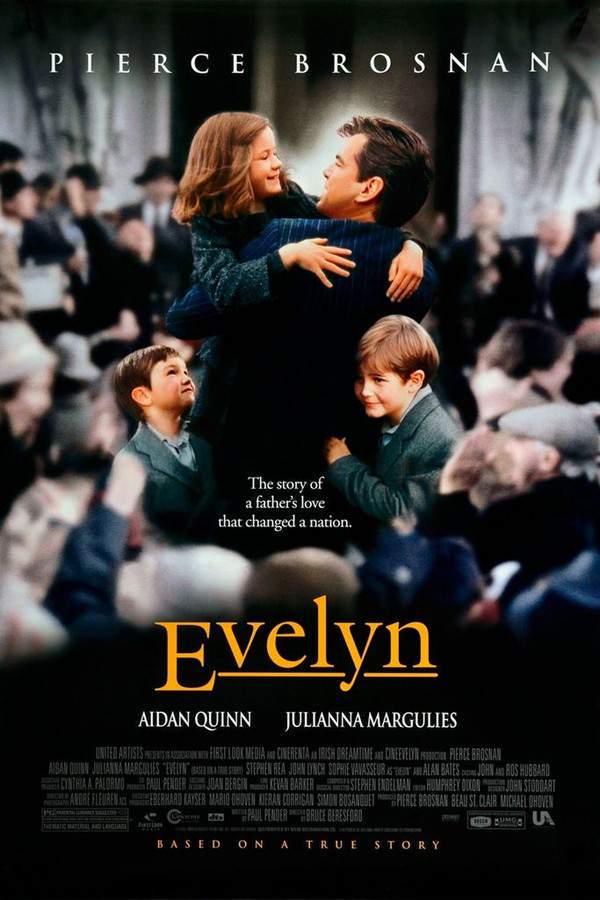
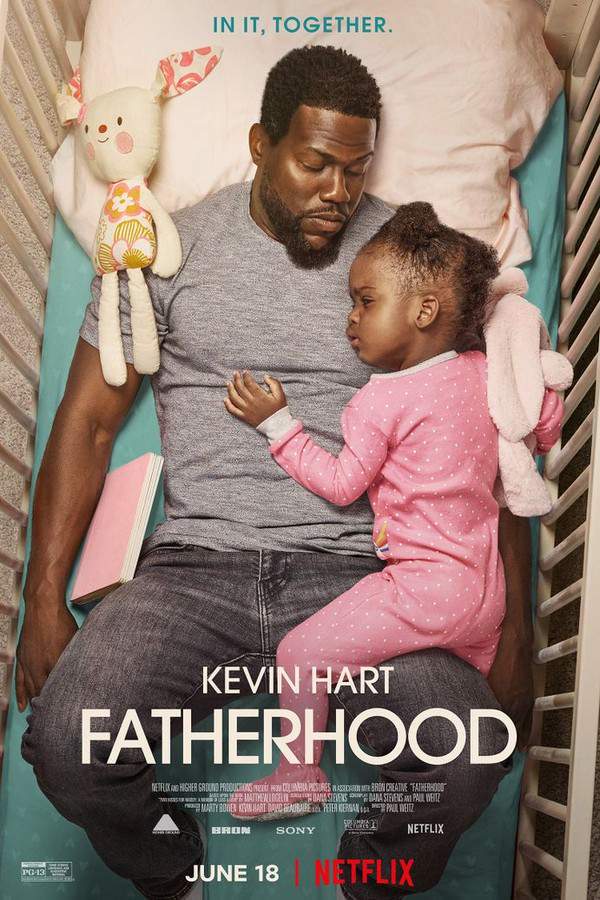
Parental devotion stories like Once Upon My Mother

Stories of parents who refuse to give up on their children, no matter what. Movies like Once Upon My Mother where a parent's fierce love drives the story. These emotional dramas and uplifting family stories center on mothers and fathers who fight against the odds for their children, offering tender and inspiring viewing experiences for fans of heartfelt cinema about the parent child bond.

  • heartwarming
  • parental love
  • emotional
  • determined
  • tender
  • inspiring
  • Tone: hopeful, tender, emotional
  • Pacing: steady, character driven
Why these movies?

The story pattern: These stories follow a parent who makes a quiet but unbreakable promise to their child, often in the face of medical or social adversity. The narrative typically spans years, balancing bleak external threats with moments of intimate family joy. Tension builds from outside forces such as institutions, illness, or prejudice rather than internal conflict, while the parent's love remains the steady emotional anchor. The arc usually resolves with the child achieving something meaningful, validating the parent's sacrifice.

Why they belong together: These films share a powerful emotional anchor: the bond between a devoted parent and a child facing hardship. They blend warmth and tension, use steady pacing to let the relationship breathe, and lean on hopeful endings that feel earned. Whether set in the 1960s or modern day, the throughline is unconditional love as the engine of survival and triumph.
Uplifting true story movies like Once Upon My Mother

Real lives, real obstacles, real triumphs across years of struggle and hope. If you liked Once Upon My Mother, you will love these biographical dramas and inspirational real life stories. Movies like this thread share a hopeful tone and triumphant arc, following determined people through years of struggle toward meaningful, uplifting endings that celebrate the resilience of the human spirit.

  • biographical
  • perseverance
  • true story
  • uplifting
  • nostalgic
  • family
  • Tone: hopeful, nostalgic, inspiring
  • Pacing: steady, chronological
Why these movies?

The story pattern: Stories in this thread follow a clear biographical arc across years, often decades, beginning with an early hardship or setback. The protagonist or family unit is met with skepticism, social stigma, or institutional pressure, but perseverance and family bonds carry them through. Moments of small joy and levity punctuate heavier stretches. The narrative resolves with the protagonist having overcome the original obstacle, reframing the struggle as the foundation of a fulfilled life.

Why they belong together: These films share the structure and emotional texture of true story triumph: a chronicled, straightforward narrative, steady pacing that lets time breathe, a hopeful tone that persists through adversity, and a happy or bittersweet-happy ending. They often tackle disability, class, immigration, or social exclusion, and they find lightness in family warmth without trivializing the stakes.

If you liked this

Movies Like Once Upon My Mother

Similar movies to Once Upon My Mother: the same genre, themes or kind of story. Each one comes with its own plot summary, timeline and ending explained.

Browse all movie summaries

Every angle

Once Upon My Mother (2025) Explained: Plot, Timeline & Characters

Everything about Once Upon My Mother in one place: what happens in the plot summary, the timeline in chronological order, the characters and meaning and a spoiler-free summary. What's After the Movie adds the cast, box office and post-credit scenes.

Coming soon on iOS and Android

The Plot Explained Movie Summary App

Plot summaries, endings explained and timelines on your phone. Catch up on any movie in minutes, save your favorites and never miss a twist again.

Be the first to know when we launch. Your email stays private, always.

Learn more about the app