






Plot Explained Spoilers guaranteed!
Plot Explained

Browse by genre

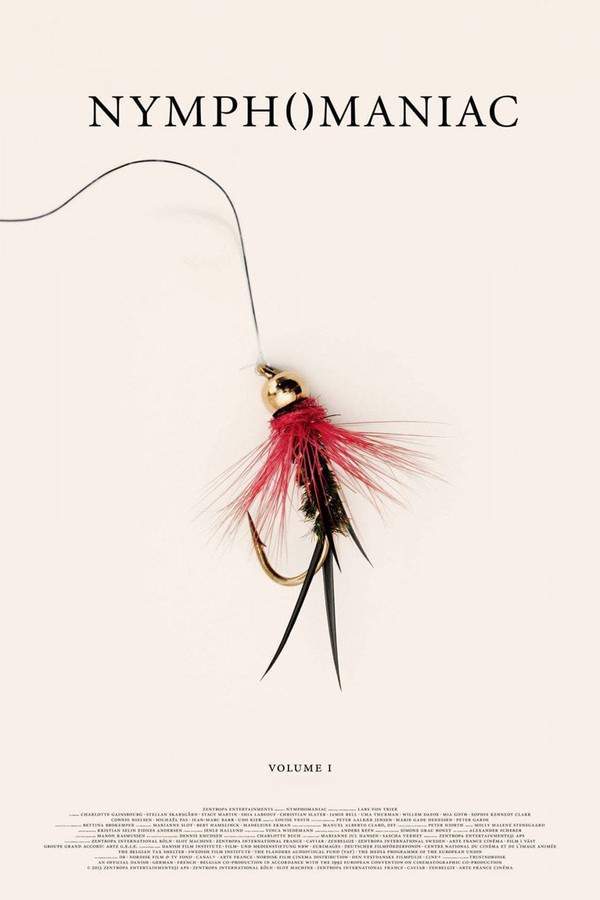
Nymphomaniac: Volume I (2014) movie poster

Timeline

Nymphomaniac: Volume I (2014) Timeline Explained – Every Event in Order

Release, runtime and language
2014 · 118 min · English
JustWatch #3,145 6
Directed by
Lars von Trier
Starring
Charlotte Gainsbourg, Shia LaBeouf, Stellan Skarsgård, Willem Dafoe, Mia Goth, Jamie Bell

A woman recovering from a brutal attack finds solace and connection with a thoughtful man named Seligman. As she heals, she begins to share the intimate and provocative stories of her youth. Seligman listens intently as she recounts her early experiences with sensuality, exploration, and the sometimes reckless pursuit of pleasure, revealing a complex journey of self-discovery.

On this page (6)
  1. 1 Where to watch
  2. 2 Events in order (13)
  3. 3 Timeline questions answered
  4. 4 Movie threads
  5. 5 Movies like Nymphomaniac: Volume I
  6. 6 Every angle

Where to watch

Where to Watch Nymphomaniac: Volume I (2014)

Where can you watch Nymphomaniac: Volume I? Stream, rent or buy it in the US, including on Philo, Hoopla and Kanopy: current JustWatch availability with up-to-date prices.

Streaming availability powered by JustWatch

13 events in order · contains spoilers

Nymphomaniac: Volume I Timeline: Events in Chronological Order

Every key event of Nymphomaniac: Volume I (2014) in order, scene by scene, with when and where it takes place. Use it to untangle flashbacks, time jumps and parallel storylines, to refresh your memory before the sequel or to find the exact scene you are thinking of.

  1. Distinct Sounds Emerge

    The film begins with a repetitive sound in darkness, which is soon revealed to be machinery affected by pouring rain. This unsettling auditory experience transitions the viewer into a different world, setting the tone for the events that unfold.

  2. Discovery of Joe

    Seligman, the main character, discovers an unconscious middle-aged woman named Joe on the pavement. She is bloodied and battered, highlighting the distressing situation as he attempts to assess her condition while debating whether to call for an ambulance.

  3. Tea and Conversation

    Instead of calling an ambulance, Joe insists on having a cup of tea with milk, revealing her reluctance to seek help. As they converse in Seligman's home, Joe deflects questions about her injuries, emphasizing her belief that she is a 'bad human being' who does not deserve sympathy.

    Where
    Seligman's home
  4. Joe's Childhood Memories

    Joe begins recounting her past, starting with her childhood experiences. She shares how she first discovered her sexual identity with her friend B, leading to explorations that were cut short by the intervention of B's mother.

  5. Contrasting Parental Relationships

    The narrative reveals Joe's complicated feelings toward her parents, particularly the warmth she felt towards her father, a doctor, in stark contrast to the coldness of her relationship with her mother. This dichotomy plays a significant role in shaping her needs and desires.

  6. Attempt to Lose Virginity

    At fifteen, Joe decides to lose her virginity to a boy named Jerôme. The experience is fraught with emotional turmoil, marked by feelings of vulnerability and humiliation, highlighting significant moments identified by the numbers 3 and 5.

  7. Train Trip Adventure

    In her teenage years, Joe and B embark on a train trip adventure where they bet on sexual conquests. This leads Joe to engage with numerous strangers, utilizing her charm and manipulation as tools to fulfill her desires.

    Where
    Train
  8. Complexity of Desire

    As Joe shares more stories with Seligman, she reflects on the complexity of her desires and her quest for connection. The listener draws parallels between her narratives and the intricacies of fly-fishing, weaving in themes of struggle and pursuit.

  9. Revisiting Jerôme

    In Chapter Two, Joe's story takes a turn as she confronts her tumultuous relationship with Jerôme, who is now her boss. Their interactions are charged with unresolved feelings, and Joe's conflicting desires become increasingly apparent.

  10. Exploration of Relationships

    As chapters unfold, Joe delves deeper into her sexual relationships and the emotional void she faces. Each encounter serves as a moment of reflection, exposing her struggles with intimacy and connection.

  11. The Pursuit of Connection

    Joe's journey illustrates a universal struggle: the relentless search for love and connection amid emotional chaos. She grapples with choices made in the pursuit of pleasure, revealing the complexity of human relationships.

  12. Profound Revelations

    Ultimately, Joe's story conveys the essence of living with conflicting desires and emotional turmoil. As she confronts her past and her identity, her narrative serves as a poignant exploration of pleasure and meaning.

  13. An Unraveling Journey

    The film encapsulates Joe's unraveling as she navigates a landscape where every relationship seems both liberating and entrapping. Her experiences reflect the complex dimensions of human intimacy and connection.

Last updated: November 07, 2024 at 23:27

Was this helpful?

Timeline questions answered

Nymphomaniac: Volume I Timeline Explained: Your Questions Answered

When does it happen, and why in that order? The questions people ask about the chronology of Nymphomaniac: Volume I (2014): time jumps, flashbacks, cause and effect between scenes and the correct order of events, each answered with spoilers.

Q1

Why does Joe refuse to call an ambulance and ask for tea instead?

Joe refuses the ambulance because she doesn't want to involve authorities or receive sympathy for her injuries. When Seligman finds her bloodied on the pavement, she threatens to leave if he calls for help. Her request for tea with milk is a way to delay the situation and maintain control. Joe explicitly states she doesn't deserve sympathy and considers herself a bad human being, suggesting she minimizes her own suffering and prefers minimal intervention.

  • joe
  • seligman
  • ambulance
  • tea
  • injuries
  • refusal
Q2

Why does Joe say she is a bad human being?

Joe's self-description as a bad human being reflects her deep-seated shame and self-loathing stemming from her lifelong sexual compulsion. Throughout her narrative, she frames her relentless pursuit of pleasure as morally flawed and damaging to herself and others. This self-critical stance establishes the tone of her confession to Seligman, presenting her story as an admission of failure rather than celebration.

  • joe
  • self-loathing
  • shame
  • morality
  • confession
Q3

What is the significance of the numbers 3 and 5 in Joe's virginity experience?

During her attempt to lose her virginity to Jerôme at age 15, Joe describes the experience using the symbolic numbers 3 and 5, which she states would hold lasting significance in her memory. The exact meaning isn't explicitly explained in Volume I, but these numbers represent the traumatic and humiliating nature of her first sexual encounter, which she recalls as painful and emotionally scarring rather than liberating.

  • joe
  • jerome
  • virginity
  • numbers
  • humiliation
  • trauma
Q4

Why does Joe discover her sexual identity at such a young age?

Joe's early sexual exploration with her friend B in childhood represents the foundational moment of her lifelong fixation on sexuality. The film presents this as an innate aspect of her identity rather than something externally influenced. This early awakening sets the trajectory for her subsequent behavior, establishing that her sexual compulsion began before any external factors could shape it.

  • joe
  • childhood
  • sexual identity
  • discovery
  • exploration
Q5

Why does Jerôme become Joe's boss in Chapter Two?

After their initial encounter as teenagers, Joe reconnects with Jerôme as an adult, where he now holds a professional position above her. This power dynamic intensifies the complexity of their relationship, mixing lingering romantic and sexual tension with professional hierarchy. Joe's conflicting feelings about him stem from both unresolved attraction and the humiliation she experienced during their first meeting.

  • joe
  • jerome
  • boss
  • relationship
  • power dynamic
Q6

Why does Joe love her father but have a cold relationship with her mother?

Joe describes feeling warm, loving feelings toward her father, a doctor, while experiencing coldness from her mother. This parental dichotomy significantly shapes her emotional development and quest for connection. The absence of maternal warmth may contribute to her emotional void, driving her to seek validation and intimacy through sexual encounters. The contrast highlights how her childhood emotional landscape influenced her adult behavior.

  • joe
  • father
  • mother
  • childhood
  • emotional void
  • parents
Q7

What is the fly-fishing analogy Seligman draws about Joe's life?

Seligman compares Joe's life to fly-fishing, using fishing terminology and techniques as metaphors for her sexual pursuits. He draws parallels between the patience, strategy, and pursuit involved in angling and Joe's approach to seeking pleasure and connection. This analogy frames her behavior within a philosophical context, suggesting her actions can be analyzed through intellectual frameworks rather than purely moral judgments.

  • seligman
  • fly-fishing
  • analogy
  • metaphor
  • philosophy
Q8

Why do Joe and B make a bet about sexual conquests on the train?

During their teenage train trip adventure, Joe and B wager on who can seduce the most men, treating sexual conquest as a game rather than intimate connection. This bet represents Joe's early objectification of sexual encounters as competitive achievements. B's strategic tips on manipulating men further emphasize the transactional and strategic nature Joe applies to her sexual pursuits from a young age.

  • joe
  • b
  • train
  • bet
  • sexual conquests
  • teenage
Q9

Why does Joe choose to tell Seligman her life story?

Joe chooses to recount her past to Seligman as a form of confession and self-examination. After he helps her following her attack, she uses the opportunity to reflect on her life's choices through verbal narration. The framed narrative structure positions Seligman as an audience and potential moral compass, though his analytical responses suggest he views her stories as intellectual exercises rather than emotional revelations.

  • joe
  • seligman
  • confession
  • storytelling
  • reflection
Q10

Why is Joe bloodied and battered when Seligman finds her?

Joe is found bloodied and battered on the pavement outside Seligman's home, though the explicit cause of her injuries isn't detailed in Volume I's summary. She emerges unconscious and clearly traumatized. Joe's reluctance to seek medical help and her self-described status as a bad human being suggest her injuries may be connected to her self-destructive lifestyle, though the specific circumstances remain ambiguous in this volume.

  • joe
  • injuries
  • attack
  • bloodied
  • seligman
Q11

What is the emotional void Joe keeps trying to fill?

Joe's constant pursuit of sexual encounters represents her attempt to fill an emotional void created by childhood deprivation of maternal love and her complex relationship with her father. Each sexual encounter provides temporary relief but ultimately leaves her feeling more empty. The film portrays her compulsion as a cycle of seeking connection yet being unable to achieve genuine intimacy, resulting in repeated self-destructive behavior.

  • joe
  • emotional void
  • intimacy
  • connection
  • addiction
  • emptiness
Q12

What is the repetitive sound at the beginning of the film?

The repetitive sound heard in darkness at the film's opening is machinery impacted by pouring rain. This unsettling auditory experience serves as a disorienting introduction before transitioning to the visual world. The sound establishes an ominous, melancholic tone that contrasts with the intimate confession that follows, preparing viewers for a dark and psychologically complex narrative.

  • opening
  • sound
  • rain
  • machinery
  • tone

Movie threads

More Movies Like Nymphomaniac: Volume I, by Mood & Story

Curated lists built around what makes Nymphomaniac: Volume I tick: the same mood, the same kind of story or the same emotional payoff. Each list explains why these movies belong together.

Movies with raw confessions of trauma like Nymphomaniac: Volume I

Unflinching stories where characters confront their painful pasts through intimate revelation. For viewers seeking movies like Nymphomaniac: Volume I, this list features intense dramas where characters reveal traumatic pasts. These similar stories share a heavy emotional weight, dark tone, and focus on psychological healing through painful honesty.

  • confessional
  • raw
  • vulnerable
  • unsettling
  • introspective
  • melancholic
  • Tone: dark, introspective, unsettling
  • Pacing: steady, reflective
Why these movies?

The story pattern: Stories in this thread are often structured around a protagonist recounting their life to a listener, using a framed narrative of past flashbacks. The central conflict is internal, revolving around memory, shame, and the struggle for self-understanding after profound psychological or physical harm.

Why they belong together: These movies are grouped by their shared commitment to depicting trauma with unflinching honesty. They create a similar viewing experience through their heavy emotional weight, introspective mood, and a narrative drive built on psychological revelation rather than external plot.

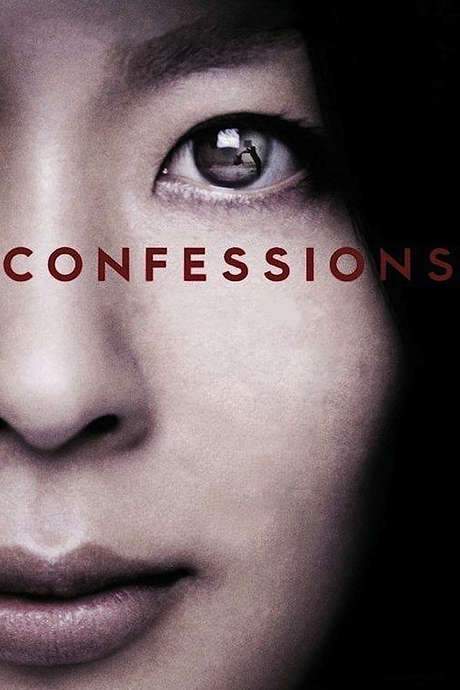
Bleak stories of compulsion and alienation like Nymphomaniac: Volume I

Character studies of self-destructive behavior and the search for meaning in alienation. If you liked the exploration of compulsive behavior in Nymphomaniac: Volume I, these movies offer similar bleak and intense character studies. Discover films about alienation, addiction, and the dark pursuit of pleasure, all sharing a raw and unsettling vibe.

  • unsettling
  • alienation
  • compulsive
  • self-destructive
  • bleak
  • psychologically tense
  • Tone: dark, bleak, clinical
  • Pacing: steady, methodical
Why these movies?

The story pattern: The narrative follows a character's escalating cycle of compulsive action, which isolates them from conventional society. The journey is typically downward, exploring the consequences of their actions and the existential crisis at the core of their behavior, often without a clear redemptive arc.

Why they belong together: These films are connected by their stark examination of human compulsion—be it addiction, obsession, or other self-destructive patterns. They share a dark, unsettling tone, high intensity, and a focus on the psychological rift between the individual and the world around them.

If you liked this

Movies Like Nymphomaniac: Volume I

Similar movies to Nymphomaniac: Volume I: the same genre, themes or kind of story. Each one comes with its own plot summary, timeline and ending explained.

Browse all movie summaries

Every angle

Nymphomaniac: Volume I (2014) Explained: Plot, Timeline & Characters

Everything about Nymphomaniac: Volume I in one place: what happens in the plot summary, the timeline in chronological order, the characters and meaning and a spoiler-free summary. What's After the Movie adds the cast, box office and post-credit scenes.

Coming soon on iOS and Android

The Plot Explained Movie Summary App

Plot summaries, endings explained and timelines on your phone. Catch up on any movie in minutes, save your favorites and never miss a twist again.

Be the first to know when we launch. Your email stays private, always.

Learn more about the app