

Plot Explained Spoilers guaranteed!
Plot Explained

Browse by genre

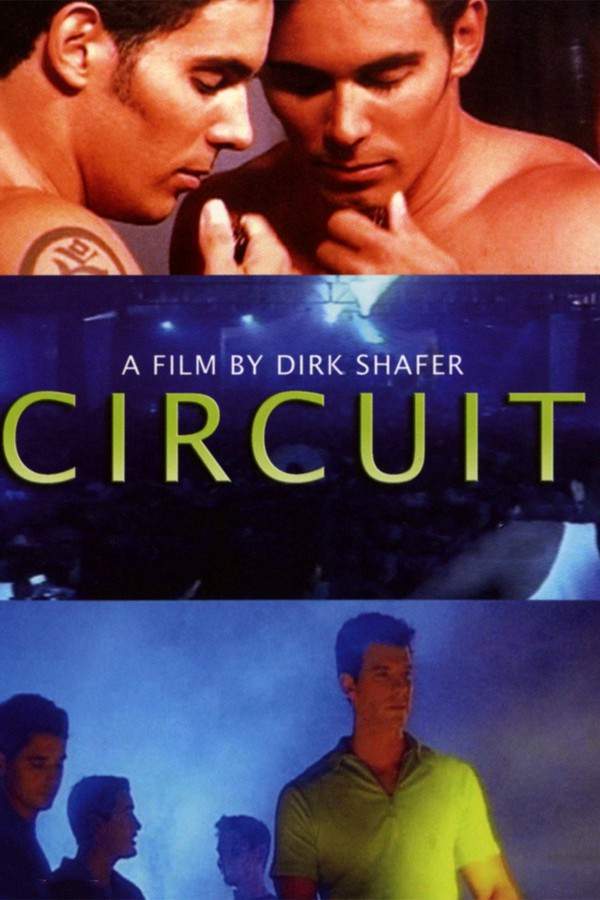
Circuit (2002) movie poster

Plot Summary

Circuit (2002) Plot Summary Explained

Release, runtime and language
2002 · 120 min · English
Directed by
Dirk Shafer
Starring
Andre Khabbazi, Jonathan Wade-Drahos

A former lawman, grappling with a crisis of identity, abandons his career and ventures into the alluring and dangerous world beneath the Hollywood facade. He becomes entangled with a captivating hustler and finds himself drawn into a cycle of amphetamine use. This descent into addiction forces him to confront his inner demons and embark on a turbulent journey of self-discovery, pushing him to his limits.

On this page (6)
  1. 1 Where to watch
  2. 2 What happens: full plot
  3. 3 Plot questions answered
  4. 4 Movie threads
  5. 5 Movies like Circuit
  6. 6 Every angle

Where to watch

Where to Watch Circuit (2002)

Where can you watch Circuit? Stream, rent or buy it in the US, including on Amazon Video: current JustWatch availability with up-to-date prices.

Streaming availability powered by JustWatch

Full plot summary · contains spoilers

What Happens in Circuit: Full Plot Summary

The whole story of Circuit (2002) explained, from the opening scene to the final frame: every key event, every twist and what it all adds up to. Read it as a quick recap before the sequel, to check a scene you missed, or to finally understand what really happened.

Dirk Shafer's "Circuit" delivers an intensely haunting and impactful narrative that dives into the darker aspects of gay life in America. The story follows Jonathan Webster, portrayed by Jonathan Wade-Drahos, a college-educated gay man who works as a police officer in a modest town in Illinois. Faced with the realization that his future is limited in this small community, he decides to relocate to the vibrant and sometimes overwhelming city of Los Angeles.

Once in Los Angeles, Jonathan's striking appearance—muscular, athletic, and undeniably attractive—quickly gains him social acceptance within the pulsating atmosphere of West Hollywood, a place where youth and beauty reign supreme. However, it is not long before he finds himself drawn into the glittering yet hollow realm of circuit parties, an environment characterized by its flashing lights and hedonistic allure. In this world, young, beautiful gay men often lose themselves in a haze of substance abuse, irresponsible sexual encounters, and a relentless beat of electronic techno-pop that can drown out any sense of reality.

As Jonathan becomes further entrenched in this lifestyle, his increasing dependence on drugs and alcohol begins to cloud his judgment, leading to the gradual deterioration of his personal relationships and friendships. The film bravely tackles many critical issues that often go unaddressed in the LGBTQ+ community: the cult-like worship of youth, the obsession with physical appearance which breeds body fascism and negative self-image, and the epidemic of drug and alcohol abuse that plagues many. It also explores the internalized anti-gay bigotry that can erode one's self-esteem, contributing to the cycle of self-destruction that often goes hand in hand with this lifestyle.

Ultimately, "Circuit" serves as a stark reminder of the forces at play that not only fuel this troubling culture but also maintain the status quo, highlighting the interests of those who benefit from the perpetuation of such destructive behaviors. The film confronts painful truths that many in the community wrestle with, creating a narrative that is both unflinching and necessary.

Last updated: May 21, 2025 at 07:31

Was this helpful?

Plot questions answered

Circuit Plot Explained: Your Questions Answered

The questions people ask most about Circuit (2002): what happens in the confusing scenes, why the characters do what they do, the twists, hidden details and what the ending means. Each answer contains spoilers.

Q1

Why does Jonathan leave Illinois to move to Los Angeles?

Jonathan leaves Illinois because he feels stifled in his small town as a gay police officer. He realizes he has no future there and believes Los Angeles will offer him the freedom to embrace his true identity. The move represents his search for a more vibrant, accepting environment where he can fully express himself.

Foreshadowing: Earlier scenes establish his discontent with small-town life and his longing for something more authentic.

  • jonathan
  • illinois
  • move to los angeles
  • gay identity
  • small town
Q3

What are circuit parties?

Circuit parties are large-scale, weekend-long dance events in the gay community characterized by flashing lights, loud techno music, and hedonistic revelry. These parties often involve widespread substance abuse and anonymous sexual encounters. In the film, they represent a seductive yet destructive world where young gay men lose themselves in a haze of drugs and superficial connection.

Foreshadowing: Jonathan is slowly drawn into this world after moving to Los Angeles, with each party pulling him deeper.

  • circuit parties
  • techno music
  • hedonism
  • gay nightlife
  • party scene
Q4

How does Jonathan's drug and alcohol abuse begin and escalate?

Jonathan's substance abuse escalates gradually as he immerses himself deeper into the circuit party lifestyle. The environment normalizes drug and alcohol use, and his increasing dependence begins to cloud his judgment. This addiction erodes his relationships with friends who grow concerned about his well-being as he prioritizes partying over meaningful connections.

Foreshadowing: The timeline shows his descent is progressive - from social acceptance to full immersion to deterioration.

  • drug abuse
  • addiction
  • substance use
  • circuit parties
  • escalation
Q5

What is body fascism as depicted in Circuit?

Body fascism refers to the extreme emphasis on physical perfection and muscular physique within the gay community depicted in the film. Jonathan faces intense pressure to conform to unrealistic body standards, which breeds negative self-image and body dysmorphia. This obsession with appearance creates a toxic culture where self-worth becomes tied exclusively to physical attractiveness.

Foreshadowing: Jonathan's initial popularity is directly tied to his physique, setting up the pressure he faces to maintain it.

  • body fascism
  • body image
  • physique
  • gay community
  • appearance
Q6

What is internalized anti-gay bigotry in the film?

Internalized anti-gay bigotry refers to the negative self-perception that gay individuals can develop when they internalize societal homophobia. In Circuit, Jonathan struggles with this as he battles self-esteem issues rooted in negative feelings about his own sexuality. This internal struggle contributes to his cycle of self-destruction, as he seeks validation through the very community dynamics that reinforce harmful ideals.

Foreshadowing: The film hints at Jonathan's internal conflict from the beginning, showing his struggle to accept himself.

  • internalized bigotry
  • self-esteem
  • gay identity
  • self-acceptance
  • psychology
Q7

Who profits from the circuit party lifestyle according to the film?

The film critiques businessmen who profit from the destructive circuit party lifestyle. These individuals have a financial vested interest in maintaining the status quo of substance abuse and hedonism. They benefit economically from perpetuating the cycle of partying and consumption, making it difficult for positive change to occur within the community.

Foreshadowing: This critique is woven throughout the film as the filmmakers examine the broader system enabling the lifestyle.

  • businessmen
  • profits
  • circuit parties
  • exploitation
  • economy
Q8

What disturbing realization does Jonathan have about his lifestyle?

Jonathan reaches a disturbing realization about the emptiness of his pursuits in the circuit party scene. He recognizes that his lifestyle is fundamentally hollow and that he has lost himself in substance abuse and superficial relationships. This moment of clarity forces him to confront the consequences of his choices and acknowledge the destructive path he has followed.

Foreshadowing: His gradual descent builds to this moment of reckoning with the reality of his situation.

  • realization
  • self-awareness
  • emptiness
  • clarity
  • consequences
Q9

Does Jonathan break free from the cycle of self-destruction by the end?

The film ends with Jonathan recognizing the need to break the cycle of substance abuse and self-destruction, signaling a potential new beginning. However, the ending is assessed as bleak, suggesting this recovery is uncertain and difficult. He must work to reclaim his identity and redefine his self-worth, but the path ahead remains challenging.

Foreshadowing: This conclusion follows his disturbing realization about the emptiness of his previous lifestyle.

  • recovery
  • breaking cycle
  • ending
  • self-destruction
  • new beginning
Q10

How does Circuit portray the gay community's relationship with addiction and self-image?

Circuit presents a critical examination of problematic aspects within the gay community, including the worship of youth, body fascism, and widespread drug and alcohol abuse. Jonathan is both fascinated and repulsed by these dynamics. The film argues that these issues are maintained by those who profit from them and that internalized anti-gay bigotry contributes to the cycle of self-destruction many gay men experience.

Foreshadowing: Jonathan's personal journey reflects the broader cultural critiques the film makes about community dynamics.

  • gay community
  • addiction
  • self-image
  • criticism
  • culture

Movie threads

More Movies Like Circuit, by Mood & Story

Curated lists built around what makes Circuit tick: the same mood, the same kind of story or the same emotional payoff. Each list explains why these movies belong together.

Intense Addiction Descent Dramas like Circuit

Intense and unflinching portrayals of a downward spiral into substance abuse. If you were captivated by Circuit's raw look at drug abuse, this list features other movies like it. Explore similar stories of characters on a dark and steady descent into addiction, grappling with identity and self-destruction in gritty, emotionally heavy dramas.

  • gritty
  • self-destructive
  • haunting
  • oppressive
  • intense
  • isolating
  • Tone: dark, bleak, intense
  • Pacing: steady, relentless
Why these movies?

The story pattern: Narratives in this thread follow a linear, downward trajectory, often starting from a point of crisis or disillusionment. The plot is driven by the protagonist's increasing dependency, showcasing the destruction of their former life, relationships, and self. The story structure is typically a steady, inescapable march towards a bleak conclusion.

Why they belong together: Movies are grouped here because they share a central focus on the addiction spiral as the primary narrative engine. They align in their high intensity, dark tone, and heavy emotional weight, creating a cohesive viewing experience defined by psychological stress and a lack of narrative redemption.

Dark and Gritty Self-Discovery Movies like Circuit

Characters confront their inner demons on a perilous search for identity. For viewers who appreciated Circuit's turbulent journey of identity, this collection highlights similar movies. Discover other dark dramas where characters are pushed to their limits, forced to confront their demons in gritty, isolating worlds, leading to heavy and transformative experiences.

  • dark
  • introspective
  • hedonistic
  • gritty
  • isolating
  • psychological
  • Tone: dark, introspective, haunting
  • Pacing: steady, character-driven
Why these movies?

The story pattern: These stories often begin with a character in a state of existential crisis, abandoning their old life for a new, dangerous environment. The journey is internal as much as external, with the protagonist being tested by a chaotic world that mirrors their inner turmoil. The narrative arc is less about growth and more about a painful, forced awakening.

Why they belong together: These films are connected by their focus on a dark, psychologically complex exploration of identity. They share a similar mood of grittiness and isolation, a steady pacing that allows for deep character study, and a thematic emphasis on internal conflict, self-destruction, and the high cost of self-knowledge.

If you liked this

Movies Like Circuit

Similar movies to Circuit: the same genre, themes or kind of story. Each one comes with its own plot summary, timeline and ending explained.

Browse all movie summaries

Every angle

Circuit (2002) Explained: Plot, Timeline & Characters

Everything about Circuit in one place: what happens in the plot summary, the timeline in chronological order, the characters and meaning and a spoiler-free summary. What's After the Movie adds the cast, box office and post-credit scenes.

Coming soon on iOS and Android

The Plot Explained Movie Summary App

Plot summaries, endings explained and timelines on your phone. Catch up on any movie in minutes, save your favorites and never miss a twist again.

Be the first to know when we launch. Your email stays private, always.

Learn more about the app