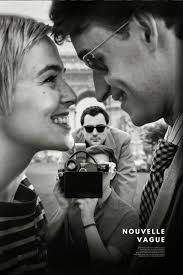



Nouvelle Vague

Nouvelle Vague

Year: 2025

Runtime: 1 h 45 m

Director: Richard Linklater

Echo Score: 83
BiographyComedyDramaHistory

After writing for the influential film journal Cahiers du cinéma, a young Jean‑Luc Godard concludes that the most effective form of criticism is to make movies himself. He persuades the wealthy patron Claude Beauregard to finance a low‑budget feature and, together with fellow critic François Truffaut, drafts a treatment for a gritty gangster‑couple drama.

Warning: spoilers below!

Haven’t seen Nouvelle Vague yet? This summary contains major spoilers. Bookmark the page, watch the movie, and come back for the full breakdown. If you're ready, scroll on and relive the story!

Timeline – Nouvelle Vague (2025)

Trace every key event in Nouvelle Vague (2025) with our detailed, chronological timeline. Perfect for unpacking nonlinear stories, spotting hidden connections, and understanding how each scene builds toward the film’s climax. Whether you're revisiting or decoding for the first time, this timeline gives you the full picture.

1

Premiere night and vow to direct

At the premiere of La Passe du diable, Godard and the Cahiers critics attend the afterparty. Godard harshly criticizes the film and proclaims he will become a film director, joining his peers in the move toward directing. The moment marks the start of his personal project and creative ambition.

1959 Premiere of La Passe du diable (afterparty)
2

Cannes success for The 400 Blows

At the Cannes Film Festival, Truffaut's The 400 Blows becomes a resounding success, signaling a breakthrough for young filmmakers. The triumph inspires Godard and others to pursue their own projects and ideas. The new confidence fuels the Cahiers’ experimental spirit.

1959 Cannes Film Festival
3

Godard decides to direct a film

Godard resolves to direct a film based on Truffaut's short outline, drawing on influences from Michel Portail and his girlfriend Beverly Lynette. This decision sets the production in motion and marks a deliberate break from simply critiquing others’ work. The project aligns with the Cahiers group’s evolving approach to cinema.

1959 Cahiers du Cinéma / writing room
4

Belmondo cast as Michel Poiccard

Godard selects Jean-Paul Belmondo, recently completed with his military service, for the lead role as Michel Poiccard. The casting anchors the film’s energy and suits the spontaneous, street-level style he envisions. This choice will shape the on-screen dynamic between the characters.

early 1959 Casting location / Cahiers office
5

Rossellini urges efficient shooting

Roberto Rossellini visits Cahiers du Cinéma and urges the staff to avoid artistic artifice and shoot efficiently. His blunt guidance pushes Godard toward a lean, practical workflow. The encounter reinforces a preference for realism over polish in the project.

early 1959 Cahiers du Cinéma offices
6

Rissient and Melville offer guidance

Godard hires Pierre Rissient as assistant director and receives advice from Jean-Pierre Melville. Their input helps shape the production’s structure and the collaboration among the troupe. The mentorship adds a layer of insider support for the ambitious shoot.

early 1959 Cahiers / on set
7

Seberg promoted; cast as Patricia

Jean Seberg promotes her film Bonjour Tristesse, and Godard meets her through her husband. He casts her as Patricia, aligning his lead actress with his evolving project. The casting introduces a new on-screen dynamic and test of the director’s spontaneous approach.

early 1959 Paris / meeting
8

Coutard hired; guerilla style and Academy ratio

Godard hires Raoul Coutard as cinematographer and articulates a guerilla filmmaking ethos with shooting in the Academy ratio. The chosen visual language signals a radical shift from conventional filmmaking to a lean, on-the-ground style. This becomes a defining feature of the shoot.

early 1959 On set / production office
9

First day of production: one scene

On the first day of production, Godard films only a single scene. The crew confronts his fluid, rapidly changing plan, and the pace sets a volatile tone for the remainder of the shoot. This starts a pattern of experimental, sometimes frustrating, days on set.

First day of production On set
10

Spontaneity raises tensions on set

As filming continues, constant script rewrites and the emphasis on spontaneity undermine continuity and bewilder the cast. The exceptionally short shooting days frustrate performers, and Seberg even considers leaving briefly. Belmondo is warned that his career could be jeopardized by the chaotic process.

First week On set
11

Drinks with Truffaut and Schiffman

After a week, Godard shares drinks with Truffaut and Schiffman and voices an interest in casting Truffaut as an informant in the film. The discussion reflects a willingness to blur fiction and reality in the project. The idea signals a shift toward meta-casting within the production.

End of first week Drinks in Paris
12

Second week: suspension and pressure

In the second week, Godard suspends filming for a day, claiming he’s not feeling well. Georges Beauregard arrives furious about delays and threatens to cancel the project. Under pressure, Godard accelerates production and continues filming more scenes.

Second week Production office
13

Godard becomes the informant; Melville cameo

Mid-second week, Godard casts himself as the informant after Truffaut declines the role. He also films a cameo of Jean-Pierre Melville near an airport, injecting the production with self-referential moments. The meta-casting underscores the film’s experimental stance.

Mid-second week On location / near airport
14

Climax on set: Belmondo’s death scene and Seberg’s return

The film includes the scene where Belmondo’s character dies on the street. Godard and Seberg clash over how to handle the dying Michel’s pockets, with Seberg refusing a particular approach. After finishing her last scene, Seberg heads back to Hollywood to shoot another film.

Late second week On set
15

Wrap, post-production and Breathless

After 23 days of shooting, Godard wraps production. In post-production, he urges editor Cécile Decugis to use jump cuts, provoking disagreement. He screens Breathless for Truffaut, Chabrol, Schiffman, and Beauregard, who dismiss it at first, even though the film would become hugely influential.

Post-production Editing room / screening room

Last Updated: December 04, 2025 at 15:32

Mobile App Preview

Coming soon on iOS and Android

The Plot Explained Mobile App

From blockbusters to hidden gems — dive into movie stories anytime, anywhere. Save your favorites, discover plots faster, and never miss a twist again.

Sign up to be the first to know when we launch. Your email stays private — always.

Explore Movie Threads

Discover curated groups of movies connected by mood, themes, and story style. Browse collections built around emotion, atmosphere, and narrative focus to easily find films that match what you feel like watching right now.

Movies about artistic creation and struggle like Nouvelle Vague

Films that dive deep into the messy, determined work of making art.If you enjoyed the detailed look at filmmaking in Nouvelle Vague, explore more movies like it. This section features similar stories about determined artists, creative friction, and the biographical drama behind influential works in cinema, music, and other arts.

creativedeterminedfrustratingcollaborativeinspiringmethodicalartisticprocess-driven

Narrative Summary

The narrative pattern typically follows a linear, process-driven structure, chronicling the journey from an initial idea to its final realization. Conflicts arise from creative differences, logistical hurdles, and the pressure to succeed, culminating in a resolution that acknowledges both the triumph of creation and its personal costs.

Why These Movies?

These movies are grouped together because they share a central focus on the 'how' of art-making. They possess a steady, observational tone, a medium emotional weight from the professional stakes involved, and a mood that blends frustration with the inspiration of creative momentum.
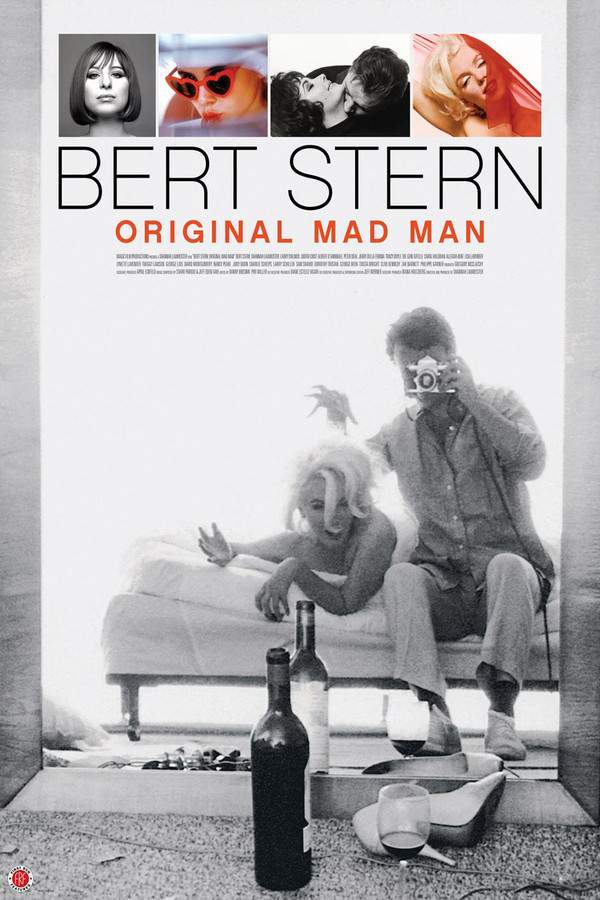
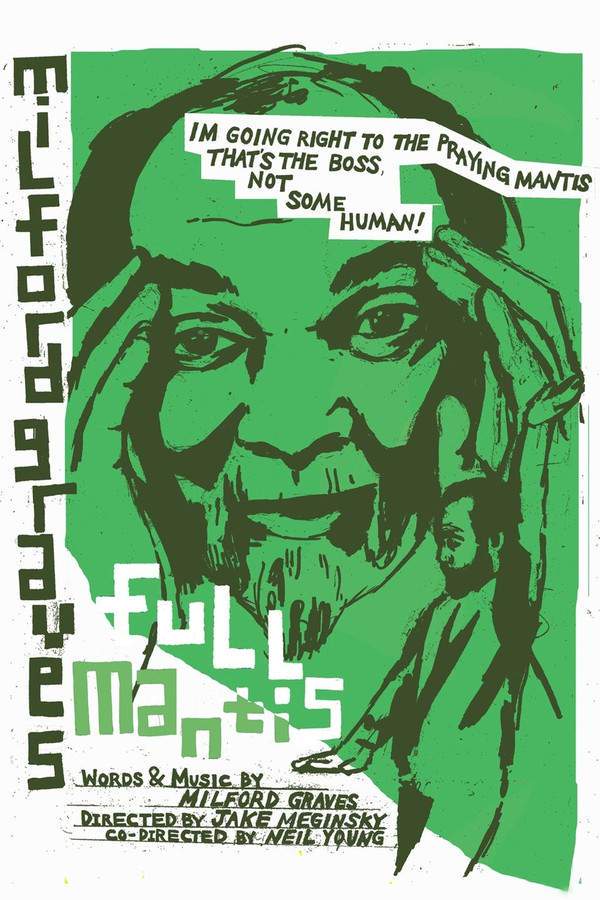
Bittersweet historical dramas with a legacy like Nouvelle Vague

Historical stories where a major achievement is shadowed by poignant aftermath.For viewers who appreciated the bittersweet ending of Nouvelle Vague, this section highlights similar movies where a historical triumph is intertwined with a poignant footnote. These films blend inspiration with melancholy, exploring the complex legacy of real-life events and figures.

inspiringhistoricalreflectivepoignantsomberlegacyambitionresonant

Narrative Summary

Stories in this thread often follow a straightforward chronological path toward a clear victory or achievement. However, the narrative includes an epilogue or perspective that introduces a counterpoint of sadness, loss, or complex consequences, creating a layered and reflective ending feel.

Why These Movies?

These films share a specific emotional mix: the inspiration of accomplishment tempered by the sobering weight of history. They typically have a medium intensity, a steady pacing suitable for historical recounting, and a bittersweet ending that gives their stories a resonant, thoughtful quality.

Unlock the Full Story of Nouvelle Vague

Don't stop at just watching — explore Nouvelle Vague in full detail. From the complete plot summary and scene-by-scene timeline to character breakdowns, thematic analysis, and a deep dive into the ending — every page helps you truly understand what Nouvelle Vague is all about. Plus, discover what's next after the movie.

Nouvelle Vague Summary

Read a complete plot summary of Nouvelle Vague, including all key story points, character arcs, and turning points. This in-depth recap is ideal for understanding the narrative structure or reviewing what happened in the movie.

Nouvelle Vague Summary

Characters, Settings & Themes in Nouvelle Vague

Discover the characters, locations, and core themes that shape Nouvelle Vague. Get insights into symbolic elements, setting significance, and deeper narrative meaning — ideal for thematic analysis and movie breakdowns.

Characters, Settings & Themes in Nouvelle Vague

Nouvelle Vague Ending Explained

What really happened at the end of Nouvelle Vague? This detailed ending explained page breaks down final scenes, hidden clues, and alternate interpretations with expert analysis and viewer theories.

Nouvelle Vague Ending Explained

Nouvelle Vague Spoiler-Free Summary

Get a quick, spoiler-free overview of Nouvelle Vague that covers the main plot points and key details without revealing any major twists or spoilers. Perfect for those who want to know what to expect before diving in.

Nouvelle Vague Spoiler-Free Summary

More About Nouvelle Vague

Visit What's After the Movie to explore more about Nouvelle Vague: box office results, cast and crew info, production details, post-credit scenes, and external links — all in one place for movie fans and researchers.

More About Nouvelle Vague

Similar Movies to Nouvelle Vague

Discover movies like Nouvelle Vague that share similar genres, themes, and storytelling elements. Whether you’re drawn to the atmosphere, character arcs, or plot structure, these curated recommendations will help you explore more films you’ll love.