Plot Explained Spoilers guaranteed!
Plot Explained

Browse by genre

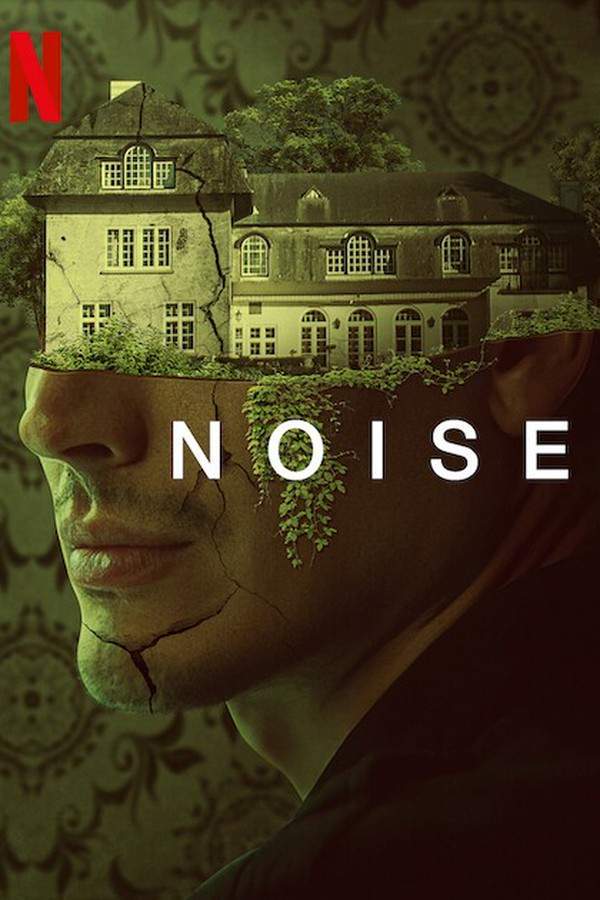
Noise (2008) movie poster

Plot Summary

Noise (2008) Plot Summary Explained

Release, runtime and language
2008 · 92 min · Dutch
Directed by
Henry Bean

Haunted by the relentless noise of New York City, lawyer David seeks refuge from the constant distractions. Assuming the alias "The Rectifier," he begins a campaign of playful, yet disruptive, actions intended to restore tranquility. His methods, while offering him a sense of peace, quickly draw unwanted attention, spark public debate, and create tension within his marriage.

On this page (6)
  1. 1 Where to watch
  2. 2 What happens: full plot
  3. 3 Plot questions answered
  4. 4 Movie threads
  5. 5 Movies like Noise
  6. 6 Every angle

Where to watch

Where to Watch Noise (2008)

Where can you watch Noise? Stream, rent or buy it in the US, including on Fawesome and Amazon Video: current JustWatch availability with up-to-date prices.

Streaming availability powered by JustWatch

Full plot summary · contains spoilers

What Happens in Noise: Full Plot Summary

The whole story of Noise (2008) explained, from the opening scene to the final frame: every key event, every twist and what it all adds up to. Read it as a quick recap before the sequel, to check a scene you missed, or to finally understand what really happened.

David Owen, a New York lawyer, is relentlessly tormented by a chorus of city noises—car alarms, burglar alarms, and the harsh blare of backup beepers—that gnaws at his patience and way of life. He endures for years, even through the early years of his daughter, but a single reckless act tips the balance: he breaks into a car to shut off its alarm and ends up in handcuffs. The incident triggers a domino effect: his family retreats to the countryside for a weekend hoping for peace, only to discover that quietness there comes with its own disruptive echoes. His attempts to address the problem through the legal system prove futile, and his response grows more extreme as vandalism replaces restraint. With each new violation, penalties rise and the strain on his marriage deepens, until his wife finally asks him to leave.

Alone with the mounting fury, Owen’s campaign of destruction expands as he targets alarms and increasingly damages vehicles, turning his personal crusade into a broader obsession. Amid this turmoil, he encounters Ekaterina, a Russian student who becomes his confidant and catalyst. She recognizes the vigilante identity he has adopted—The Rectifier—and challenges him to channel his anger into something more than private vengeance. Ekaterina persuades him to embark on a ballot initiative designed to address the chaos of urban noise through lawful means, turning Owen’s frustration into political leverage.

The initiative begins slowly but soon acquires a contagious energy that captures public imagination and media attention. Yet the political landscape resists him. Mayor Schneer is openly wary, fearing that endorsing the measure could fan the flames of vigilantism and undermine the rule of law. Even when a loophole blocks the ballot from appearing, Owen refuses to concede. He outfits a car with an array of alarms and dramatically parks it in front of city hall, turning the city’s own security procedures back on its officials by blasting loud horns and insisting on accountability for the rules that sparked his initial revolt. The spectacle inflames a nearby tenant and draws the attention of the city’s power players, including Judge Kornreich, who becomes entangled in the confrontation and is mistakenly identified as The Rectifier.

In court, Kornreich sues Owen for pain and suffering, and the confrontation becomes a legal turning point. During the cross-examination, Owen hints that his actions could constitute assault and battery, a strategic move that reframes the case as a broader question about responsibility, protest, and the limits of reform. The judge’s side bears the weight of mercy, but the verdict nonetheless places Owen on the wrong side of the law. Yet the ruling carries a paradoxical sense of achievement for Owen: he has forced a high-stakes public debate and, in the process, begins to repair his personal ties, reunifying with his wife.

As the courthouse doors close on this chapter, an activist approaches with a provocative proposal: blow up a billboard TV that contributes to accidents and clutters the city’s skyline. The story presents a dual ending, offering two plausible fates. In one path, Owen chooses to flee with the activist, lured by a radical confrontation with the city’s visual pollution. In the other, he declines the offer and steps into a cab with his wife, heading home to rebuild their life together.

Ultimately, the film is a tense, character-driven meditation on obsession, the boundaries of lawful reform, and the delicate line between civic frustration and personal crusade. It explores how a man’s battle with noise can evolve into a public spectacle that tests his relationships, his sense of justice, and his vision of what a just city should look like.

Last updated: October 09, 2025 at 15:41

Was this helpful?

Plot questions answered

Noise Plot Explained: Your Questions Answered

The questions people ask most about Noise (2008): what happens in the confusing scenes, why the characters do what they do, the twists, hidden details and what the ending means. Each answer contains spoilers.

Q1

Why did David break into the car to stop the alarm?

David had endured years of relentless city noises, car alarms, burglar alarms, and backup beepers, that gradually eroded his patience and mental well-being. After his daughter was born, the stress accumulated until a single reckless moment pushed him over the edge: he broke into a parked car to shut off its alarm, resulting in his arrest. This incident marked the first escalation of his personal crusade against urban noise.

Foreshadowing: The film's opening establishes David's extreme sensitivity to sound, hinting that his breaking point was inevitable.

  • david owen
  • car alarm
  • arrested
  • nyc noise
  • breaking and entering
Q2

What was The Rectifier identity that Ekaterina mentioned?

The Rectifier was the vigilante persona David adopted during his campaign against noise. He performed disruptive but playful actions intended to restore tranquility to the city, targeting noisy vehicles and alarms. When Ekaterina, a Russian student he became involved with, learned of this identity, she used it to challenge him, pushing him to channel his anger into something more meaningful than private vengeance.

Foreshadowing: Early scenes show David taking direct, increasingly bold actions against sources of noise before he formally adopts the vigilante name.

  • the rectifier
  • vigilante
  • david owen
  • ekaterina
  • identity
Q3

How did Ekaterina influence David's campaign against noise?

Ekaterina recognized David's vigilante identity and his passion for change, but she encouraged him to pursue his goals through lawful political means rather than vandalism. She persuaded him to launch a ballot initiative designed to address urban noise through the legal system, transforming his personal frustration into a political movement that eventually gained public attention and media coverage.

Foreshadowing: After David meets Ekaterina, his methods shift from purely destructive acts to more calculated political strategies.

  • ekaterina
  • ballot initiative
  • political campaign
  • david owen
  • russian student
Q4

Why did Mayor Schneer oppose the noise ballot initiative?

Mayor Schneer openly opposed the ballot measure because he feared that endorsing it would legitimize David's vigilantism and undermine the rule of law. He believed that supporting The Rectifier's cause would encourage others to take the law into their own hands rather than working through proper legal channels, so he actively worked against the initiative.

Foreshadowing: The mayor's opposition is hinted at early in the political arc, where authorities show skepticism toward David's methods.

  • mayor schneer
  • ballot initiative
  • political opposition
  • vigilantism
  • city hall
Q5

What was the car of alarms incident in front of city hall?

After a loophole blocked his ballot measure from appearing on the ballot, David outfitted a car with multiple alarms and loud horns, then parked it directly in front of city hall and triggered the alarms deliberately. The spectacle was designed to demonstrate the same frustrations that sparked his entire crusade, turning the city's own security procedures back on its officials and demanding accountability.

Foreshadowing: This dramatic act follows directly from the ballot measure failure, representing David's pivot back to confrontational methods.

  • car of alarms
  • city hall protest
  • noise protest
  • david owen
  • spectacle
Q6

Why was Judge Kornreich mistakenly arrested during the protest?

During David's car of alarms demonstration in front of city hall, a nearby tenant became enraged by the intrusive noise. In the chaos that followed, Judge Kornreich was mistakenly identified as The Rectifier and arrested by police. The incident demonstrated how David's escalating crusade was causing collateral harm to innocent people.

Foreshadowing: The mistaken arrest occurs immediately after the alarm spectacle escalates beyond David's control.

  • judge korreich
  • mistaken arrest
  • noise protest
  • the rectifier
  • city hall
Q7

What happened in David's courtroom confrontation and verdict?

Judge Kornreich sued David for pain and suffering resulting from the car of alarms incident. During cross-examination, David provocatively suggested his actions could constitute assault and battery, reframing the case as a broader question about responsibility and protest. Although David was found guilty, the judge showed leniency in the verdict. Despite the legal outcome, David viewed it as a paradoxical achievement since he had forced a high-stakes public debate on urban noise.

Foreshadowing: The courtroom scene represents the culmination of David's public confrontation with the city's systems.

  • courtroom
  • verdict
  • judge korreich
  • assault and battery
  • legal consequences
Q8

What are the two endings of the film?

The film presents a dual ending with two plausible fates for David. In one path, David chooses to flee with an activist who proposes blowing up a billboard TV that contributes to visual pollution and accidents, suggesting he continues down a radical path. In the other ending, he declines the offer and gets into a cab with his wife, choosing to rebuild their life together. The ambiguous ending leaves his future open to interpretation and reflects the film's theme of choice and consequence.

Foreshadowing: The two endings emerge from the final activist encounter at the courthouse, representing the fork in David's journey.

  • dual ending
  • ambiguous ending
  • activist
  • billboard
  • wife reconciliation
Q9

Why did David's wife ask him to leave?

David's wife asked him to leave because his escalating campaign of destruction, starting with vandalism and progressing to damaging vehicles, placed immense strain on their marriage. As penalties rose and his obsession with noise intensified, the tension became unbearable, culminating in her request that he leave the family home.

Foreshadowing: The timeline shows David's marriage deteriorating in direct correlation with his escalating illegal activities.

  • marriage
  • wife
  • david owen
  • separation
  • family strain
Q10

Did David face legal consequences for his actions?

Yes, David was found guilty in the courtroom confrontation brought by Judge Kornreich. However, the judge showed leniency toward him, and the verdict carried a paradoxical sense of achievement, David had succeeded in forcing a public debate on urban noise issues despite being on the wrong side of the law. The exact sentence is not detailed, but he was convicted of charges related to his protest actions.

Foreshadowing: The courtroom verdict represents the legal reckoning that has loomed throughout David's escalating campaign.

  • jail
  • prison
  • guilty verdict
  • legal consequences
  • sentence

Movie threads

More Movies Like Noise, by Mood & Story

Curated lists built around what makes Noise tick: the same mood, the same kind of story or the same emotional payoff. Each list explains why these movies belong together.

Urban anxiety and vigilante descent movies like Noise

Stories of ordinary people pushed to extremes by the pressures of modern city life. For viewers seeking movies like Noise, this section features character-driven dramas where protagonists are driven to vigilante actions by the overwhelming pressures of city life. These films share a tense, cerebral mood, exploring themes of civil disobedience, public debate, and the personal cost of a one-person crusade for peace or justice.

  • anxious
  • obsessive
  • frustrated
  • unsettling
  • claustrophobic
  • cerebral
  • Tone: dark, tense, cerebral
  • Pacing: steady, character-driven
Why these movies?

The story pattern: These narratives typically follow a protagonist whose growing frustration with a systemic urban problem—be it noise, crime, or bureaucracy—escalates into an obsessive, personally costly mission. The journey moves from internal anxiety to external, disruptive actions, often sparking public debate and straining personal relationships, culminating in an ambiguous reckoning.

Why they belong together: Movies in this thread are grouped by their central theme of urban alienation sparking a personal crusade. They share a dark, cerebral tone, a steady pacing that builds tension from character obsession, and a focus on the gray area between justified protest and problematic vigilantism.

Cerebral slow burn obsession movies like Noise

Character studies where a single fixation quietly consumes a life, creating subtle dread. If you liked the focused character study in Noise, this list features similar movies about a protagonist's slow descent into a personal obsession. These cerebral slow burns prioritize psychological tension over plot, featuring steady pacing, ambiguous endings, and a medium emotional weight that explores the cost of fixation.

  • obsessive
  • cerebral
  • unsettling
  • claustrophobic
  • anxious
  • psychological
  • Tone: dark, unsettling, cerebral
  • Pacing: slow burn, steady
Why these movies?

The story pattern: The narrative pattern centers on a clear and escalating obsession that drives the protagonist. The plot unfolds steadily, focusing on the character's internal logic and the gradual consequences of their fixation, which often alienates them from their normal life. The ending is typically ambiguous, reflecting the unresolved nature of the obsession itself.

Why they belong together: These films are united by their primary focus on a character's obsessive psychology. They share a similar vibe: a steady, deliberate pacing that allows the obsession to simmer, a cerebral and often unsettling mood, and a narrative structure that prioritizes character depth over complex plotting.

If you liked this

Movies Like Noise

Similar movies to Noise: the same genre, themes or kind of story. Each one comes with its own plot summary, timeline and ending explained.

Browse all movie summaries

Every angle

Noise (2008) Explained: Plot, Timeline & Characters

Everything about Noise in one place: what happens in the plot summary, the timeline in chronological order, the characters and meaning and a spoiler-free summary. What's After the Movie adds the cast, box office and post-credit scenes.

Coming soon on iOS and Android

The Plot Explained Movie Summary App

Plot summaries, endings explained and timelines on your phone. Catch up on any movie in minutes, save your favorites and never miss a twist again.

Be the first to know when we launch. Your email stays private, always.

Learn more about the app