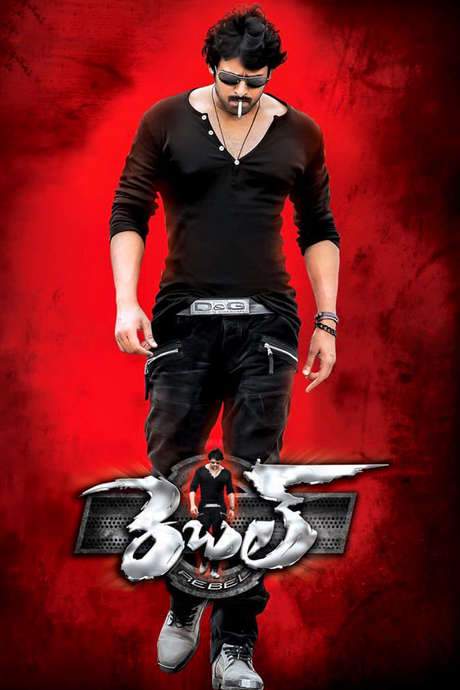
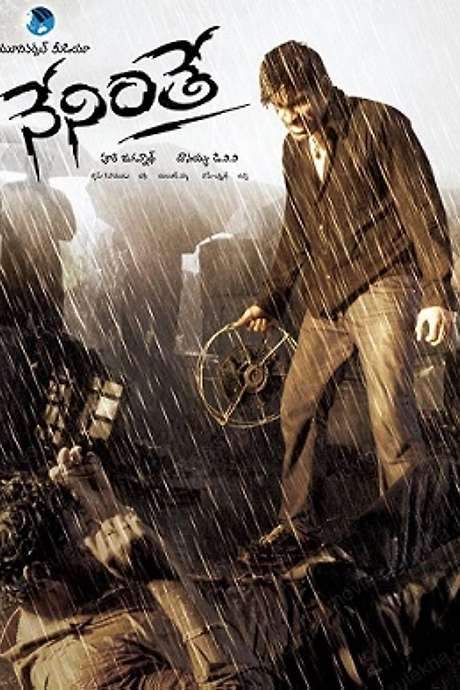
Rana Daggubati's Jogendra and Kajal Agarwal's Radha are a devoted couple who dream of starting a family but are childless for years. Their world brightens when Radha becomes pregnant, and a sacred temple visit to pray for the baby's wellbeing amplifies their elation. There, a crucial moment unfolds: Radha lights a holy lamp, and the village Sarpanch, Pradeep Ram Singh Rawat and his wife are witnesses to the ritual. The wife, who is accustomed to lighting the lamp herself, erupts in anger, and in a cruel act she pushes Radha down the temple steps, causing a devastating miscarriage. The couple is left in profound grief.
From this tragedy, Jogendra is drawn into the world of politics. He enters the Sarpanch’s campaign, using wit and calculation to win, a move that infuriates the village leader. The tension between them fuels a dangerous feud. A police officer—an unsettling figure who demands a hefty bribe—tries to coerce Jogendra, and in a dramatic turn, Jogendra seizes the officer’s pistol, injures the officer’s hands, and blames him for the fallout. The political chessboard heats up as MLA Choudappa, played by Satya Prakash, applies pressure, demanding a crore and confiscating the FIR copy. When Jogendra refuses to bow to the extortion, the corrupt web tightens: Choudappa attempts to manipulate Radha by pressuring her to a guest-house meeting, and Jogendra responds with a shocking act, killing Choudappa.
With the sympathy of the crowd turning in his favor, Jogendra steps into MLA elections and defeats Choudappa’s brother by framing him as the killer of his own brother, gaining public support from those swayed by emotion and rumor. Once in power, Jogendra’s appetite for control grows. He diversifies his influence into transport, liquor shops, and other enterprises, all while cultivating a personal aura of inevitability around his ascent. He targets a university student through a hunger-strike crisis, maneuvering the political machinery to secure a ministerial post for himself. A crucial confrontation with the CM unfolds; when the CM rejects his bid, Jogendra pivots and approaches the Home Minister, Subbarayudu, Ashutosh Rana. Using a cynical ruse involving poisoned lemon water, he engineers Subbarayudu’s fall and arouses suspicion toward the CM, all while seeking the Home Ministry for himself.
Into this web enters Devika Rani, a journalist portrayed by Catherine Tresa. She digs into Jogendra’s past, collecting evidence to challenge him for an opposing party and broadcasts it on her channel. Jogendra confronts her at home; she discovers his cameras and, though she is drawn to him, she uses the information to threaten exposure. Their uneasy chemistry deepens into an affair, but Devika remains intent on uncovering the truth. The affair complicates matters because while Jogendra feigns affection for Radha, he also uses the liaison to gather intelligence. Devika, assisted by Subbarayudu (now out on bail), orchestrates a broad exposure of Jogendra’s illicit activities, and soon his empire begins to crumble.
In a brutal sequence that tests loyalty and love, Jogendra’s ally Shiva—Navdeep—is killed in what appears to be a betrayal spurred by a planted video from Subbarayudu. Shiva’s brother plants a bomb on Jogendra’s path; Radha is injured in the blast, and Jogendra’s protective instinct shines as he saves her and rushes her to the hospital. Yet Radha makes the ultimate sacrifice, offering her life so that Jogendra’s political machine can gain sympathy and push his party toward victory. The plan to crown him CM hinges on a perilous cascade of loyalties and bribes, as Hema Chander’s secrets are leaked and MLAs are offered bribes to betray their factions.
The climactic gambit sees Jogendra arriving at a gathering of MLAs and ministers, armed with a bomb that detonates and destroys his rivals. The scene cuts to the present, where Jogendra sits in a jail interview, surrounded by public support and a growing chorus of voices pleading for clemency. The President of India intervenes, halting the hanging, and in a dramatic live-television moment, Jogendra speaks directly to the people. He urges them to choose a leader who truly serves the people and not the corrupt, and then, in a final, poignant twist, declares himself transformed as “Radha Jogendra.” He lights a cigarette and ends his life, a controversial testament to the price of power.
In the closing credits, Radha sits on a swing, and Jogendra—the man who loved her and the country he aimed to lead—appears, signaling a solemn reunion in the afterlife and leaving the audience to ponder the costs of ambition, love, and reform.