Plot Explained Spoilers guaranteed!
Plot Explained

Browse by genre

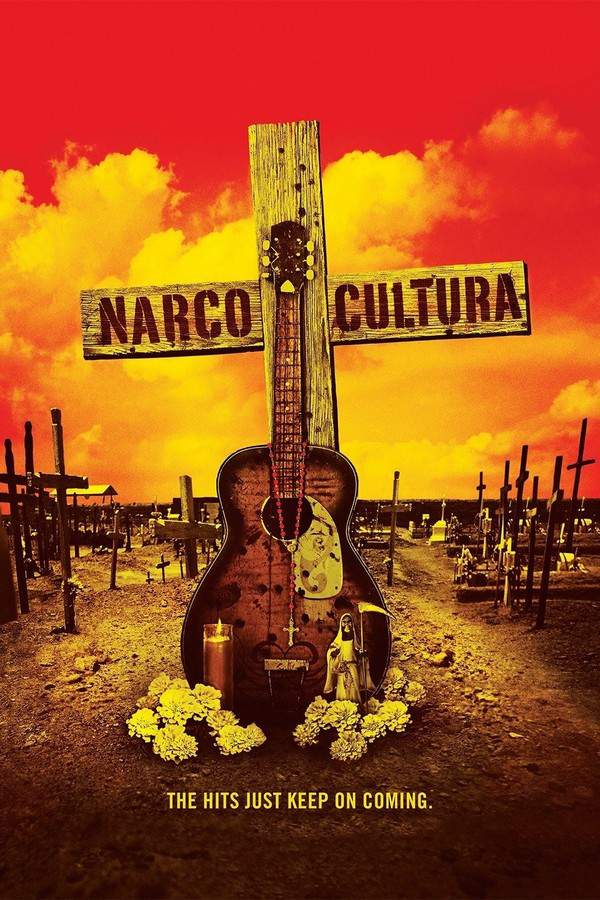
Narco Cultura (2013) movie poster

Plot Summary

Narco Cultura (2013) Plot Summary Explained

Release, runtime and language
2013 · 103 min · English
JustWatch #25,774 3
Directed by
Shaul Schwarz

This documentary examines the complex and controversial phenomenon of narco culture, where drug cartel leaders are glorified as figures of power and success. Exploring the US-Mexico border region, it investigates how the war on drugs has inadvertently contributed to a cycle of violence, addiction, and a distorted sense of upward mobility. The film delves into the reasons behind the reverence for these figures and the impact on communities caught in the conflict.

On this page (6)
  1. 1 Where to watch
  2. 2 What happens: full plot
  3. 3 Plot questions answered
  4. 4 Movie threads
  5. 5 Movies like Narco Cultura
  6. 6 Every angle

Where to watch

Where to Watch Narco Cultura (2013)

Where can you watch Narco Cultura? Stream, rent or buy it in the US, including on Amazon Prime Video, Fandor and Philo: current JustWatch availability with up-to-date prices.

Streaming availability powered by JustWatch

Full plot summary · contains spoilers

What Happens in Narco Cultura: Full Plot Summary

The whole story of Narco Cultura (2013) explained, from the opening scene to the final frame: every key event, every twist and what it all adds up to. Read it as a quick recap before the sequel, to check a scene you missed, or to finally understand what really happened.

Narco Cultura is a thought-provoking documentary directed by the talented cinematographer Shaul Schwarz that dives deep into the complexities of the Mexican drug war, particularly the influence of the Sinaloa cartel. This riveting film unfolds through two distinct yet interlinked narratives: one follows Richi Soto, a dedicated crime scene investigator in Juárez, while the other centers around Edgar Quintero, a charismatic narcocorrido musician based in Los Angeles. By weaving these stories together, the documentary presents a powerful commentary on how cartel violence has become ingrained in media representations, revealing the disturbing normalization of brutality across societies.

The viewer is first introduced to Richi Soto, who navigates the perilous landscape of Juárez, known as the “murder capital of the world.” In his role as a crime scene investigator, Richi is confronted with the harsh realities of the drug war, highlighting issues of corruption, pervasive impunity, and the persistent threats to his safety. To protect himself while delving into high-profile cartel cases, Soto often wears a mask to conceal his identity. Despite the looming dangers, he remains steadfast in his commitment to serve and uplift his community, driven by a profound sense of duty. His compelling narrative accentuates how the drug war has deeply affected law enforcement, particularly in regions dominated by cartel power.

In contrast, the documentary also spotlights Edgar Quintero, a father and gifted musician whose talent flourishes within the vibrant narcocorrido genre. Through his artistic expression, Edgar recounts the tales of notorious drug lords, melding captivating melodies with the stark realities of cartel life. His rise to fame as the lead singer of the group Buknas de Culiacán showcases the intricate and sometimes troubling connections between music, fame, and crime. Quintero’s songs not only celebrate the audacious exploits of drug traffickers but also highlight the romanticized portrayal of these figures, turning them into contemporary folk heroes within his music videos and concerts.

The juxtaposition of Soto’s precarious existence in Juárez with Quintero’s flourishing career in Los Angeles paints a striking picture of the significant contrasts between the violent struggles of border towns and the intersecting forces of capitalism in the United States. Narco Cultura serves as a critical examination of how violence is often trivialized and sensationalized in contemporary culture, prompting viewers to reflect on the broader societal ramifications of the ongoing war on drugs that echoes far beyond national borders. Through a combination of candid interviews and immersive footage, this documentary leaves a lasting impact, challenging its audience to confront the unsettling truths surrounding the international drug trade and its effects on communities at large.
Last updated: May 12, 2025 at 07:03

Was this helpful?

Plot questions answered

Narco Cultura Plot Explained: Your Questions Answered

The questions people ask most about Narco Cultura (2013): what happens in the confusing scenes, why the characters do what they do, the twists, hidden details and what the ending means. Each answer contains spoilers.

Q1

Why does Richi Soto wear a mask while working as a crime scene investigator?

Richi Soto wears a mask to conceal his identity while investigating high-profile cartel cases in Juárez. As a crime scene investigator working in one of the most dangerous cities in the world, he faces constant threats from cartels. The mask serves as protection against retaliation for his work in documenting murder scenes and holding perpetrators accountable.
  • richi soto
  • mask
  • juarez
  • crime scene investigator
  • cartel threats
Q2

What is a narcocorrido and why does it matter in the film?

A narcocorrido is a musical genre that tells stories about drug traffickers, celebrating their exploits and lifestyles as folk hero narratives. In the documentary, Edgar Quintero performs these ballads as the lead singer of Buknas de Culiacán. The significance lies in how this music romanticizes cartel violence and turns criminal figures into cultural icons, illustrating how the drug trade becomes normalized in popular culture.
  • narcocorrido
  • edgar Quintero
  • buknas de culiacan
  • cartel music
  • folk hero
Q3

How do the two main narratives in Narco Cultura connect to each other?

The documentary weaves together Richi Soto's work in Juárez and Edgar Quintero's career in Los Angeles to create a larger commentary on how cartel violence becomes embedded in society. While Soto confronts the deadly consequences of the drug war firsthand, Quintero's music celebrates the very criminals causing that violence. The contrast highlights the disconnect between those suffering from cartel violence and those profiting from its romanticization.

  • richi soto
  • edgar Quintero
  • dual narrative
  • juarez
  • los angeles
Q4

Why is Edgar Quintero's music considered controversial?

Edgar Quintero's music is controversial because it transforms violent drug cartel leaders into celebrated folk heroes through catchy ballads. His songs glorify cartel exploits, portraying criminals as symbols of power and success. This romanticization contributes to the normalization of cartel violence and influences public perception of the drug trade, making his artistic success morally problematic within the context of the documentary's critique.

  • edgar Quintero
  • controversial music
  • cartel glorification
  • narcocorrido controversy
Q5

Why does the documentary focus on Juárez as a setting?

Juárez is featured because it was known as the murder capital of the world, representing the epicenter of cartel violence in Mexico. The city exemplifies the devastating human cost of the drug war, where law enforcement officials like Richi Soto face constant danger while trying to serve their community. Setting the documentary in Juárez provides concrete, visceral examples of how cartel operations destroy lives and create a pervasive atmosphere of fear.

  • juarez
  • murder capital
  • cartel violence
  • mexican drug war
Q6

What role does the Sinaloa Cartel play in the documentary?

The Sinaloa Cartel serves as the dominant force in the Mexican drug war that the documentary examines. The film opens with an overview of the cartel's activities to establish the scale and reach of narcotics trafficking. Their influence provides the context for understanding both the violence Richi Soto documents and the criminal culture that Edgar Quintero's music celebrates.

  • sinaloa cartel
  • mexican drug war
  • narcotics trafficking
Q7

What does the documentary say about the normalization of cartel violence?

The documentary argues that cartel violence has become trivialized and sensationalized in contemporary culture through media representations like narcocorridos. By contrasting Soto's dangerous reality with Quintero's celebratory music, the film shows how society becomes desensitized to drug war atrocities. This normalization perpetuates a cycle where violence is accepted as inevitable rather than challenged.

  • normalization of violence
  • media desensitization
  • cartel culture
  • drug war criticism
Q8

Why does the documentary contrast Juárez with Los Angeles?

The contrast between Juárez and Los Angeles illustrates the geographical and socioeconomic divide in how the drug trade impacts different communities. Soto lives in constant danger in a border city devastated by violence, while Quintero enjoys an affluent lifestyle in the U.S. capitalizing on cartel culture. This juxtaposition highlights how the drug war's consequences and its economic benefits exist on opposite ends of the spectrum.

  • juarez
  • los angeles
  • border
  • capitalism
  • drug trade economics
Q9

What is narco cultura as explained in the documentary?

Narco cultura refers to the cultural phenomenon where drug cartel leaders are glorified as figures of power and success. The documentary examines how this distorted sense of upward mobility has emerged from the drug war, creating a cycle where criminals become folk heroes and violence becomes entertainment. This cultural shift represents one of the film's central critiques about how society processes and accepts cartel-related violence.

  • narco cultura
  • cartel glorification
  • drug war culture
  • folk heroes
Q10

What is the documentary's message about the war on drugs?

The documentary argues that the war on drugs has inadvertently contributed to a cycle of violence, addiction, and distorted价值观. By showing how law enforcement struggles against impossible odds while artists profit from romanticizing criminals, Narco Cultura suggests that current approaches to combating drug trafficking have failed to address the deeper cultural and economic forces driving the conflict.

  • war on drugs
  • drug policy
  • cartel violence
  • cycle of violence

Movie threads

More Movies Like Narco Cultura, by Mood & Story

Curated lists built around what makes Narco Cultura tick: the same mood, the same kind of story or the same emotional payoff. Each list explains why these movies belong together.

Grim societal investigations like in Narco Cultura

Unflinching documentaries that examine a culture's darkest and most complex problems. For viewers who appreciated the critical lens of Narco Cultura, this section features movies like it that explore complex, dark societal issues. These similar documentaries and dramas offer a thought-provoking, unsettling look at systemic problems, corruption, and cultural decay.

  • grim
  • thought-provoking
  • unsettling
  • investigative
  • somber
  • critical
  • Tone: dark, critical, unsettling
  • Pacing: steady, investigative
Why these movies?

The story pattern: Films in this thread typically follow an investigative or journalistic structure, building a case through evidence and testimony to expose a deep-rooted societal ill. The narrative journey is one of revelation and confrontation, often leading to an ambiguous or bleak conclusion that reflects the complexity of the problem.

Why they belong together: These movies are grouped by their shared commitment to exposing grim realities through a critical, thought-provoking lens. They share a dark tone, heavy emotional weight, and a steady, methodical pacing that allows for deep immersion into complex subject matter.

Movies about the glorification of darkness like Narco Cultura

Stories that explore society's dangerous fascination with villains and violent power. If you were fascinated by Narco Cultura's look at narco culture and the glorification of cartel leaders, explore these similar movies. This list includes films about the dangerous allure of criminal figures, the sensationalism of violence in media, and the societal impact of celebrating darkness.

  • critical
  • reflective
  • unsettling
  • dark fascination
  • societal critique
  • thought-provoking
  • Tone: dark, reflective, critical
  • Pacing: steady, contemplative
Why these movies?

The story pattern: The narrative pattern often contrasts the brutal reality of violent acts with their glamorous perception in popular culture. These stories explore the psychological and societal reasons behind this fascination, typically culminating in a reflection on the damaging consequences of such glorification.

Why they belong together: These films are united by their central theme of exploring why societies are drawn to darkness. They share a critical perspective on celebrity culture, media sensationalism, and the complex relationship between fame, power, and violence, resulting in a similarly heavy and thought-provoking mood.

If you liked this

Movies Like Narco Cultura

Similar movies to Narco Cultura: the same genre, themes or kind of story. Each one comes with its own plot summary, timeline and ending explained.

Browse all movie summaries

Every angle

Narco Cultura (2013) Explained: Plot, Timeline & Characters

Everything about Narco Cultura in one place: what happens in the plot summary, the timeline in chronological order, the characters and meaning and a spoiler-free summary. What's After the Movie adds the cast, box office and post-credit scenes.

Coming soon on iOS and Android

The Plot Explained Movie Summary App

Plot summaries, endings explained and timelines on your phone. Catch up on any movie in minutes, save your favorites and never miss a twist again.

Be the first to know when we launch. Your email stays private, always.

Learn more about the app