
Nagarahavu
Year: 2016
Runtime: 142 mins
Language: Kannada
Director: Kodi Ramakrishna
After the death of Naganika at the hands of Kapali, who desires an ancient monument her family protects, she is reincarnated as a serpent seeking retribution. The film follows her quest for revenge against Kapali and those who aided him in his pursuit of the monument.
Warning: spoilers below!
Haven’t seen Nagarahavu yet? This summary contains major spoilers. Bookmark the page, watch the movie, and come back for the full breakdown. If you're ready, scroll on and relive the story!
Timeline – Nagarahavu (2016)
Trace every key event in Nagarahavu (2016) with our detailed, chronological timeline. Perfect for unpacking nonlinear stories, spotting hidden connections, and understanding how each scene builds toward the film’s climax. Whether you're revisiting or decoding for the first time, this timeline gives you the full picture.
Last updated: October 09, 2025 at 15:26
Nagarahavu (2016) Timeline Questions Answered – Chronology FAQ
Find frequently asked questions about the Nagarahavu (2016) timeline, including chronological order, nonlinear jumps, cause-and-effect links, and scene sequence clarifications. This timeline FAQ helps explain when key events happen, how moments connect, and why the story unfolds in that specific order.
Who is Manasa and why is she a serpent?
Manasa is revealed to be an icchadhaari serpent, a snake-woman who can take human form. She is actually the reincarnation of Naganika, the daughter of Shivaiyya who guarded the ancient Shiva monument. In her past life, Naganika was killed by the evil tantrik Kapali while protecting the sacred site, and she vowed to return for revenge. This explains her presence in Nagacharan's circle and her intense protectiveness of the kalasha.
Earlier scenes hint at her mysterious nature through her unusual knowledge of the ancient relic and her sudden disappearances.
Why does everyone want the kalasha?
The kalasha is an ancient divine vessel tied to a Lord Shiva monument that gathers immense power during the Soorya Grahan (solar eclipse). For centuries, demons have tried to seize it but failed due to its sacred protection. The villains want to use its power for evil purposes, while Manasa and the ancient guardians want to keep it protected. Making it the competition trophy brings this ancient conflict into the modern world.
The opening scene establishes the kalasha's mythic importance during the solar eclipse event.
What happened in Naganika's past life?
In her past life, Naganika was the daughter of Shivaiyya, whose family had guarded the ancient Shiva monument for generations. The evil tantrik Kapali and his lineage fought for centuries to seize control of the monument. During a final battle, Kapali defeated and killed Naganika, but before dying, she vowed to return to take revenge and protect the sacred site. This sets up the central conflict between her and Kapali that continues into the present day.
The mythic prologue establishes the long-standing feud between the guardian families and the forces of Kapali.
Who is Nagaraja and why does he help Manasa?
Nagaraja is the legendary serpent king who appears when Lord Shiva sends his sacred serpent necklace to aid Manasa. He intervenes at the climax when Manasa and Nagacharan are in grave danger from the villains. Nagaraja frees Manasa from captivity and joins forces with her to defeat Mukul Dev and Kapali. This divine intervention represents the gods supporting those who protect the sacred kalasha.
Lord Shiva's blessing is hinted at when the ancient relic is threatened, suggesting higher powers are watching over the sacred mission.
Why does Nagacharan refuse to quit the music competition?
Nagacharan refuses to quit despite Mukul Dev's threats because he sees the competition as his only chance to protect the kalasha. He has already witnessed the villains' violent tactics and understands they will do anything to seize the relic. By winning the competition, he can ensure the kalasha is placed safely before the Shiva idol rather than falling into evil hands. His determination is also fueled by his commitment to Manasa and her cause.
His earlier determination to win the competition establishes his stubborn refusal to be intimidated.
Why does Manasa kill Amit Tiwari and Ravi Kale?
Manasa kills Amit Tiwari and Ravi Kale because they are part of the villainous group trying to steal the kalasha for evil purposes. As an icchadhaari serpent protecting the sacred relic, she uses her powers to eliminate these threats when they try to interfere with her mission. This violent revelation occurs during the competition when Nagacharan witnesses her killing the villains, shocking him and forcing him to reconsider everything he thought he knew about her.
Her mysterious behavior and hidden motives throughout the film hint at her willingness to use deadly force.
What do the villains want with the kalasha?
The villains led by Mukul Dev, Amit Tiwari, and Ravi Kale want to capture the kalasha because it holds immense divine power gathered during the solar eclipse. They form a music troupe as a cover to enter the competition and seize the relic. Kapali, the ancient tantrik, provides the evil motivation as he has fought for generations to occupy the Shiva monument and use its power for dark purposes.
The opening mythic sequence shows demons attempting to seize the kalasha, establishing the eternal battle between good and evil over the relic.
Why does Lord Shiva help Manasa?
Lord Shiva helps Manasa because she is the reincarnation of Naganika, who dedicated her life to protecting the sacred Shiva monument and the kalasha. Her family has been the faithful guardian of the shrine for generations. When the forces of evil capture Manasa and threaten to seize the kalasha, Shiva sends his sacred serpent necklace and summons Nagaraja to aid her. This divine intervention shows that the gods reward those who sacrifice themselves for righteous causes.
The film's opening establishes the sacred duty of the guardian family and the divine protection surrounding the kalasha.
How did the kalasha become the music competition trophy?
Archaeologists excavate the kalasha during the present day timeline, discovering it is the most coveted relic connected to the ancient Shiva monument. When the National Music Competition is announced, the organizers decide to make the kalasha the trophy, unknowingly drawing dangerous attention to the event. This decision brings the ancient conflict into the modern world and forces Nagacharan and Manasa to protect it through the competition.
The connection between the sacred relic and artistic achievement hints at the eventual resolution combining music and myth.
What happens to Nagacharan's friends in the accident?
Mukul Dev orchestrates a fatal accident that kills Nagacharan's friends during the prelude to the competition finals. This brutal act is meant to pressure Nagacharan into quitting the competition and removing the last obstacle to the villains' plan. The tragedy intensifies Nagacharan's determination to confront the conspirators and adds emotional weight to his eventual victory.
Earlier threats from Mukul Dev establish the villains' willingness to use deadly force to get what they want.

Explore Movie Threads
Discover curated groups of movies connected by mood, themes, and story style. Browse collections built around emotion, atmosphere, and narrative focus to easily find films that match what you feel like watching right now.
Mythic Reincarnation Movies like Nagarahavu
Ancient powers and past lives drive a modern quest for vengeance and balance.If you enjoyed the blend of ancient destiny and modern revenge in Nagarahavu, explore movies with similar themes of reincarnation and mythic justice. These films often feature spiritual conflicts, vengeful spirits, and the restoration of sacred balance, creating a unique, atmospheric thriller experience.
Nagarahavu
2016

The Curse of King Tut’s Tomb
1000

Revelation
2001

Killer God
2010
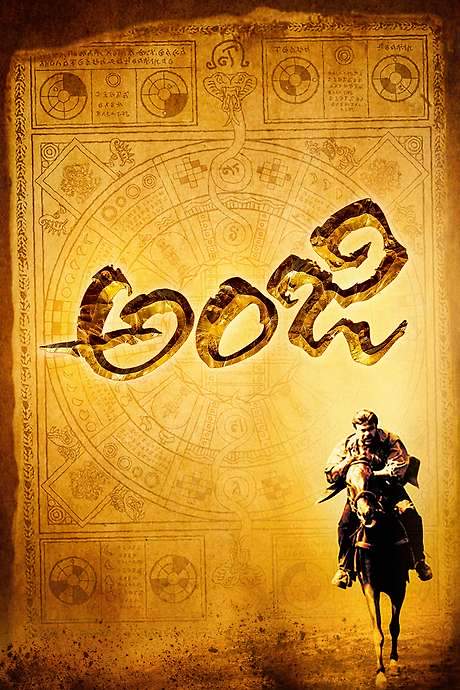
Anji
2004

Vengeance of an Assassin
2014

The Scorpion King 2: Rise of a Warrior
2008
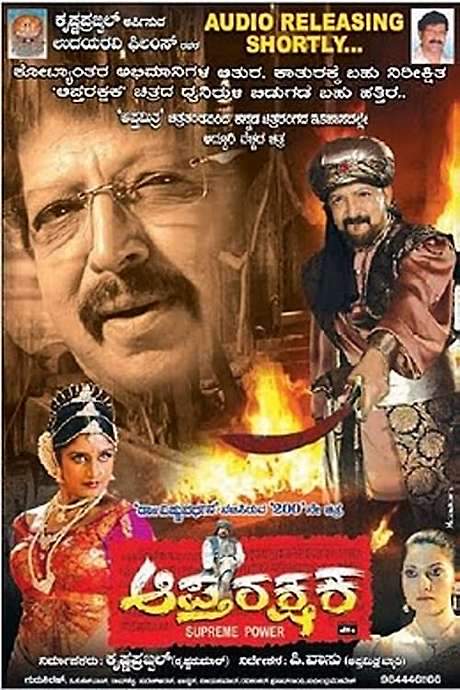
Aptharakshaka
2010

Saakshyam
2018

Dead Again
1991

Suryavanshi
1992

The Prophecy: Forsaken
2005

Magadheera
2009

The Scorpion King
2002

Home Sweet Home: Rebirth
2025
Narrative Summary
Stories in this thread typically follow a protagonist—often unknowingly connected to a past life—who is drawn into a conflict rooted in ancient wrongs. A mythic backstory, revealed through flashbacks or visions, provides the motive for a present-day quest for revenge or to protect a sacred artifact, leading to a climactic confrontation that resolves the karmic debt.
Why These Movies?
These movies are grouped together because they share a core narrative structure of past-life connections influencing the present. They create a specific, suspenseful atmosphere by merging spiritual concepts like reincarnation with tangible, high-stakes action, appealing to viewers who enjoy mythologically rich thrillers.
Suspenseful Revenge Thrillers like Nagarahavu
Driven by a profound wrong, the pursuit of justice is fraught with tension and moral weight.For viewers who liked the tense, high-stakes quest for vengeance in Nagarahavu, this section features movies with similar revenge-driven plots. These stories focus on a protagonist overcoming great obstacles to achieve justice, delivering a satisfying, suspenseful, and emotionally resonant experience.
Vengeance of an Assassin
2014

Honest Thief
2020

The Bad Guys: Reign of Chaos
2019
The Curse of King Tut’s Tomb
1000

Raw Justice
1994

Young and Innocent
1937

Detective Knight: Rogue
2022

The Vengeance of Ursus
1961

Relentless
1948

Bounty Tracker
1993

Trouble
2024
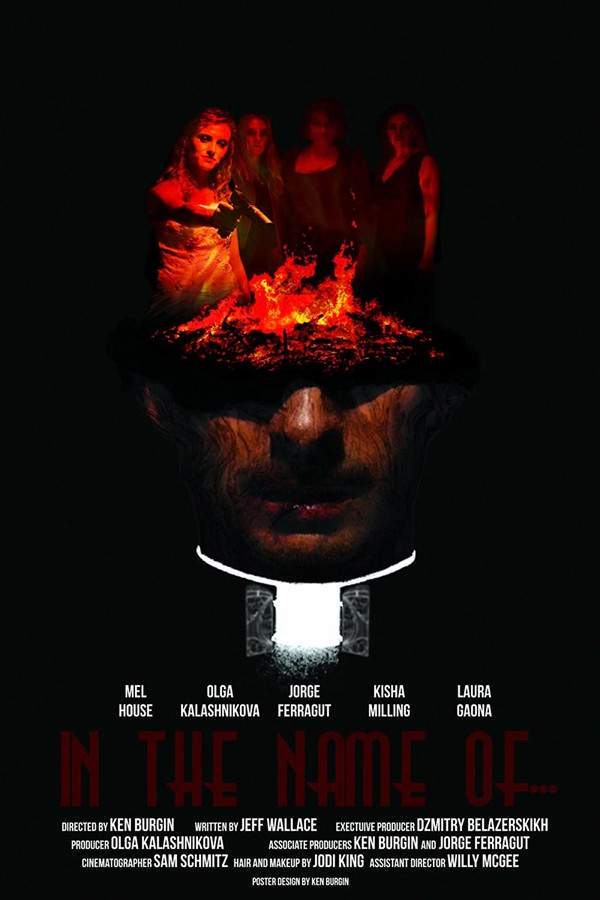
In the Name Of
2013

The Threat
1949

On Guard
1997

Roughshod
1949
Narrative Summary
The narrative pattern involves a clear inciting incident that creates a powerful motive for revenge. The protagonist, often an underdog, methodically or ferociously pursues the antagonists, facing significant danger and moral challenges. The pacing builds tension through a series of confrontations, leading to a final showdown that resolves the central conflict, typically with a sense of hard-won justice.
Why These Movies?
These films are united by their focus on revenge as a primary narrative engine. They share a tense tone, high emotional stakes, and a cathartic narrative arc where the pursuit of retribution is the central driving force, creating a cohesive experience for fans of the genre.
Unlock the Full Story of Nagarahavu
Don't stop at just watching - explore Nagarahavu in full detail. From the complete plot summary and scene-by-scene timeline to character breakdowns, thematic analysis, and a deep dive into the ending - every page helps you truly understand what Nagarahavu is all about. Plus, discover what's next after the movie.
Nagarahavu Summary
Read a complete plot summary of Nagarahavu, including all key story points, character arcs, and turning points. This in-depth recap is ideal for understanding the narrative structure or reviewing what happened in the movie.

Characters, Settings & Themes in Nagarahavu
Discover the characters, locations, and core themes that shape Nagarahavu. Get insights into symbolic elements, setting significance, and deeper narrative meaning - ideal for thematic analysis and movie breakdowns.


