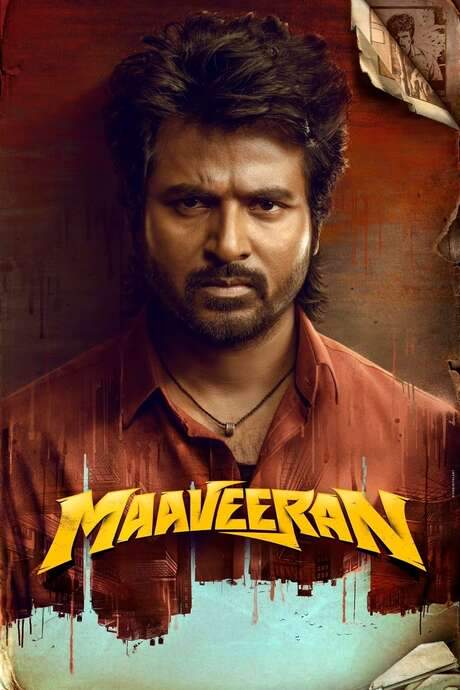
The film opens with Vinayachandran, an environmentalist, being murdered by the powerful real estate magnate Pushpam Prakashan, who is fiercely determined to push through his dream project, Pushpam Mall, regardless of the environmental and social costs. Vinayachandran’s opposition exposes a web of influence that feeds on money and power, with Prakashan enjoying backing from the ruling party, the police, and the corrupt Mayor Purushothaman. Once Prakashan sets his sights on something, he will pull every string to seize it for his own gain. His next target is the old man Damodaran’s house and the plot around it, which is home to Damodaran and his granddaughter Meera as they oppose another development scheme. Even when Damodaran reaches out to higher officials for help, he discovers that they are not protective figures but fellow allies of Prakashan. A night of violence ensues as Prakashan’s henchmen attack Damodaran and attempt to abduct Meera; in the struggle, Damodaran stabs himself and is hospitalized by Prakashan’s men to keep trouble away from the crime lord.
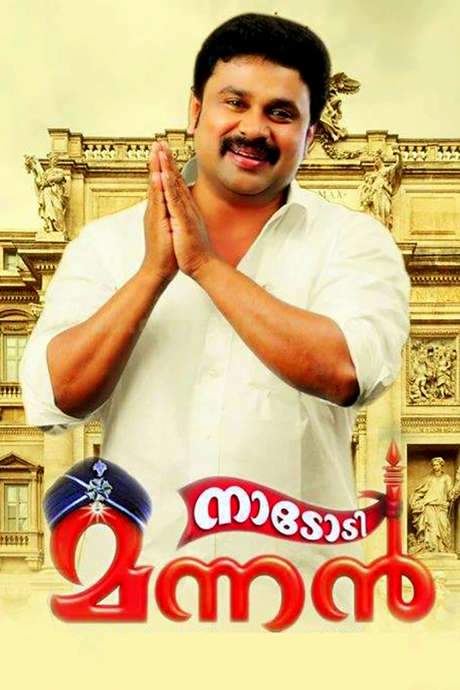
The story then shifts to Palakkad, where Padmanabhan—a carefree and cheerful man who leads a crew that performs roadside shows, organises mock political rallies, and stages marches for daily wages—lives a vivid, if imperfect, life. A call from Thiruvananthapuram asks him to mobilize his gang for a political rally in support of Purushothaman to bolster his image ahead of the election. Padmanabhan and his companions travel to Thiruvananthapuram, where he is injured in a bomb blast and ends up in the hospital. While recovering, his energy and charisma begin to draw people toward him, and both the people and the Travancore Thirumanassu Udaya Varma see leadership potential in him. Soon, he is urged to contest the upcoming election, and with the backing of a broad coalition, he wins and becomes the city’s mayor. The public greets him as a reformer who champions parks, public toilets, and other amenities, and he even urges communities to reclaim government-owned spaces for public use.
As Padmanabhan’s popularity grows, Prakashan tries to buy his loyalty with offers and bribes, but Padmanabhan stands firm in his new ideals. Tragedy strikes when Padmanabhan’s mother and his driver Subair are killed in an accident orchestrated by Kannappan, one of Prakashan’s henchmen, a blow that deepens Padmanabhan’s resolve for justice. With vengeance gnawing at him, he devises a plan to bring down Pushpam Mall for good. He hires a demolition firm and sets the building for destruction, determined to convert the site into a public park that serves the people.
As the demolition countdown begins, Prakashan resorts to kidnapping Thirumanassu to pull Padmanabhan away from the project. Padmanabhan rushes to the site to confront Prakashan and Kannappan, and a fierce fight ensues. In a tense moment, Kannappan is accidentally shot by Prakashan when he attempts to shoot Padmanabhan. Thirumanassu, realizing the consequences, urges him to let fate decide, and Padmanabhan replies with a quiet, determined resolve to act righteously. In a decisive move, Padmanabhan disables the elevator access by cutting Prakashan’s thumb, and the two escape just in time as the mall collapses in a dramatic explosion. The collapse kills Prakashan, while the mall is transformed into a lush public park, symbolizing a new beginning for the community.
> let god decide his fate
The aftermath centers on a city that has witnessed the fall of a corrupt empire and the rise of a leader who channels public good over private gain. The story blends tension, social commentary, and a climactic push to reclaim urban spaces for the people, all while underscoring the personal losses and sacrifices that accompany political and moral battles.