Plot Explained Spoilers guaranteed!
Plot Explained

Browse by genre

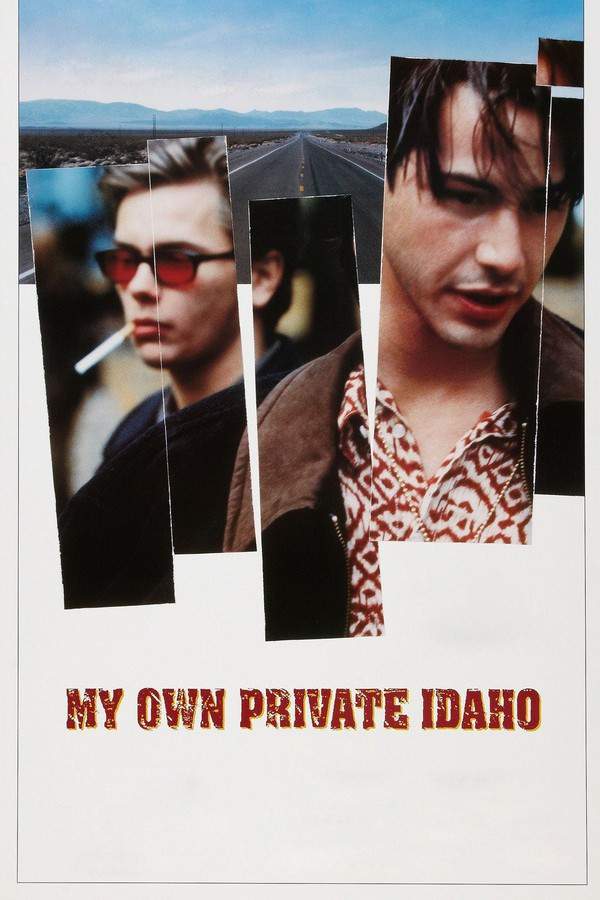
My Own Private Idaho (1991) movie poster

Plot Summary

My Own Private Idaho (1991) Plot Summary Explained

Release, runtime and language
1991 · 104 min · English
Loading streaming availability…
Directed by
Gus Van Sant
Starring
Keanu Reeves, River Phoenix

Mike and Scott, two young men, leave Portland on a journey across America, traveling as far as Idaho and Italy. They seek connection and escape as they grapple with hustling, substance abuse, and the complexities of their own identities. Their travels reveal hidden truths and force them to confront the challenges of their lives, searching for purpose and meaning along the way.

On this page (7)
  1. 1 Where to watch
  2. 2 What happens: full plot
  3. 3 Plot questions answered
  4. 4 The book behind the movie
  5. 5 Movie threads
  6. 6 Movies like My Own Private Idaho
  7. 7 Every angle
Loading streaming availability…

Full plot summary · contains spoilers

What Happens in My Own Private Idaho: Full Plot Summary

The whole story of My Own Private Idaho (1991) explained, from the opening scene to the final frame: every key event, every twist and what it all adds up to. Read it as a quick recap before the sequel, to check a scene you missed, or to finally understand what really happened.

Mike, a seasoned street hustler, finds himself standing alone on a barren stretch of highway, lost in contemplation as he gazes at the road, which he likens to a distorted visage. His moment of introspection is suddenly interrupted by a narcoleptic episode, whisking him away to a nostalgic dreamscape filled with memories from his childhood, complete with home movies and the comforting warmth of his mother's nurturing presence.

Upon awakening, Mike is in Seattle and returns to his nighttime profession. There, he has a chance encounter with a wealthy patron that leads him to her lavish mansion, where he reunites with his trusted friend Scott Favor and another hustler named Gary. Just as they are preparing for their assignation with the woman, Mike's narcolepsy strikes once more. When he regains consciousness the following day, he finds himself in Portland, Oregon, alongside Scott.

Their fleeting reunion is soon complicated by their encounter with Bob Pigeon, a middle-aged mentor to a ragtag group of street kids and hustlers living in an abandoned apartment building. As Mike and Scott navigate this new world, Scott confides in Bob about his imminent retirement from street life at the age of 21 when he comes into his father's inheritance. Meanwhile, Mike's longing for his mother deepens, prompting him and Scott to leave Portland and embark on a journey to Idaho to visit Mike's older brother, Richard.

During their road trip, Mike shares his romantic feelings for Scott but is met with Scott's gentle rejection, as he explains that he only seeks sexual encounters with men for financial purposes. The brothers' reunion is fraught with tension, particularly when Richard recounts a story about the man he claims is Mike's father, leading Mike to assert that he already knows the truth. When they visit their mother at work, they discover she has left for Italy in search of her own family, leading them to Hans, the elusive figure who had driven them to Portland.

With the financial assistance provided by Hans, Mike and Scott aim for Italy, hoping to resolve the mysteries surrounding Mike's past. Their travels take them to a picturesque farmhouse where Mike's mother once worked as a maid and English tutor. There, Carmela, a young woman, reveals that Mike's mother returned to the U.S. months ago, leaving Mike heartbroken and longing for closure.

While Scott and Carmela find love and prepare to return to the U.S., Mike is left alone to reckon with his feelings of loss. The inevitability of life's complexities become painfully apparent when Scott learns of his father’s death and the inheritance that follows. Meanwhile, Bob and his crew converge at a Portland eatery, where they encounter a changed Scott, his determination unbroken despite their attempts to sway him. However, the evening takes a tragic turn when Bob's health deteriorates, culminating in a fatal heart attack that sees the once indomitable hustler slipping away like grains of sand in an hourglass.

The following day, Bob's gang gathers for a raucous funeral that would make any seasoned funeral director blush. Just yards away, Scott stands solemnly at his father's grave, his expression a poignant reminder of the grief and introspection he carries. The contrast between these two funerals serves as a stark illustration of the diverging paths that once united these lives.

As Mike once again traverses the desolate Idaho highway, his narcoleptic episodes intensify, leaving him increasingly vulnerable to fate's whims. Two strangers, lured by adventure, pull up in a truck and mistakely claim Mike's backpack and shoes, vanishing into the horizon like phantoms. The silence that follows is interrupted by an unidentified figure in a car who gently retrieves the unconscious Mike, whisking him away and leaving a trail of unanswered questions and unwritten intentions in their wake.

Last updated: November 22, 2024 at 10:53

Was this helpful?

Plot questions answered

My Own Private Idaho Plot Explained: Your Questions Answered

The questions people ask most about My Own Private Idaho (1991): what happens in the confusing scenes, why the characters do what they do, the twists, hidden details and what the ending means. Each answer contains spoilers.

Q1

Why does Scott reject Mike's romantic feelings?

Scott tells Mike directly that he only has sexual encounters with men for financial gain, not genuine romantic or emotional connection. This reflects Scott's pragmatic view of his hustling life, he separates sex from emotion entirely, seeing his relationships purely as transactions. Despite years of friendship with Mike, Scott does not reciprocate romantic love and views their intimacy as part of his work, not personal desire.

Foreshadowing: Earlier scenes show Scott treating his hustling with detached professionalism, never engaging emotionally with clients.

  • scott favor
  • mike waters
  • rejection
  • love
  • hustling
  • unrequited love
Q2

Why is Mike so determined to find his mother?

Mike's search stems from deep childhood trauma, he was abandoned by his mother at a young age and has spent his life idealizing her through nostalgic narcoleptic dreams. These dreams consistently portray her as warm and nurturing, representing the maternal love he never received. His journey to Idaho and then Italy is driven by an urgent need for closure, to understand why she left and whether she still cares about him.

Foreshadowing: Mike's opening narcoleptic episode transports him to childhood memories of his mother's love, establishing her central role in his psychology.

  • mike waters
  • mother
  • abandonment
  • childhood
  • search
  • family
Q3

What happens to Bob Pigeon in the film?

Bob Pigeon dies of a heart attack in a Portland eatery while meeting with his crew. The once-vibrant mentor to street kids succumbs to health problems, marking a tragic end to his role as a father figure for the hustlers. His death occurs while Scott is in Italy, and the film contrasts Bob's raucous funeral with Scott's somber attendance at his own father's grave nearby.

Foreshadowing: Bob's age and health concerns were established earlier when he introduced himself to Mike and Scott in Portland.

  • bob pigeon
  • death
  • heart attack
  • portland
  • hustlers
  • mentor
Q4

What happens to Mike at the end of the movie?

After his belongings are stolen by strangers, Mike collapses from a narcoleptic episode on the Idaho highway. A mysterious figure in a car discovers the unconscious Mike and takes him away. The film deliberately leaves his fate uncertain, is he being rescued, harmed, or simply helped? This ambiguity reinforces the film's themes of vulnerability, chance, and the uncontrollable nature of life for someone like Mike.

Foreshadowing: Mike's narcolepsy has repeatedly placed him in vulnerable positions throughout the film, at the mercy of others.

  • mike waters
  • ending
  • stranger
  • ambiguous
  • idaho
  • fate
Q5

Why does Scott want to retire from hustling?

Scott plans to leave street life when he turns 21 because he will then receive his father's substantial inheritance. Unlike Mike, Scott sees hustling as a temporary means to an end, not a permanent identity. He confides in Bob Pigeon that he intends to use the inheritance to transform his life and escape the poverty and exploitation of the streets. His father's death accelerates this transition.

Foreshadowing: Scott's wealthy father and his plan to claim the inheritance are mentioned early in the film.

  • scott favor
  • retirement
  • inheritance
  • father
  • hustling
  • future
Q6

What does Mike learn about his father?

During the Idaho trip, Mike's brother Richard tells him a story about the man Richard claims is Mike's father. Mike responds that he already knows the truth, suggesting he is aware of or has accepted something about his paternity that Richard is just now revealing. The film keeps the specific details ambiguous, but Mike's knowing response implies he has already processed this painful knowledge rather than learning something new.

Foreshadowing: Mike's psychological complexity and fragmented memories hint at unresolved family trauma.

  • mike waters
  • father
  • richard
  • family truth
  • revelation
Q7

Why does the film keep returning to the Idaho highway?

The Idaho highway represents Mike's existential crossroads and his feeling of being lost between past and present. The opening and closing scenes both feature Mike standing alone on this barren stretch, comparing the road to a distorted visage, symbolizing his confusion about identity, belonging, and purpose. The highway becomes a visual metaphor for his journey through life, constantly moving but never arriving at destination or closure.

Foreshadowing: The opening scene establishes the highway as Mike's symbolic backdrop for introspection.

  • idaho
  • highway
  • symbolism
  • lost
  • journey
  • mike waters
Q8

Why do Mike and Scott travel to Italy?

After learning in Idaho that Mike's mother has gone to Italy, Mike decides to follow her there. Hans, the man who drove the brothers to Portland years earlier, provides financial assistance for the trip. Mike hopes to finally reunite with his mother and get answers about his past. However, at the Italian farmhouse where his mother once worked, he discovers she has already returned to the United States months ago, leaving him heartbroken once again.

Foreshadowing: The search for Mike's mother drives his decision to leave Portland.

  • mike waters
  • italy
  • mother
  • farmhouse
  • search
  • hans
Q9

What is the significance of the two funerals at the end?

The film ends with two simultaneous funerals in Portland: Bob Pigeon's wild, chaotic celebration of life among the street community, and Scott's solemn mourning at his wealthy father's grave. This stark contrast illustrates the diverging paths of the characters, Scott is leaving the street world behind to join his father's social class, while Bob's world dies with him. The parallel editing emphasizes how the same world is ending for some while transforming for others.

Foreshadowing: Bob and Scott's different relationships to money and society were established throughout the film.

  • bob pigeon
  • scott favor
  • funeral
  • contrast
  • diverging paths
  • portland
Q10

Why does Scott attend his father's funeral?

Scott learns of his father's death while in Italy and returns to Portland specifically to attend the funeral. This moment marks his formal transition from street hustler to heir of his father's wealth and social position. Standing at his father's grave represents Scott's acceptance of the life he was born into rather than the one he chose on the streets. The timing, occurring alongside Bob's funeral, underscores the final break with his past.

Foreshadowing: Scott's plan to claim his inheritance at 21 establishes his connection to his father's death.

  • scott favor
  • father
  • funeral
  • inheritance
  • death
  • transition

Movie threads

More Movies Like My Own Private Idaho, by Mood & Story

Curated lists built around what makes My Own Private Idaho tick: the same mood, the same kind of story or the same emotional payoff. Each list explains why these movies belong together.

Movies with a Dreamlike Journey like My Own Private Idaho

Drifting characters search for connection in a world that feels surreal and distant. If you liked the dreamlike, drifting quality of My Own Private Idaho, explore other movies that capture a similar sense of alienation and surreal searching. These films often feature wandering characters, melancholic tones, and a feeling of being untethered from the world.

  • dreamlike
  • lonely
  • searching
  • melancholic
  • introspective
  • nostalgic
  • Tone: melancholic, dreamlike
  • Pacing: variable, drifting
Why these movies?

The story pattern: These narratives follow protagonists on open-ended journeys where the physical travel mirrors a psychological search for meaning or home. The plot is often episodic and reflective, prioritizing mood and character introspection over a tightly-woven plot, leading to ambiguous or bittersweet conclusions.

Why they belong together: These films are grouped by their shared, pervasive mood of melancholic alienation. They utilize variable pacing, weaving together quiet, introspective moments with bursts of action, all set against a backdrop that feels both gritty and surreal.

Gritty Stories of Found Family like My Own Private Idaho

Damaged individuals form fragile bonds on the margins of society. Fans of the complex friendship and street life in My Own Private Idaho will find similar themes in these movies about found families. These films explore the deep bonds formed by marginalized characters, often with heavy emotional weight and bittersweet endings.

  • gritty
  • vulnerable
  • found family
  • street life
  • emotional
  • complex relationships
  • Tone: melancholic, gritty
  • Pacing: variable, character-driven
Why these movies?

The story pattern: The narrative focuses on the formation, trials, and often dissolution of deep but unstable relationships between outsiders. Central conflicts arise from the clash between the need for connection and the harsh realities of their environment, exploring themes of loyalty, sacrifice, and unrequited love.

Why they belong together: This thread groups movies that share a specific world and character dynamic: a gritty, often urban setting where emotionally vulnerable characters create their own support systems. The tone is consistently melancholic or bittersweet, dealing with heavy themes like trauma and survival.

If you liked this

Movies Like My Own Private Idaho

Similar movies to My Own Private Idaho: the same genre, themes or kind of story. Each one comes with its own plot summary, timeline and ending explained.

Browse all movie summaries

Every angle

My Own Private Idaho (1991) Explained: Plot, Timeline & Characters

Everything about My Own Private Idaho in one place: what happens in the plot summary, the timeline in chronological order, the characters and meaning and a spoiler-free summary. What's After the Movie adds the cast, box office and post-credit scenes.

Coming soon on iOS and Android

The Plot Explained Movie Summary App

Plot summaries, endings explained and timelines on your phone. Catch up on any movie in minutes, save your favorites and never miss a twist again.

Be the first to know when we launch. Your email stays private, always.

Learn more about the app