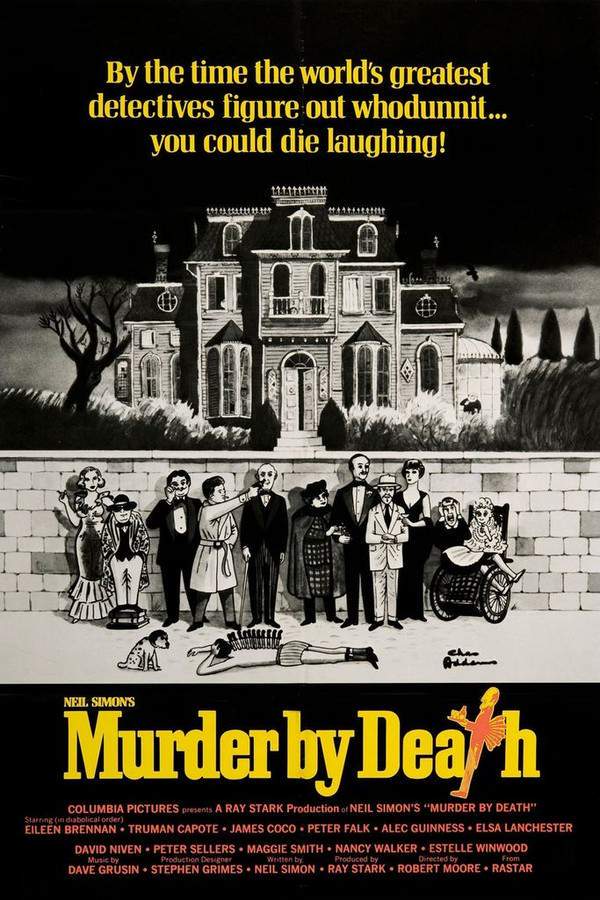
Jason Bernardo and Jessicah Neufeld portray Nick and Lana, a financially strapped couple living in a cramped Los Angeles apartment complex who livestream their daily lives to an online audience. Their channel thrives on candid updates, intimate moments, and the buzz of a community that feels like a front-row seat to their lives. When a neighbor is found dead, the formal investigation stalls, pushing Nick and Lana to take matters into their own hands. Their approach is inventive and unsettling: they transform evenings into disguised cocktail gatherings, inviting fellow residents into their apartment under the pretense of socializing, while they quietly question guests, watch their reactions, and try to piece together what happened. The façade of warmth and camaraderie gradually becomes a surveillance operation, turning the apartment into a micro-stage where every gesture, every pause, and every whispered compliment is weighed for clues.
As the nights go on, the veneer of friendliness unravels. Hidden resentments that have long simmered beneath the surface begin to surface in front of the camera-and-audience dynamic they've cultivated. Personal conflicts among neighbors come to light, fueled by jealousy, past grievances, and competing ambitions, and the boundaries between ordinary socializing and prying become increasingly blurred. The couple’s own relationship buckles under the pressure: obsessions grow, the demand for content becomes a consuming force, and ethical lines once clear become murky in the glare of public attention. The more they chase answers, the more the line between documenting a tragedy and living through it begins to erode, underscoring a central tension of the story: is there a responsibility to the truth, or is there more value in the spectacle?
The tension culminates in a revelation that reframes everything the audience has watched. Rosie, Lucy Boryer, a quiet and outwardly friendly neighbor, is revealed as the murderer. Her actions are driven by an intense fixation on Lana. She idolized Lana’s confidence and online persona while simultaneously resenting her warmth, visibility, and perceived ease. Feeling overlooked and inferior by comparison, Rosie’s admiration morphs into deep-seated hostility, and that hostility erupts in a violent act. The film uses this twist to explore how a community’s appetite for triumphs and confessions can be poisoned by jealousy, how a private fixation can escalate into danger, and how a tragedy that began as a story for online consumption can leave lasting scars on everyone involved.
Throughout, the narrative maintains a measured, observant tone, presenting the unfolding drama with a careful eye on motive, consequence, and the ever-present divide between entertainment and real harm. The apartment complex, once a backdrop for lighthearted livestreams, becomes a space where ambition, desperation, and the pursuit of connection collide, inviting reflection on how easily people can cross ethical lines when an audience is watching.