Plot Explained Spoilers guaranteed!
Plot Explained

Browse by genre

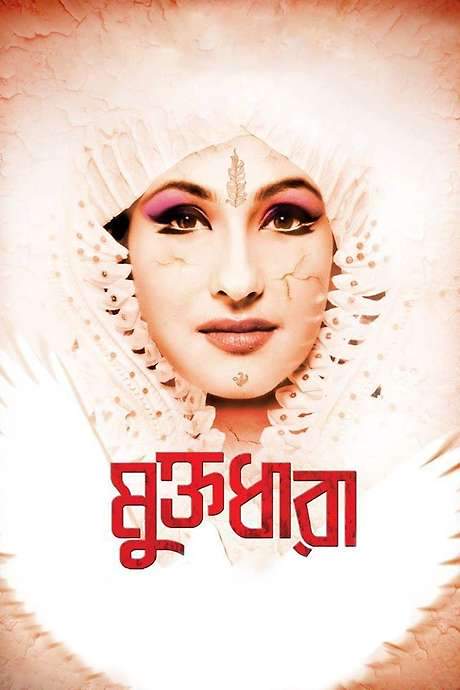
Muktodhara (2012) movie poster

Characters & Themes

Muktodhara (2012) Characters, Setting & Themes Explained

Release, runtime and language
2012 · 160 mins · Bengali, Bangla
Directed by
Nandita Roy
Starring
Kharaj Mukherjee, Biswajit Chakraborty, Rituparna Sengupta, Mithu Chakrabarty, Rajat Ganguly, Bratya Basu

This 2012 Bengali film portrays the lives of prisoners within the historic Presidency Jail. The story explores their individual journeys of reform as they grapple with their pasts and strive for a better future. Directed by Shiboprosad Mukherjee and Nandita Roy, the film offers a glimpse into the daily routines and emotional struggles of those seeking redemption within the correctional facility.

On this page (6)
  1. 1 Characters explained (4)
  2. 2 Where & when it takes place
  3. 3 Themes & meaning (3)
  4. 4 Character & meaning questions
  5. 5 Movie threads
  6. 6 Every angle

4 main characters · contains spoilers

Muktodhara Characters Explained: Who Is Who

The main characters of Muktodhara (2012), heroes and villains: what drives them, how they change over the course of the story and what each of them reveals about the film's bigger ideas.

  • Niharika Chatterjee

    played by Rituparna Sengupta

    Niharika, wife of public prosecutor Arindam Chatterjee, is unhappy in her marriage and channels her talents into a rehabilitation project. She organizes events for physically challenged women and spearheads the plan to stage a prison play, guiding the inmates with compassion and a reformist vision while keeping her husband in the dark. Her drive centers on using art to foster social change.

    • 🎭 Drama teacher
    • 💪 Empowerment
    • 🤝 Reform advocate
  • Arindam Chatterjee

    played by Bratya Basu

    Arindam is a dominating public prosecutor who embodies traditional masculine authority. His marriage to Niharika is strained as she pursues reformist ideas away from his knowledge. The tension between professional power and personal control frames both their relationship and the broader context of the jail reform effort.

    • ⚖️ Legal authority
    • 🧍‍♂️ Domineering husband
    • 🧭 Traditionalism
  • Brij Narayan Dutta

    played by Debshankar Haldar

    Brij Narayan Dutta is the Inspector General of correctional cells, a reform-minded official who sees potential in the inmates. He supports Niharika’s idea to stage a play as a path to rehabilitation and guides the project within the jail’s confines.

    • 🛡️ Reform-minded official
    • 🏛️ Correctional leadership
    • 🤝 Mentoring inmates
  • Riki alias Yusuf Mohammad Khan

    played by Nigel Akkara

    Yusuf Mohammad, known as Riki, is a notorious criminal who gradually changes as Niharika trains him for the stage production. His arc is driven by guilt and a growing sense of responsibility, culminating in a choice to complete the play rather than escape.

    • 💥 Criminal mastermind
    • 🎭 Transformation through art
    • 🕊️ Guilt and redemption

Last updated: March 05, 2026 at 18:33

Was this helpful?

Setting

Where and When Does Muktodhara Take Place?

The setting of Muktodhara (2012): the year and time period, the places and locations, and how they shape the characters, the mood and the tension of the story.

Time period

Location

West Bengal, India

The story unfolds within the correctional system of West Bengal, focusing on the inmates and the officials who oversee them. The prison environment provides a stark backdrop where art and reform theory are tested in practice. The setting highlights a social reform effort driven by a reform-minded official and a devoted partner, against the backdrop of a domestic and institutional power structure.

  • 🏢 Prison environment
  • 🌆 West Bengal setting
  • 🎭 Drama

Last updated: March 05, 2026 at 18:33

Was this helpful?

3 major themes

Muktodhara Meaning: Themes & Message Explained

What is Muktodhara (2012) really about? The emotional, social and philosophical themes the film keeps returning to, its symbolism and the message beneath the surface.

  • Redemption

    Art becomes a catalyst for personal transformation as Niharika works with inmates to stage a play. Yusuf Mohammad's arc moves from notoriety toward moral reconsideration, propelled by guilt and the chance to redeem himself. The escape plan tests their resolve, but returning to finish the play emphasizes redemption through responsibility and humanity.

  • Reform and Authority

    The narrative juxtaposes reformist impulses with power dynamics within the family and the correctional system. Brij Narayan Dutta uses his position to advocate rehabilitation, while Arindam's domineering attitude provides a counterpoint to reform efforts. The collaboration between Niharika and the jail system demonstrates how reform can originate from outside the walls, challenging institutional limits.

  • Art as Liberation

    The staging of Valmiki-Pratibha inside the jail becomes a vehicle for self-expression and dignity among inmates. Niharika's training turns prisoners into performers, giving them a voice they might not have in confinement. Yusuf's evolving character is tied to the creative process rather than criminal identity. The act of making theatre serves as a liberating force within the penal context.

Last updated: March 05, 2026 at 18:33

Was this helpful?

Character & theme questions

Muktodhara Characters & Meaning: Your Questions Answered

The questions people ask about Muktodhara (2012): who the characters really are, their relationships, what the symbols mean, where it takes place and what the movie is really about. Each answer contains spoilers.

Q1

Where is the movie set?

Muktodhara takes place within the correctional system of West Bengal, India, specifically focusing on the inmates and officials at Presidency Jail. The story unfolds in the prison environment, which serves as both a literal setting and a symbolic backdrop for the themes of transformation and redemption.

  • presidency jail
  • west bengal prison
  • setting
  • bengal correctional system
Q2

Who is Niharika Chatterjee in the movie?

Niharika Chatterjee is the wife of public prosecutor Arindam Chatterjee. Unhappy in her marriage, she channels her energy into social reform work, organizing events for physically challenged women. She spearheads the plan to stage a play inside the prison, guiding inmates with compassion and a reformist vision while keeping her husband unaware of her activities.

  • niharika chatterjee
  • protagonist
  • prison reform
  • theater project
Q3

Who is Yusuf Mohammad Khan (Riki) in the story?

Yusuf Mohammad Khan, known as Riki, is a notorious criminal inmate at the prison who undergoes significant personal transformation. As Niharika trains him for the stage production, his arc moves from notoriety toward moral reconsideration, driven by guilt and the opportunity to redeem himself through the creative process.

  • yusuf mohammad khan
  • riki
  • prisoner transformation
  • criminal redemption
Q4

What is the redemption theme in Muktodhara?

Redemption serves as a central theme, embodied primarily through Yusuf Mohammad's arc. His journey moves from criminal notoriety toward moral reconsideration, propelled by guilt and the chance to redeem himself. The theme is reinforced when prisoners choose to return and complete the play rather than escape, emphasizing redemption through responsibility and humanity.

  • redemption
  • moral transformation
  • second chance
  • personal change
Q5

How does the movie explore reform and authority?

The film juxtaposes reformist impulses with power dynamics within the family and correctional system. Brij Narayan Dutta, the Inspector General, uses his position to advocate rehabilitation, while Arindam's domineering attitude provides a counterpoint. The collaboration between Niharika and the jail system demonstrates how reform can originate from outside the walls, challenging institutional limits.

  • reform
  • authority
  • rehabilitation
  • prison system
  • institutional change
Q6

What does art as liberation mean in the movie?

Art as Liberation theme is explored through the staging of the play Valmiki-Pratibha inside the jail. Niharika's theatrical training turns prisoners into performers, giving them a voice they might not have in confinement. The creative process becomes a liberating force that ties Yusuf's evolving character to self-expression rather than his criminal identity.

  • theater
  • art therapy
  • self-expression
  • prison performance
  • creative liberation
Q7

Who is Brij Narayan Dutta?

Brij Narayan Dutta is the Inspector General of correctional cells in West Bengal. He is a reform-minded official who sees potential in the inmates and supports Niharika's idea to stage a play as a path to rehabilitation. He guides the theatrical project within the jail's confines, representing the possibility of change within the institutional system.

  • brij narayan dutta
  • inspector general
  • prison official
  • reform advocate
Q8

Who is Arindam Chatterjee?

Arindam Chatterjee is a dominating public prosecutor and the husband of Niharika. He embodies traditional masculine authority and represents the power structure that Niharika works against. His marriage to Niharika is strained as she pursues reformist activities away from his knowledge, creating tension between professional power and personal control.

  • arindam chatterjee
  • public prosecutor
  • authority
  • power dynamics
Q9

How does the prison setting shape the movie's message?

The prison environment provides a stark backdrop where reform theory is tested in practice. The setting highlights a social reform effort driven by Brij Narayan Dutta and Niharika against institutional and domestic power structures. The constraints of confinement make the theatrical transformation more meaningful, showing how art and compassion can exist even in restrictive environments.

  • prison setting
  • social reform
  • institutional environment
  • correctional facility
Q10

What are the main themes of the movie?

Muktodhara explores three interconnected themes: Redemption through the transformation of inmates like Yusuf; Reform and Authority which examines the tension between institutional power and progressive change; and Art as Liberation, showing how theatrical performance provides voice and dignity to prisoners. These themes converge to deliver a hopeful message about human potential.

  • themes
  • redemption
  • reform
  • art liberation
  • movie meaning
Q11

What type of film is Muktodhara?

Muktodhara is a 2012 Bengali crime drama directed by Shiboprosad Mukherjee and Nandita Roy. The film portrays the lives of prisoners within Presidency Jail, exploring their individual journeys of reform as they grapple with their pasts and strive for a better future through emotional struggles and personal transformation.

  • bengali film
  • crime drama
  • prison movie
  • indian cinema

Movie threads

More Movies Like Muktodhara, by Mood & Story

Curated lists built around what makes Muktodhara tick: the same mood, the same kind of story or the same emotional payoff. Each list explains why these movies belong together.

Movies about redemption through art like Muktodhara

Characters find forgiveness and purpose by creating something beautiful together. If you enjoyed the transformative power of theatre in Muktodhara, explore other films where creativity becomes a tool for redemption. Discover movies like Muktodhara that focus on characters finding hope and purpose through artistic expression.

  • redemption
  • theatrical
  • uplifting
  • cathartic
  • personal growth
  • second chances
  • Tone: hopeful, uplifting, reflective
  • Pacing: steady, methodical
Why these movies?

The story pattern: These stories follow characters who are initially defined by their flaws, failures, or circumstances. Through engagement with an artistic process—be it theatre, music, or another creative form—they confront their past, connect with others, and ultimately perform or create something that symbolizes their inner transformation.

Why they belong together: Movies are grouped here because they share a central theme of art as a catalyst for personal reform. They balance emotional struggle with a hopeful, often uplifting, tone, focusing on the collaborative and cathartic process of creation.

Hopeful prison dramas and institutional stories like Muktodhara

Stories of reform and human connection within rigid systems. For viewers who liked the hopeful tone of Muktodhara, this section features movies set in prisons and other institutions that emphasize redemption and reform. Find more films like Muktodhara that explore positive change within structured environments.

  • prison life
  • reform
  • hope
  • redemption
  • institution
  • second chances
  • Tone: hopeful, thoughtful, gritty
  • Pacing: steady, character-driven
Why these movies?

The story pattern: The narrative typically unfolds within a strict institutional setting that initially seems bleak. The focus shifts to reformers—whether staff or inmates—who champion rehabilitation and human dignity. The plot follows the challenges and small victories of implementing positive change, culminating in a sense of hard-won hope.

Why they belong together: These films are grouped together because they share a specific tone: they are set in potentially grim locations but are driven by a core of optimism. The pacing is steady as it builds character relationships, and the emotional weight is balanced with a ultimately positive outcome.

Every angle

Muktodhara (2012) Explained: Plot, Timeline & Characters

Everything about Muktodhara in one place: what happens in the plot summary, the timeline in chronological order, the characters and meaning and a spoiler-free summary. What's After the Movie adds the cast, box office and post-credit scenes.

Coming soon on iOS and Android

The Plot Explained Movie Summary App

Plot summaries, endings explained and timelines on your phone. Catch up on any movie in minutes, save your favorites and never miss a twist again.

Be the first to know when we launch. Your email stays private, always.

Learn more about the app