-t1ltQ8ph-m1BPA.jpg)
Mother(s)

Eight-year-old Aida's life is upended when her father returns from Senegal with a surprising addition to their family – Rama, whom he introduces as his new wife. Witnessing her mother's distress, the sensitive Aida feels compelled to take action and attempts to remove the unexpected visitor. The arrival of Rama disrupts the established routines and creates tension within the Parisian household, forcing Aida and her family to confront new dynamics and challenges.
Where to Watch Mother(s)?
Find where to stream, rent, or buy Mother(s) (2015) in the US with current JustWatch availability, up-to-date pricing, and platform listings for subscription, rental, and digital purchase options.











Streaming availability powered by 
Warning: spoilers below!
Haven’t seen Mother(s) yet? This summary contains major spoilers. Bookmark the page, watch the movie, and come back for the full breakdown. If you're ready, scroll on and relive the story!
Timeline – Mother(s) (2015)
Trace every key event in Mother(s) (2015) with our detailed, chronological timeline. Perfect for unpacking nonlinear stories, spotting hidden connections, and understanding how each scene builds toward the film’s climax. Whether you're revisiting or decoding for the first time, this timeline gives you the full picture.
Last updated: October 01, 2025 at 13:07
Mother(s) (2015) Timeline Questions Answered – Chronology FAQ
Find frequently asked questions about the Mother(s) (2015) timeline, including chronological order, nonlinear jumps, cause-and-effect links, and scene sequence clarifications. This timeline FAQ helps explain when key events happen, how moments connect, and why the story unfolds in that specific order.
Why does Him allow the fans to stay despite Mother's objections?
Him allows the fans to remain because his creative inspiration depends on their adulation and worship. As a poet who had experienced writer's block, he needs the validation of his audience to create. When Man reveals he is a dying fan whose wish was to meet Him, Him feels compelled to grant this request, prioritizing his role as a creator over Mother's need for a private, peaceful home.
The earlier moment when Him's poem is published to acclaim and sells well sets up his dependency on external validation.
What happens to the baby when Him gives it to the crowd?
After Mother falls asleep, Him takes the newborn outside to the waiting fans. The crowd passes the infant around in a frenzy of excitement, inadvertently killing the child. Mother later finds people literally eating her son's mutilated corpse, leading to her violent confrontation with the group.
Earlier scenes show the fans' escalating intrusions and disregard for the house's boundaries, foreshadowing this ultimate violation.
What is the crystal that Him places on the pedestal?
The crystal is a magical object that appears to be the source of the house's transformation. When Him places it on the pedestal in his study, the burned-out ruin becomes a beautiful Edenic home. The crystal seems to represent creative power or divine ability to reshape reality. When it is shattered by Man and Woman, Him becomes enraged and seals his study.
At the end, Him removes Mother's heart and reveals a new crystal inside her chest, suggesting the crystal may be connected to life force itself.
Why does Mother set fire to the house at the end?
Mother sets fire to the oil tank in the basement after the crowd beats her savagely and she discovers they have killed and are eating her infant son. Overcome with grief and rage, she ignites the oil to destroy the crowd and the house itself, seeking vengeance for the loss of her child.
Earlier, Mother discovers the hidden oil tank while cleaning up blood from the earlier violent incident, establishing it as a destructive force waiting to be used.
What does Him mean when he says "I am I"?
When Him tells Mother "I am I" after the explosion, he seems to be asserting his identity as a creator or god-like figure. He also tells her she is "home," suggesting a metaphysical dimension to their relationship. The phrase emphasizes his self-existence and perhaps his detachment from human morality or consequences.
This moment connects to the opening transformation where Him uses the crystal to create reality, establishing his god-like creative powers.
What is the beating heart that Mother sees inside the walls?
The beating heart Mother perceives within the house's walls appears to be a manifestation of the life force that Him has invested in the home through his creative power. It may represent the collective life of everyone within the house, or the creative energy that sustains the transformed reality. The heart recurs as a motif linking Mother to the house itself.
At the end, Him removes Mother's actual heart to reveal the crystal, suggesting her life force was literally tied to the house.
Why does Him take the newborn away from Mother to give to the crowd?
Him takes the baby because his need for his fans' worship outweighs his protective duty as a father. When the crowd demands to see the newborn, Him cannot refuse them, he values their adulation above all else. He appears unable to resist the demands of his followers, even when they lead to tragedy.
Earlier, Him begs Mother to let Man and Woman stay despite her objections, showing his pattern of prioritizing fans over her needs.
Is Mother reborn at the end of the movie?
After the explosion, Him removes Mother's heart from her chest and places a new crystal on the pedestal, which transforms the destroyed house back into a beautiful home. A new Mother then appears in the bed, awakened and wondering where Him is, suggesting a literal rebirth or reset of the cycle.
The story ends as it begins, with Mother waking and calling for Him, establishing the cyclical nature of creation and destruction.
Why do the fans become violent and cult-like?
The fans evolve into a violent cult because of their obsessive worship of Him as a poet and creator. His publicist organizes mass executions, and military forces arrive to battle the cult members. The transformation from adoring fans to dangerous cult reflects the dangers of unchecked idolization and how creative genius can inspire dangerous devotion in others.
Earlier scenes show fans intruding on the couple's private space with increasing boldness, demonstrating their escalating sense of entitlement.
Why does Him remove Mother's heart at the end?
Him removes Mother's heart to access or reveal a new crystal object hidden inside her chest. This act appears to be necessary to restart the cycle, placing the crystal on the pedestal restores the house to its beautiful state. This suggests Mother herself was the vessel for the creative force, or that her love was literally crystallized into the object that powers their reality.
The beating heart motif that Mother experiences throughout the story foreshadows this literal connection between her heart and the house's life force.
How does the house transform from burned ruins to a beautiful home?
The transformation occurs when Him places a crystal object on a pedestal in his study. The burned-out, ruined house instantly morphs into a beautiful home set in an Edenic landscape. This magical transformation suggests Him possesses god-like creative abilities, the power to reshape reality through his art.
The ending mirrors this transformation when a new crystal is placed on the pedestal to restore the house again after its destruction.
Why do Mother and Him argue then have passionate sex after the mourners arrive?
After Mother confronts Him about allowing the rude mourners inside and ignoring her needs, their argument erupts into passionate love-making. This chaotic intimacy reflects their turbulent relationship, conflict and passion intertwined. The moment also results in Mother becoming pregnant, giving Him new creative inspiration.
This passionate encounter leads directly to the pregnancy that becomes central to the film's tragic climax.

Explore Movie Threads
Discover curated groups of movies connected by mood, themes, and story style. Browse collections built around emotion, atmosphere, and narrative focus to easily find films that match what you feel like watching right now.
Movies about domestic tension and psychological collapse like Mother(s)
Stories where the sanctuary of home becomes a pressure cooker of psychological tension. If you liked the escalating psychological tension and family breakdown in Mother(s), you'll find similar stories here. These movies often feature a home invaded by external forces or internal strife, leading to a bleak and heavy exploration of domestic life pushed to its limits.





Narrative Summary
Narratives in this thread typically begin with an established, often idyllic, domestic setting that is systematically disrupted. The intrusion—whether a person, an idea, or a past trauma—acts as a catalyst, escalating tensions and exposing hidden fractures within the family unit, often leading to irreversible collapse.
Why These Movies?
These films are grouped together because they share a core focus on the psychological unraveling within a domestic space. They possess a dark tone, high emotional weight, and use the home as a microcosm for larger, often fatalistic, conflicts about identity, loyalty, and survival.
Movies with surreal tragic cycles like Mother(s)
Films that use surrealism to depict inescapable loops of trauma and fate. For viewers who appreciated the surreal, dreamlike quality and the cyclical narrative structure of Mother(s). These films often explore heavy themes like obsession and trauma through a non-linear or symbolic lens, resulting in a complex and bleak viewing experience.

Beau Is Afraid
2023

Mulholland Dr.
2001
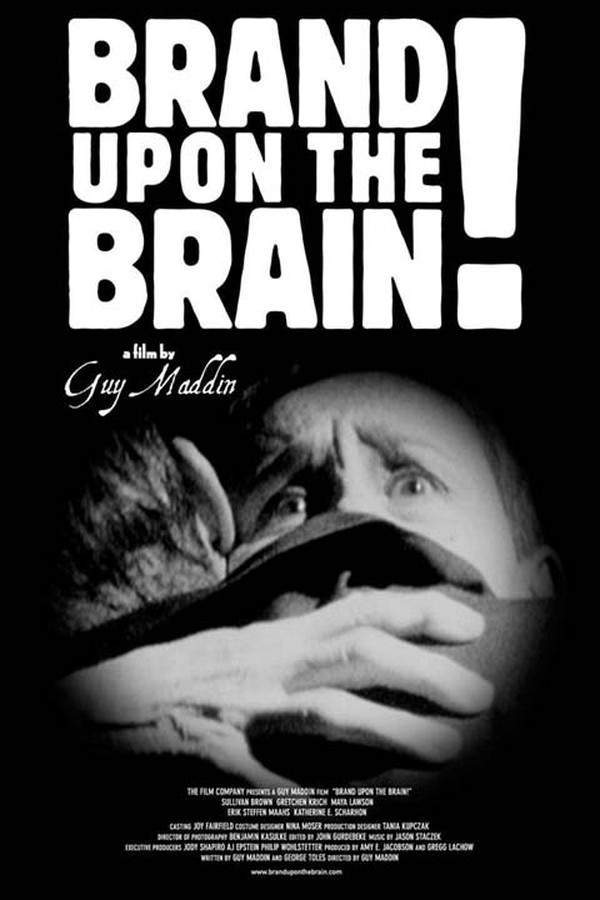
Brand Upon the Brain!
2007
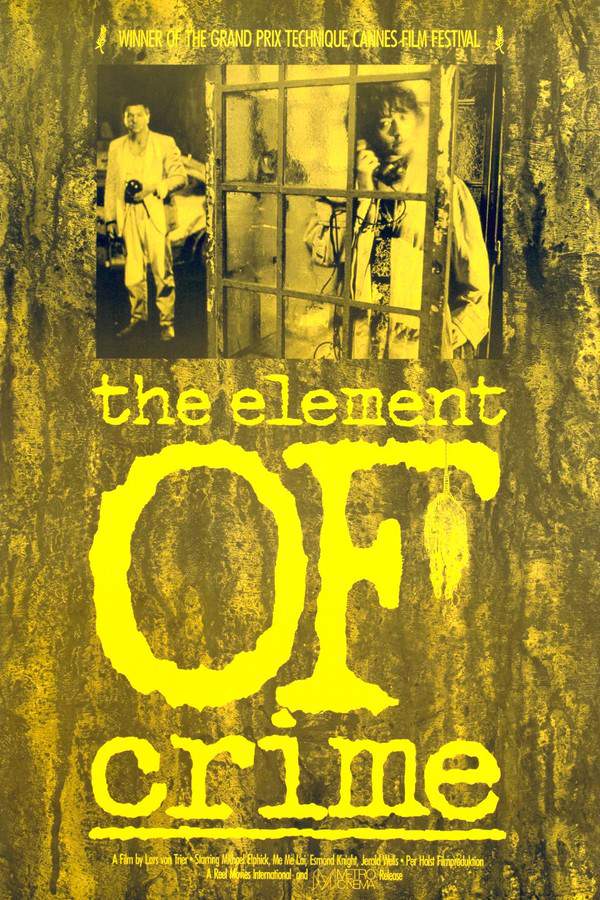
The Element of Crime
1984

Triangle
2010

The Incident
2014

The Incident
2015
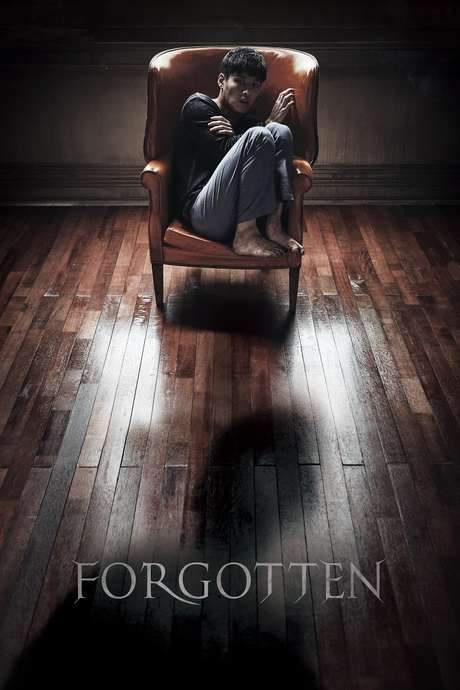
Forgotten
2017

Cowards Bend the Knee
2003

Strange Circus
2005

A Zed & Two Noughts
1985

On the Silver Globe
1988

Three Crowns of the Sailor
1983

The Forest of Love: Deep Cut
1000

Level Cross
2024
Narrative Summary
The narrative pattern here is often non-linear or circular, beginning and ending in a similar state to emphasize inescapability. Surreal imagery and events are used not just for style, but to externalize internal psychological states and the oppressive weight of a repeating fate.
Why These Movies?
These movies are united by their use of surrealism to explore dark, heavy themes and their structural commitment to a cyclical or fatalistic worldview. They share a very complex narrative style, a bleak ending feel, and an unsettling, dreamlike mood.
Unlock the Full Story of Mother(s)
Don't stop at just watching - explore Mother(s) in full detail. From the complete plot summary and scene-by-scene timeline to character breakdowns, thematic analysis, and a deep dive into the ending - every page helps you truly understand what Mother(s) is all about. Plus, discover what's next after the movie.
Mother(s) Summary
Read a complete plot summary of Mother(s), including all key story points, character arcs, and turning points. This in-depth recap is ideal for understanding the narrative structure or reviewing what happened in the movie.

Characters, Settings & Themes in Mother(s)
Discover the characters, locations, and core themes that shape Mother(s). Get insights into symbolic elements, setting significance, and deeper narrative meaning - ideal for thematic analysis and movie breakdowns.


