Plot Explained Spoilers guaranteed!
Plot Explained

Browse by genre

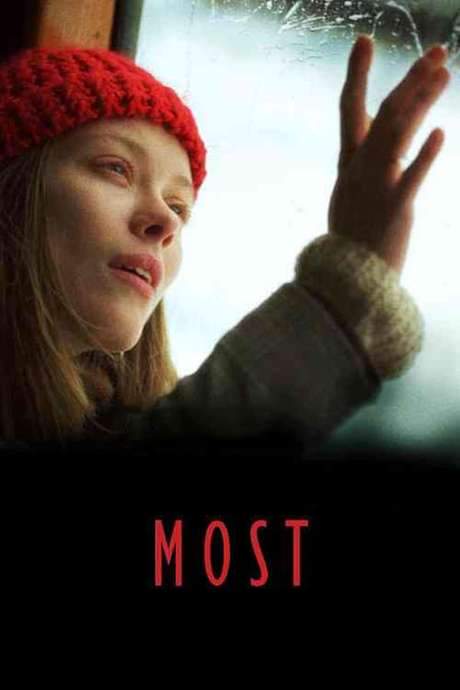
Most (2003) movie poster

Characters & Themes

Most (2003) Characters, Setting & Themes Explained

Release, runtime and language
2003 · 29 mins · Czech
Directed by
Bobby Garabedian
Starring
John Lavachielli, Brad Heller, Vladimír Javorský, Klára Issová, Ladislav Ondřej, Linda Rybová

A poetic and powerful story of a father forced to choose between love and duty.

On this page (7)
  1. 1 Characters explained (3)
  2. 2 Where & when it takes place
  3. 3 Themes & meaning (3)
  4. 4 Character & meaning questions
  5. 5 Movie threads
  6. 6 Movies like Most
  7. 7 Every angle

3 main characters · contains spoilers

Most Characters Explained: Who Is Who

The main characters of Most (2003), heroes and villains: what drives them, how they change over the course of the story and what each of them reveals about the film's bigger ideas.

  • Father (Vladimír Javorský)

    A single Czech father and bridge tender, he carries the weight of providing for his son while confronting an impossible choice. He remains restrained and duty-bound, masking profound grief beneath a calm exterior. The bridge tragedy becomes a defining, lifelong burden, shaping his uncertain path in a new city.

    • 👨‍👦 Family
    • ⚖️ Morality
    • 💔 Guilt
  • Láďa (Ladislav Ondřej)

    Eight-year-old Láďa is curious and brave, first meeting the drug-addicted woman and then attempting to warn his father. He acts with a child’s courage, but pays the ultimate price when he falls into the drawbridge gears. His death exposes the fragility of life and the cost of adult decisions.

    • 👦️ Child
    • 💔 Loss
  • Troubled Girl (Linda Rybová)

    A drug-addicted woman who encounters the boy the day before the tragedy; she represents a marginalized perspective often unseen by the train’s passengers. Her presence at the scene is a somber reminder of how society overlooks vulnerable lives. In the film's final moment, she appears again, holding a baby, linking loss to a possibility of new life.

    • 💊 Addiction
    • 👀 Witness

Last updated: February 20, 2026 at 18:34

Was this helpful?

Setting

Where and When Does Most Take Place?

The setting of Most (2003): the year and time period, the places and locations, and how they shape the characters, the mood and the tension of the story.

Time period

Location

Czech Republic

The action centers on a railroad drawbridge by a lake in the Czech Republic. The setting is a stark, working-class landscape where the daily grind of railway life frames a moment of catastrophic choice. The austere location uses industrial space to underscore themes of duty, risk, and tragedy.

  • 🏭 Industrial landscape
  • 🚉 Railway setting
  • 💧 Lake nearby

Last updated: February 20, 2026 at 18:34

Was this helpful?

3 major themes

Most Meaning: Themes & Message Explained

What is Most (2003) really about? The emotional, social and philosophical themes the film keeps returning to, its symbolism and the message beneath the surface.

  • Sacrifice

    A father's protective instinct collides with the needs of strangers when he lowers the drawbridge to save a train, sacrificing his own son in the process. The act is rendered without sensationalism, highlighting the brutal cost of mercy. The film uses this moment to probe how private grief lingers and reshapes a life after an irreversible act.

  • Morality

    The narrative places the father in a moral dilemma where no easy choice feels right. The consequences of his decision are depicted as heavy and ambiguous, forcing viewers to weigh duty against personal love. The absence of witnesses except for a marginal figure emphasizes the isolation of moral judgment. The story challenges simple judgments and invites reflection on responsibility.

  • Witness

    A drug-addicted woman, a fleeting observer, is the only witness to the tragedy as the train roars past. Her perspective embodies how ordinary lives intersect with catastrophe, often unseen by society. The final encounter between the survivor and the woman, now with a baby, suggests cycles of life, memory, and renewal beyond the immediate loss. Water imagery and the lakeside setting reinforce the fragile line between life and loss.

Last updated: February 20, 2026 at 18:34

Was this helpful?

Character & theme questions

Most Characters & Meaning: Your Questions Answered

The questions people ask about Most (2003): who the characters really are, their relationships, what the symbols mean, where it takes place and what the movie is really about. Each answer contains spoilers.

Q1

Where does the story take place?

The film is set at a railroad drawbridge by a lake in the Czech Republic. This stark, working-class industrial landscape frames the entire tragedy, with the railway and bridge serving as both setting and metaphor for the impossible choice the father must make.

  • Czech Republic
  • drawbridge
  • railway
  • lake
  • industrial setting
Q2

What is the movie about thematically?

Most explores a father's impossible moral dilemma when he must choose between saving strangers on a train and saving his own son. The film examines sacrifice, the weight of duty, and how an irreversible decision reshapes a life forever.

  • sacrifice
  • duty
  • moral dilemma
  • father son
Q3

What does the bridge symbolize in Most?

The bridge serves as the central symbol, representing the threshold between life and death, duty and personal love. It is the mechanism through which the father must make his impossible choice, literally lowering it to save others while trapping his own child.

  • bridge metaphor
  • symbolism
  • threshold
Q4

What does the theme of sacrifice mean in the film?

The sacrifice theme depicts a father who lowers the bridge to save a train full of strangers, knowing his son is in danger. The act is portrayed without sensationalism, showing the brutal cost of mercy and how private grief consumes a life after such an irreversible choice.

  • sacrifice
  • mercy
  • cost
  • father son sacrifice
Q5

Who is the father in the movie?

The father, played by Vladimír Javorský, is a single Czech bridge tender responsible for operating the drawbridge. He is portrayed as restrained and duty-bound, carrying the burden of providing for his son while confronting an impossible choice that becomes his lifelong burden.

  • Vladimír Javorský
  • father
  • bridge tender
Q6

Who is Láďa in the story?

Láďa is the eight-year-old son of the bridge tender. He is portrayed as curious and brave, acting with a child's courage. His death in the drawbridge gears exposes the fragility of life and the devastating cost of adult decisions made in moments of crisis.

  • Láďa
  • son
  • child
  • Ladislav Ondřej
Q7

Who is the troubled girl in Most?

The troubled girl, played by Linda Rybová, is a drug-addicted woman who encounters Láďa the day before the tragedy. She is the only witness to the train passing over the lowered bridge, representing a marginalized perspective often overlooked by society. At the film's end, she appears with a baby, suggesting cycles of life and renewal.

  • Linda Rybová
  • drug addict
  • witness
  • marginalized
Q8

What does the morality theme explore?

The morality theme places the father in a dilemma where no easy choice feels right. The consequences are depicted as heavy and ambiguous, with no witnesses except a marginal figure. The story challenges simple judgments about right and wrong, inviting reflection on responsibility and the isolation of moral judgment.

  • morality
  • judgment
  • responsibility
  • ethical dilemma
Q9

What does the witness theme represent?

The witness theme focuses on the drug-addicted woman as the sole observer of the catastrophe. Her perspective embodies how ordinary lives intersect with tragedy often unseen by society. The final encounter between the father and the woman, now holding a baby, suggests cycles of life and memory beyond immediate loss.

  • witness
  • perspective
  • society
  • cycles of life
Q10

How is water imagery used in the film?

Water imagery and the lakeside setting reinforce the fragile line between life and loss. The lake surrounding the drawbridge creates a liminal space where the father's decision unfolds, and the water serves as both barrier and gateway between the ordinary world and the tragedy.

  • water imagery
  • lake
  • symbolism
  • setting
Q11

What is the tone and emotional approach of the film?

Most maintains a consistently melancholic tone with little relief from its somber atmosphere. The emotional weight is heavy throughout, building toward the father's devastating decision. The power comes from its stark simplicity, a linear tragedy that focuses on the raw emotional impact of an unimaginable choice.

  • tone
  • melancholy
  • emotional
  • somber
Q12

Does the film have religious or biblical parallels?

The father's decision echoes biblical sacrifice allegories, drawing parallels to stories where individuals face impossible choices that mirror the ultimate test of faith and parental love. The film uses this resonance to deepen the emotional and moral weight of the father's choice.

  • biblical
  • allegory
  • sacrifice
  • religion

Movie threads

More Movies Like Most, by Mood & Story

Curated lists built around what makes Most tick: the same mood, the same kind of story or the same emotional payoff. Each list explains why these movies belong together.

Movies about heartbreaking parental choices like Most

Stories where parents face impossible choices that test their love and duty. If you were moved by the tragic dilemma in Most, explore other films that feature parents forced to make impossible moral decisions. These movies share a focus on sacrifice, devastating consequences, and the heavy emotional toll of choosing between love and duty.

  • tragic
  • heartbreaking
  • tense
  • somber
  • poignant
  • oppressive
  • Tone: melancholic, tragic, tense
  • Pacing: steady, deliberate
Why these movies?

The story pattern: These narratives typically follow a linear, straightforward path toward a central, unavoidable ethical crisis. The pacing steadily builds emotional weight, leading to a climactic decision that irrevocably alters the characters' lives, often concluding with a deep sense of loss and sorrow.

Why they belong together: Movies are grouped here because they share a core focus on the specific agony of parental sacrifice. They create a similar viewing experience of melancholy, tension, and heavy emotional weight, exploring the aftermath of decisions made under extreme duress.

Slow burn allegorical tragedies similar to Most

Deliberate, somber stories that use simple narratives to explore profound loss. If you appreciated the steady, allegorical build-up to tragedy in Most, you'll find similar films here. These movies use straightforward storytelling to deliver a powerful emotional punch, often exploring themes of sacrifice and grief through a melancholic lens.

  • melancholic
  • somber
  • tragic
  • poignant
  • allegorical
  • straightforward
  • Tone: melancholic, somber, poignant
  • Pacing: steady, slow burn
Why these movies?

The story pattern: Stories in this thread unfold with a linear, uncluttered structure. The pacing is steady, methodically increasing emotional intensity until a climactic, tragic event. The narrative often carries a symbolic or allegorical weight, making the personal tragedy feel universal.

Why they belong together: These films are connected by their shared approach to tragedy: a slow, steady build-up, a straightforward narrative complexity, and a deeply melancholic tone that results in an emotionally draining experience focused on a central, catastrophic loss.

If you liked this

Movies Like Most

Similar movies to Most: the same genre, themes or kind of story. Each one comes with its own plot summary, timeline and ending explained.

Browse all movie summaries

Every angle

Most (2003) Explained: Plot, Timeline & Characters

Everything about Most in one place: what happens in the plot summary, the timeline in chronological order, the characters and meaning and a spoiler-free summary. What's After the Movie adds the cast, box office and post-credit scenes.

Coming soon on iOS and Android

The Plot Explained Movie Summary App

Plot summaries, endings explained and timelines on your phone. Catch up on any movie in minutes, save your favorites and never miss a twist again.

Be the first to know when we launch. Your email stays private, always.

Learn more about the app